生态建设

Search documents
4.5~5%——18图全观两会目标
一瑜中的· 2026-03-05 03:18
Economic Development Goals - The GDP growth target for 2025 is around 5%, with an actual value of 5% for 2026, aiming for a range of 4.5%-5% [2][4] - The urban survey unemployment rate is targeted to be controlled within 5.5% for both 2025 and 2026, with an expected addition of over 12 million urban jobs each year [16][10] - The consumer price index (CPI) target for both 2025 and 2026 is set at around 2% [5] Innovation and Technology - The average annual growth of R&D expenditure is expected to exceed 7%, with the digital economy's core industry value added accounting for 12.5% of GDP [2] - The government aims to enhance the manufacturing sector's stability and promote the development of a modern industrial system [2] Green Development - The forest coverage rate is targeted to reach 24.1%, with a focus on reducing carbon emissions by 17% per unit of GDP by 2026 [3] - The government plans to eliminate heavy pollution weather and urban black and odorous water bodies [3] Fiscal Policy - The fiscal deficit rate is proposed to be around 4% for the current year, with a deficit scale of 5.89 trillion yuan, an increase of 230 billion yuan from the previous year [8] - The total scale of new government debt is expected to reach 11.86 trillion yuan, with a significant increase in fiscal spending [12] Investment and Infrastructure - Central budget investment is planned at 755 billion yuan, with 800 billion yuan allocated for long-term special bonds to support major projects [12][19] - Local government special bonds are set at 4.4 trillion yuan for 2025, with a focus on infrastructure and debt replacement [12][11] Employment and Social Welfare - The average education level of the working-age population is targeted to increase to 11.3 years, with per capita disposable income growth synchronized with GDP growth [3][17] - The government aims to improve the medical service network and increase the proportion of nursing beds in elderly care institutions to 73% [3] Real Estate and Housing - The government emphasizes that housing is for living, not speculation, with ongoing efforts in urban affordable housing construction and rural housing renovation [25]


华为、字节、Meta同台竞技,AI眼镜势必记住2026这一年
3 6 Ke· 2026-02-26 11:06
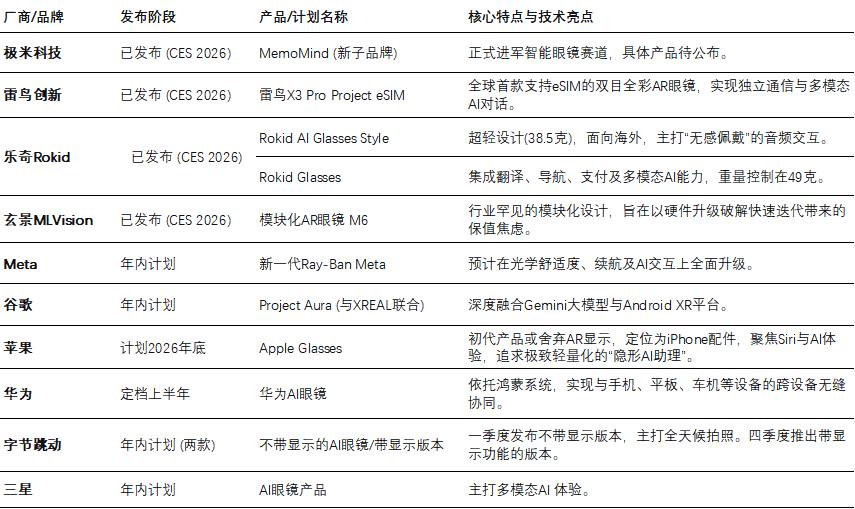
Core Insights - The AI glasses market in 2026 is characterized by intense competition, with numerous companies, including major tech giants and startups, launching new products and strategies, marking a shift from niche gadgets to essential tools for various applications [1][2][4] Group 1: Market Dynamics - The AI glasses market is witnessing a "full-scale war" with major players like Meta, Google, Apple, and domestic companies like Huawei and ByteDance all actively participating [1][2] - The CES 2026 event served as a platform for companies to showcase their innovations, with significant product announcements from various manufacturers [2][4] - The trend of "lightweight" and "independence" is evident, as companies prioritize user comfort and reduce reliance on smartphones through features like eSIM and independent processing capabilities [9][10] Group 2: Product Launches and Innovations - Key product launches include: - XGIMI's MemoMind brand entering the smart glasses market [8] - Thunderbird's X3 Pro Project eSIM, the first dual-lens AR glasses with independent connectivity [8] - Rokid's ultra-light AI glasses weighing only 38.5 grams, emphasizing comfort and audio interaction [8] - Modular AR glasses M6 from Xuanjing, designed for hardware upgrades [3][8] - Meta plans to enhance its Ray-Ban Meta glasses, aiming for improved optical comfort and AI interaction [4][8] - Google's three-step strategy includes launching audio smart glasses and collaborating on Project Aura with XREAL [4][8] - Apple is expected to release Apple Glasses by the end of 2026, focusing on a lightweight design and AI integration [4][8] Group 3: Industry Trends and Drivers - The industry is driven by three main factors: cost reduction in the supply chain, advancements in AI interaction, and growing market demand [10][11] - The rapid decrease in component costs, particularly in chips and optical displays, has made AI glasses more affordable for consumers, with prices now in the 2000-3000 yuan range [11] - The introduction of national subsidies for smart glasses is expected to boost market penetration and consumer adoption [14][15] Group 4: Future Competition Landscape - The competition is shifting from hardware specifications to user experience, ecosystem integration, and technological innovation [16][17] - Companies are focusing on creating compelling reasons for daily use, with examples like Rokid's integration of AI glasses into automotive systems and educational tools [17][18] - The future of the industry will depend on ecosystem development, with companies like Google and Huawei aiming to create comprehensive platforms that integrate AI capabilities and user data [20][21]




200亿元,全国社保基金再落一子 | 融中投融资周报
Sou Hu Cai Jing· 2026-02-08 02:54
Group 1 - The Hubei Social Security Science and Technology Equity Investment Fund has been established with an initial scale of 20 billion yuan, focusing on industries such as optoelectronic information, automotive manufacturing, and life health in Hubei [2] - The Jiading Future Industry Fund, with a total scale of 800 million yuan, aims to support early-stage investments in disruptive technologies across five core sectors [2] - The Guangdong Hengjian Investment Holding Company has launched the Nanyue Green Beauty Ecological Investment Fund, the first provincial-level government investment fund focused on ecological construction, with an initial scale of 2 billion yuan [3] Group 2 - The Yanming Lake Fund, established to support the commercialization of technology from Yanshan University, has a registered capital of 10.2 million yuan and focuses on hard technology fields [4] - Waymo has completed a new funding round of 16 billion dollars, achieving a post-money valuation of 126 billion dollars, with significant backing from major investment firms [4][5] - SpaceX announced a stock-based acquisition of AI company xAI, resulting in a combined valuation of 1.25 trillion dollars, with SpaceX valued at 1 trillion dollars and xAI at 250 billion dollars [5][6] Group 3 - Meituan is set to acquire 100% of Dingdong Maicai's China business for approximately 717 million dollars, enhancing its instant retail capabilities [7] - AI startup ElevenLabs has raised 500 million dollars in funding, achieving a valuation of 11 billion dollars, with a significant increase from its previous funding round [7]



十点新变化——2026年地方两会点评
一瑜中的· 2026-02-03 14:39
Group 1: GDP Targets - This year, Guangdong Province has set a range target for GDP growth for the first time in seven years, with a target of 4.5%-5.5% [3][21] - A total of 15 provinces have lowered their GDP targets by 0.5 percentage points, while 12 provinces have kept their targets stable compared to last year [15][21] - The weighted average GDP growth target for 29 provinces is estimated to be 5.0%, slightly down from 5.24% last year [3][15] Group 2: Investment Trends - Major project investment growth in six economic provinces has decreased by 0.7% this year, compared to a growth of 3% last year [5][25] - Non-economic provinces like Fujian, Shanghai, Jiangxi, and Shaanxi have seen a significant decline in major project investment growth, with a combined decrease of 8.1% this year [5][25] - Investment in real estate, particularly in urban village and old community renovations, has shown significant declines in several provinces, such as Zhejiang and Chongqing [6][30] Group 3: Funding Sources - There are two potential improvements in investment funding: increased issuance of policy financial tools and optimization of special bond usage [7][33] - Provinces like Guangdong have committed to regular issuance of policy financial tools, indicating a potential increase in central government support [7][33] - Some provinces, including Henan and Jilin, are focusing on optimizing the use of special bonds to enhance project funding [7][33] Group 4: Investment Directions - Investment focus this year is shifting towards areas such as public welfare, new infrastructure represented by computing power, and urban renewal projects [8][36] - Provinces like Guangdong and Shandong are increasing investments in public welfare projects, with Shandong aiming to maintain 80% of fiscal spending on public welfare [8][36] - New infrastructure projects related to computing power are being prioritized in several provinces, including Guangdong and Hubei [8][36] Group 5: Industry Focus - There is an increased emphasis on AI and related technologies, with at least 27 provinces making deployments in this area [9] - Other industries receiving attention include low-altitude economy, hydrogen energy, nuclear energy, and biomedicine [9] Group 6: Consumption Trends - There is a stronger focus on service consumption, particularly in cultural tourism, events, inbound tourism, and new consumption trends [10] - Provinces are emphasizing the importance of consumer spending in areas such as entertainment, AI consumption, and the metaverse [10] Group 7: Ecological Construction - The focus of ecological targets has shifted from energy consumption constraints to carbon emission restrictions [11] - Local governments are concentrating on enhancing the application of new energy in the power sector [11] Group 8: Reforms - Multiple provinces have expressed intentions to integrate into the construction of a unified national market [12][10]

年入10亿、全球第二,「中国版Kindle」的故事过气了吗?
36氪· 2026-01-28 01:04
Core Viewpoint - The article discusses the impact of Amazon's Kindle exit from the Chinese market, highlighting the opportunity it presents for domestic players like Guangzhou Wenshi Information Technology Co., Ltd. (Wenshi BOOX) to capture market share and innovate in the e-ink display sector [6][25]. Group 1: Company Overview - Wenshi BOOX submitted its IPO prospectus to the Hong Kong Stock Exchange in January 2026, aiming to tell a "Chinese version of Kindle" success story [6]. - In 2024, Wenshi's revenue reached 1.02 billion yuan, a year-on-year increase of 26.6%, with over 50% of its revenue coming from overseas markets, which grew by 33.8% [8]. - Wenshi has diversified its product offerings beyond pure reading devices, covering sizes from 6 inches to 25.3 inches, with productivity tablets contributing over 50% of its revenue [9]. Group 2: Financial Performance - Despite a 10% revenue increase in the first nine months of 2025, Wenshi's net profit declined by 4% [10]. - The company's sales expenses rose from 9.1% to 13.9%, indicating a need for high marketing investments to compete in a crowded market [10][24]. - Wenshi's adjusted net profits for 2023, 2024, and the first nine months of 2025 were 120 million yuan, 130 million yuan, and 120 million yuan, respectively [23]. Group 3: Market Position and Strategy - The global market for knowledge-focused productivity tools is projected to grow from 10.7 billion yuan in 2020 to 29.1 billion yuan in 2024, with Wenshi being the second-largest globally and the largest in China [26][27]. - Wenshi's strategy includes positioning itself as a "knowledge-focused productivity tool" rather than just a reading device, with three main revenue sources: productivity tablets, high-speed readers, and software services [17][29]. - The company has emphasized AI and ecosystem development in its fundraising efforts, recognizing the need to address its software shortcomings [14][22]. Group 4: Competitive Landscape - The exit of Kindle has led to increased competition in the e-ink market, with various players adopting different strategies, from conservative to aggressive approaches [29]. - Wenshi's competitive advantage lies in its comprehensive product range and global market presence, but it faces challenges in content ecosystem and vertical technology [30][31]. - The supply chain risk is significant, as over 90% of e-paper module production is controlled by a single supplier, E Ink Holdings, which also holds a stake in Wenshi [31].

2025年内蒙古完成 生态建设任务5062万亩
Xin Lang Cai Jing· 2026-01-26 20:02
Group 1 - Inner Mongolia's "Three North" project aims to secure 32.105 billion yuan in special funds for ecological construction in 2025, completing tasks over 5.062 million acres, including 2.368 million acres for sand prevention and control, maintaining a national leadership in scale [1] - The Yellow River "bending" area has established a continuous protective forest and grassland belt along 620 kilometers, enhancing the "green fence" [1] - In the Khorchin and Hunshandak sand areas, all nine counties have eradicated mobile sand, constructing 2,528 kilometers of sand-blocking roads and securing 4.64 million acres of loose sand [1] Group 2 - Inner Mongolia plans to improve grassland management by addressing overgrazing issues across 102 regions, aiming for a grass-livestock balance index below 10% by 2025 [2] - The region has initiated a concentrated rectification of illegal deforestation and grassland destruction, with over 27,000 issues addressed and a rectification rate of 81% for new problems and 99% for existing ones [2] - The Daqingshan Nature Reserve has joined the World Biosphere Reserve Network, and three important wetlands have been recognized as national key wetlands [2]
12月榜单来啦!看哪些政务新媒体上榜?
Xin Lang Cai Jing· 2026-01-26 08:41
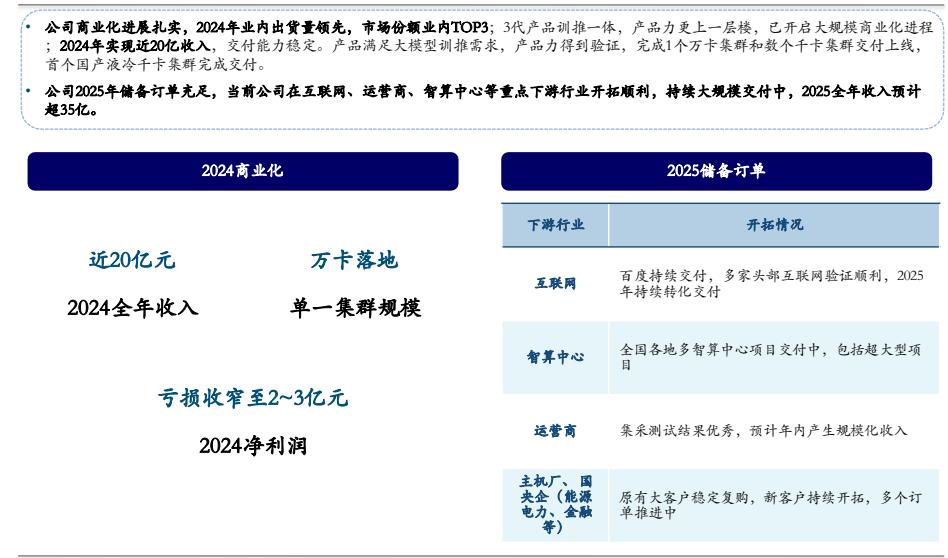
Core Insights - The article discusses the release of the national ecological environment system government new media communication influence ranking list for December, highlighting the importance of information dissemination and public engagement in ecological governance [1]. Group 1: Media Influence and Engagement - The ranking list aims to promote the sustainable development of ecological environment system government new media, enhancing roles in information disclosure, public opinion guidance, social governance, and consensus building [1]. - Various local ecological environment accounts have launched initiatives to showcase their achievements in ecological construction, such as "Sichuan Ecology" featuring a series of articles highlighting local ecological protection successes [1]. Group 2: Seasonal Environmental Initiatives - The autumn and winter seasons are critical for air pollution prevention, with multiple regions issuing timely alerts and updates, which have garnered significant public attention [3]. - Local accounts have also initiated year-end summaries and "green New Year" campaigns, with "Hunan Ecology" achieving over 100,000 reads for its fireworks ban proposal [4]. Group 3: Content Strategies and Public Interaction - "Jiangxi Environment" presented its ecological achievements through a numerical format, receiving over 50,000 reads, while "Shanxi Ecology" utilized an interactive format to discuss its environmental protection efforts [5]. - "Beautiful Chongqing" creatively combined traditional cultural elements with environmental advocacy, providing practical information for the public while promoting eco-friendly practices [7]. Group 4: Pollution Alerts and Responses - Several regions, including "Beijing Ecology" and "Anhui Ecology," have proactively issued warnings regarding heavy pollution, demonstrating a commitment to transparency and public safety [6]. - The article highlights the importance of timely communication in addressing pollution issues, with various local accounts actively engaging in public discourse [6]. Group 5: Innovative Educational Initiatives - The "Environmental Classroom" program in Yunnan, featuring local students, aims to spread green concepts through creative audio content, showcasing innovative approaches to environmental education [12].
龙芯中科预计2025年营收6.35亿元,同比增长26%
Ju Chao Zi Xun· 2026-01-24 01:26
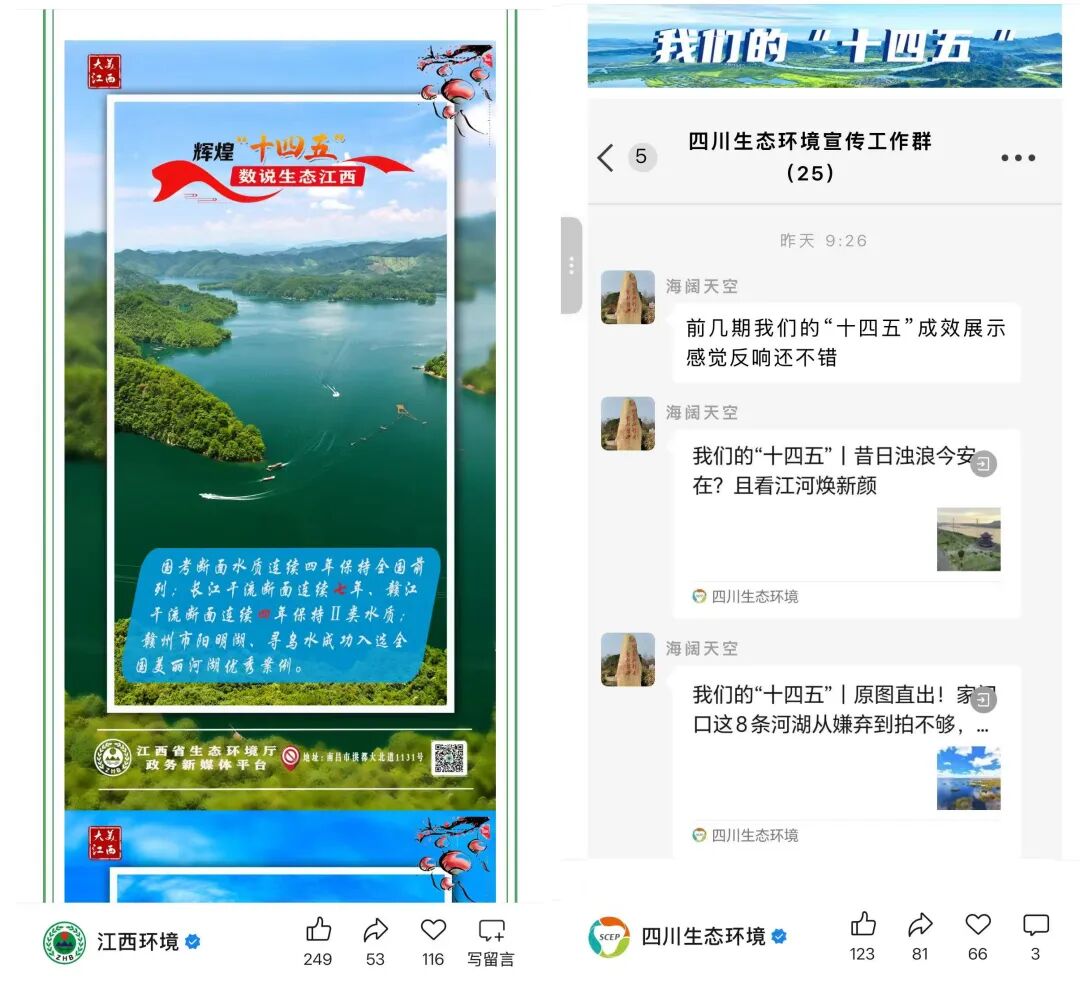
Core Viewpoint - Longxin Zhongke is expected to achieve approximately 635 million yuan in revenue for 2025, representing a year-on-year growth of around 26%, while the net loss attributable to the parent company is projected to be around 450 million yuan, a reduction in loss of approximately 176 million yuan, equating to a year-on-year decrease in loss of 28% [1] Group 1 - The company is focusing on both policy-driven and open market strategies to leverage its advantages in self-reliance, transforming these into cost-effectiveness and software ecosystem advantages, leading to a simultaneous increase in both revenue and quality [1] - Longxin Zhongke is capitalizing on the recovery of the security application market, utilizing the cost-effectiveness of its new generation embedded CPUs to rapidly restore revenue from industrial control chips [1] - The company is making significant progress in the information technology sector, taking advantage of market recovery opportunities and achieving good results in the procurement of office systems and industry-specific business systems [1] Group 2 - Longxin Zhongke is committed to ongoing CPU research and development, with the successful development of products like "Three Swordsmen" and "Three Sharp Soldiers" marking its initial competitive edge in the open market [2] - The company aims to establish a Linux software ecosystem that stands alongside X86/ARM, effectively breaking down software ecosystem barriers for its CPUs, indicating a new phase in its development [2] - Longxin Zhongke anticipates a new growth cycle from 2025 to 2027, being the only domestic company capable of series CPU IP core licensing, which may lead to stable and sustainable revenue sources through supporting other countries' chip companies in forming their own CPU brands [2]

孙玥:“十五五”时期广州生态建设着力于“提质”与价值转化
Nan Fang Du Shi Bao· 2026-01-19 15:04
Core Insights - The article discusses the key objectives and strategies for Guangzhou's economic and social development during the "15th Five-Year Plan" period, emphasizing the importance of leveraging past achievements to set a strong foundation for the future [1] Group 1: Economic and Social Development Goals - The 2026 Guangzhou government work report outlines ten key areas of focus, including tapping into domestic and international demand, accelerating the construction of a modern industrial system, and promoting integrated development of education, technology, and talent [1] - The city aims to enhance ecological infrastructure connectivity and improve urban quality, striving to create an international mountain-water-rural city [3] Group 2: Ecological Construction Achievements - During the "14th Five-Year Plan," Guangzhou achieved significant milestones in ecological construction, with multiple greening indicators ranking among the top in major cities nationwide [4] - The establishment of a national botanical garden system aims to integrate plant conservation, scientific research, and public education, enhancing public ecological awareness [4] Group 3: Management and Innovation in Forestry - Guangzhou has implemented a dynamic management system for ancient trees, creating a comprehensive database for 867 protected trees, which includes growth monitoring and environmental sensing [7] - The city has also published a monitoring report on urban ecological space, utilizing remote sensing and IoT technologies for regular assessments of green spaces [7] Group 4: Community Engagement and Quality of Life - The city has opened park green spaces for public camping and leisure, attracting over 160 million visitors annually, and has hosted more than 32,000 nature education events [8] - Future plans include creating pocket parks and enhancing urban green spaces to improve residents' quality of life and promote green consumption [8][9] Group 5: Focus Areas for the "15th Five-Year Plan" - The core focus for ecological construction during the "15th Five-Year Plan" will be on quality enhancement and value transformation, emphasizing the improvement of ecosystem quality and the realization of ecological product value [10] - Key strategies include strengthening biodiversity protection, optimizing the park city system, and developing green industries to convert ecological benefits into economic gains [10] Group 6: Collaborative Governance - The forestry department plans to enhance collaboration with various sectors to achieve comprehensive ecological governance, encouraging public participation in greening efforts [11] - The strategy includes leveraging partnerships with academic institutions and research organizations to foster innovation in ecological management [11]
5年,集体上市,中国芯片穿过华为的“至暗时刻”
3 6 Ke· 2025-12-26 02:28
Core Viewpoint - The rapid rise of domestic GPU companies in China is driven by policy benefits, capital support, and a surge in AI computing power demand, marking a significant moment for the industry as companies prepare for IPOs and attract substantial market interest [1][2][3]. Group 1: IPO Surge of Domestic GPU Companies - Domestic GPU companies are aggressively pursuing IPOs, with notable examples including Moer Technology and Muxi, which have seen their market values soar to 440 billion yuan and 300 billion yuan respectively [1][8]. - The average establishment time for these companies is around five years, aligning with the typical exit timeline for venture capital and private equity investments [4]. - The rapid pace of IPOs reflects a combination of market recovery, policy support, and the need for companies to establish benchmarks and demonstrate their potential to investors [7][8]. Group 2: Financial Performance and Market Valuation - Despite high market valuations, many of these companies are still operating at a loss, with Muxi projected to have a revenue cap of 1.98 billion yuan and a net loss of up to 763 million yuan by 2025 [8][9]. - The market's enthusiasm is evident as Moer Technology's market cap briefly exceeded 440 billion yuan, despite its limited revenue and ongoing losses [8][32]. - The average price-to-sales ratio for these companies is over 170 times, indicating a significant disparity between revenue and market valuation, leading to mixed investor sentiments [33][34]. Group 3: Challenges and Competitive Landscape - The competition is not only among domestic GPU companies but also includes major cloud service providers developing their own ASIC chips, which poses a significant threat to the market share of domestic GPUs [27][30]. - The lack of a robust ecosystem and reliance on external components, such as memory, complicates the cost structure for these companies, potentially impacting their profitability [21][22]. - Building a competitive ecosystem similar to NVIDIA's CUDA is essential for long-term success, but it requires substantial investment and time, which many domestic companies are currently struggling to achieve [23][24]. Group 4: Investor Sentiment and Market Dynamics - The disparity in access to IPO benefits has led to criticism, as institutional investors have captured a significant portion of the shares, leaving individual investors with minimal gains [37][38]. - Companies need to effectively communicate their value propositions and operational strategies to investors to maintain support and justify their high valuations [40][41]. - The long-term success of these domestic GPU companies will depend on their ability to deliver on performance and profitability while navigating the complexities of the semiconductor market [41].