光电玻璃

Search documents
又一上市公司“蹭”商业航天概念被监管警示
Jing Ji Guan Cha Wang· 2026-02-13 06:13
Core Viewpoint - The company Shuangliang Energy (600481) misled investors by announcing overseas orders related to SpaceX, leading to a rapid stock price increase, followed by regulatory warnings for inaccurate disclosures [1][2][3]. Group 1: Company Actions and Regulatory Response - On February 12, Shuangliang Energy announced three overseas orders for 12 heat exchanger units intended for SpaceX's fuel production system, which caused the stock to hit the daily limit [1][2]. - After regulatory intervention, the company clarified that the orders were signed on October 25, 2025, and January 9, 2026, totaling approximately RMB 13.92 million, representing about 0.11% of the audited revenue for 2024, indicating no significant impact on operations [2][3]. - The Shanghai Stock Exchange issued a regulatory warning to Shuangliang Energy for violating disclosure rules, emphasizing the need for accurate and complete information to avoid misleading investors [3][4]. Group 2: Market Context and Implications - The commercial space sector is currently a hot topic in the market, with significant investor interest, and companies must disclose information carefully to avoid misleading claims [3][5]. - Shuangliang Energy's main business includes energy-saving products and renewable energy equipment, with commercial space not being a primary application area [4]. - The company is projected to incur losses between RMB 780 million and RMB 1.06 billion in 2025, following a previous loss of RMB 2.134 billion, indicating ongoing challenges in the renewable energy sector [4]. Group 3: Industry Trends - The commercial space industry is experiencing rapid growth, with companies like SpaceX leading advancements in launch capabilities and supply chain opportunities [6][7]. - The commercial space index saw a peak increase of 62.08% within 20 days, reflecting strong market interest, although some recent corrections have occurred [7].

亚玛顿(002623.SZ):公司深耕超薄光伏玻璃及光电玻璃领域,业务暂不涉及太空太阳能领域
Ge Long Hui· 2026-02-04 13:48
Core Viewpoint - The company, Yamaton (002623.SZ), is currently not involved in the application of perovskite products in the space solar energy sector, focusing instead on ultra-thin photovoltaic glass and optoelectronic glass [1] Group 1 - The company is deeply engaged in the fields of ultra-thin photovoltaic glass and optoelectronic glass [1] - The company does not currently involve itself in the aforementioned technology areas related to space solar energy [1] - The company plans to closely monitor the development trends of forward-looking technologies and increase R&D efforts in response to customer needs and market changes [1]


亚玛顿:公司暂不涉及太空太阳能相关技术领域
Zheng Quan Ri Bao Wang· 2026-01-13 13:10
Core Viewpoint - The company, Yamaton (002623), focuses on ultra-thin photovoltaic glass and optoelectronic glass, and does not currently engage in space solar energy technologies [1] Group 1 - The company emphasizes its commitment to the ultra-thin photovoltaic glass and optoelectronic glass sectors [1] - The company plans to closely monitor technological trends and market changes in response to customer needs [1] - The company aims to enhance its research and development efforts to strengthen its technological reserves [1]
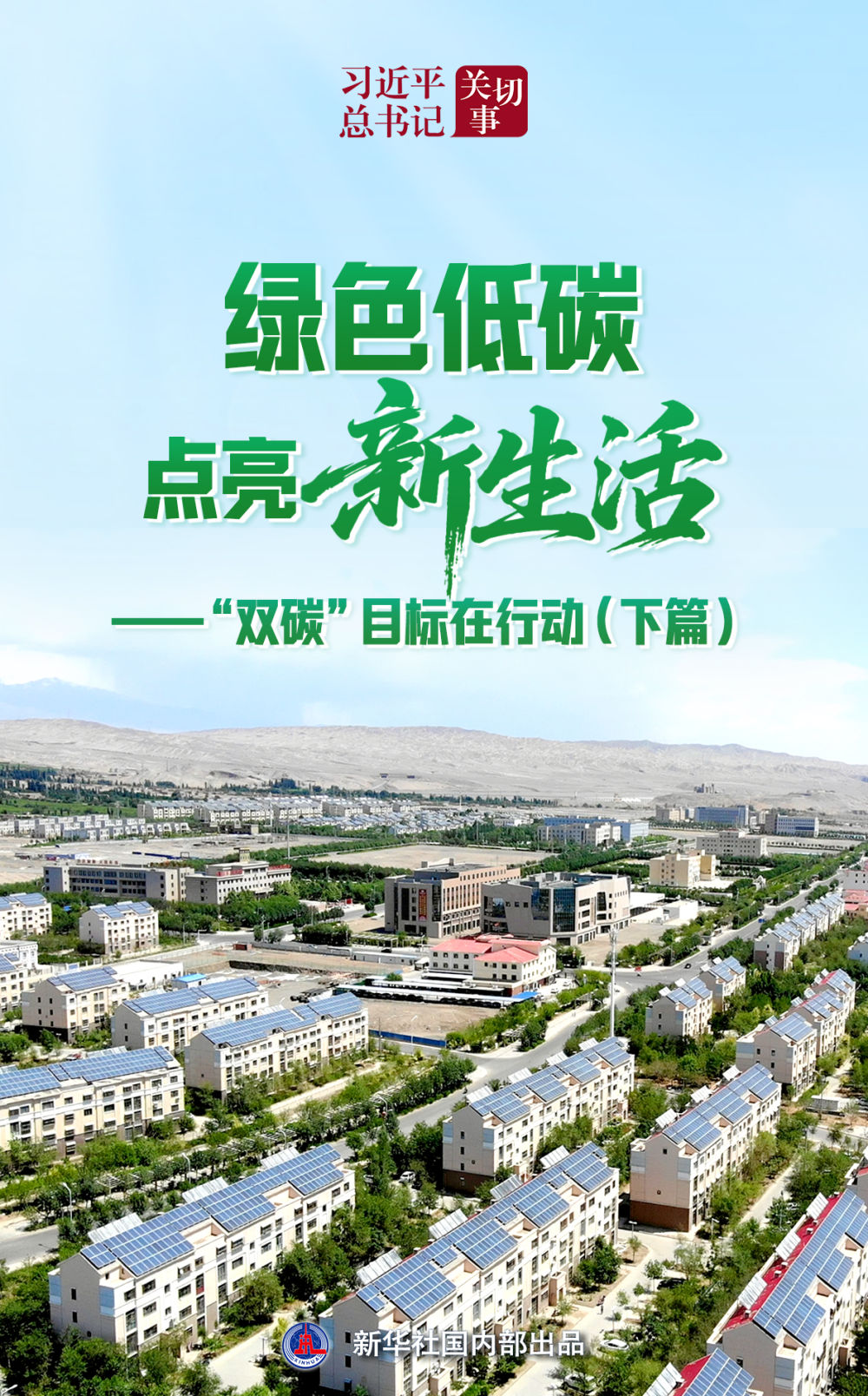
绿色低碳点亮新生活
Bei Jing Ri Bao Ke Hu Duan· 2025-11-06 03:14
Core Viewpoint - The article emphasizes the importance of promoting a green and low-carbon lifestyle in China, highlighting the integration of these principles into various aspects of economic and social development, as well as the tangible actions taken by the society to achieve the "dual carbon" goals set by the government [1]. Group 1: Green Transportation - The opening of the Shenyang-White Mountain high-speed railway significantly reduces travel time from approximately 4 hours to 1 hour and 53 minutes, showcasing a commitment to eco-friendly infrastructure [2]. - The construction team prioritized ecological preservation by opting for tunnel excavation over deforestation, demonstrating a commitment to minimizing environmental impact [2]. - The promotion of electric buses and the introduction of a carbon points system for subway users reflect a broader shift towards sustainable urban transportation [4]. Group 2: Electric Vehicles - The number of electric vehicles in Liaoning Province reached approximately 673,000 by the end of July, with a projected carbon reduction of over 2,000 tons by 2025 [3]. - The increasing availability and affordability of electric vehicles, along with supportive government policies, have led to a significant rise in consumer adoption [3]. Group 3: Green Buildings - The development of green buildings in Qinghai Province, including solar-powered structures, illustrates the integration of renewable energy into residential areas, contributing to a "zero-carbon village" [6][8]. - The implementation of photovoltaic technology in construction has resulted in substantial reductions in carbon emissions, with one company reporting an annual reduction of 5,388 tons [7][8]. - By 2024, the area of newly constructed green buildings is expected to reach 1.69 billion square meters, accounting for 97.9% of all new urban construction [8]. Group 4: Waste Recycling and Green Consumption - The introduction of smart recycling bins in urban areas has facilitated waste recycling, with over 10,000 participants in the program [10][11]. - The "trade-in" programs for appliances and the growing popularity of green products indicate a shift in consumer behavior towards sustainability [14]. - By 2024, over 70 million units of green and smart products are expected to enter Chinese households, reflecting a significant trend towards eco-friendly consumption [14].


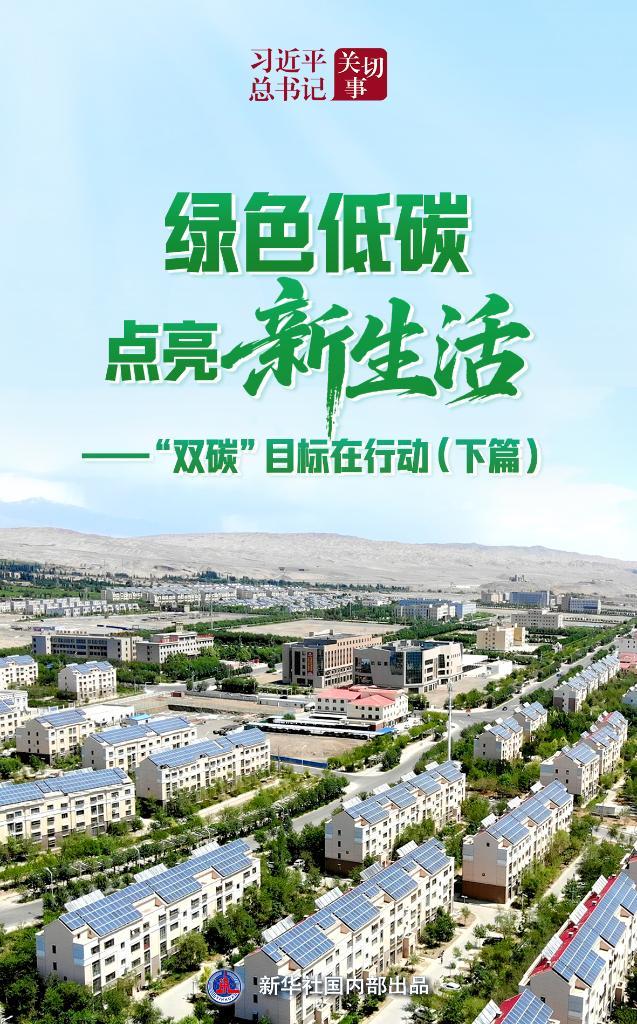
习近平总书记关切事丨绿色低碳点亮新生活——“双碳”目标在行动(下篇)
Xin Hua She· 2025-11-05 04:46
Group 1: Green Development Initiatives - The Chinese government emphasizes the importance of advocating for green and low-carbon production and lifestyle, integrating these principles into economic and social development [2] - The "dual carbon" goals have transitioned from a national commitment to tangible actions across society, promoting a green lifestyle [2] Group 2: Green Transportation - The opening of the Shenyang-Baicheng high-speed railway significantly reduces travel time between Shenyang and Changbai Mountain from approximately 4 hours to 1 hour and 53 minutes, showcasing a commitment to eco-friendly infrastructure [4] - The construction of the railway prioritized minimal ecological disruption, opting for tunnel excavation to protect over 1,500 mature pine trees [4][5] - Shenyang has seen a rise in electric public transportation, with over 4,000 electric buses making up more than 70% of the total bus fleet [5] - As of July 2023, Liaoning Province has approximately 673,000 electric vehicles, with a projected carbon reduction of over 2,000 tons by 2025 [5] Group 3: Green Buildings - The development of green buildings in Qinghai Province, such as those equipped with photovoltaic panels, demonstrates a shift towards sustainable energy solutions [10][12] - The village of Banjian has become the first "zero-carbon village" in Qinghai, achieving self-sufficiency in electricity and generating surplus green energy for sale [12] - By 2024, the area of newly constructed green buildings in urban areas is expected to reach 1.69 billion square meters, accounting for 97.9% of all new urban construction [16] Group 4: Green Consumption Trends - The introduction of smart recycling bins in Kurle City has engaged over 100,000 residents in waste recycling, transforming waste into resources [19][20] - The "old-for-new" appliance exchange program in Shenyang has expanded significantly, with subsidies covering a wider range of products [23] - By 2024, over 70 million green and smart products are expected to enter Chinese households, reflecting a growing trend towards sustainable consumption [24]
习近平总书记关切事|绿色低碳点亮新生活——“双碳”目标在行动(下篇)
Xin Hua She· 2025-11-05 04:29
Core Viewpoint - The articles highlight China's commitment to green and low-carbon development, showcasing various initiatives and projects that promote sustainable living and transportation, as well as the integration of green practices into everyday life and infrastructure [3][6][18]. Group 1: Green Transportation Initiatives - The opening of the Shenyang-Baicheng high-speed railway significantly reduces travel time between Shenyang and Changbai Mountain from approximately 4 hours to 1 hour and 53 minutes, exemplifying a "green artery" in transportation [4][6]. - The construction of the railway prioritized minimal ecological disruption, opting for tunnel excavation to protect over 1,500 mature pine trees [4]. - Shenyang has seen a rise in electric public transport, with over 4,000 electric buses making up more than 70% of the total bus fleet, and the city is enhancing its electric vehicle charging infrastructure [7][9]. Group 2: Green Building and Energy - In Qinghai Province, the Ban Yan New Village has become China's first high-altitude "zero-carbon village," utilizing distributed photovoltaic systems to achieve self-sufficiency in electricity and reduce carbon emissions by 258 tons in 2024 [10][12]. - The Yellow River Hydropower Development Company has implemented various green building technologies, generating approximately 5.4 million kilowatt-hours of electricity annually and reducing carbon emissions by 5,388 tons [13][14]. - By 2024, the area of newly constructed green buildings in urban areas is expected to reach 1.69 billion square meters, accounting for 97.9% of the total new construction area [14]. Group 3: Green Consumption Practices - The introduction of smart recycling cabinets in Kurle City allows residents to convert waste into resources, with over 287 cabinets deployed and participation from more than 100,000 residents [16][17]. - The "old for new" appliance replacement program in Shenyang has expanded significantly, with subsidies now covering 35 categories of products, encouraging consumers to adopt energy-efficient appliances [20][23]. - By 2024, over 70 million green smart products, including vehicles and home appliances, are projected to enter Chinese households, reflecting a shift towards sustainable consumption [24].