八宝印泥

Search documents
节前看市场:在吃逛中体验年味 “烟火气”里见活力
Yang Shi Wang· 2026-02-13 02:43
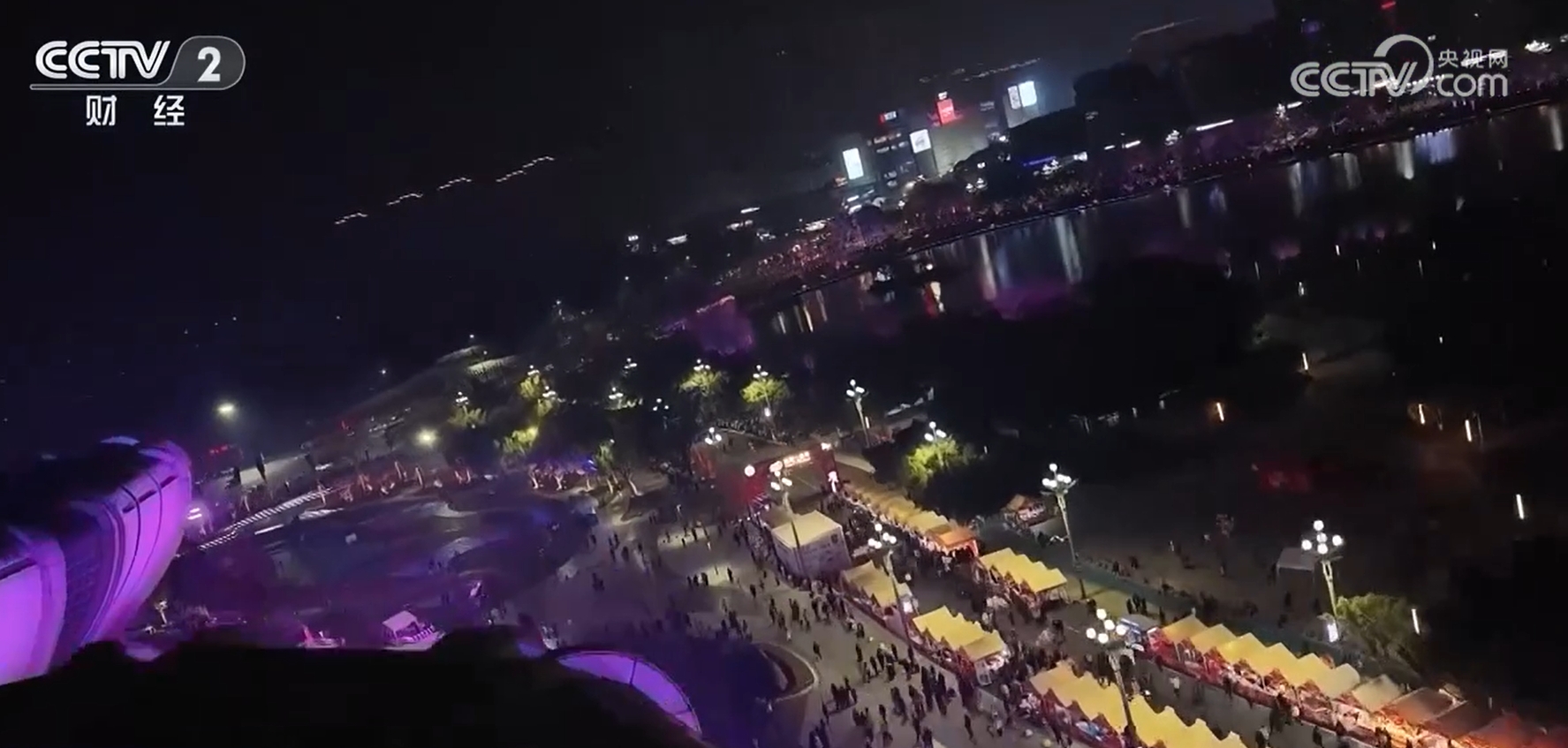
Group 1 - The article highlights the vibrant atmosphere of traditional markets during the Spring Festival, showcasing local culture and commerce [3][5][6] - In Cangnan, Zhejiang, 135 vendors participated in a large market event, attracting over 500,000 visitors and generating more than 10 million yuan in direct consumption [3] - The event featured various cultural performances, including local opera and basketball matches, enhancing the festive spirit [3] Group 2 - In Weinan, Shaanxi, a community Spring Festival gala included performances of traditional songs and local folk arts, attracting significant public interest [5][6] - The event also featured interactive activities and traditional food, providing a comprehensive cultural experience for attendees [7] Group 3 - In Jiangxi Wuyuan, traditional customs such as lantern parades and firework displays were highlighted, showcasing local heritage [9] - The Wuyuan lanterns, particularly the dragon lanterns, symbolize good fortune and are a key part of the local New Year celebrations [9] Group 4 - The ancient city of Datong in Shanxi hosted a colorful lantern festival, featuring 46 themed lantern groups along a 7.24 km stretch of the ancient city wall [10] - The festival attracted numerous tourists and included various local cultural elements, enhancing the festive atmosphere [10][11] Group 5 - In Fujian Zhangzhou, unique handmade cultural products featuring horse motifs for the Year of the Horse gained popularity, reflecting local craftsmanship [12][14] - The cotton paintings of horses, crafted by local artisans, have become a hit, with over 100 pieces sold since the New Year [14] Group 6 - In Guangzhou, the Spring Festival flower market is thriving, with a variety of traditional and modern floral arrangements attracting consumers [15][17] - The market has seen an increase in the variety of orchids and a trend towards smaller, artistic floral arrangements appealing to younger buyers [17]

本草有韵 人间有味
Xin Lang Cai Jing· 2026-01-29 18:46
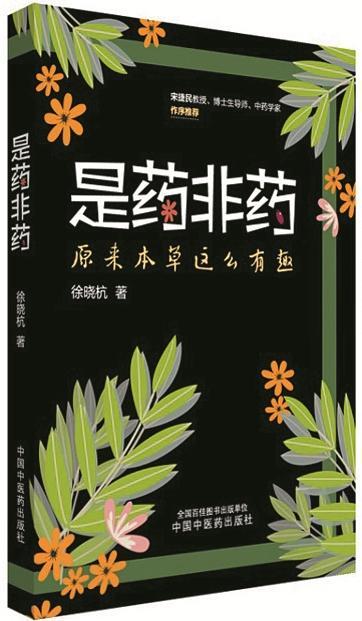
Core Viewpoint - The book "Is Medicine, Not Medicine" by Xu Xiaohang explores the rich history and cultural significance of traditional Chinese medicine (TCM), emphasizing its deep-rooted connection to Chinese society and its multifaceted applications beyond mere healing [2][3][4]. Group 1: Cultural Significance of TCM - TCM is portrayed as a magical system where plants, animals, and minerals serve medicinal purposes, reflecting a profound cultural heritage [2]. - The narrative includes historical anecdotes and folklore related to various herbs, showcasing their legendary past and the beauty of Chinese customs [2][3]. - The book illustrates how TCM has influenced various aspects of life, from the elite to common folk, highlighting its universal relevance [3]. Group 2: Culinary Applications of Herbs - The author presents culinary uses of herbs, such as the preparation of dishes like Fuling cakes and lotus leaf rice, which enhance the enjoyment of food while integrating TCM principles [3][4]. - The text emphasizes the idea that food can serve as medicine, aligning with the philosophy that dietary choices can impact health positively [4]. Group 3: Philosophical Insights - The book conveys life philosophies through the lens of TCM, illustrating how the relationships between different herbs and their preparation methods can reflect broader life principles [4]. - It suggests that understanding and harmonizing various aspects of life, much like the interconnectedness of the body's organs in TCM, leads to a more balanced and fulfilling existence [4].
非遗“新”传人们,动力从何而来
Zhong Guo Qing Nian Bao· 2025-06-20 03:07
Core Viewpoint - The article highlights the revival and modernization of intangible cultural heritage (ICH) through the efforts of young creators and the integration of traditional skills with contemporary media, particularly short videos, to engage a broader audience and enhance the livelihoods of artisans [1][3][5]. Group 1: Young Creators and ICH - Young self-media creator Jiang Xunqian has become the seventh-generation inheritor of the "Datiehua" (Iron Flower) technique, emphasizing the importance of ICH in preserving cultural heritage [1]. - Jiang's short videos have significantly increased public interest in the "Datiehua" technique, with over 800 million views in a short period, showcasing the potential of digital platforms to revitalize traditional crafts [4][5]. - The interaction rate for short video accounts of ICH artisans is reported to be between 20% and 25%, indicating strong audience engagement [5][6]. Group 2: Innovative Approaches to ICH - Young creators are utilizing various innovative methods, such as cross-disciplinary collaborations and creative storytelling, to promote ICH, resulting in a surge of interest and participation [7]. - The "Running Parkour Noodles" project combines parkour with traditional ICH, achieving over 12 million likes on a single video, demonstrating the effectiveness of creative fusion in attracting attention [7]. - The "2025 Douyin ICH Data Report" indicates a 31% year-on-year increase in ICH-related videos, with 749.9 billion views, highlighting the growing popularity of ICH content among younger audiences [8]. Group 3: ICH and Tourism - The integration of ICH into the tourism sector is reshaping cultural experiences for young people, making travel more appealing and enriching [10][11]. - Chengdu's theater performances incorporate ICH elements, attracting a younger audience and fostering interest in traditional culture [10]. - The "Dujiangyan Water Festival," recognized as a national ICH, has been successfully marketed as a global tourism brand, showcasing the potential of ICH in enhancing local tourism [11][12].