木版年画

Search documents
非遗留客
Liao Ning Ri Bao· 2026-02-23 00:19
Core Insights - The article highlights the growing interest in intangible cultural heritage (ICH) products among tourists during the Spring Festival, indicating a shift from traditional dining to experiential learning and cultural engagement [1][2] Group 1: Visitor Engagement - Tourists are increasingly willing to spend time learning traditional crafts, such as paper-cutting, during their visits, reflecting a deeper engagement with local culture [1] - The average daily visitor count at the scenic area exceeded 10,000 during the holiday period, with a notable increase in visitors from afar starting from the fourth day of the New Year [1] Group 2: Cultural Offerings - The scenic area features a variety of ICH experiences, including traditional crafts like Songhua stone inkstones, woodblock New Year paintings, and Manci folk costume techniques, allowing visitors to create and take home their own cultural artifacts [1] - A dedicated area for tasting local ICH cuisine showcases around 30 traditional dishes, including the city-level intangible cultural heritage of lamb soup, which emphasizes slow cooking techniques [2] Group 3: Educational Aspects - The presence of skilled artisans in the experience area provides opportunities for visitors to learn about traditional crafts, such as grass weaving, which has transitioned from a rural pastime to a recognized ICH [2] - The scenic area is hosting nearly 20 traditional craft ICH projects throughout the Spring Festival, promoting cultural education and preservation [2]
新春走基层 | 非遗留客
Xin Lang Cai Jing· 2026-02-22 00:26
Core Insights - The article highlights the growing interest in intangible cultural heritage (ICH) products among tourists during the Spring Festival, indicating a shift from traditional dining experiences to engaging in cultural activities [1] Group 1: Visitor Engagement - Tourists are increasingly willing to spend time learning traditional crafts, such as paper-cutting, during their visits, reflecting a deeper engagement with local culture [1] - The manager of the scenic area noted a significant increase in visitor numbers, with daily attendance exceeding 10,000 during the holiday period, particularly from the fourth day of the New Year [1] Group 2: Cultural Offerings - The scenic area features a variety of ICH experiences, including traditional crafts like Songhua stone inkstones, woodblock prints, and Manci folk costume techniques, allowing visitors to create and take home their own cultural artifacts [1] - A dedicated food tasting area showcases 30 traditional dishes and snacks, emphasizing the cultural significance of local cuisine, such as the city-level intangible cultural heritage of sheep soup [2] Group 3: Educational Aspects - The article mentions the involvement of younger generations in learning traditional crafts, such as grass weaving, which were historically practiced by rural women during their free time [2]
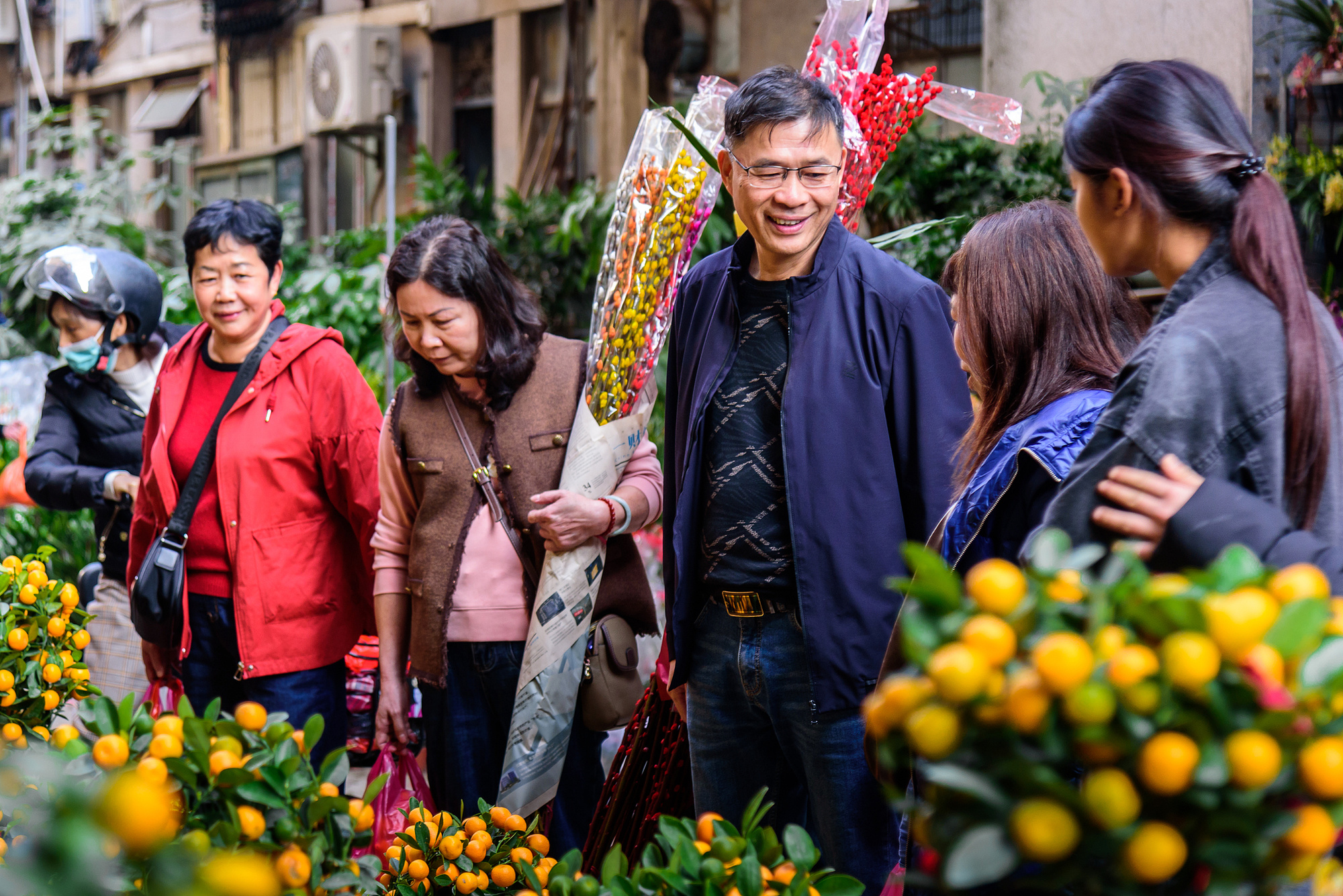
年画里的“妖怪”
Xin Lang Cai Jing· 2026-02-20 07:15
Group 1 - The article discusses the significance of traditional Chinese New Year paintings, known as "nianhua," which are widely appreciated for their cultural and aesthetic value, often depicting auspicious themes and folklore [2] - Nianhua has a broad geographical distribution across China, with notable production areas including Suzhou, Tianjin, and Hebei, and it has influenced art in countries like Korea, Japan, and Vietnam since the Song Dynasty [2] - The article highlights the cultural meanings and collective memories associated with the depictions of mythical creatures in nianhua, particularly focusing on the representation of "yaoguai" (monsters) that are integral to festive celebrations [2] Group 2 - The story of Zhong Kui, a legendary figure known for his ability to capture ghosts, is recounted, emphasizing his significance in Chinese folklore and the tradition of hanging his images during festive occasions to ward off evil spirits [4] - The "kuitou" or "Zhong Kui's head" paintings are simplified representations of Zhong Kui, often used as door gods to protect homes during the New Year, reflecting the belief that his fierce appearance can scare away malevolent entities [5] - The "Mouse Wedding" theme in nianhua is explored, showcasing its popularity and the cultural narratives surrounding it, which may have origins in ancient Indian tales and are reflected in various local customs [7][8] Group 3 - The article describes the fantastical mounts of deities in ancient mythology, illustrating how these mythical creatures enhance the mystique of the gods and their narratives, particularly in the context of the "Investiture of the Gods" [10] - The depiction of the battle between the deities Ran Deng Dao Ren and Zhao Gongming, along with their respective mounts, symbolizes the transcendence of ordinary experiences and the blending of reality with the supernatural [10]

“舌尖上的美味”“指尖上的文创” 浓浓年味儿看得见、摸得着、带得走
Yang Shi Wang· 2026-02-15 07:32
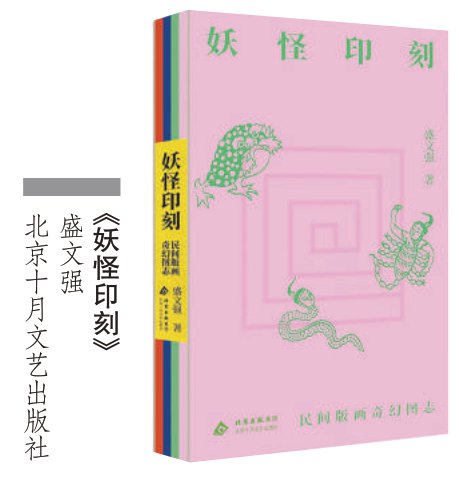
Core Viewpoint - The news highlights the vibrant cultural heritage and festive atmosphere in Quanzhou, Fujian during the Spring Festival, showcasing various traditional customs, foods, and performances that embody the local culture and community spirit [1][3][4]. Group 1: Cultural Heritage and Festivities - Quanzhou is home to 22 UNESCO World Heritage sites, making it a significant cultural hub [1] - The Spring Festival in Quanzhou is characterized by a strong sense of tradition, with locals engaging in rituals that emphasize the importance of community and celebration [3][4] - The bustling atmosphere at the Fuwen Temple Square features markets and intangible cultural heritage performances, reflecting the lively spirit of the New Year [3][11] Group 2: Traditional Foods and Their Significance - Essential foods for the New Year in Quanzhou include various types of rice cakes, which symbolize prosperity and good fortune for the coming year [6][8] - The preparation and consumption of these traditional foods, such as sweet rice cakes and fried snacks, carry auspicious meanings, enhancing the festive experience [6][8] Group 3: Performances and Cultural Activities - The Spring Festival features over 280 street performance events, including traditional dances and interactive lion dances, which engage the audience and promote cultural heritage [11] - The integration of traditional puppetry with modern technology, such as robot dogs, showcases innovation in preserving and presenting cultural heritage [14] Group 4: Tourism and Economic Impact - Quanzhou is expected to attract approximately 2 million visitors during the Spring Festival, indicating a significant boost in local tourism [18] - The city has established 115 intangible cultural heritage experience points and organized over 1,000 activities, enhancing visitor engagement and cultural appreciation [18]
节前看市场:在吃逛中体验年味 “烟火气”里见活力
Yang Shi Wang· 2026-02-13 02:43
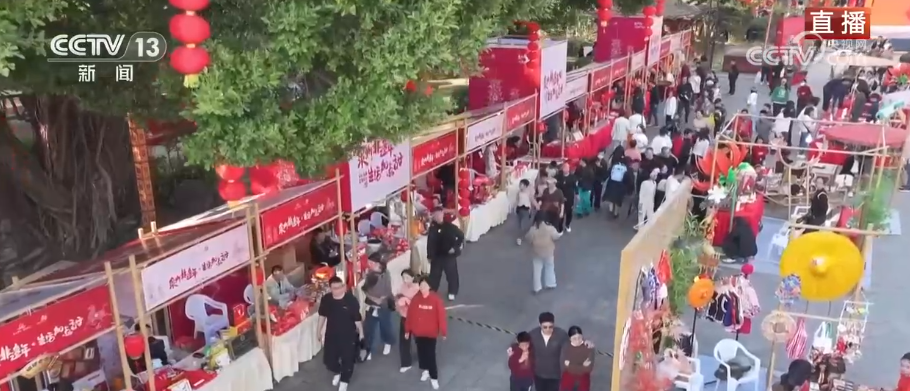
Group 1 - The article highlights the vibrant atmosphere of traditional markets during the Spring Festival, showcasing local culture and commerce [3][5][6] - In Cangnan, Zhejiang, 135 vendors participated in a large market event, attracting over 500,000 visitors and generating more than 10 million yuan in direct consumption [3] - The event featured various cultural performances, including local opera and basketball matches, enhancing the festive spirit [3] Group 2 - In Weinan, Shaanxi, a community Spring Festival gala included performances of traditional songs and local folk arts, attracting significant public interest [5][6] - The event also featured interactive activities and traditional food, providing a comprehensive cultural experience for attendees [7] Group 3 - In Jiangxi Wuyuan, traditional customs such as lantern parades and firework displays were highlighted, showcasing local heritage [9] - The Wuyuan lanterns, particularly the dragon lanterns, symbolize good fortune and are a key part of the local New Year celebrations [9] Group 4 - The ancient city of Datong in Shanxi hosted a colorful lantern festival, featuring 46 themed lantern groups along a 7.24 km stretch of the ancient city wall [10] - The festival attracted numerous tourists and included various local cultural elements, enhancing the festive atmosphere [10][11] Group 5 - In Fujian Zhangzhou, unique handmade cultural products featuring horse motifs for the Year of the Horse gained popularity, reflecting local craftsmanship [12][14] - The cotton paintings of horses, crafted by local artisans, have become a hit, with over 100 pieces sold since the New Year [14] Group 6 - In Guangzhou, the Spring Festival flower market is thriving, with a variety of traditional and modern floral arrangements attracting consumers [15][17] - The market has seen an increase in the variety of orchids and a trend towards smaller, artistic floral arrangements appealing to younger buyers [17]
中国春节活动走进阿联酋校园
Ren Min Ri Bao· 2026-02-11 10:11
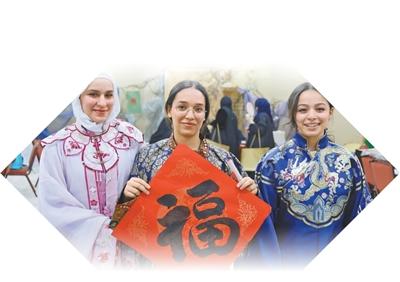
Core Viewpoint - The "Silk Road Gathering: Chinese New Year in Campus" event in the UAE aims to promote Chinese culture and traditions among local students through various engaging activities, enhancing cultural exchange and understanding between China and the UAE [6][7]. Group 1: Event Overview - The event is hosted by the Chinese Consulate in Dubai and has taken place at several universities, including Al Ruwad American University, Fujairah University, and Sharjah American University, showcasing the joy and harmony of the Chinese New Year [6]. - Activities included writing "Fu" characters, printing New Year paintings, making paper cuts, and tea tasting, allowing participants to experience the festive spirit of the Chinese New Year [6]. Group 2: Cultural Activities - Students engaged in traditional crafts such as making "Nianhua" (New Year paintings) and "Qixian" (lacquer fans), learning about their historical significance and techniques [6][7]. - A stage performance of the Hanfu drama "Qunwo Yan" captivated students, highlighting the beauty of Chinese culture through music and dance, depicting ancient Chinese gatherings [6][7]. Group 3: Educational Impact - The event is seen as a means to enrich students' educational experiences, fostering mutual learning and understanding between Chinese and Emirati youth [7]. - The Chinese Consul General emphasized the event's role in promoting harmony, dialogue, and cultural resonance, reflecting the spirit of the Silk Road and the traditions of the Chinese New Year [6][7].
年味儿在哪里?在古城老街 在非遗年画 在代代相传
Yang Shi Wang· 2026-02-10 16:21
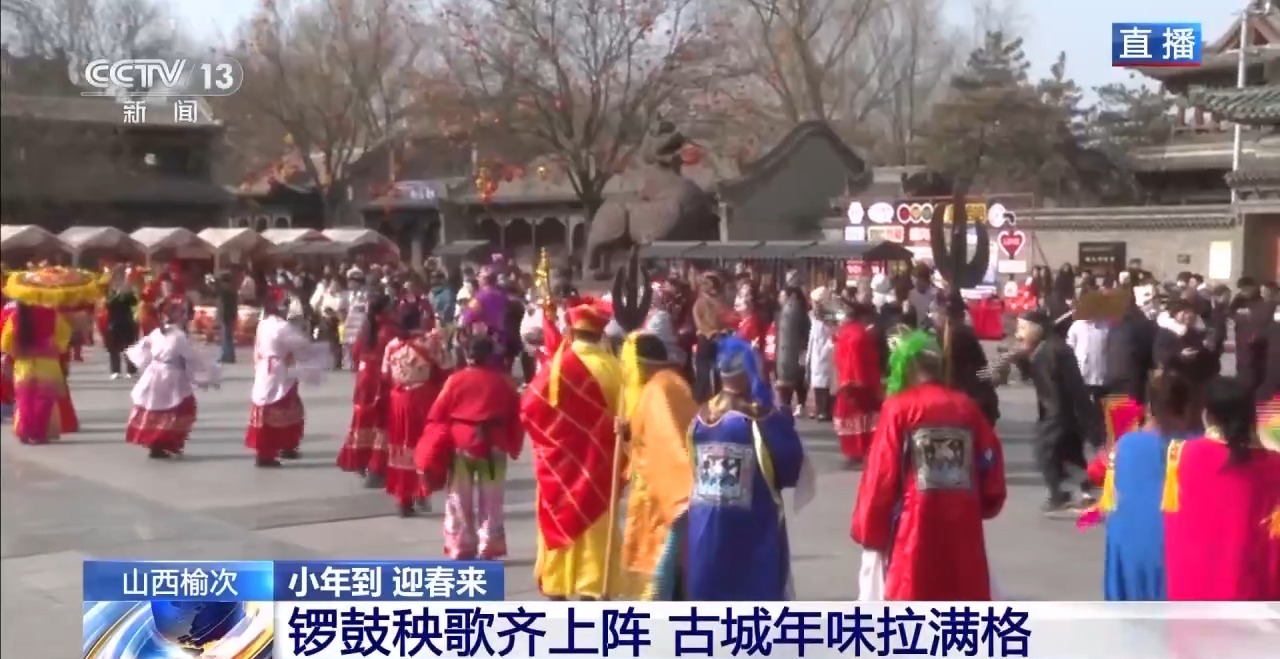
Group 1 - The article highlights the cultural significance of the "Little New Year" (小年) in China, marking the beginning of the Lunar New Year celebrations and the various traditional activities associated with it [1] - In Yuci Old Town, Shanxi Province, a series of vibrant activities are organized from the Little New Year to the Spring Festival, including folk performances, traditional foods, and a market for New Year goods [2] - The folk performance featuring drums and yangge dance is a major highlight, showcasing the festive atmosphere and cultural heritage of the region [3] Group 2 - Local delicacies such as salt-fried chicken, flower buns, and oil cakes are featured, with a special recommendation for meatballs made using traditional methods, enhancing the local culinary experience [5] - Traditional crafts like sugar painting and clay figurine making are showcased, evoking childhood memories and adding to the festive spirit [7] - Various handmade crafts, including woodblock New Year paintings and paper-cutting, are available for visitors to experience and participate in [10] Group 3 - The market at the city wall gathers 56 local specialty vendors, offering a one-stop shop for traditional New Year goods, including local products and decorations [11] - In Wuqiang, Hebei Province, the New Year painting museum allows visitors to experience the cultural significance of New Year paintings, which are believed to bring peace and prosperity [12][13] - The museum features a vibrant street for purchasing New Year paintings, with a historical background dating back to the Song and Yuan dynasties, recognized as a national intangible cultural heritage [15] Group 4 - The article emphasizes the rich themes of Wuqiang New Year paintings, which often include symbols of good fortune and blessings, reflecting the hopes of the local community [17] - Visitors can engage in hands-on experiences of New Year painting production, learning about the traditional techniques and materials used [18] - The museum hosts a series of activities during the Little New Year, allowing participants to engage in traditional customs such as pasting door gods and window flowers [19][21]
寻画记:给落单年画找“另一半”
Xin Lang Cai Jing· 2026-02-06 00:22
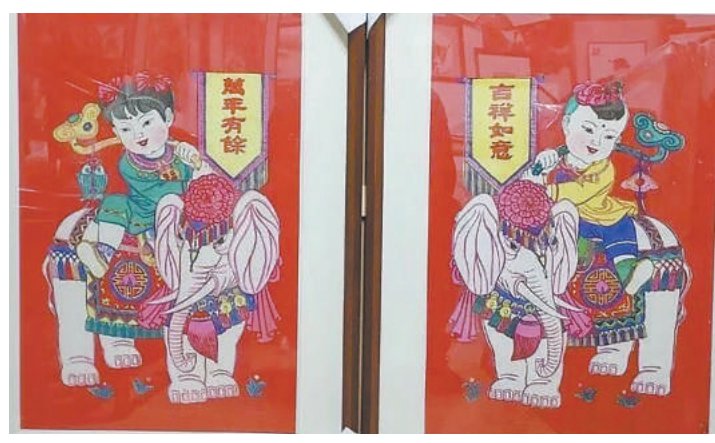
Core Viewpoint - The article discusses the passion for collecting traditional Chinese woodblock New Year paintings, emphasizing the emotional journey of seeking out lost pieces to complete sets, which reflects a deeper connection to cultural heritage and personal memories [2][3][4][5]. Group 1: Collection Journey - The author highlights the extensive effort taken by a collector, Mr. Wei Li, who spent five years researching and documenting the history of artists from ancient to modern times, culminating in a significant work titled "Seeking Paintings" [2]. - The process of collecting is described as a blend of anticipation and nostalgia, where the search for missing pieces becomes a personal quest, akin to a "matching" endeavor rather than a systematic historical pursuit [2][3]. - The joy of reuniting lost pieces, such as the "吉祥如意 万年有余" door paintings, is likened to the happiness of reuniting with an old friend, illustrating the emotional significance of these artworks [3]. Group 2: Cultural Significance - The article emphasizes that woodblock New Year paintings are a substantial part of Chinese folk art heritage, with the collector expressing a deep appreciation for their historical and cultural value [4]. - The narrative suggests that the act of searching for these artworks is not merely about possession but also about preserving and continuing a cultural memory, making the collector a part of the ongoing story of these pieces [5]. - The contrast between newly printed pieces and the charm of aged artworks is noted, with the latter carrying the weight of time and history, enhancing their appeal [5].
年味拉满!年节经济涌动消费新潮流
Yang Guang Wang· 2026-01-28 07:59
Core Insights - The Chinese New Year consumption market is experiencing significant growth and innovation this year, with new consumption scenarios and trends emerging [1][2][3] Group 1: Market Trends - The flower market is thriving, with new domestic varieties like Amaryllis and artificially cultivated orchids gaining popularity, contributing to the "flower economy" valued in the billions [1] - Traditional "supply and marketing New Year goods fairs" are attracting large crowds, with events like the Jiangsu New Year goods festival seeing over 100,000 visitors in a single day [2] - The integration of electronic consumption vouchers by local governments is enhancing consumer engagement and driving foot traffic to physical markets [2] Group 2: Consumer Behavior - Families are increasingly interested in capturing memories through family portraits during the New Year, with the family photo business growing over 30% annually [3] - New consumption highlights include family outings to cinemas for festive films and personalized services like home photography, reflecting a shift towards experiential and service-oriented consumption [3] - The evolving consumer preferences indicate a trend towards personalized, quality, and experience-driven purchases, moving from mere product consumption to a focus on cultural and emotional value [3]
好评中国丨年味拉满!年节经济涌动消费新潮流
Yang Guang Wang· 2026-01-28 05:10
Core Insights - The Chinese New Year consumption market is particularly vibrant this year, showcasing new consumption scenarios, business models, and innovative practices that reflect the robust vitality of the festive economy [1] Group 1: Flower Market - The flower market is entering a peak sales season, with popular domestic varieties like Amaryllis and artificially cultivated orchids gaining favor due to their affordability and auspicious meanings [1] - The "fresh flower economy," valued in the billions, is particularly prominent during the New Year flower season, adding warmth and novelty to the festive economy [1] Group 2: Traditional Markets and Local Products - Traditional "New Year goods fairs" are thriving nationwide, supported by electronic consumption vouchers to attract customers, with notable regional events like the "Winter Fishing Festival" in Northeast China and the "Mountain Lake Goodies" in Qinghai [3] - Local traditional products, such as painted gourds symbolizing good fortune and woodblock New Year paintings, are gaining popularity alongside trendy zodiac-themed toys [3] Group 3: Cultural Experiences and Events - The bustling atmosphere of traditional markets includes live cooking of famous local foods, cultural performances, and interactive experiences that resonate with consumers, especially the younger demographic [4] - The Ministry of Commerce reported that last year's key events for traditional brands generated over 5 billion yuan in direct sales and stimulated more than 16 billion yuan in online and offline consumption [4] Group 4: Family Activities and New Trends - Families are increasingly interested in capturing memories through family portraits, with the business growing over 30% annually, reflecting a trend towards personalized and emotional experiences [5] - New consumption highlights include family outings to cinemas for festive films, traveling for unique New Year experiences, and customized beauty services, indicating a shift towards experiential consumption [5] Group 5: Consumer Trends - The evolving consumption landscape reflects a shift from product consumption to service and experiential consumption, emphasizing cultural significance, emotional value, and spiritual satisfaction [7] - The interaction between innovative supply and changing consumer demand is fostering a positive cycle, laying a strong foundation for consumption growth throughout the year [7]