
刘氏竹编

Search documents
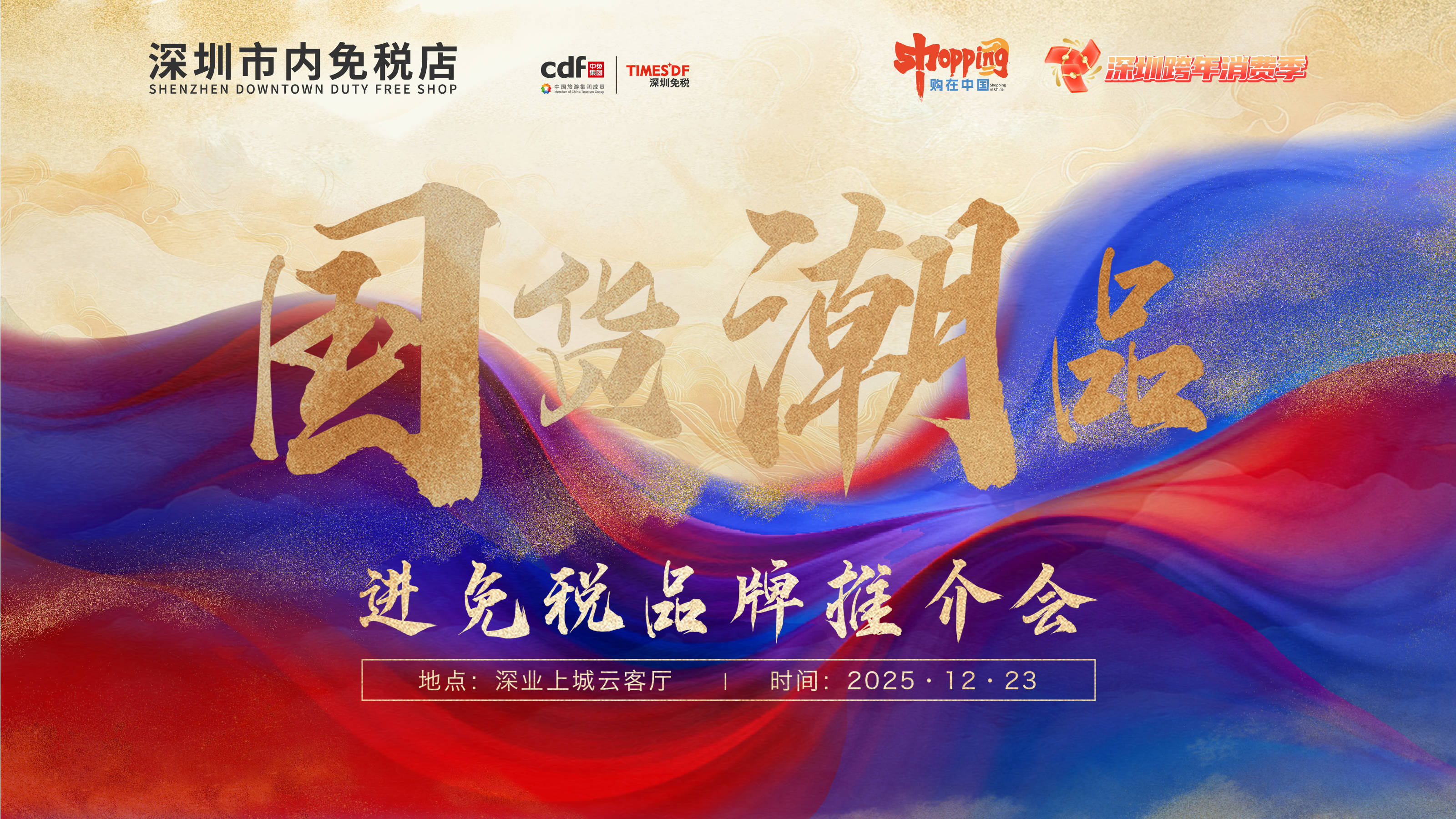
政策赋能国潮出海 经验引领行业发展——“国货潮品”进免税品牌推介会圆满召开
Sou Hu Cai Jing· 2025-12-24 04:18
Core Viewpoint - The event held on December 23 in Shenzhen aimed to promote domestic brands in duty-free shops, highlighting the collaboration between government and industry to enhance the international presence of Chinese products and stimulate new consumption dynamics in the duty-free sector [3][4]. Group 1: Policy and Brand Promotion - The Ministry of Commerce announced the first batch of 174 domestic brands included in the duty-free shop promotion list, covering 19 product categories and representing 26 provinces, which will serve as a reference for duty-free enterprises in product selection [4]. - The initiative aligns with the "Special Action Plan to Boost Consumption" and aims to empower domestic brands to enter international markets, enhancing their global influence [4][27]. Group 2: Industry Development and Experience Sharing - Shenzhen, as a pilot city for the duty-free shop policy, has developed a three-dimensional operational model combining duty-free, tax refunds, and taxable sales, effectively addressing challenges faced by domestic products in entering duty-free channels [6]. - The event featured representatives from various brands sharing their experiences and innovations, emphasizing the need for high-quality products and services tailored to the duty-free shopping experience [10][13]. Group 3: Cultural and Economic Impact - The promotion of domestic products in duty-free shops is seen as a crucial step in implementing national policies, expanding domestic demand, and enhancing the competitiveness of Chinese brands [27]. - The initiative not only aims to connect domestic products with international markets but also to meet domestic consumer demand for high-quality goods, thereby supporting the strategy to expand domestic consumption [27].

非遗文化焕新生
Jin Rong Shi Bao· 2025-09-16 02:15
Core Insights - The establishment of the "Intangible Cultural Heritage Industry Chain Financial Service Alliance" by the People's Bank of China in Dazhou aims to address the challenges of protecting, inheriting, and monetizing intangible cultural heritage [1][2] Group 1: Financial Support for Intangible Cultural Heritage - The financial services provided by the People's Bank of China have revitalized three representative intangible cultural heritage projects in Dazhou: Liu's Bamboo Weaving, Dongliu Fermented Rice, and Lantern Shadow Beef, enhancing both cultural and economic value [1] - The bank has implemented various financial measures to support the bamboo weaving industry, including a "credit + guarantee" model for individual artisans with a maximum credit of 5 million yuan and a "credit + industry chain guarantee" model for leading enterprises with a maximum credit of 10 million yuan [3][4] - A special loan of 80 million yuan was issued to support the bamboo seedling industry project, facilitating the establishment of a 20,000-acre quality bamboo seedling base along the river [3] Group 2: Revitalization of Traditional Crafts - Liu's Bamboo Weaving, recognized as a national intangible cultural heritage, faces challenges such as long production cycles and slow returns, which have been alleviated through financial support [2][3] - Dongliu Fermented Rice, with a history dating back to the Han Dynasty, has benefited from over 300 million yuan in loans and funds for technical upgrades, increasing production capacity to 65,000 tons annually [4] - The company producing Lantern Shadow Beef has received 130 million yuan in loans, enabling the establishment of a BRCGS EU-certified workshop and increasing annual production capacity to 300 million yuan, with a brand valuation of 11.158 billion yuan [6]