食品加工业

Search documents
成本洼地+政策利好,柬埔寨解锁中企海外投资新路径
36氪· 2026-03-31 14:37
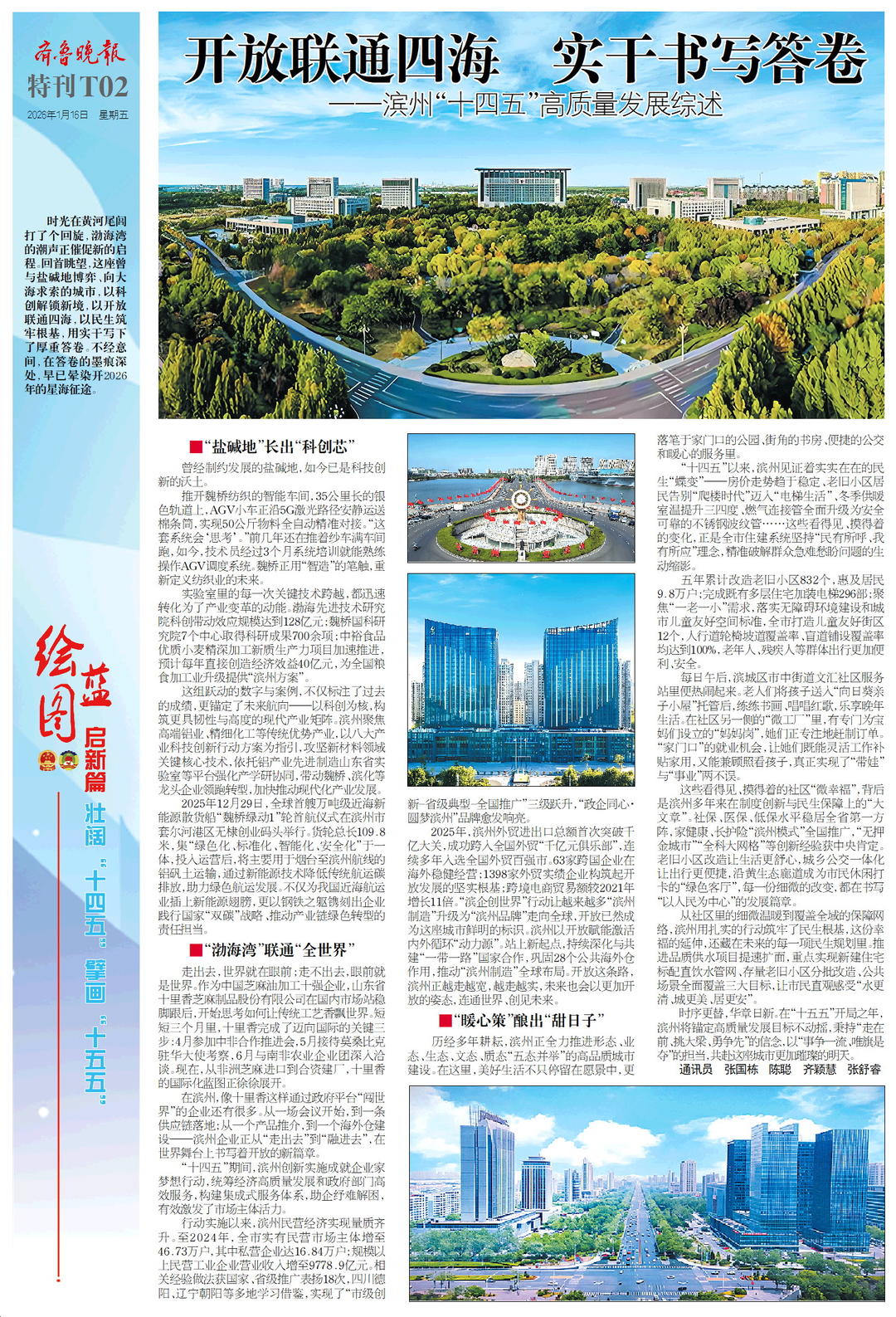
Core Viewpoint - Increasing number of Chinese companies are relocating factories to Cambodia due to lower operational costs and favorable investment conditions [1][2] Group 1: Investment Trends - Chinese companies such as Hongdou Group, Yanjinpuzi, and Petty Pet have established manufacturing bases in Cambodia, with significant investments in textiles and food processing [1] - In recent years, tire manufacturers like Shandong New Continental and Qingdao Doublestar have also set up production facilities in Cambodia, highlighting the trend of Chinese firms moving operations to the region [1] - China has become the largest source of foreign investment in Cambodia, with projected investments reaching $5.42 billion by 2025, accounting for 54.25% of Cambodia's total foreign investment [1] Group 2: Investment Environment - The Cambodia Investment Matching Conference held in Hangzhou focused on investment opportunities and key challenges for companies entering the Cambodian market [1][2] - The event featured discussions on Cambodia's market policies and business environment, with representatives from various industries sharing insights on practical aspects of establishing operations [1][2] - Cambodia offers significant tariff advantages for exports to major markets like the EU, the US, and Japan, with some products enjoying zero tariffs [2] Group 3: Strategic Advantages - The Boeck Economic Zone in Cambodia, covering 153 hectares, aims to create a low-pollution, multi-industry integrated park, attracting projects in pet food, textiles, hardware, and furniture [2][3] - Despite rising land and labor costs, Cambodia remains a "blue ocean" market compared to Vietnam and Thailand, with clear tariff advantages and a favorable financial environment [3] - The event provided a platform for companies to gain a comprehensive understanding of Cambodia's investment landscape, promoting information exchange and resource sharing for better international expansion [3]

(新春走基层)贵州三穗:开足马力赶订单 全力冲刺“开门红”
Xin Lang Cai Jing· 2026-02-23 11:27
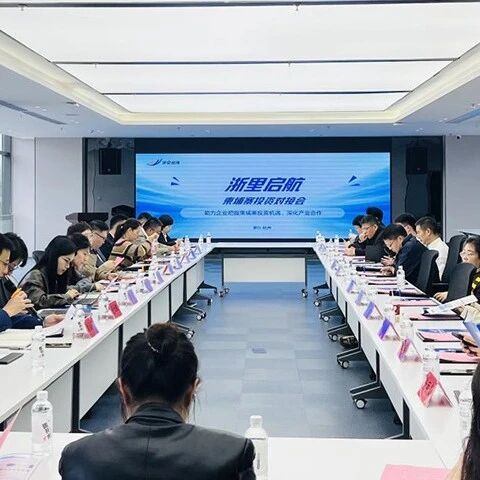
Group 1 - The article highlights the resumption of operations in various enterprises within the Guizhou San Sui Economic Development Zone on February 23, marking the start of the new lunar year with a focus on achieving a strong performance in the early part of the year [2][4][6] - Workers are actively engaged in producing seamless knitted clothing for both domestic and international markets, indicating a robust demand for these products [2][4][6] - The production environment is described as orderly and busy, reflecting a commitment to meeting production targets and fulfilling orders promptly [2][7][9] Group 2 - In addition to clothing, a food enterprise in the same region is also producing San Sui duck egg products, showcasing the diversity of manufacturing activities in the area [7][9]
图们:江上春来|故乡里的中国
经济观察报· 2026-02-17 01:26
Core Viewpoint - The article highlights the transformation of Tumen, a border city, from a historical trade hub to a modern tourist destination, emphasizing its resilience and desire to redefine its identity amidst changing times [1][4]. Historical Context - Tumen, once a bustling trade center due to its railway connections, became a significant logistics node in Northeast Asia after the Tumen-Nanyang International Railway Bridge opened in 1933, facilitating trade in goods like soybeans, timber, and daily necessities [9][11]. - The "Gongxinchang" building, established in the 1930s, served as a commercial hub and a symbol of Tumen's economic prosperity, witnessing a peak where trade volume accounted for over 70% of the region's total [11][12]. Current Economic Landscape - The Tumen border area has seen a resurgence in tourism, with visitors flocking to the "86th boundary marker" for photos, which has revitalized local businesses in dining, accommodation, and retail [27][31]. - A new folk industry park is under construction, representing the largest recent investment project in Tumen, aiming to blend cultural experiences with local product processing [28]. - Local farmers are adapting to modern agricultural practices, utilizing e-commerce to sell organic rice at significantly higher prices than conventional rice, transforming the region's agricultural landscape [28]. Trade Dynamics - The Tumen port is evolving from a bulk commodity distribution center to a more flexible and fragmented trade channel, with an increase in cross-border e-commerce and diverse goods being traded [36][38]. - The types of goods exported to North Korea have diversified, with a notable rise in small commodities and electronic parts, while imports from North Korea continue to include seafood, which remains a vital supply source for the national market [36][37]. Future Prospects - Tumen is undergoing infrastructure upgrades to enhance its border port capabilities, aligning with broader initiatives like the Belt and Road Initiative, indicating a strategic shift towards greater connectivity and trade facilitation [38].

台美所谓“对等贸易协议”被指为“进贡单”
Xin Lang Cai Jing· 2026-02-14 08:18
Core Viewpoint - The recent signing of the "reciprocal trade agreement" between Taiwan and the U.S. is perceived as a one-sided concession rather than a true equal partnership, leading to significant risks for Taiwan's economy and industries [1][2]. Group 1: Economic Impact - Taiwan has committed to zero tariffs on over 6,000 agricultural and industrial products imported from the U.S. in exchange for reduced tariffs on exports to the U.S. [1] - The agreement includes a substantial investment commitment from Taiwan to the U.S., which raises concerns about the potential loss of key technologies and the relocation of the semiconductor industry, threatening local investment and employment [1]. - The agreement exposes Taiwan to the risk of industrial hollowing out, as reliance on a single market increases, limiting future industrial development opportunities [1]. Group 2: Agricultural Sector Concerns - Taiwan is required to significantly relax import restrictions on U.S. agricultural products, including previously banned beef products due to health concerns, which could compromise food safety and give U.S. products an unfair competitive advantage in the Taiwanese market [1]. - The agricultural sector in Taiwan, which has been facing a trade deficit with the U.S., is further pressured to open its market, potentially harming local agriculture and food processing industries [1]. Group 3: Political Context - The negotiation process is characterized by a "salami-slicing" approach, where the ruling Democratic Progressive Party (DPP) gradually releases information, framing the agreement as a political victory while masking its detrimental effects on various industries [2]. - The essence of the negotiations is described as a form of tribute rather than trade, highlighting the DPP's subservience to U.S. interests and the strategic timing of the agreement's announcement to avoid public scrutiny [2].
1月份越南工业生产指数同比增长21.5%
Shang Wu Bu Wang Zhan· 2026-02-11 17:36
Core Viewpoint - Vietnam's industrial production index (IIP) experienced a significant year-on-year growth of 21.5% in January, indicating a robust recovery and expansion in various sectors [1] Group 1: Overall Industrial Growth - The manufacturing sector saw a remarkable growth of 23.6% year-on-year [1] - The electricity production and distribution sector grew by 14.1% [1] - Water supply, waste management, and sewage treatment increased by 13.6% [1] - The mining sector recorded a growth of 10.3% [1] Group 2: Key Industrial Segments - Non-metallic mining exhibited the fastest growth rate at 41.9% [1] - The automotive manufacturing sector grew by 36.6% [1] - Metal manufacturing increased by 35.4% [1] - The chemical and chemical products industry saw a growth of 35.2% [1] - The paper industry grew by 31.9% [1] - Beverage production increased by 26.1% [1] - The rubber and plastics sector grew by 25.8% [1] - Tobacco manufacturing saw a growth of 25.6% [1] - The apparel industry increased by 25.3% [1] - Wood processing and bamboo, rattan industries grew by 21.7% [1] - Electrical equipment manufacturing increased by 21.1% [1] - The production of electronic products, computers, and optical products grew by 20.9% [1] - The food processing industry saw a growth of 17.7% [1]
味知香:公司将持续推进品牌建设与产品创新,研发更契合家庭及餐饮客户需求的好产品
Zheng Quan Ri Bao Wang· 2026-02-10 14:13
Core Viewpoint - The company emphasizes product quality and consumer trust as its top priorities for development [1] Group 1: Product Strategy - The company is committed to continuous brand building and product innovation to meet the needs of family and restaurant customers [1] - The company aims to develop high-quality products that align with consumer demands [1] Group 2: Supply Chain and Transparency - The company is focused on optimizing and upgrading supply chain transparency [1] - The company intends to showcase the high quality of its products to consumers through multiple channels [1]

农行济南港西支行创新金融服务助力实体经济发展
Qi Lu Wan Bao· 2026-02-01 14:45
Core Viewpoint - Agricultural Bank of China (ABC) Jinan Port West Branch is enhancing support for small and micro enterprises through innovative service models and optimized business processes, contributing significantly to regional economic development [1] Group 1: Financial Services Innovation - The branch successfully issued a "Mortgage e-loan" to a food processing company, demonstrating its commitment to serving the real economy [1] - The loan approval process was completed in just 72 hours, showcasing the bank's efficient service and ability to meet urgent financing needs [1] Group 2: Client-Centric Approach - The branch actively engages with local small and micro enterprises to understand their needs, providing dedicated customer managers for "one-stop" financing services [1] - This proactive approach significantly reduces loan approval and disbursement times, aligning with the financing characteristics of small and micro enterprises [1] Group 3: Economic Impact - As a key financial player in local economic development, ABC Jinan Port West Branch aims to provide "financial lifeblood" to small enterprises, thereby fostering high-quality regional economic growth [1]

青山区:服务型监管让企业经营更规范
Xin Lang Cai Jing· 2026-01-25 19:17
Group 1 - The core viewpoint of the news is the establishment of a "health check-style regulation and service-oriented law enforcement" model in Qingshan District, which enhances regulatory efficiency and enterprise satisfaction by shifting the focus from post-event punishment to proactive prevention and from broad inspections to precise assessments [1][2] Group 2 - Institutional innovation is key to addressing traditional regulatory bottlenecks, with the Qingshan District Market Supervision Administration clarifying inspection project lists and standardizing regulatory processes to form an efficient institutional framework [2] - In the food safety sector, a closed-loop mechanism of "problem ledger - rectification notice - follow-up review" has been established to continuously upgrade regulatory efficiency, focusing on core risk points such as kitchen hygiene and food additive usage [2] - For special equipment usage units, core indicators like production standard compliance and regular equipment inspections are detailed, encouraging the use of new technologies such as IoT monitoring [2] - In the platform economy, law enforcement focuses on issues like monopoly, unfair competition, and false advertising, strengthening administrative guidance for enterprises and creating a protective wall for innovation development through precise risk identification [2] Group 3 - The innovative institutional framework breaks the "one-size-fits-all" regulatory dilemma, while the flexible measures of service-oriented law enforcement provide both strength and warmth to regulation [3] - Qingshan District has established a full-chain flexible support service of "commitment rectification + restoration," simplifying the credit restoration process for enterprises that rectify non-intentional violations in a timely manner [3] - The district aims to further deepen service-oriented regulation, refine handling standards for different industries and violations, and integrate digital and smart regulatory models to enhance the precision and warmth of law enforcement [3]
广货行天下 全球开“利是”
2 1 Shi Ji Jing Ji Bao Dao· 2026-01-23 03:31
Core Insights - The article emphasizes the integration of cultural elements into the global marketing strategy of Guangdong products, using the concept of "Li Si" as a cultural symbol to enhance emotional connections with consumers worldwide [1][2][11] - It highlights the transition from a focus on manufacturing scale and efficiency to a narrative that includes emotional and cultural dimensions, positioning Guangdong products as not just goods but as carriers of cultural significance [5][8][11] Group 1: Hard Currency of Guangdong Products - Guangdong products represent a significant portion of China's global manufacturing, with the Greater Bay Area's smart home appliance industry accounting for nearly 30% of the global market [3] - The region's products, such as electronics and traditional foods, are characterized by stringent quality standards, which serve as a passport to international markets [3][4] - Guangdong's manufacturing prowess is evident in various sectors, including consumer electronics and textiles, with a notable share of national exports [3][4] Group 2: Emotional Branding and Cultural Significance - The concept of "Nian Huo" (New Year goods) is evolving into a cultural and emotional branding tool, with Guangdong's agricultural exports leading the nation in value [5][6] - The emotional aspect of these products is crucial, as they are seen as symbols of cultural connection and tradition, enhancing their appeal in international markets [6][8] - Innovative marketing strategies, such as storytelling and cultural narratives, are being employed to resonate with global consumers, transforming products into meaningful gifts [9][10] Group 3: Media+ Ecosystem for Global Reach - The "Media+" initiative is being developed to create a comprehensive ecosystem that connects Guangdong products with global consumers, enhancing the efficiency of supply and demand [9][10] - This platform aims to facilitate storytelling and cultural exchange, making Guangdong products more relatable and desirable in international markets [9][10] - The initiative also addresses practical challenges faced by small and medium enterprises in exporting, providing them with tools and networks to navigate global markets [10][11]
开放联通四海 实干书写答卷——滨州“十四五”高质量发展综述
Qi Lu Wan Bao· 2026-01-16 01:48
Core Viewpoint - The city of Binzhou is transforming from a saline-alkali land into a hub of technological innovation and open trade, focusing on enhancing its industrial matrix and improving the quality of life for its residents, with a vision extending towards 2026 [1][10]. Group 1: Technological Innovation - The previously limiting saline-alkali land has become fertile ground for technological innovation, exemplified by the intelligent workshop of Weiqiao Textile, where AGV vehicles operate along a 35-kilometer track using 5G technology for automated material handling [3][11]. - The Bohai Advanced Technology Research Institute has generated a technological innovation effect worth 12.8 billion yuan, while Weiqiao's research centers have produced over 700 scientific achievements [3][11]. - The project by Zhongyu Food for deep processing of high-quality wheat is expected to create an annual economic benefit of 4 billion yuan, contributing to the upgrade of the national grain processing industry [3][11]. Group 2: Green Shipping Initiatives - The launch of the world's first 10,000-ton offshore new energy bulk carrier, "Weiqiao Green Movement 1," marks a significant step in reducing carbon emissions in traditional shipping through the use of new energy technologies [4][12]. - This vessel, measuring 109.8 meters in length, will primarily transport aluminum ore between Yantai and Binzhou, showcasing the company's commitment to the national "dual carbon" strategy [4][12]. Group 3: International Trade and Economic Growth - Binzhou's foreign trade reached a record high, surpassing 100 billion yuan for the first time, entering the national "100 billion club" and maintaining its position among the top foreign trade cities in China [5][14]. - The number of private market entities in Binzhou is projected to reach 467,300 by 2024, with private enterprises accounting for 168,400 of that total, reflecting a significant increase in the local economy [5][14]. - Cross-border e-commerce trade has surged, increasing 11 times compared to 2021, indicating a robust growth in international trade activities [5][14]. Group 4: Community and Quality of Life Improvements - Binzhou has implemented various initiatives to enhance the quality of life, including the renovation of 832 old residential communities benefiting 98,000 households, and the installation of 296 elevators in existing multi-story buildings [8][15]. - The city has focused on creating child-friendly spaces and improving accessibility for the elderly and disabled, achieving 100% coverage for wheelchair ramps and blind paths [8][15]. - Community programs have been established to provide employment opportunities for parents, allowing them to balance work and family responsibilities effectively [9][16]. Group 5: Future Development Goals - As Binzhou enters the "14th Five-Year Plan" period, it aims to maintain a steadfast commitment to high-quality development, emphasizing innovation and collaboration between government and enterprises [17].