北海布伦特原油期货

Search documents
亚洲原油涨价至2.4倍,涨幅远超欧美
日经中文网· 2026-03-23 08:00
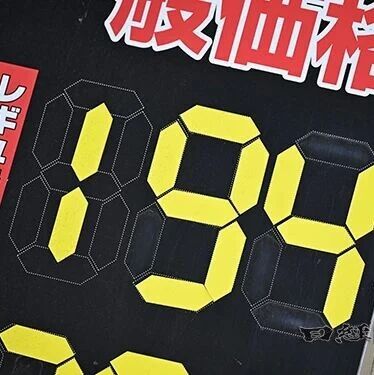
Core Viewpoint - The article discusses the significant increase in oil prices, particularly for Middle Eastern crude oil, due to geopolitical tensions, and highlights the implications for Japan's energy procurement and economic burden [2][4][5]. Group 1: Oil Price Trends - As of March 19, the spot price of Middle Eastern Dubai crude oil reached $169.8 per barrel, a 12% increase from the previous day and 2.4 times higher than the price before the U.S. and Israel's attack on Iran [4][5]. - The price of Dubai crude oil has hit the highest level since 1986, with a price difference of $60 to $70 compared to European and U.S. crude oil [4][5]. Group 2: Japan's Oil Dependency - Japan relies on Middle Eastern crude oil for over 90% of its imports, making it difficult to quickly shift to cheaper U.S. or European oil due to existing infrastructure and long-term contracts [5][9]. - The current oil procurement situation in Japan is severe, with a combined government and private sector oil reserve sufficient for 254 days of domestic consumption [8]. Group 3: Government Response and Economic Impact - The price of regular gasoline in Japan reached a historical high of 190.8 yen per liter as of March 16, with government subsidies being reintroduced to mitigate the impact of rising oil prices [7]. - If the price of Dubai crude reaches $200 per barrel, gasoline prices could rise to 294 yen per liter, leading to daily government subsidies of 37 billion yen, totaling approximately 1.1 trillion yen over a month [7]. Group 4: Future Procurement Strategies - Japan is exploring diversification of oil procurement sources, including potential increases in imports from the U.S. and Central America, as discussed in the recent Japan-U.S. summit [9]. - Japanese companies, such as ENEOS, are considering alternative suppliers outside the Middle East, while South Korea is also looking into importing Russian crude oil [9].

霍尔木兹封锁后的世界:关税未消滞胀又近
日经中文网· 2026-03-03 07:45
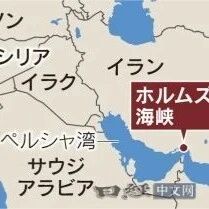
Group 1 - The global economic growth rate is projected to decline to 2.0% by 2026, impacted by geopolitical tensions and rising energy prices, which will affect both Western countries and oil-importing nations like China [2][7]. - The closure of the Strait of Hormuz, a critical oil transport route accounting for 20% of global consumption, has led to significant disruptions in shipping and increased oil prices, with WTI crude oil futures rising approximately 10% to $75 per barrel [4]. - The conflict in the region has resulted in a sharp decrease in LNG shipments, with a reported 80% drop in vessels passing through the Strait, leading to concerns over supply shortages and price surges in Europe [4][6]. Group 2 - The damage to Qatar's LNG facilities due to drone attacks has further exacerbated supply issues, causing European gas prices to spike by 47% to €47.85 per MWh [6]. - If the situation persists, gas prices in Europe and Asia could rise significantly, with predictions of reaching $35 per million BTU, more than tripling from pre-attack levels [6]. - The geopolitical tensions are likely to lead to higher inflation rates, with estimates suggesting that if oil prices reach $115, inflation in the US could hit 5.5% and 3.5% in the Eurozone [7][8].
欧佩克+宣布增产,油价缘何不跌?
日经中文网· 2025-07-08 06:45
Core Viewpoint - The market's reaction to the OPEC+ decision to increase production in August has been muted, with many believing that actual output will not rise as much as announced due to countries like Iraq reducing their production [1][4][5]. Group 1: OPEC+ Production Decisions - OPEC+ announced an increase in production by 548,000 barrels per day in August, which is four times the previously planned increase from March and represents a 33% increase from the production levels of May to July [2][5]. - The market has shown a lack of response to the news of increased production, with WTI crude oil futures dropping by 2% to around $65 per barrel [2][3]. Group 2: Supply and Demand Dynamics - The expectation of increased supply typically leads to price declines; however, the actual production increase has been lower than anticipated, with Iraq's production decreasing by 50,000 barrels per day in May [5][6]. - OPEC+ employs three mechanisms to adjust production, including a coordinated reduction of 2 million barrels per day among all member countries [5][6]. Group 3: Future Market Outlook - Despite the anticipated increase in supply, demand remains strong, particularly in the Middle East during the summer months, with an expected increase in consumption by 400,000 to 500,000 barrels per day in July and August [6][7]. - The potential for oversupply may arise after September, depending on demand peaks and market focus on supply-demand balance, with forecasts suggesting WTI prices could drop to $60 per barrel by the end of 2025 [7].