西德克萨斯中质油(WTI)期货

Search documents
三大因素压制全球股市,4月或仍承压
日经中文网· 2026-03-30 03:10
Group 1 - The global stock market is experiencing a significant downward trend, with the MSCI Global Index down 8% since the military strikes on Iran, marking the largest monthly decline since September 2022 [4] - The energy sector is the only one benefiting from rising oil prices, while other sectors, particularly materials like steel and non-ferrous metals, have seen declines of up to 13% [4][6] - Concerns about inflation and economic slowdown due to high oil prices are leading to fears of "stagflation," with WTI crude oil prices remaining around $100 per barrel [4][6] Group 2 - The capital goods sector has also faced a significant decline of 10%, with companies like GE Aerospace seeing a 17% drop in stock price [6] - The consumer sectors are not immune, with non-essential consumer goods down 10% and essential goods down 8%, reflecting fears of reduced consumer spending due to rising inflation [6] - AI-related stocks are under scrutiny for overheating, with the communication services sector down 10% and major players like Alphabet showing poor performance since 2026 [6][7] Group 3 - The financial sector has seen a 7% decline, with concerns about the quality of loans from non-bank institutions and funds, especially following the bankruptcy of Market Financial Solutions [9] - The Nikkei average has dropped significantly, with a 12% decline from its historical high, reflecting market concerns over the ongoing geopolitical tensions and their impact on corporate earnings [10] - Analysts are adjusting their outlooks, with UBS increasing the probability of oil prices exceeding $120 per barrel to 30%, indicating a potential shift in investment strategies [10]


亚洲原油涨价至2.4倍,涨幅远超欧美
日经中文网· 2026-03-23 08:00
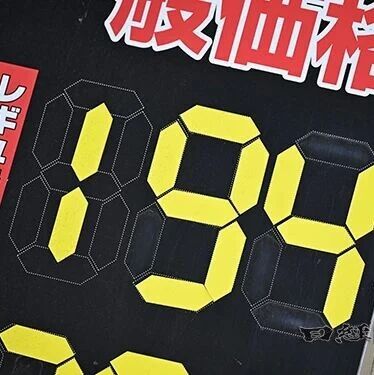
Core Viewpoint - The article discusses the significant increase in oil prices, particularly for Middle Eastern crude oil, due to geopolitical tensions, and highlights the implications for Japan's energy procurement and economic burden [2][4][5]. Group 1: Oil Price Trends - As of March 19, the spot price of Middle Eastern Dubai crude oil reached $169.8 per barrel, a 12% increase from the previous day and 2.4 times higher than the price before the U.S. and Israel's attack on Iran [4][5]. - The price of Dubai crude oil has hit the highest level since 1986, with a price difference of $60 to $70 compared to European and U.S. crude oil [4][5]. Group 2: Japan's Oil Dependency - Japan relies on Middle Eastern crude oil for over 90% of its imports, making it difficult to quickly shift to cheaper U.S. or European oil due to existing infrastructure and long-term contracts [5][9]. - The current oil procurement situation in Japan is severe, with a combined government and private sector oil reserve sufficient for 254 days of domestic consumption [8]. Group 3: Government Response and Economic Impact - The price of regular gasoline in Japan reached a historical high of 190.8 yen per liter as of March 16, with government subsidies being reintroduced to mitigate the impact of rising oil prices [7]. - If the price of Dubai crude reaches $200 per barrel, gasoline prices could rise to 294 yen per liter, leading to daily government subsidies of 37 billion yen, totaling approximately 1.1 trillion yen over a month [7]. Group 4: Future Procurement Strategies - Japan is exploring diversification of oil procurement sources, including potential increases in imports from the U.S. and Central America, as discussed in the recent Japan-U.S. summit [9]. - Japanese companies, such as ENEOS, are considering alternative suppliers outside the Middle East, while South Korea is also looking into importing Russian crude oil [9].
“支持特朗普”的高市访美,面临压力
日经中文网· 2026-03-19 02:50
Group 1 - The core viewpoint of the article highlights Japan's strategic visit to the U.S. as an opportunity to strengthen alliances, particularly in the context of shared concerns regarding China and the Middle East situation [2][4][5] - Japanese Prime Minister Kishi Nobuo's visit coincides with heightened tensions following U.S. and Israeli attacks on Iran, shifting the focus of discussions to responses to the Middle East crisis [5][6] - The Japanese government views this visit as a chance to solidify its alliance with the U.S., especially in light of President Trump's call for allies to contribute to security in the Strait of Hormuz [4][5] Group 2 - Prime Minister Kishi expressed the need for discussions based on Japan's perspective and emphasized the importance of quickly de-escalating the situation in the Middle East [4][5] - The response from allied nations has been lukewarm, with many expressing reluctance to engage in military actions, which has increased Trump's anxiety about international support [6][7] - Internal discord within the Trump administration regarding the attack on Iran has emerged, with key officials resigning over differing views on military intervention [7]

日元兑美元跌破160日元的预期加强
日经中文网· 2026-03-13 03:08
Core Viewpoint - The Japanese yen is depreciating against the US dollar, with market expectations for intervention by the Japanese government and central bank being low. Current conditions do not seem to meet the criteria for intervention as outlined in the joint statement by the US and Japan's finance ministers in September 2025, which states that intervention should only be used to address excessive and disorderly fluctuations in exchange rates [2][6]. Group 1: Current Exchange Rate Situation - The yen has recently depreciated to around 160 yen per dollar, with a notable drop to 159 yen on March 12, marking the lowest level since January 14 [4]. - Market participants are closely monitoring whether the Japanese government and central bank will intervene as the yen approaches critical levels, specifically 160 yen and 162 yen, which are seen as intervention thresholds [4][6]. Group 2: Intervention Expectations - There is a prevailing belief that even if the yen reaches 160 yen per dollar, authorities may not take action, potentially relying on verbal intervention rather than actual market intervention [4][6]. - Concerns about intervention have not increased unexpectedly, as many believe the current depreciation of the yen does not meet the criteria for intervention, which requires evidence of excessive or disorderly fluctuations [6][10]. Group 3: Factors Influencing Yen Depreciation - The depreciation of the yen is largely attributed to macroeconomic factors, particularly rising oil prices due to geopolitical tensions in the Middle East, which have led to increased demand for dollars [6][10]. - The current trade deficit in Japan, driven by energy imports, is expected to exacerbate the selling pressure on the yen, further contributing to its depreciation [6][10]. Group 4: Market Sentiment and Speculation - The speculative positions in the yen are currently low, with net short positions held by non-commercial entities being relatively small compared to historical levels [6][7]. - In contrast, during previous interventions, speculative positions were significantly higher, indicating that the current market environment may not warrant intervention [7][10]. Group 5: Moving Averages and Intervention Criteria - Historical intervention has typically occurred when the yen's exchange rate deviated significantly from moving averages, specifically when it strayed 20-30% from the 5-year moving average or more than 5% from the 120-day moving average [8][10]. - Currently, the yen's deviation from these averages does not suggest excessive depreciation, with the 5-year moving average at 139 yen and the 120-day moving average indicating a threshold of 162 yen [10].