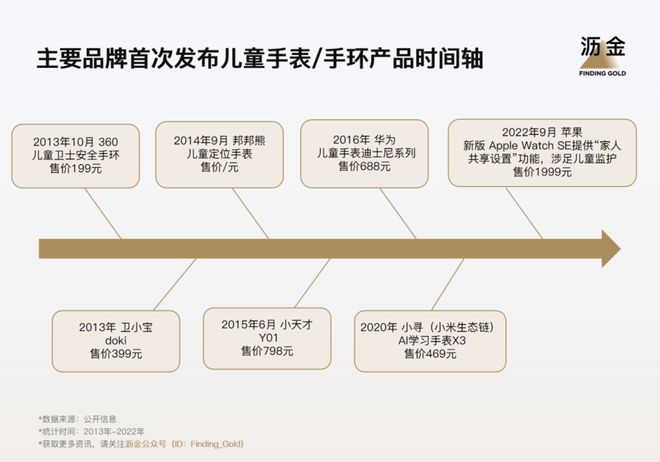
华为儿童手表

Search documents
150美元,TCL出海做了块儿童手表桌面机
3 6 Ke· 2026-02-06 04:07
Core Viewpoint - TCL has introduced the "TCL Tbot," a children's smartwatch that functions as a desktop robot, designed to provide companionship and various interactive features for children [1][4]. Product Features - Tbot is not just a smartwatch; it comes with a smart base that allows it to accompany children throughout the day [4]. - It includes functionalities such as AI guardianship, AI learning companion, AI chat interaction, and image recognition [4]. - The device offers features like bedtime story narration and sleep quality analysis [4]. Usage Scenarios - Tbot's application spans both outdoor and indoor environments, fulfilling health and safety needs when outside and serving as a small display inside [5]. - The smartwatch's face acts as a mini display, while the base unit includes a small sensor for user behavior recognition [5]. - The design allows for flexible customization, enabling children to personalize their Tbot [5]. Market Position - Priced at $150 (approximately 1040 RMB), Tbot is positioned in the mid-to-high range of the domestic children's smartwatch market [10]. - Data indicates that the 300-600 RMB price range accounts for 40.7% of sales in the children's smartwatch segment, reflecting consumer demand for functionality and cost-effectiveness [12]. - The high-end market (800 RMB and above) is experiencing rapid growth, with a year-on-year increase of 151.7%, driven by flagship products from brands like Xiaotianci, Huawei, and Xiaomi [13]. Industry Trends - The period from 2024 to 2025 is expected to be transformative for children's smartwatches as they increasingly integrate AI capabilities [13]. - Competitors are also launching AI-enhanced products, such as 360's children's smartwatch featuring the A9 AI model, which includes various educational and social applications [15]. - Xiaotianci is emphasizing its AI voice assistant "Genius Rabbit" in its 2025 product lineup, enhancing user interaction through voice commands [16][18]. Innovation and Development - Motorola has filed a patent for a device that can morph between wearable and handheld modes, indicating a trend towards versatile electronic devices [19][21]. - The evolution of smartwatches is marked by attempts to extend their functionality beyond traditional uses, as seen in TCL's Tbot and previous products like Niuting's "Super Memory Wearable" [21][23]. - TCL's approach to Tbot reflects a consistent understanding of companionship, aiming to create a comprehensive system that meets various needs across different contexts [25].


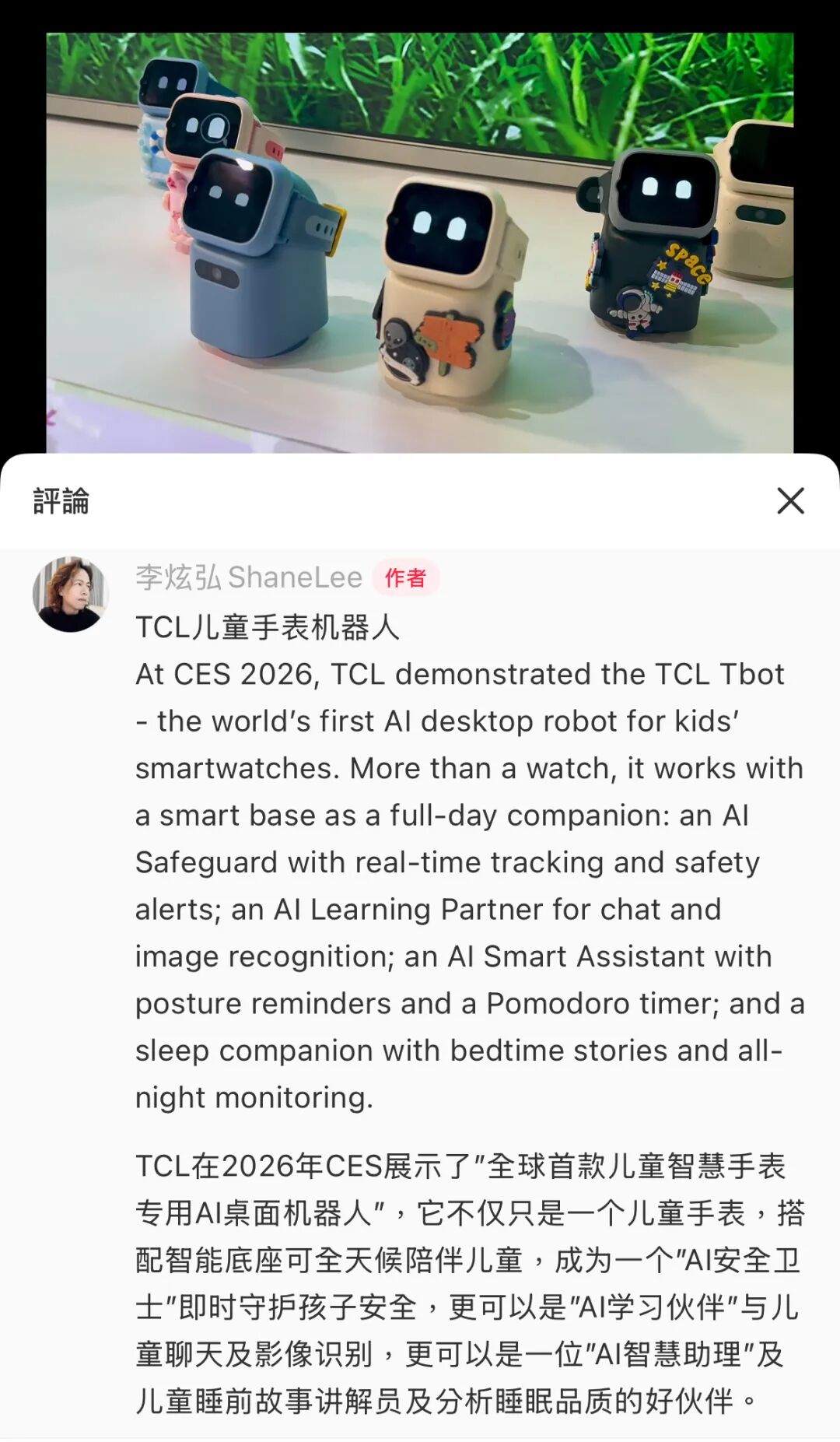
“贩卖社交”的小天才手表,快被反噬了
首席商业评论· 2026-01-09 04:51
Core Viewpoint - The article discusses the evolving landscape of children's smartwatches, highlighting their increasing popularity and the competitive dynamics among brands in the market [4][5][8]. Market Overview - The market penetration rate of children's smartwatches in China is projected to rise from 20% in 2021 to 35% by 2025, indicating that one in three children will own a smartwatch, with urban areas seeing rates close to 50% [5]. - Sales data shows that in the first 11 months of 2025, the sales revenue of children's smartwatches reached 5.25 billion, surpassing the total sales of 4.63 billion in 2024 [6]. Brand Competition - The leading brand in the children's smartwatch sector is 小天才 (Xiaotianzi), holding a market share of 53.7% in the first ten months of 2025, significantly outpacing its competitors [9]. - Other notable brands include Huawei and Xiaomi, which are leveraging their existing mobile ecosystems to enhance their smartwatch offerings [9][18]. Product Features and Differentiation - Children's smartwatches are designed with features such as precise location tracking, safety assurance, and video calling, functioning as a "call locator" for children [5]. - 小天才 focuses on social features and a closed social network, while Huawei emphasizes parental control and anti-addiction features [15][18]. Consumer Insights - Parents prioritize essential functions like accurate location tracking and instant communication, with concerns arising over social features that may lead to peer pressure and potential scams [22][24]. - The social dynamics surrounding children's smartwatches have created a culture where owning a 小天才 watch is seen as a status symbol among peers [26]. Historical Context and Future Outlook - The evolution of children's smartwatches began around 2007, initially offering basic functions like location and calling, and has since transformed into multifunctional devices that also serve social purposes [28]. - The future of children's smartwatches will depend on understanding new consumer needs and balancing functionality with real-world usage scenarios [28].
为什么苹果、华为,都干不过小天才?
Tai Mei Ti A P P· 2025-12-19 01:57
Core Insights - The article highlights the unexpected success of the children's smartwatch brand, Xiaotianzi, which has captured a significant market share despite competition from major tech giants [1][2][3] Market Position - Xiaotianzi sold over 8 million children's smartwatches in the first half of the year, holding a 35.3% market share, far ahead of Huawei's 12.2% [1] - The brand's flagship model, Z11, is priced at 2399 yuan, indicating a premium positioning in the market [15] Unique Selling Proposition - Xiaotianzi differentiated itself by focusing on communication rather than just safety features, addressing the needs of both parents and children [5][6] - The introduction of the "tap to add friends" feature created a social network among children, enhancing the product's appeal and driving demand [7][9] Business Model - Xiaotianzi's revenue model consists of three layers: direct sales of smartwatches, value-added services, and data monetization [12][13] - The entry-level model Q1R is priced affordably, while mid-range models like Z6P and Z8A cater to the core market, and the high-end Z11 targets affluent families [15] Growth Strategy - The brand has established a self-reinforcing growth cycle where increased user numbers enhance the social network's value, attracting more users [9][10] - Xiaotianzi's focus on social interaction has transformed the purchase motivation from parental necessity to children's desire [9] Competitive Landscape - Major competitors like Huawei and Xiaomi are shifting their strategies to focus on open ecosystems and educational tools, challenging Xiaotianzi's closed social network model [24][25][26] - These competitors aim to position their products as growth tools rather than social toys, appealing to parents concerned about education and health [26] Regulatory Environment - Increasing regulatory scrutiny regarding data privacy and child protection may impact Xiaotianzi's business model, particularly its social features [27] - The potential for stricter regulations poses a systemic risk to the brand's current operational strategies [27]