卡芒贝尔奶酪

Search documents
马克龙访华回国后,威胁打响中欧关税战,没料到回旋镖扎中了法国
Sou Hu Cai Jing· 2025-12-27 07:25
Group 1 - Macron's visit to China was primarily focused on securing trade agreements, including nuclear cooperation and large orders from Airbus, but he later threatened to initiate a tariff war against China if trade imbalances were not addressed [1][10] - In response, China imposed anti-subsidy tariffs on dairy products from the EU, with rates reaching up to 42.7%, significantly impacting French dairy exports [3][4] - The tariffs specifically targeted iconic French products like Camembert and Roquefort, which are crucial to France's agricultural economy, highlighting the vulnerability of France in this trade dispute [4][9] Group 2 - China's counteraction was not a spontaneous decision but rather a well-prepared response, initiated by a complaint from the China Dairy Association regarding EU subsidies that distorted market prices [6][11] - The French government expressed dissatisfaction with China's actions, labeling them as unilateral and unacceptable, which reflects a miscalculation in their approach to trade relations [7][10] - The underlying trade tensions reveal a deeper strategic divide within Europe, where political leaders are torn between economic needs and political allegiances, particularly towards the United States [11][14] Group 3 - The trade conflict has positioned France as the primary victim, as any escalation could jeopardize existing cooperation agreements, particularly in nuclear energy and Airbus projects [10][13] - China's stance emphasizes a willingness to cooperate but insists on mutual respect and fairness in trade relations, indicating that future disputes may arise if these principles are not upheld [13][14]

中方反制正式启动!马克龙联合27国对我们统一立场,卢拉突然出手,欧盟为何陷入三面围攻?
Sou Hu Cai Jing· 2025-12-25 20:08
Group 1 - The European Union faced significant pressure on December 23, 2025, from China, Brazil, and the United States, leading to a tense atmosphere in Brussels [1][3] - China announced temporary anti-subsidy tariffs on EU dairy products, ranging from 21.9% to 42.7%, citing substantial damage to its domestic industry due to EU subsidies [3][5] - France, as the largest exporter of dairy products within the EU, is particularly affected, with a market share of 37%, raising concerns about the impact on its agricultural sector [3][5] Group 2 - French President Macron's immediate response was to convene an emergency meeting with EU member states, labeling China's actions as "unacceptable" and pushing for a unified EU response [5][7] - The EU's internal unity is challenged as key member states like Germany and the Netherlands are less affected by the tariffs, leading to differing positions on how to respond [8][9] - Brazil's President Lula issued an ultimatum regarding a long-stalled trade agreement with the EU, highlighting the EU's struggle with trade negotiations and its protectionist tendencies [8][9] Group 3 - On the same day, the U.S. imposed sanctions on former EU officials, signaling a stark warning against EU regulatory autonomy, particularly regarding the Digital Services Act [11][13] - The EU's response to U.S. sanctions was weak and divided, with leaders expressing outrage but failing to implement any substantial countermeasures [13][15] - The economic challenges faced by the EU, including Germany's declining growth and high public debt, exacerbate its diplomatic struggles and hinder cohesive strategic responses [15]
斗不过中国,欧盟全球宣告!马克龙闯下大祸,最大赢家已浮出水面
Sou Hu Cai Jing· 2025-12-23 18:40
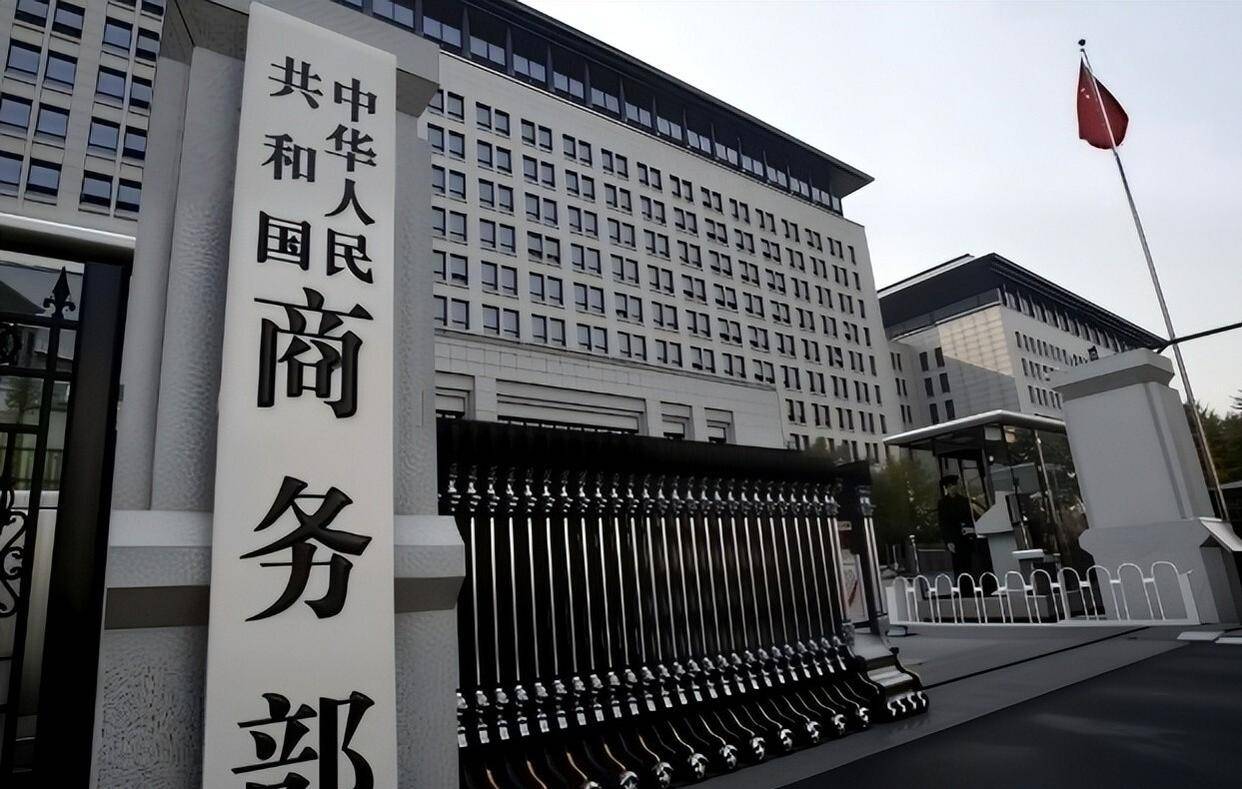
Core Viewpoint - The Chinese Ministry of Commerce has imposed temporary anti-subsidy tariffs of up to 42.7% on EU dairy products, significantly impacting French companies and altering the global trade landscape [1][3][5]. Group 1: Tariff Details - The temporary anti-subsidy tariffs are categorized into three tiers: 21.9% to 42.7% for sampled companies cooperating with the investigation, a uniform rate of 28.6% for other cooperating EU companies, and a maximum rate of 42.7% for non-cooperating companies [1][3]. - The affected dairy products include fresh cheese, processed cheese, blue cheese, and cream, excluding infant formula [3][5]. - The new tariffs increase the effective tax rates on EU cheese exports to China by over 20 percentage points, with some products exceeding a total tax rate of 50% [3][5]. Group 2: Background and Investigation - The trade dispute began with a complaint from the China Dairy Industry Association in August 2024, leading to an investigation into EU subsidies affecting Chinese dairy companies [5][10]. - The investigation revealed that EU subsidies under the Common Agricultural Policy have significantly harmed Chinese dairy producers, with EU dairy exports to China reaching €1.7 billion in 2023, accounting for over 30% of China's total dairy imports [5][10]. Group 3: Impact on Companies - French dairy companies, particularly those producing high-end products like Roquefort and Camembert, are expected to face severe impacts, with prices for French cheese in China projected to rise by 30% to 50% [8][12]. - New Zealand is positioned to benefit significantly from this trade dispute, as it currently supplies 60% of China's cheese imports, and the new tariffs will likely allow New Zealand to capture the market share left by EU products [12][14]. - Domestic dairy companies in China, such as Yili and Mengniu, are expected to accelerate their production capabilities in response to the tariff changes, with Yili planning to expand its cheese production lines [12][14].