
加工乳酪

Search documents
四天过去,反补贴税准时落地,局势变成6对21,欧盟内部陷入混乱
Sou Hu Cai Jing· 2026-02-13 02:50
Group 1 - The core point of the article is the implementation of anti-subsidy taxes on EU dairy products by China, which has sparked internal dissent among EU member states regarding protectionist policies [1][3][11] - Starting February 13, 2026, all importers sourcing dairy products from the EU must pay an anti-subsidy tax ranging from 7.4% to 11.7% for a period of five years, affecting a wide range of dairy products [3][5] - The timeline of China's anti-subsidy investigation against EU dairy products aligns closely with the EU's imposition of high anti-subsidy taxes on Chinese electric vehicles, indicating a tit-for-tat trade response [5][7] Group 2 - Six EU member states, including Estonia and Finland, have jointly issued a warning against the EU's protectionist measures, highlighting concerns that prioritizing European goods may hinder technological access and investment [11][13] - The controversial "Industrial Accelerator Act" proposed by the EU requires foreign investors to form joint ventures with a maximum 49% ownership and mandates technology transfer, which has drawn criticism for potentially stifling innovation [13][15] - French President Macron has been a vocal advocate for the "European First" approach, expressing urgency in addressing competition from China and the U.S., while facing challenges in achieving consensus among EU member states [18][20] Group 3 - The anti-subsidy tax on dairy products is part of a broader strategy by China to target key agricultural exports from the EU, including brandy and pork, which are vital to the economies of several member states [7][29] - The internal dissent within the EU regarding the protectionist policies reflects the economic pressures that such measures impose on member states, particularly those reliant on trade and technological collaboration [31][25] - China's approach to trade retaliation is characterized by legal rigor and economic strength, emphasizing adherence to international rules while maintaining open channels for dialogue [27][33]

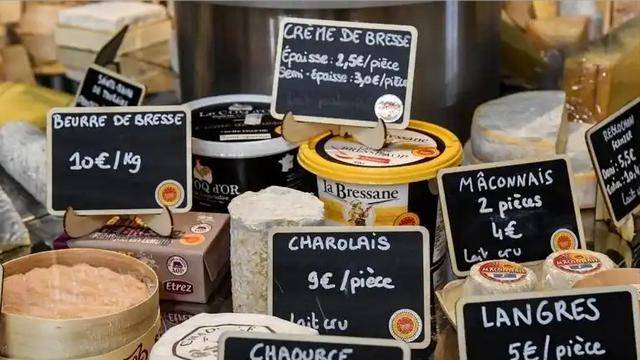
法国农民恐再堵巴黎?马克龙迎合美国遏华,中方反补贴税砸向乳业
Sou Hu Cai Jing· 2025-12-27 01:35
Group 1 - The French dairy industry is facing significant challenges due to China's recent imposition of temporary anti-subsidy tariffs on dairy products, which range from 21.9% to 42.7% [4][6] - The tariffs are a response to the European Union's subsidies that have allowed French dairy products to enter the Chinese market at lower prices, thereby threatening local Chinese producers [4][6] - The French dairy sector, which is crucial for millions of workers, is likely to experience severe economic repercussions, leading to potential protests from farmers who are already dissatisfied with government policies [6][9] Group 2 - The French government, under President Macron, has been criticized for its inconsistent trade policies, simultaneously courting investment from China while supporting EU measures against Chinese products [3][7] - The EU's investigation into Chinese electric vehicles and the subsequent high tariffs planned for 2025 reflect a protectionist stance that may harm European industries in the long run [4][9] - Other European countries, such as Germany and Spain, have recognized the benefits of cooperation with China, contrasting with France's approach, which may lead to missed opportunities for economic growth [7][9]

立场反复的马克龙遭中方反制,欧盟乳制品被征高额临时税,27国能否达成统一应对态度?
Sou Hu Cai Jing· 2025-12-25 20:50
Core Viewpoint - The Chinese Ministry of Commerce has announced a temporary anti-subsidy measure requiring additional "guarantee deposits" on imported dairy products from the EU, ranging from 21.9% to 42.7%, due to identified subsidies affecting the domestic industry [1][6]. Group 1: Impact on French Dairy Industry - France is the most affected country, with the French Ministry of Finance stating that China's decision is "unacceptable" and lacks legal basis, prompting France to seek EU support to challenge the ruling [3][10]. - France dominates the EU cheese exports to China, with 12 out of 15 sampled EU dairy companies in the Chinese investigation being French, including major players like Lactalis and Danone [3][6]. - The Chinese market is crucial for French dairy producers, as domestic and European markets are saturated, making any changes in trade policy significantly impactful on their profitability [6][14]. Group 2: Investigation and Regulatory Framework - The investigation was initiated based on requests from domestic industries in China, following strict WTO rules and Chinese laws, with the tax rates reflecting the level of cooperation from the companies involved [6][15]. - The temporary anti-subsidy measure is based on preliminary findings and is not a final tariff, allowing for potential negotiations before a final decision is made [8][15]. Group 3: EU's Internal Dynamics - The EU's response to France's call for a unified stance against China is complicated by differing interests among member states, particularly between agricultural and industrial sectors [9][10]. - Germany, for instance, supports anti-subsidy measures in the industrial sector but is cautious about extending trade tensions to agricultural products, reflecting the diverse economic interests within the EU [9][10]. - The internal discord within the EU may hinder a swift and cohesive response to China's measures, as member states weigh their own economic priorities [10][14]. Group 4: Market Reactions and Future Implications - Following the announcement, stock prices of European dairy giants fluctuated, indicating immediate market sensitivity to the new measures [17]. - The temporary measure may provide a buffer for China's growing cheese processing industry, allowing domestic companies to adjust to competitive pressures from subsidized imports [14][17]. - The situation represents a critical juncture in EU-China trade relations, with potential long-term implications for bilateral trade dynamics and broader economic interactions [12][17].
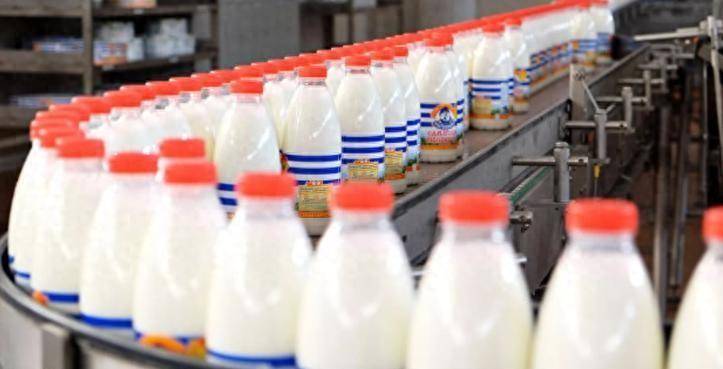
国元国际:对原产于欧盟的进口相关乳制品实施反补贴 建议关注优然牧业(09858)
Zhi Tong Cai Jing· 2025-12-25 07:24
Core Viewpoint - The report from Guoyuan International indicates that with the gradual stabilization of domestic dairy product demand and the implementation of countervailing measures, there is an expected increase in the demand for raw milk, suggesting a potential investment opportunity in Youran Dairy (09858) [1] Group 1: Countervailing Measures - The Ministry of Commerce of China announced a preliminary ruling on December 22, 2024, to implement temporary countervailing duties on dairy products imported from the EU starting December 23, 2025 [2] - The countervailing investigation began in July 2024, initiated by the China Dairy Industry Association and the China Dairy Products Industry Association, citing substantial damage to the domestic industry due to EU subsidies [2] - The preliminary evidence indicates that the EU provided significant subsidies to its dairy sector, leading to a causal relationship with the damage to the Chinese domestic industry, resulting in a countervailing duty range of 21.9%-42.7% on various dairy products [2] Group 2: Impact on Supply and Demand - The implementation of countervailing measures is expected to increase import prices, which may help restore the balance between supply and demand for raw milk in China [2] - In the first ten months of 2025, China imported 2.1824 million tons of various dairy products, with cheese, cream, and sour cream accounting for 156,000 tons, 118,100 tons, and 214,500 tons respectively, with the EU being a significant supplier [2] - The countervailing measures are anticipated to weaken the price advantage of imported dairy products, potentially reducing overseas supply and promoting a return to supply-demand equilibrium in the domestic raw milk industry [2]
对原产于欧盟的进口相关乳制品实施反补贴,有望加速原奶供需平衡
Guoyuan International· 2025-12-24 13:41
Investment Rating - The report suggests a positive investment outlook for the dairy industry, particularly recommending attention to YouRan Dairy (9858.HK) as a potential investment opportunity [5]. Core Insights - The Chinese Ministry of Commerce announced a preliminary ruling on December 22, 2025, to implement temporary anti-subsidy measures on imported dairy products from the EU, effective from December 23, 2025 [1][3]. - The anti-subsidy investigation, initiated in July 2024, revealed that the EU provided substantial subsidies to its dairy industry, causing material harm to the domestic industry in China [3]. - The subsidy rates for affected products, including fresh cheese, processed cheese, and cream, range from 21.9% to 42.7% [3]. Summary by Sections Anti-Subsidy Measures - The anti-subsidy measures are expected to increase import prices, which may help balance the supply and demand of raw milk in China [4]. - In the first ten months of 2025, China imported 2.1824 million tons of various dairy products, with significant contributions from the EU, accounting for 15% of cheese, 12% of cream, and 29% of other cream products [4]. Market Dynamics - The report indicates that domestic dairy prices have been declining due to an oversupply of raw milk, and the price advantage of imported dairy products is diminishing [4]. - The implementation of anti-subsidy measures is anticipated to weaken the price advantage of imported dairy products, potentially reducing overseas supply and promoting a return to supply-demand balance in China's raw milk industry [4]. Investment Recommendations - As domestic dairy product demand stabilizes and anti-subsidy measures stimulate the demand for domestic raw milk processing, the report encourages monitoring YouRan Dairy (9858.HK) for investment opportunities [5].
斗不过中国,欧盟全球宣告!马克龙闯下大祸,最大赢家已浮出水面
Sou Hu Cai Jing· 2025-12-23 18:40
Core Viewpoint - The Chinese Ministry of Commerce has imposed temporary anti-subsidy tariffs of up to 42.7% on EU dairy products, significantly impacting French companies and altering the global trade landscape [1][3][5]. Group 1: Tariff Details - The temporary anti-subsidy tariffs are categorized into three tiers: 21.9% to 42.7% for sampled companies cooperating with the investigation, a uniform rate of 28.6% for other cooperating EU companies, and a maximum rate of 42.7% for non-cooperating companies [1][3]. - The affected dairy products include fresh cheese, processed cheese, blue cheese, and cream, excluding infant formula [3][5]. - The new tariffs increase the effective tax rates on EU cheese exports to China by over 20 percentage points, with some products exceeding a total tax rate of 50% [3][5]. Group 2: Background and Investigation - The trade dispute began with a complaint from the China Dairy Industry Association in August 2024, leading to an investigation into EU subsidies affecting Chinese dairy companies [5][10]. - The investigation revealed that EU subsidies under the Common Agricultural Policy have significantly harmed Chinese dairy producers, with EU dairy exports to China reaching €1.7 billion in 2023, accounting for over 30% of China's total dairy imports [5][10]. Group 3: Impact on Companies - French dairy companies, particularly those producing high-end products like Roquefort and Camembert, are expected to face severe impacts, with prices for French cheese in China projected to rise by 30% to 50% [8][12]. - New Zealand is positioned to benefit significantly from this trade dispute, as it currently supplies 60% of China's cheese imports, and the new tariffs will likely allow New Zealand to capture the market share left by EU products [12][14]. - Domestic dairy companies in China, such as Yili and Mengniu, are expected to accelerate their production capabilities in response to the tariff changes, with Yili planning to expand its cheese production lines [12][14].


欧盟乳制品存在补贴,中方决定收取临时反补贴税保证金
Huan Qiu Shi Bao· 2025-12-22 23:09
Group 1 - The Chinese Ministry of Commerce announced a preliminary ruling that imported dairy products from the EU, including fresh cheese, processed cheese, and cream, are subject to subsidies, leading to a temporary anti-subsidy tax deposit of up to 42.7% starting from December 23 [1] - The investigation into EU dairy products was initiated after the China Dairy Industry Association and the China Dairy Products Industry Association submitted a request on July 29, 2024, citing adverse effects on the domestic industry due to increased inventory and a shift from profit to loss [1] - The Ministry of Commerce's Trade Relief Investigation Bureau indicated that substantial evidence shows the EU provided significant subsidies to its dairy sector through the Common Agricultural Policy, resulting in material harm to the Chinese domestic industry [1] Group 2 - The Trade Relief Investigation Bureau reiterated that China has been cautious and restrained in using trade relief measures, having not initiated any new investigations against the EU since 2025, while the EU has initiated multiple trade relief cases against China [2] - The Chinese side opposes the abuse of trade relief measures and expresses willingness to resolve trade frictions through dialogue and consultation to maintain the overall economic and trade cooperation between China and the EU [2]