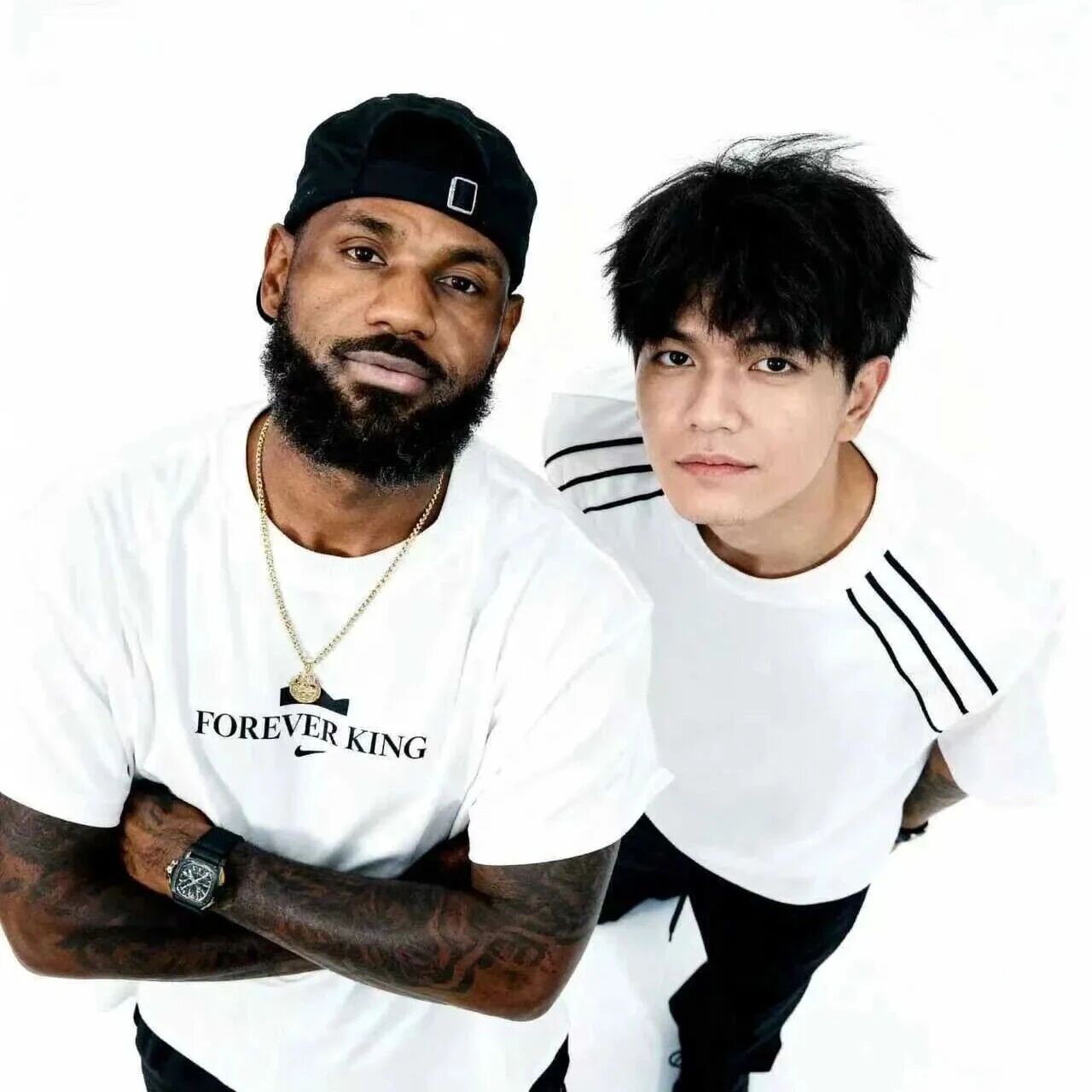
即梦4.0

Search documents
让 AI 三巨头给锦秋设计 IP 形象,结果是翻车还是惊喜? | 锦秋AI实验室
锦秋集· 2025-12-08 06:28
Core Insights - The article discusses the exploration and evaluation of AI products in practical scenarios, focusing on the design of a brand IP image using AI technology [1][3] - It highlights the strategy of brand personification adopted by eight leading AI companies, revealing their unique brand identities [3][4] Experiment Overview - The company aims to unlock another usage scenario for AI by finding a universal method for market departments [5] - The experiment involves a comprehensive testing process that spans text and visual elements, emphasizing the importance of context in AI execution [6] Design Process - The core challenge is to evolve from understanding to reconstruction, involving three rounds of design iterations [7] - The AI models used include Google Gemini 3 Pro, Claude Sonnet 4.5, and GPT-5.1, which analyze text data to extract brand personality and create visual prompts [8] Iteration Rounds - **Round 1**: AI generates designs without visual references, relying solely on text understanding [9] - **Round 2**: Specific IP references are introduced to test AI's imitation and fusion capabilities, but it leads to overfitting and a lack of originality [30][31] - **Round 3**: The focus shifts to style guidance, allowing AI to learn from different visual styles and integrate them with the brand's core identity, resulting in clearer and more coherent designs [36][48] Final Insights - The experiment concludes that providing a clear visual context is more effective than specific character references in stimulating AI creativity [50] - The final design of the brand IP will be determined by the collective aesthetic preferences of entrepreneurs and readers, inviting community participation in the design process [52][54]


你还在晒AI图,有人已经在靠“提示词”收款了
3 6 Ke· 2025-11-27 09:40
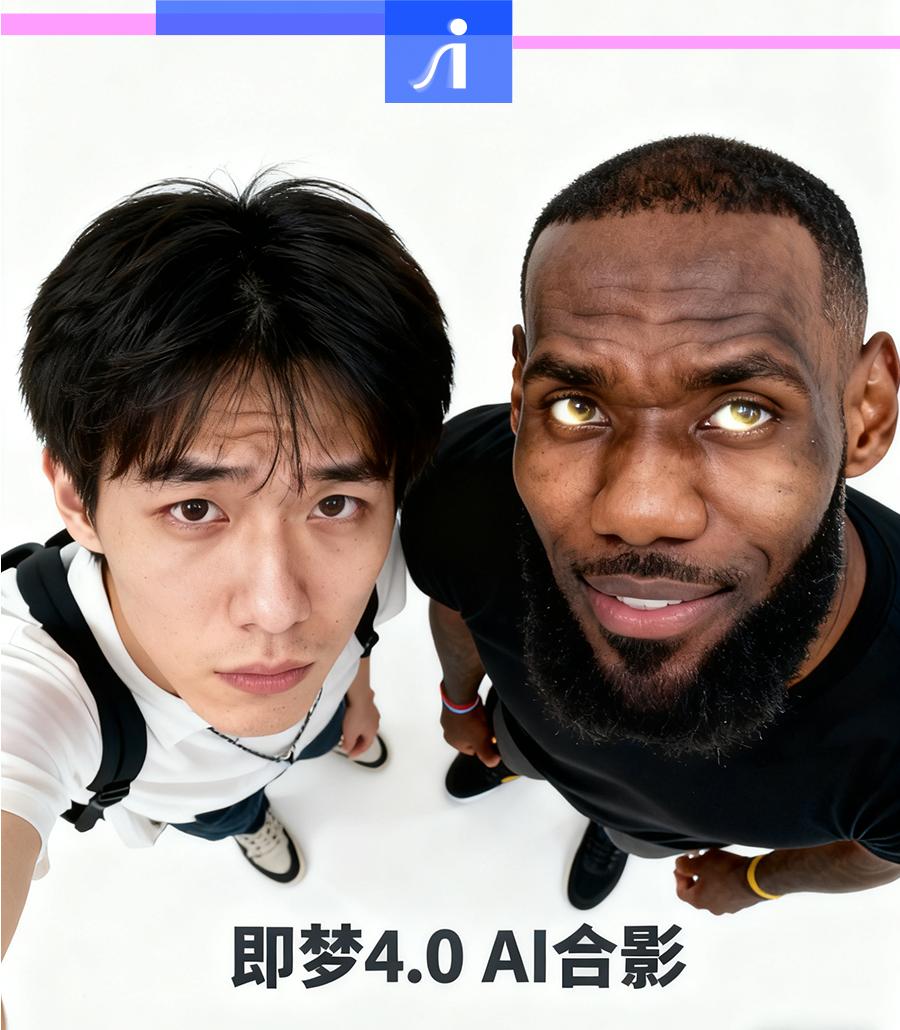
Core Insights - The article discusses the rise of the AI image generation tool "Jimeng 4.0," which allows users to create realistic images, including virtual selfies with celebrities, leading to a new trend in social media sharing [8][12][17] Group 1: Technology and Features - Jimeng 4.0 has significantly improved over its predecessor, Jimeng 3.x, by enhancing the realism of generated images, particularly in capturing lifelike expressions and eye details [8][11] - The tool utilizes a multi-modal architecture that allows for quick and accurate image generation, maintaining consistency in character features across different angles [11][12] - The output quality is high, with 4K resolution that captures intricate details such as fabric texture and skin quality, making the images appear more authentic [11][12] Group 2: Market Trends and User Behavior - The popularity of Jimeng 4.0 has led to a surge in social media posts featuring AI-generated images, similar to the earlier trend seen with "Nano Banana" [7][12] - The accessibility of Jimeng 4.0 through platforms like Doubao, which has a monthly active user base of 157 million, has lowered the barrier for users to engage with AI-generated content [12] - The phenomenon of trading prompt templates for image generation has emerged as a small business, with users willing to pay for effective prompts that yield high-quality results [16][17] Group 3: Cultural Implications - The article suggests that we are entering an era where the line between reality and digital creation is increasingly blurred, allowing individuals to visualize alternate life scenarios through AI-generated images [17][18] - The ability to create images that reflect personal aspirations or past choices signifies a shift in how people perceive and interact with their identities in the digital space [17][18] - Jimeng 4.0 is positioned not just as a tool for image creation but as a "life generator," enabling users to explore various facets of their lives through visual representation [17][18]
我们用21款AI修图工具修了100张图:谁才是真正的“修图神器”?|Jinqiu Scan
锦秋集· 2025-11-10 11:38
Core Viewpoint - The article focuses on evaluating 21 AI image editing tools across six real-life scenarios to determine their effectiveness in understanding and executing user requests for image modifications [4][11][141]. Group 1: Evaluation Methodology - The evaluation consists of six rounds, each using the same prompt for image editing, with all models set to their latest default configurations [11][12]. - Three general evaluation dimensions are used: visual consistency, local quality, and content consistency [12][13][14]. Group 2: Performance Results - Top performers include Tencent Yuanbao, Meitu Xiu Xiu, and Qwen Image Edit, scoring 15 points for effectively meeting user prompts without noticeable discrepancies [23]. - Nano Banana, Sora, Lovart, Manus, and Runway scored 14 points, with minor issues in image retrieval capabilities [28]. - Tools like Jiemeng 4.0, Wake Map, and Pixel Cake scored around 10 points, showing significant errors despite being dedicated image editing software [30]. Group 3: Specific Findings - In the first round, Tencent Yuanbao and Meitu Xiu Xiu excelled in removing unwanted elements while enhancing image clarity [23]. - The second round highlighted Qwen Image Edit and Genspark as top performers in foreground extraction, maintaining original details [41]. - The third round saw Jiemeng 4.0 and Tencent Yuanbao achieving high scores for effectively replacing elements while preserving the original image's integrity [65]. Group 4: Future Directions - The article indicates plans for future evaluations of AI tools in areas such as game development, knowledge bases, and companionship products [7].
你还在晒AI图,有人已经在靠「提示词」收款了
36氪· 2025-09-25 23:55
Core Viewpoint - The article discusses the rise of AI-generated images, particularly focusing on the new version of the app "即梦4.0," which allows users to create realistic images with celebrities, highlighting the shift towards a "what you see is what you get" era in digital content creation [5][27]. Group 1: Technology and Features - The upgrade from 即梦3.x to 4.0 has significantly improved the realism of generated images, particularly in capturing lifelike expressions and eye details, which were previously seen as a major flaw [13][14]. - 即梦4.0 utilizes a multi-modal unified architecture that allows for understanding, generating, and editing images seamlessly, enhancing the user experience [20]. - The app generates high-definition images with realistic details, such as fabric textures and skin quality, making the output more believable [20]. Group 2: Market Dynamics - The accessibility of 即梦4.0 through the popular app 豆包, which has a monthly active user base of 157 million, has lowered the barrier for users to engage with AI-generated content [18]. - The phenomenon of trading prompt templates for generating celebrity images has emerged, with prices ranging from a few to several dozen yuan, indicating a new economic model around AI prompts [21][26]. - The article draws parallels between the current trend of prompt trading and the past popularity of Photoshop filters and Lightroom presets, suggesting a shift in how digital content is created and consumed [22][25]. Group 3: Cultural Implications - The ability to create realistic images with celebrities reflects a broader trend towards a culture where digital representations can blur the lines between reality and fabrication [27][29]. - Users can now visualize alternate life scenarios through AI-generated images, such as meeting their younger selves or imagining future versions of themselves, showcasing the potential of AI in personal storytelling [28]. - The article suggests that while some may become enamored with these digital illusions, others will seek deeper meanings, emphasizing the importance of how these tools are utilized [29].