台湾牛肉面

Search documents
灯暖闽江两岸情
Xin Lang Cai Jing· 2026-02-27 02:55
Core Viewpoint - The event "Two Horses Celebrate Lantern Festival" in Fuzhou, Fujian Province, serves as a significant platform for cross-strait cultural exchange, highlighting the increasing presence of Taiwanese youth in mainland China and the deepening integration between the two regions [1][3]. Group 1: Event Overview - The lantern festival spans from the 24th day of the twelfth lunar month to the Lantern Festival, lasting a month and showcasing various traditional and modern lantern designs [1]. - The festival has been held for 24 years and is recognized as a representative work of human intangible cultural heritage by UNESCO [1]. Group 2: Taiwanese Youth Involvement - More Taiwanese youth are moving to Fujian for entrepreneurship and employment, with over 5,000 Taiwanese youths added to the workforce in Fuzhou during the 14th Five-Year Plan period [3]. - Chen Xiaoting, a young entrepreneur from Taipei, exemplifies this trend, having settled in Fuzhou and actively participating in local business initiatives [2][3]. Group 3: Business Environment and Policies - The business environment in Fuzhou is described as solid, with policies in place to support Taiwanese residents, including public rental housing and equal educational opportunities for their children [2][3]. - Efficient administrative processes for business registration have been highlighted as a significant advantage for entrepreneurs [2].
(新春见闻)北京街头的台味小馆:很台味,很对“胃”
Zhong Guo Xin Wen Wang· 2026-02-17 03:12
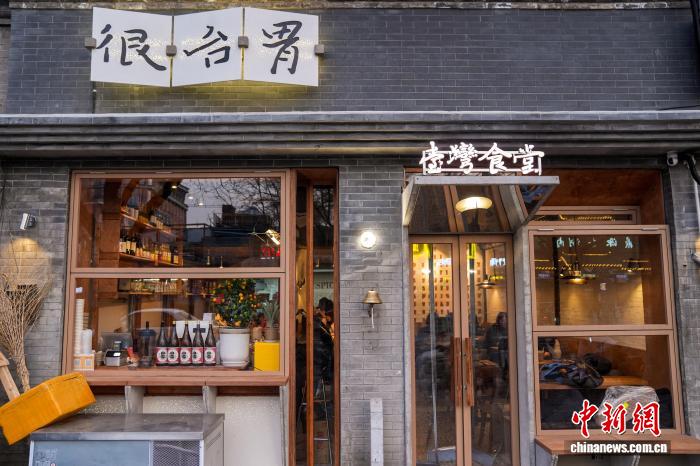
Core Viewpoint - The Taiwanese restaurant "Hen Tai Wei" in Beijing has gained popularity for its authentic Taiwanese flavors, attracting a significant number of customers since its opening in early 2026 [1][2]. Group 1: Restaurant Overview - "Hen Tai Wei" opened in Beijing in early 2026 and quickly became popular on social media, leading to full occupancy during peak hours [1][3]. - The restaurant features a collaboration between a team from both sides of the Taiwan Strait, with a focus on maintaining authentic Taiwanese cuisine [2][3]. Group 2: Menu and Culinary Approach - The restaurant's signature dish, "Gua Bao," is likened to a Taiwanese version of a meat sandwich, showcasing a blend of flavors and textures [2]. - The team emphasizes the importance of using high-quality ingredients and traditional cooking methods to ensure authenticity, such as using bamboo steamers for buns [2][3]. - Seasonal dishes, including Taiwanese-style "runbing" (a type of wrap), are planned for future menus, indicating a commitment to evolving the culinary offerings [4]. Group 3: Customer Engagement and Cultural Connection - The restaurant has seen a diverse clientele, including Taiwanese expatriates traveling long distances for a taste of home, highlighting the emotional connection to Taiwanese cuisine [3]. - The unique appeal of Taiwanese food lies in its familiarity and novelty for mainland diners, fostering curiosity and nostalgia [3]. - The restaurant aims to strengthen cultural ties through food, reflecting shared culinary values between Taiwan and mainland China [3].

一碗牛肉面里的两岸烟火
Xin Lang Cai Jing· 2026-01-07 22:24
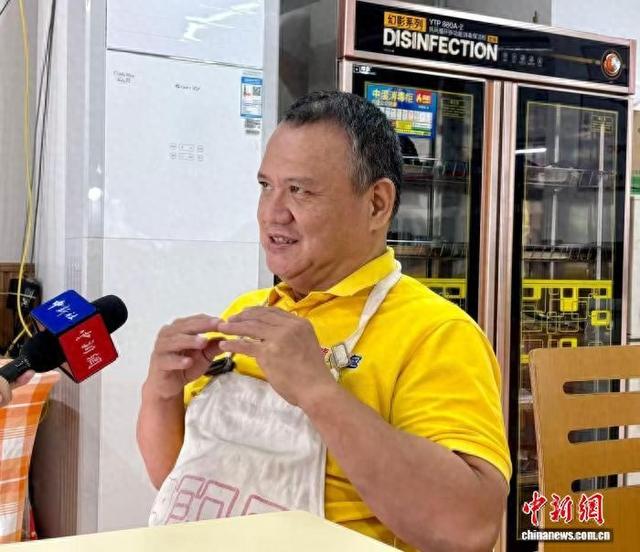
Core Viewpoint - The article highlights the journey of a Taiwanese beef noodle shop owner, Weng Wenxiong, who has successfully established his business in Fuzhou, China, and emphasizes the importance of community engagement and quality in his offerings [1][2][3]. Group 1: Business Development - Weng Wenxiong has been operating his Taiwanese beef noodle shop in Fuzhou for over ten years, recently relocating to the Shengjing community, attracting returning locals for the familiar taste [1][2]. - The shop, named "Xiong Bao Bao," reflects Weng's personal journey and aspirations, with a focus on quality and authenticity in food preparation [2][3]. Group 2: Customer Engagement - The shop has implemented a "new policy" offering discounts to students who achieve high exam scores, fostering loyalty among customers [3]. - Weng has created a WeChat group for customers, where he engages them with interactive activities such as red envelope giveaways, enhancing customer relationships [3]. Group 3: Community Contribution - In addition to his main offerings, Weng operates a community dining service for the elderly, providing nutritious meals at a low price of 9.9 yuan, demonstrating his commitment to social responsibility [3]. - Weng expresses a desire to show that even small business owners can contribute positively to society [3].
台胞在福州创业十余载:呈上一碗有“妈妈的味道”的牛肉面
Xin Lang Cai Jing· 2026-01-02 10:13
Core Viewpoint - The article highlights the journey of a Taiwanese beef noodle shop owner, Weng Wenxiong, who has successfully established his business in Fuzhou, China, and emphasizes the importance of community engagement and quality in his culinary offerings [1][3]. Group 1: Business Background - Weng Wenxiong has been operating his Taiwanese beef noodle shop in Fuzhou for over ten years, recently relocating to Shengjing Community [1]. - The shop has become a popular destination for returning Fuzhou residents, who seek the familiar taste of Taiwanese beef noodles [1]. Group 2: Personal Journey - Weng, who has a congenital leg disability, has a diverse background in art, advertising, animation, and internet entrepreneurship before venturing into the food industry [3]. - He was inspired to open his restaurant after visiting Fuzhou and recognizing the cultural similarities and potential for Taiwanese cuisine [3]. Group 3: Culinary Approach - The shop's beef noodle soup is made with fresh ingredients and simmered for at least 8 hours, ensuring a rich and authentic flavor [5]. - Customer feedback highlights the generous portions of meat and the comforting quality of the broth [5]. Group 4: Community Engagement - Weng has implemented a "new policy" for students, offering discounts based on academic performance, which has helped build a loyal customer base [5]. - He also runs a WeChat group for customers, where he engages them with interactive activities like red envelope giveaways [5][8]. Group 5: Social Responsibility - The shop has taken over the operation of a community senior dining hall, providing affordable and nutritious meals for elderly residents at a price of only 9.9 yuan [7]. - Weng views this initiative as a way to contribute to society, despite the low profit margins associated with it [7].

味蕾牵两岸:台湾桃园举行闽台小吃文化交流盛典
Xin Hua Wang· 2025-11-09 02:02
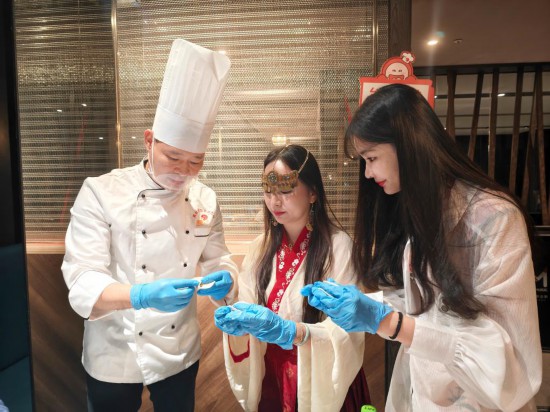
Core Insights - The event "Min-Tai Snack Culture Exchange Festival" was held in Taoyuan, Taiwan, showcasing Sha County snacks as a cultural bridge between the two sides of the Taiwan Strait [1] - The Taiwanese public has a high acceptance of Sha County snacks, with nine stores already established in Taiwan since the brand's introduction [1] - A forum during the event discussed the modernization challenges of snacks, the "recreation" of Min-Tai flavors, and the sustainable development of Sha County snacks [4] Group 1 - The festival featured six Sha County snack artisans demonstrating their skills, emphasizing the cultural significance of the snacks beyond just taste [1] - Taiwanese chef Li Wenting shared his experience of learning to make Sha County snacks, highlighting both similarities and challenges in ingredient selection and seasoning [1][2] - Suggestions for localizing Sha County snacks in Taiwan included creating instructional videos and integrating seasonal ingredients into the menu [4][5] Group 2 - The upcoming event on November 23 in Fuzhou will launch a "Two-Sides Fusion Innovation Menu," combining classic Sha County elements with popular Taiwanese dishes [5] - The collaboration aims to deepen the cultural connection between the two sides through culinary integration, showcasing the potential for future exchanges [5]