姜母鸭

Search documents
味蕾之上是故乡
Xin Lang Cai Jing· 2026-02-18 23:26
Group 1 - The essence of food in Fujian reflects the artistry of time and serves as a vessel for emotions [1] - Various traditional dishes symbolize prosperity and well-being, such as the thin skin of Quanzhou's runbing containing diverse ingredients, representing the hope for a bountiful year [1] - The culinary offerings of Fujian, including Shaxian duck and Changle ice rice, evoke nostalgia for overseas travelers and embody the warmth of handmade traditions [1] Group 2 - The celebration of food during the Spring Festival is not only a feast but also a ritual that embodies the concept of "home" [1] - The phrase "Food in Fujian" encapsulates the deep emotional and cultural significance of the region's cuisine [2]
(新春见闻)北京街头的台味小馆:很台味,很对“胃”
Zhong Guo Xin Wen Wang· 2026-02-17 03:12
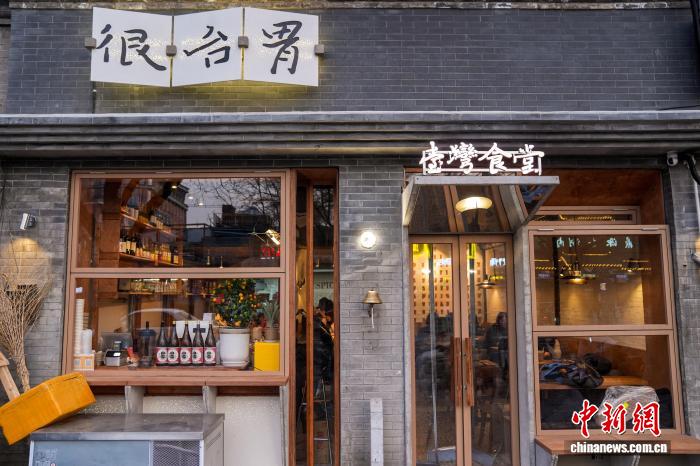
Core Viewpoint - The Taiwanese restaurant "Hen Tai Wei" in Beijing has gained popularity for its authentic Taiwanese flavors, attracting a significant number of customers since its opening in early 2026 [1][2]. Group 1: Restaurant Overview - "Hen Tai Wei" opened in Beijing in early 2026 and quickly became popular on social media, leading to full occupancy during peak hours [1][3]. - The restaurant features a collaboration between a team from both sides of the Taiwan Strait, with a focus on maintaining authentic Taiwanese cuisine [2][3]. Group 2: Menu and Culinary Approach - The restaurant's signature dish, "Gua Bao," is likened to a Taiwanese version of a meat sandwich, showcasing a blend of flavors and textures [2]. - The team emphasizes the importance of using high-quality ingredients and traditional cooking methods to ensure authenticity, such as using bamboo steamers for buns [2][3]. - Seasonal dishes, including Taiwanese-style "runbing" (a type of wrap), are planned for future menus, indicating a commitment to evolving the culinary offerings [4]. Group 3: Customer Engagement and Cultural Connection - The restaurant has seen a diverse clientele, including Taiwanese expatriates traveling long distances for a taste of home, highlighting the emotional connection to Taiwanese cuisine [3]. - The unique appeal of Taiwanese food lies in its familiarity and novelty for mainland diners, fostering curiosity and nostalgia [3]. - The restaurant aims to strengthen cultural ties through food, reflecting shared culinary values between Taiwan and mainland China [3].

(新春见闻)寻味台胞年夜饭 “拼”出两岸团圆味
Xin Lang Cai Jing· 2026-02-16 13:00
Group 1 - The article highlights the cultural fusion in the New Year's Eve dinner of Taiwanese and mainland Chinese families, showcasing the blending of culinary traditions [1][2] - The character Cao Jingwen represents a new generation of Taiwanese youth who are embracing and promoting traditional Chinese culture through innovative means, such as her guqin studio [1] - The significance of traditional dishes like "润饼" (runbing) and "龙井虾仁" (Longjing shrimp) reflects the deep-rooted cultural connections and the importance of family reunions during the Spring Festival [2] Group 2 - The article emphasizes the role of food in expressing cultural identity and familial bonds, particularly during significant celebrations like the Lunar New Year [1][2] - The integration of Taiwanese and Zhejiang culinary elements in family meals symbolizes the broader theme of unity and shared heritage among Chinese communities [1] - The experiences of young Taiwanese individuals in mainland China illustrate the ongoing cultural exchange and the desire to maintain connections with their roots while adapting to new environments [2]
新春走基层丨到南方小城去过年
2 1 Shi Ji Jing Ji Bao Dao· 2026-02-13 10:09
Core Insights - The trend of traveling to smaller cities during the Spring Festival is gaining popularity, with many tourists from first-tier cities seeking traditional experiences in places like Quanzhou [1][10] - Quanzhou has emerged as a popular destination due to its favorable prices, suitable winter climate, rich cultural heritage, and recognition as a new World Food City [1][10] Group 1: Travel Trends - Data from Meituan Travel indicates that hotel bookings in Yunnan's Pu'er for the Spring Festival have surged, with a 139% increase in tourism growth and an 183% rise in hotel booking popularity compared to the previous year [2] - The search volume for attractions in Pu'er, such as Jingmai Mountain, has increased by 123%, indicating a growing interest among tourists [2][3] - The trend of "reverse Spring Festival" travel is highlighted, with various smaller cities like Pu'er and Quanzhou becoming unexpected hotspots for travelers from major cities [1][2] Group 2: Hotel and Accommodation Insights - In Quanzhou, hotel prices have significantly increased, with some popular hotels seeing rates double during the Spring Festival period, reaching over 1500 yuan per night [3][10] - The proportion of hotel bookings for stays of two days or more during the Spring Festival in Pu'er has reached 46%, indicating a strong demand for family-friendly accommodations [3] - The rapid increase in hotel supply in Quanzhou, with over 100 new hotel brands added in recent years, reflects the growing tourism demand [14] Group 3: Cultural and Culinary Attractions - Traditional cultural experiences, such as folk events and intangible cultural heritage activities, have seen a 117% increase in search interest, showcasing the appeal of cultural tourism [8] - Culinary experiences are a major draw for tourists, with Quanzhou's food culture being a significant factor in attracting visitors, especially after its recognition as a UNESCO Creative City of Gastronomy [9][10] - The local government is actively promoting Quanzhou's unique culinary offerings, aiming to maintain its distinctiveness amidst rising tourism [17] Group 4: Economic and Infrastructure Development - Quanzhou's GDP surpassed 1 trillion yuan in 2020, indicating its economic strength and well-developed infrastructure, which supports its growing tourism sector [10] - The development of a comprehensive high-speed rail network in China facilitates easy travel between cities, enhancing accessibility to smaller tourist destinations [13] - Local governments are implementing measures such as free public transport during the Spring Festival to attract more visitors and stimulate consumption [13]

在福建泉州,过一场非遗中国年(神州看点)
Ren Min Ri Bao· 2026-02-11 23:27
Core Viewpoint - The article highlights the vibrant cultural and culinary celebrations in Quanzhou during the Spring Festival, showcasing its recognition as a "World Food City" and the integration of historical heritage with modern festivities [1][5]. Group 1: Cultural Events - Quanzhou is hosting various cultural events during the Spring Festival, including a light show titled "Song Bridge Reflects the Year," which aims to bring historical heritage to life through modern artistic expressions [1]. - The "Ancient Bridge Echoes: New Year Music Concert" features a blend of traditional and contemporary music, showcasing local talent and creating a festive atmosphere for both residents and visitors [2]. - Over 280 themed street performances will take place across 40 landmark areas, emphasizing the significance of street culture in Quanzhou's collective memory [2]. Group 2: Culinary Highlights - Quanzhou's designation as a "World Food City" is celebrated through a vibrant food market, where local delicacies evoke nostalgia and cultural identity [3][4]. - Traditional dishes such as "Qun Tiao" and "Ginger Duck" are highlighted, reflecting the region's culinary diversity and the importance of food in family gatherings during the New Year [4]. - The article emphasizes that food serves as a medium for cultural fusion and community bonding, illustrating how culinary traditions are integral to the local identity [5].
中国年味,有的不只是“家乡味”
Xin Lang Cai Jing· 2026-01-25 02:49
Group 1 - The article emphasizes the cultural significance of traditional Chinese New Year goods, highlighting the emotional connection to hometown flavors and family traditions [1][3] - Various regional specialties are showcased, such as Jilin ginseng, Yunnan wild mushrooms, and Hunan sauce duck, reflecting the diversity of Chinese culinary heritage [1] - The concept of "local goods" and "foreign goods" is explored, illustrating how they cater to diverse consumer needs and enhance the festive atmosphere [1][3] Group 2 - The article discusses how food items from different regions evoke a sense of longing and connection to places not yet visited, enriching the New Year experience [2] - It highlights the role of food in romantic relationships during the New Year, where couples exchange regional delicacies to feel closer despite being apart [2] - The gathering of various local and foreign goods at markets symbolizes the richness and diversity of Chinese New Year celebrations, fulfilling a wide range of consumer demands [3]
特色市集丰富节前市场 品质升级、暖意涌动点亮节前消费新图景
Yang Shi Wang· 2026-01-10 09:13
Group 1 - A food market named "Seeking the Taste of Huaiyang" is taking place in Changzhou, featuring local delicacies from Changzhou, Zhenjiang, Yangzhou, Huai'an, and Yancheng [5][10] - The market includes over 40 stalls where visitors can taste and purchase local specialties, with chefs showcasing their culinary skills [10][12] - Changzhou is promoting a "food + cultural tourism" package, offering discounts for local residents and visitors to enhance the experience [12][14] Group 2 - The "Eight Market" in Xiamen is a historical seafood market that attracts a large number of visitors, featuring over 270 stalls, with one-third dedicated to seafood [20][18] - The market offers a variety of seafood, including king crabs and Boston lobsters, with prices that cater to different budgets, making it accessible for families [24][27] - The "front shop, back kitchen" model allows for quick preparation of seafood dishes, ensuring freshness and transparency in pricing [30][33] Group 3 - The "Eight Market" also features local snacks, creating a vibrant atmosphere that appeals to tourists and locals alike, making it a new cultural tourism landmark [34] - Plans for the upcoming year include enhancing the market's offerings and linking it with surrounding historical districts to boost consumer engagement [34]
一碗牛肉面里的两岸烟火
Xin Lang Cai Jing· 2026-01-07 22:24
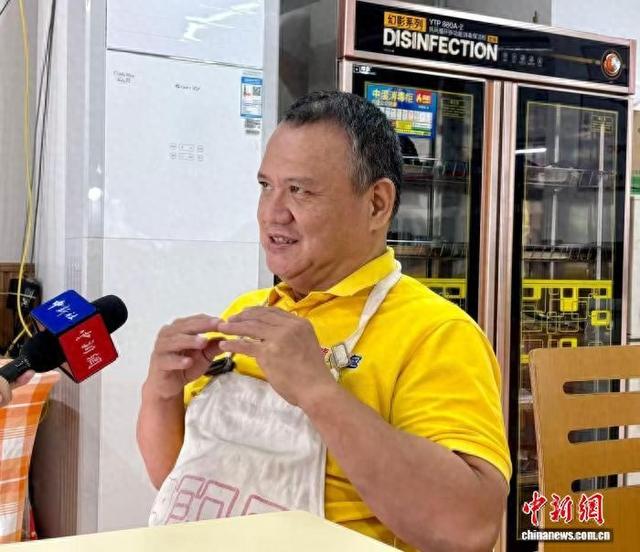
Core Viewpoint - The article highlights the journey of a Taiwanese beef noodle shop owner, Weng Wenxiong, who has successfully established his business in Fuzhou, China, and emphasizes the importance of community engagement and quality in his offerings [1][2][3]. Group 1: Business Development - Weng Wenxiong has been operating his Taiwanese beef noodle shop in Fuzhou for over ten years, recently relocating to the Shengjing community, attracting returning locals for the familiar taste [1][2]. - The shop, named "Xiong Bao Bao," reflects Weng's personal journey and aspirations, with a focus on quality and authenticity in food preparation [2][3]. Group 2: Customer Engagement - The shop has implemented a "new policy" offering discounts to students who achieve high exam scores, fostering loyalty among customers [3]. - Weng has created a WeChat group for customers, where he engages them with interactive activities such as red envelope giveaways, enhancing customer relationships [3]. Group 3: Community Contribution - In addition to his main offerings, Weng operates a community dining service for the elderly, providing nutritious meals at a low price of 9.9 yuan, demonstrating his commitment to social responsibility [3]. - Weng expresses a desire to show that even small business owners can contribute positively to society [3].
台胞在福州创业十余载:呈上一碗有“妈妈的味道”的牛肉面
Xin Lang Cai Jing· 2026-01-02 10:13
Core Viewpoint - The article highlights the journey of a Taiwanese beef noodle shop owner, Weng Wenxiong, who has successfully established his business in Fuzhou, China, and emphasizes the importance of community engagement and quality in his culinary offerings [1][3]. Group 1: Business Background - Weng Wenxiong has been operating his Taiwanese beef noodle shop in Fuzhou for over ten years, recently relocating to Shengjing Community [1]. - The shop has become a popular destination for returning Fuzhou residents, who seek the familiar taste of Taiwanese beef noodles [1]. Group 2: Personal Journey - Weng, who has a congenital leg disability, has a diverse background in art, advertising, animation, and internet entrepreneurship before venturing into the food industry [3]. - He was inspired to open his restaurant after visiting Fuzhou and recognizing the cultural similarities and potential for Taiwanese cuisine [3]. Group 3: Culinary Approach - The shop's beef noodle soup is made with fresh ingredients and simmered for at least 8 hours, ensuring a rich and authentic flavor [5]. - Customer feedback highlights the generous portions of meat and the comforting quality of the broth [5]. Group 4: Community Engagement - Weng has implemented a "new policy" for students, offering discounts based on academic performance, which has helped build a loyal customer base [5]. - He also runs a WeChat group for customers, where he engages them with interactive activities like red envelope giveaways [5][8]. Group 5: Social Responsibility - The shop has taken over the operation of a community senior dining hall, providing affordable and nutritious meals for elderly residents at a price of only 9.9 yuan [7]. - Weng views this initiative as a way to contribute to society, despite the low profit margins associated with it [7].

中国新闻网:汉台青年生活文化季在武汉启幕
Zhong Guo Xin Wen Wang· 2025-12-21 03:11
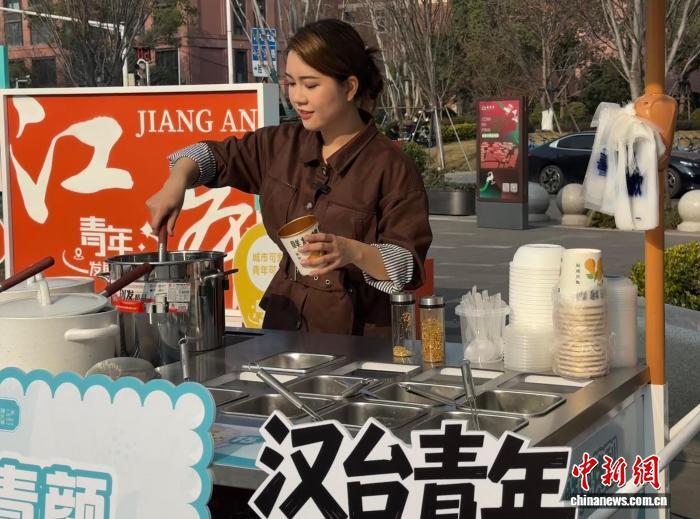
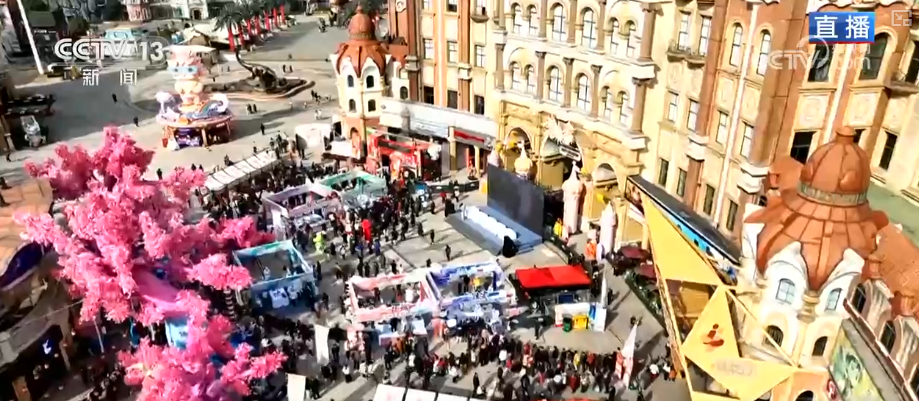
Group 1 - The event "Hantai Youth Life and Culture Season" held in Wuhan featured a music market that showcased over 20 Taiwanese enterprises alongside local cultural and culinary businesses, promoting cross-strait cultural exchange [1] - The market included a special area for Taiwanese cuisine and creative cultural exhibitions, with local Taiwanese businesses presenting authentic snacks such as braised pork rice and ginger duck, attracting many visitors [1] - Taiwanese musicians performed alongside local university bands, while a handmade tangyuan (glutinous rice ball) experience area allowed young people from both sides to engage in cultural activities together [1] Group 2 - First-time exhibitor Liu Peipei introduced a unique snack that combines flavors from Hubei and Taiwan, aiming to promote her product and foster collaboration with local food industry professionals [2] - Taiwanese musician Li Mengxiu and his wife Yang Ren brought over 20 physical albums of traditional music, emphasizing the importance of young people in promoting Chinese traditional culture [2] - The event provided a platform for young people from both sides to showcase their talents and interact, while also encouraging Taiwanese enterprises to better understand local consumer needs in Wuhan [4]