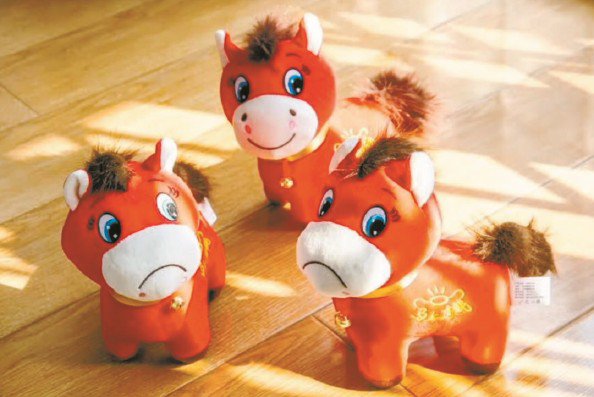
哭哭马毛绒玩偶

Search documents
骐骥迎春韵 骏影映春暖
Xin Lang Cai Jing· 2026-02-14 07:11
Core Viewpoint - The article highlights the innovative integration of traditional Chinese zodiac designs with modern aesthetics in Shanghai, showcasing a variety of creative products that reflect cultural heritage and contemporary trends, particularly in the context of the Year of the Horse [19][20]. Group 1: Product Innovations - The "White Horse Café" series at the "Hongkou Gift" store features modern designs that incorporate horse elements, such as acrylic lamps and ceramic horse figurines, blending historical references with contemporary aesthetics [19]. - The Shanghai Museum's "Spring Breeze Qiji" cultural product series draws inspiration from 16 horse-themed artifacts, transforming ancient designs into ergonomic modern items like neck pillows and transportation card holders [20][22]. - The "Mood Little Horse" series offers customizable expressions on canvas bags and fridge magnets, appealing to emotional engagement and modern consumer preferences [21]. Group 2: Cultural Significance - The designs reflect Shanghai's cultural confidence and the city's ethos of inclusivity and excellence, merging traditional craftsmanship with modern design to create relatable and usable items [20][22]. - The integration of intangible cultural heritage adds depth and warmth to the products, with techniques like woodblock printing and traditional dyeing being utilized to create unique items that resonate with consumers [22][24]. Group 3: Public Installations and Community Engagement - Public art installations, such as the "Junchi Jiuzhou" main lantern group at the Yuyuan Garden Lantern Festival, combine mythical themes with the auspicious symbolism of the horse, enhancing the festive atmosphere [23]. - Large-scale light art installations in various neighborhoods create engaging visual narratives that connect the community with the festive spirit, showcasing the city's cultural vibrancy [23][24]. - The article emphasizes that the designs transcend mere decoration, encapsulating the collective memory and festive emotions of the city, contributing to a sense of pride among residents [24].

从“买有用”到“买开心”
Sou Hu Cai Jing· 2026-02-03 23:26
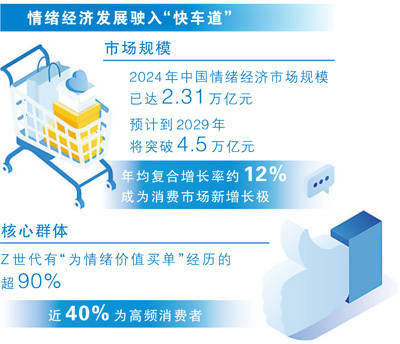
Core Insights - The rise of "crying horse" plush toys symbolizes the growing trend of self-indulgent consumption, reflecting a shift from functional value to emotional value in consumer behavior [2][3] Group 1: Emotional Consumption Trends - Emotional consumption is defined as purchasing non-essential items or experiences to achieve immediate pleasure and self-affirmation, indicating a transformation in consumer mindset from "buying useful" to "buying happiness" [2] - The emotional economy market in China is projected to reach 2.31 trillion yuan in 2024, with expectations to exceed 4.5 trillion yuan by 2029, highlighting its robust growth potential [2] - Local governments are increasingly recognizing this trend, with many incorporating emotional consumption strategies into their work reports [2] Group 2: Expanding Consumption Scenarios - The scope of self-indulgent consumption is broadening, with products like custom baby clothes, stress-relief toys, and niche accessories gaining popularity, as consumers prioritize emotional resonance and self-expression over mere practicality [3] - The focus on "interesting" and "meaningful" products indicates that emotional satisfaction is becoming a key driver of consumer willingness to spend, stimulating innovation on the supply side [3] Group 3: Industry Dynamics and Opportunities - The emotional economy is driving new business models, with manufacturers like those in Yiwu ramping up production of popular items, and DIY workshops and cultural experience venues gaining traction [4] - Diverse supply options are aligning with personalized consumer needs, injecting flexibility into consumption growth and creating new pathways for domestic demand expansion [4] - However, the industry must avoid "hollowness" in content, as some trending products rely on superficial attributes without sustainable narratives, which could hinder long-term success [4] Group 4: Strategic Recommendations - To capitalize on the emotional economy, businesses should innovate their offerings by understanding the nuanced emotional needs of different consumer segments, creating products that blend practicality with therapeutic benefits [5] - Policymakers should enhance consumer promotion measures, integrating emotional consumption into broader strategies for domestic demand and consumption stimulation [5] - Maintaining market order and consumer rights is essential for fostering a healthy environment for emotional consumption to thrive [5]
从“买有用”到“买开心”(商海观潮)
Sou Hu Cai Jing· 2026-02-03 22:17
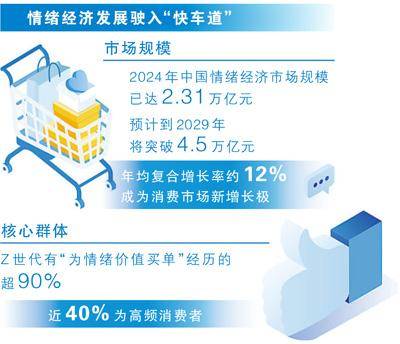
Core Insights - The rise of "crying horse" plush toys symbolizes the growing trend of self-indulgent consumption, reflecting a shift from functional value to emotional value in consumer behavior [2][3] - The emotional economy market in China is projected to reach 2.31 trillion yuan in 2024 and exceed 4.5 trillion yuan by 2029, indicating strong growth potential [2] - Local governments are increasingly recognizing and promoting emotional consumption in their work reports, aligning with the broader trend of self-indulgent spending [2] Group 1: Trends in Self-Indulgent Consumption - Self-indulgent consumption is expanding beyond traditional boundaries, with consumers valuing emotional resonance and self-expression over mere practicality [3] - Products like custom children's clothing, stress-relief toys, and niche accessories are gaining popularity, highlighting a shift in consumer preferences towards items that provide emotional satisfaction [3] Group 2: Market Dynamics and Supply Innovations - The emotional economy is driving new market dynamics, with businesses adapting to meet the demand for products that offer joy and unique experiences [4] - Various sectors, including tourism and home goods, are innovating to provide products that enhance daily life and emotional well-being, such as themed accommodations and comforting home items [4] Group 3: Strategic Recommendations for Industry Growth - To capitalize on the emotional economy, companies should innovate their offerings by understanding the emotional needs of different consumer segments and creating products that combine practicality with therapeutic benefits [5] - Policymakers are encouraged to enhance consumer policies that support emotional consumption as part of broader strategies to stimulate domestic demand [5] - The industry must avoid superficial trends and focus on building sustainable emotional connections with consumers to ensure long-term success [4][5]