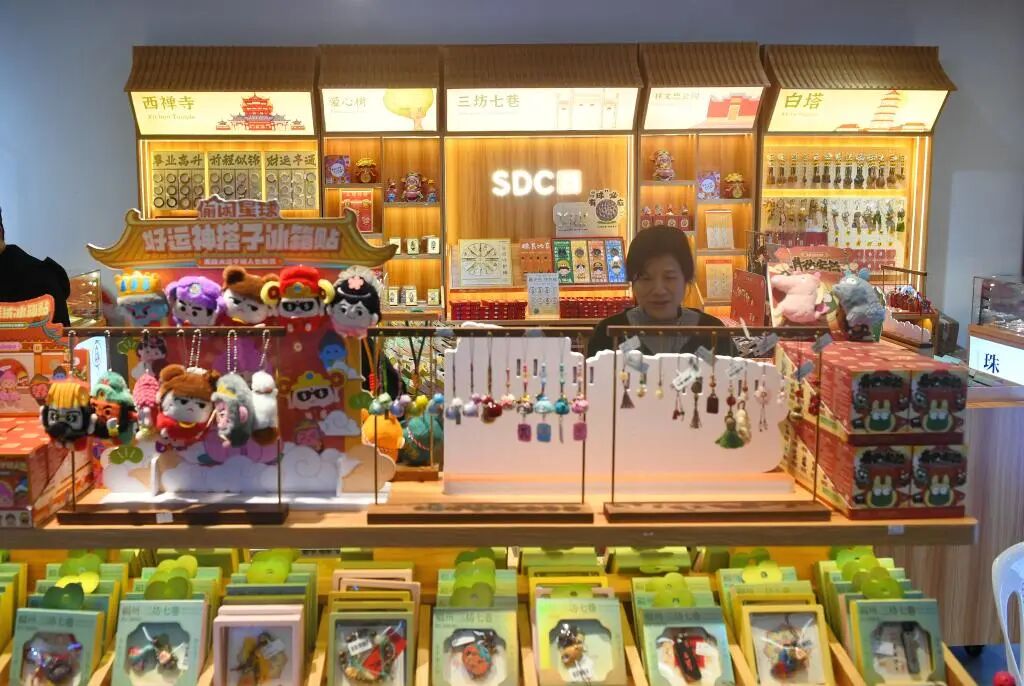
治愈系香薰机

Search documents
从“买有用”到“买开心”
Sou Hu Cai Jing· 2026-02-03 23:26
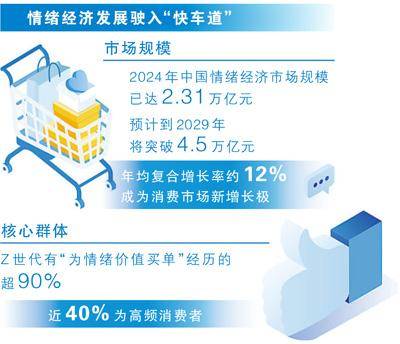
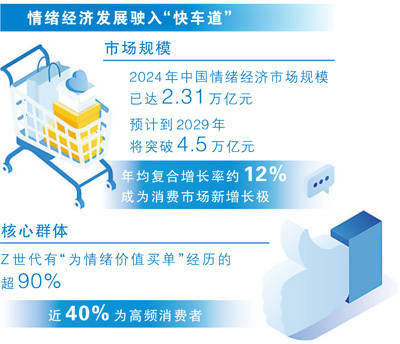
Core Insights - The rise of "crying horse" plush toys symbolizes the growing trend of self-indulgent consumption, reflecting a shift from functional value to emotional value in consumer behavior [2][3] Group 1: Emotional Consumption Trends - Emotional consumption is defined as purchasing non-essential items or experiences to achieve immediate pleasure and self-affirmation, indicating a transformation in consumer mindset from "buying useful" to "buying happiness" [2] - The emotional economy market in China is projected to reach 2.31 trillion yuan in 2024, with expectations to exceed 4.5 trillion yuan by 2029, highlighting its robust growth potential [2] - Local governments are increasingly recognizing this trend, with many incorporating emotional consumption strategies into their work reports [2] Group 2: Expanding Consumption Scenarios - The scope of self-indulgent consumption is broadening, with products like custom baby clothes, stress-relief toys, and niche accessories gaining popularity, as consumers prioritize emotional resonance and self-expression over mere practicality [3] - The focus on "interesting" and "meaningful" products indicates that emotional satisfaction is becoming a key driver of consumer willingness to spend, stimulating innovation on the supply side [3] Group 3: Industry Dynamics and Opportunities - The emotional economy is driving new business models, with manufacturers like those in Yiwu ramping up production of popular items, and DIY workshops and cultural experience venues gaining traction [4] - Diverse supply options are aligning with personalized consumer needs, injecting flexibility into consumption growth and creating new pathways for domestic demand expansion [4] - However, the industry must avoid "hollowness" in content, as some trending products rely on superficial attributes without sustainable narratives, which could hinder long-term success [4] Group 4: Strategic Recommendations - To capitalize on the emotional economy, businesses should innovate their offerings by understanding the nuanced emotional needs of different consumer segments, creating products that blend practicality with therapeutic benefits [5] - Policymakers should enhance consumer promotion measures, integrating emotional consumption into broader strategies for domestic demand and consumption stimulation [5] - Maintaining market order and consumer rights is essential for fostering a healthy environment for emotional consumption to thrive [5]

从“买有用”到“买开心”(商海观潮)
Sou Hu Cai Jing· 2026-02-03 22:17
Core Insights - The rise of "crying horse" plush toys symbolizes the growing trend of self-indulgent consumption, reflecting a shift from functional value to emotional value in consumer behavior [2][3] - The emotional economy market in China is projected to reach 2.31 trillion yuan in 2024 and exceed 4.5 trillion yuan by 2029, indicating strong growth potential [2] - Local governments are increasingly recognizing and promoting emotional consumption in their work reports, aligning with the broader trend of self-indulgent spending [2] Group 1: Trends in Self-Indulgent Consumption - Self-indulgent consumption is expanding beyond traditional boundaries, with consumers valuing emotional resonance and self-expression over mere practicality [3] - Products like custom children's clothing, stress-relief toys, and niche accessories are gaining popularity, highlighting a shift in consumer preferences towards items that provide emotional satisfaction [3] Group 2: Market Dynamics and Supply Innovations - The emotional economy is driving new market dynamics, with businesses adapting to meet the demand for products that offer joy and unique experiences [4] - Various sectors, including tourism and home goods, are innovating to provide products that enhance daily life and emotional well-being, such as themed accommodations and comforting home items [4] Group 3: Strategic Recommendations for Industry Growth - To capitalize on the emotional economy, companies should innovate their offerings by understanding the emotional needs of different consumer segments and creating products that combine practicality with therapeutic benefits [5] - Policymakers are encouraged to enhance consumer policies that support emotional consumption as part of broader strategies to stimulate domestic demand [5] - The industry must avoid superficial trends and focus on building sustainable emotional connections with consumers to ensure long-term success [4][5]
“犒赏经济”走红
Xin Hua She· 2026-01-19 08:53
Group 1 - The concept of "Reward Economy" has emerged in China, characterized by consumers purchasing non-essential items or experiences to gain immediate pleasure and self-affirmation in response to work and life pressures [2][3] - The rise of the "Reward Economy" reflects a shift in consumer values from functional utility to emotional value, indicating a transition from "buying useful" to "buying happiness" [3][6] - The development of the "Reward Economy" is a manifestation of China's growing consumer potential, with experiential rewards becoming a significant new trend in consumption [5][6] Group 2 - The潮玩 (trendy toy) market is a major driving force behind the "Reward Economy," with predictions indicating that the market size will reach 110.1 billion yuan by 2026 [6] - Various industries are adapting to emotional consumption demands by transforming products and services towards personalization, IP integration, and experiential offerings [6] - The rise of the "Reward Economy" highlights the resilience and vitality of the Chinese economy, showcasing an upgrade in consumer concepts that will empower domestic demand expansion and industrial upgrading [6]