固体火箭

Search documents
错过蓝箭航天的投资人,后来都投了谁?丨投中嘉川
投中网· 2026-01-26 02:12
Core Insights - The article discusses the rapid development and investment opportunities in the commercial aerospace sector in China, highlighting the upcoming IPO of Blue Arrow Aerospace and the overall investment landscape in the industry [6][10]. Investment Landscape - As of the end of 2025, over 600 billion RMB has been invested in domestic commercial aerospace companies, with a total of approximately 895 companies in the sector [10][12]. - From 2022 to 2025, there were 454 investment events involving 214 companies, with disclosed total investments exceeding 623.73 billion RMB [12][13]. - In 2025 alone, there were 140 investment events, with 106 companies receiving funding [13][14]. Notable Companies and Funding - The top five companies that received the most funding in 2025 were: 1. Tianbing Technology: 2.5 billion RMB [15] 2. Xinghe Power: 2.4 billion RMB [15] 3. Shikong Daoyu: 2 billion RMB [15] 4. Weina Starry Sky: 1.56 billion RMB [15] 5. Aerospace Yuxing: 1.03 billion RMB [15] - A significant equity transfer case involved Kegong Rocket, with a 29.5904% stake valued at approximately 3.299 billion RMB, marking a notable event in the commercial rocket sector [16]. New Entrants - In 2025, 69 new commercial aerospace companies were established, with 15 of them securing funding [17][20]. - The majority of these new companies are focused on rocket manufacturing and satellite technology, indicating a growing interest in the sector [20][22]. Investment Institutions - The most active investment institutions from 2022 to 2025 included Shenzhen Capital Group and Chengdu Science and Technology Investment Group, both of which made significant investments in commercial aerospace [27][28]. - Market-oriented institutions like Lushi Investment and Yuanhang Capital also played a crucial role, with over 15 investments each [28][30]. Geographic Distribution - The majority of commercial aerospace companies are concentrated in Beijing, Jiangsu, and Sichuan, which together account for 37% of the total companies in the sector [34][36]. - Beijing is home to 131 companies, Jiangsu has 102, and Sichuan has 98, reflecting the regions' strong research and manufacturing capabilities [34][36]. Conclusion - The commercial aerospace sector in China is rapidly evolving, with significant investments and a growing number of companies entering the market, driven by technological advancements and increasing demand for aerospace services [6][10][12].


刚刚,集体拉升!突传重磅消息!
天天基金网· 2026-01-22 08:25
Core Viewpoint - The commercial aerospace sector is experiencing a significant rally, with many related stocks seeing substantial gains due to various positive developments in the industry [2][3]. Group 1: Stock Performance - Commercial aerospace stocks have surged, with over 20 related stocks hitting the daily limit or rising more than 10% [2][3]. - The overall increase in the commercial aerospace sector exceeded 2% after a period of decline [3]. Group 2: Industry Developments - Reports indicate that Elon Musk is actively advancing SpaceX's IPO plans, aiming for completion by July [6][7]. - The third Beijing Commercial Aerospace Industry High-Quality Development Promotion Conference is scheduled for January 23-24, focusing on technological advancements and industry growth [4][5]. - A new offshore liquid rocket launch recovery test platform is under construction, with a mainstream commercial liquid rocket set for launch and recovery tests soon [3][5]. Group 3: Future Projections - By 2025, the commercial aerospace sector is expected to maintain rapid growth, with 50 launches planned, accounting for 54% of China's total space launches [5]. - The successful first flight of the reusable Zhuque-3 rocket marks a significant technological breakthrough in the sector [5]. Group 4: Market Insights - The commercial aerospace industry is entering a golden era driven by both demand and supply-side dynamics, with a focus on satellite launches and manufacturing [5]. - Analysts suggest that the rapid development of private rocket companies indicates a shift from national to commercial aerospace [5].





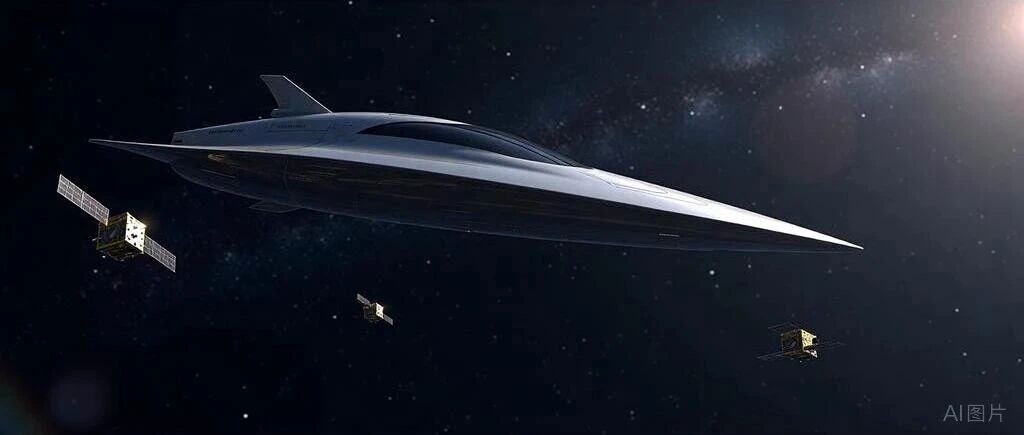
我国首个,海上液体火箭发射回收试验平台将投用
财联社· 2026-01-21 05:28
Core Viewpoint - The article highlights the significant advancements in China's commercial space industry, particularly focusing on the construction of the first offshore liquid rocket launch and recovery test platform in Haiyang, Shandong, as part of the national goal to accelerate the establishment of a strong space power [1][2]. Group 1: Offshore Launch Platform Construction - The construction of the offshore liquid rocket launch and recovery test platform is underway at the Dongfang Spaceport in Haiyang, Shandong, marking a milestone in China's commercial space endeavors [2]. - The platform features a hydraulic pit that is seven to eight meters deep, equipped with four hydraulic vertical oil cylinders capable of rotating hundreds of tons of liquid rockets from horizontal to vertical positions for launch [3]. - A 17-meter deep flow channel is designed to direct the high-temperature rocket exhaust during ignition, utilizing a circular spray pipe to quickly cool the exhaust and reduce noise, thereby protecting the launch facilities [5]. Group 2: Operational Timeline and Testing - Over 150 workers are engaged in the construction, aiming to complete the platform and begin testing by around February 5, with a mainstream commercial liquid rocket scheduled for launch and recovery tests shortly after the Spring Festival [7]. - The Dongfang Spaceport has previously conducted 22 offshore launch missions using solid rockets, which, while flexible and mobile, have limitations in payload capacity and recovery [9]. Group 3: Advantages of Liquid Rockets - Liquid rockets offer greater payload capacity and the potential for reuse, significantly reducing satellite network costs, positioning them as the primary focus for domestic commercial space launches [11]. Group 4: Comprehensive Industry Layout - The Dongfang Spaceport is strategically located on an artificial island, approximately 3 kilometers from the mainland, ensuring safety due to the absence of fixed residents [12]. - The facility is designed with multiple functional areas, including a launch and recovery test platform and supporting fuel storage areas for liquid oxygen, liquid nitrogen, kerosene, and methane, essential for liquid rocket operations [14]. - As the only offshore launch mother port in China, the Dongfang Spaceport has successfully launched 137 satellites, contributing to a comprehensive industrial ecosystem in Shandong that integrates offshore launch leadership, collaborative rocket manufacturing, and space application expansion [16].
我国首个海上液体火箭发射回收试验平台将投用
Yang Shi Xin Wen· 2026-01-21 05:04
Group 1 - The core objective of the "14th Five-Year Plan" includes the goal of accelerating the construction of a strong aerospace nation, with a focus on commercial space activities [1] - The first offshore liquid rocket launch recovery test platform in China is under construction in Yantai, Shandong, which is expected to be completed and begin testing around February 5 [2] - The platform features a hydraulic pit and a flow channel designed to manage the high temperatures and noise generated during rocket launches, ensuring the protection of launch facilities [2] Group 2 - The Dongfang Spaceport, located on an artificial island, is strategically positioned about 3 kilometers from the mainland, meeting safety requirements for offshore launches [3] - The spaceport has successfully launched 137 satellites into space and is leading the development of a comprehensive commercial aerospace industry chain in Shandong, which includes satellite manufacturing and space applications [3] - The industry layout in Shandong is characterized by a collaborative ecosystem involving multiple cities, with Yantai, Jinan, and Qingdao as core areas supporting the commercial aerospace sector [3]
民营火箭着急上天,但钱的问题还没解决
Xin Lang Cai Jing· 2025-10-29 07:45
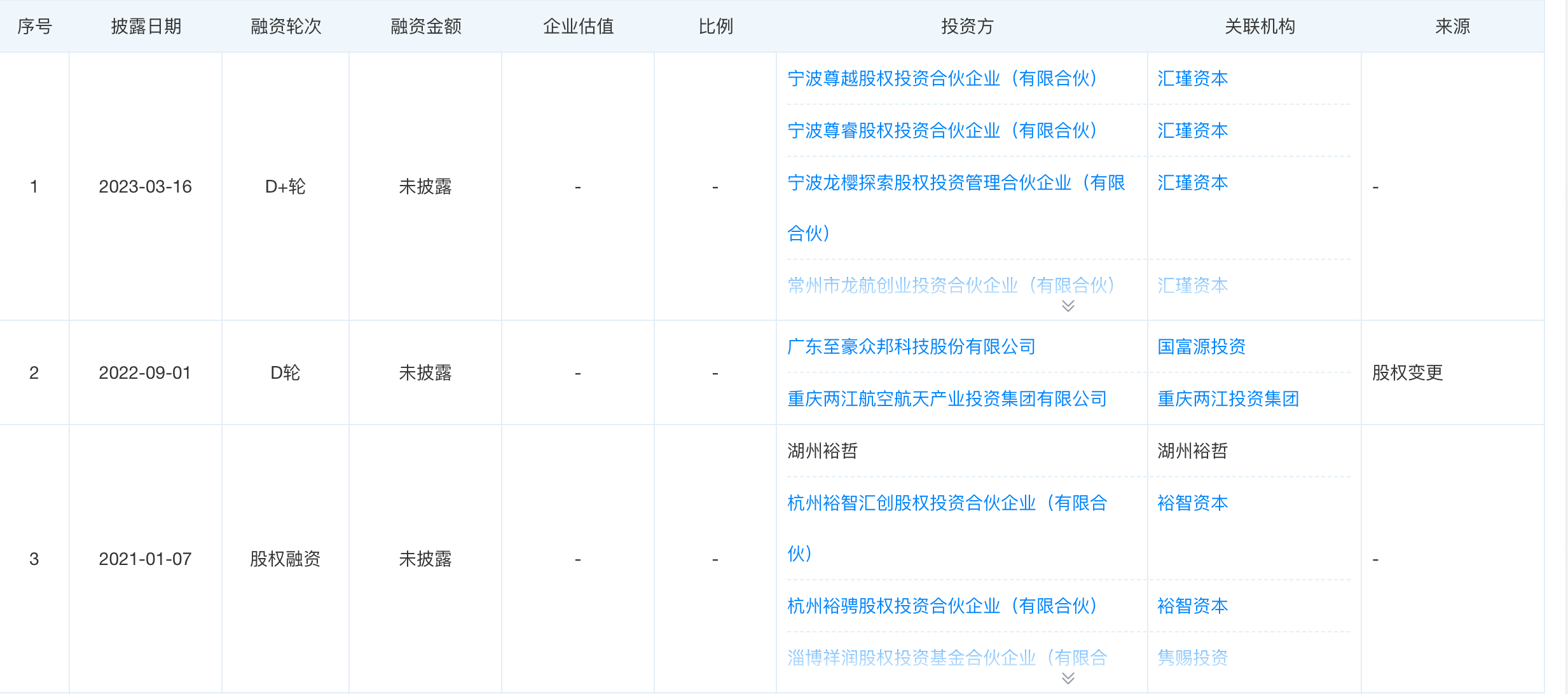
Core Viewpoint - The recent surge in IPO applications and financing activities among private rocket companies in China indicates a growing interest and investment in the commercial space sector, driven by supportive policies and increasing market demand [1][8]. Group 1: IPO Activities - Several private rocket companies, including Tianbing Technology and Xinghe Power, have initiated IPO counseling processes, with at least six leading firms on the path to going public [1]. - The China Securities Regulatory Commission's new guidelines support unprofitable companies in the commercial space sector to meet the listing standards, enhancing the inclusivity of the market [1]. Group 2: Financing Trends - Xinghe Power completed a D-round financing of 2.4 billion yuan, marking the highest single financing amount for a private rocket company in China as of September 30 [3]. - The commercial space sector has seen a total of 138 financing events in 2024, with disclosed amounts reaching 20.239 billion yuan, setting a historical record [3]. - From the beginning of the year to mid-August, over 120 financing events were reported in the commercial space sector, totaling more than 5.2 billion yuan [4]. Group 3: Shift in Investment Dynamics - Recent financing trends show a shift towards local state-owned enterprises leading investments, while other market-oriented capital is withdrawing [5][6]. - The exit of significant private investors, such as Country Garden Venture Capital from Blue Arrow Aerospace, highlights the changing landscape of funding in the sector [5]. Group 4: Challenges and Market Dynamics - Despite the influx of financing, many private rocket companies still face challenges in securing funds, with some previously prominent firms becoming less visible or ceasing operations [6][9]. - The commercial space industry in China has historically lagged behind global counterparts like SpaceX, primarily due to insufficient capital investment and reliance on external financing [9][11]. Group 5: Profitability and Operational Challenges - Many private commercial space companies exhibit low profitability, with a significant number reporting negative returns on equity and assets [11]. - The path to profitability for companies like Xinghe Power is complicated by the high costs associated with rocket launches and the need for technological advancements to reduce operational expenses [12][14]. Group 6: Future Outlook - The recent policy relaxations have opened up opportunities for private rocket companies to pursue IPOs, but the success of these ventures remains uncertain [8]. - The competitive landscape is intensifying as companies race to achieve successful launches, particularly in the liquid rocket segment, which is crucial for meeting market demands [13][15].
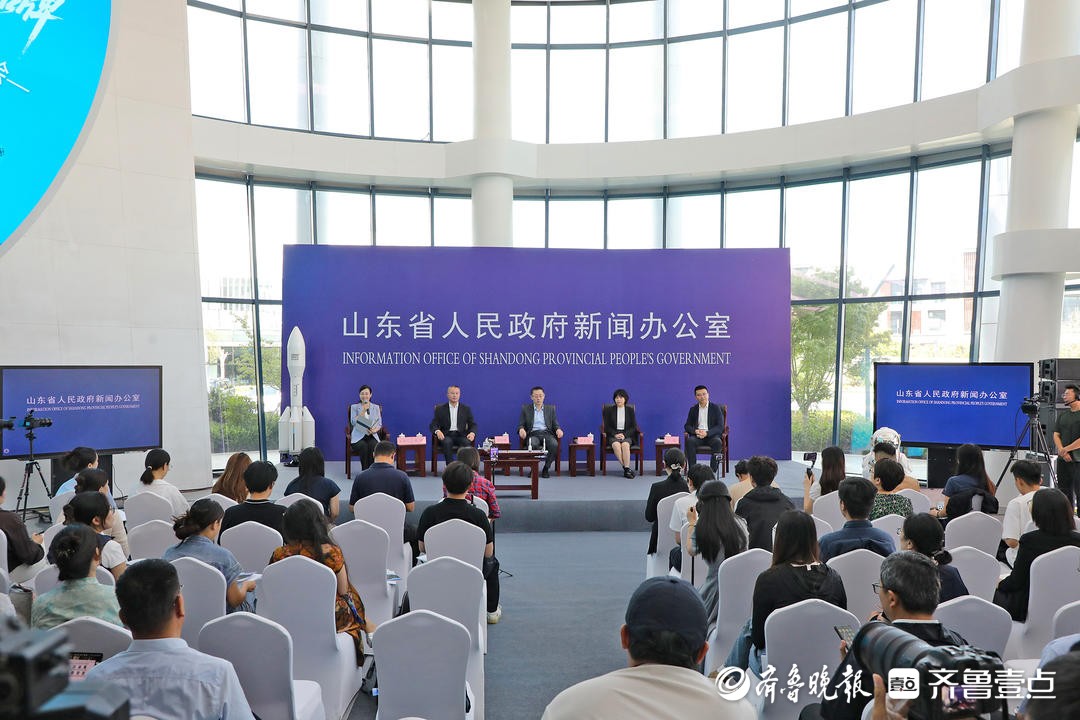
山东布局商业航天全产业链
Qi Lu Wan Bao· 2025-09-15 21:48
Core Insights - Shandong Province is positioning its commercial aerospace industry as a significant new sector with strong growth potential, following the successful completion of China's first offshore rocket launch in June 2019 [1][2] Group 1: Development Characteristics - The offshore launch capability has been a major driving force, with Shandong completing 18 offshore launch missions and successfully placing 115 satellites into orbit, establishing itself as a leader in launch frequency and capability in China [1] - The commercial aerospace industry in Shandong is developing in a clustered manner, with Yantai focusing on offshore launch organization and rocket manufacturing, Jinan concentrating on satellite research and ground equipment manufacturing, and Qingdao specializing in measurement and control services and marine remote sensing applications [1] Group 2: Full Industry Chain Coverage - Shandong has achieved a comprehensive layout from rocket manufacturing to satellite production and supporting industries, with three types of solid rockets and two types of liquid rockets already in production, alongside multiple engine and key component manufacturing projects [2] - The satellite industry in Shandong has launched 73 satellites through 14 local entities, with the Jinan Steel Group's Zhiwei satellite production line expected to produce 100 satellites annually, enhancing the province's satellite manufacturing capabilities [2] - Key supporting industries such as aerospace electronics, special materials, propellants, and high-precision fasteners are being upgraded, with several leading companies established to support the entire industry chain [2] Group 3: Service and Support Capabilities - The Dongfang Aerospace Port Group possesses the only offshore rocket launch vessel in China and has formed a well-equipped and experienced launch support team to efficiently meet various offshore launch demands [3] - Shandong's commercial rocket engine testing facilities are the largest in the country, with nine test stands and twelve testing stations established, capable of meeting local and regional testing needs, thus ensuring high-frequency launches and safe operations [3] - The province aims to continue enhancing its commercial aerospace industry by focusing on innovation, improving the industry chain, and boosting support capabilities for higher quality development [3]
具备年总装50发火箭产能,东方航天港打造空天运载“4s店”
Qi Lu Wan Bao Wang· 2025-09-11 14:13
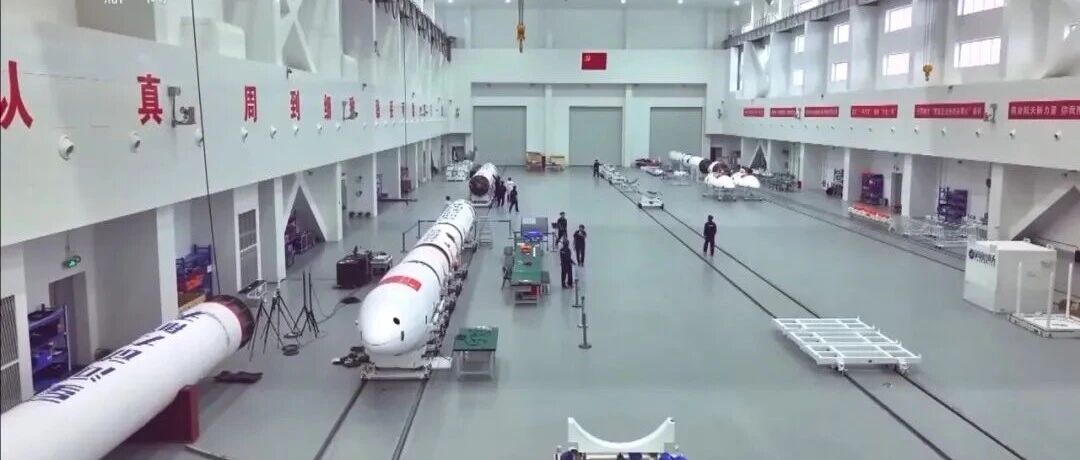
Core Insights - The Shandong Provincial Government is promoting the "Shandong Good Brand on the Industrial Chain" initiative, focusing on the development of the commercial aerospace industry, particularly in the area of sea-based rocket launches [1] Group 1: Rocket Development - The company has established the largest solid rocket production base in China, with a capacity to assemble 50 rockets annually in a facility covering 320,000 square meters [2] - The company aims to reduce commercial rocket launch costs and provide services that transform designs into products for national commercial rocket companies [2] - The company has successfully supported 18 sea-based launch missions for four types of solid rockets, launching a total of 115 satellites [1][2] Group 2: Satellite and Data Services - The company has launched a large-scale intelligent remote sensing satellite constellation, comparable to Google Earth, and developed a fully domestic "Digital Earth Engine" [2] - A provincial-level new satellite data intelligence computing center has been established, creating a vertical satellite industry system [2] Group 3: Future Plans - The company is focusing on developing sea-based launch capabilities for liquid rockets, with ongoing construction of the liquid rocket assembly and testing facilities [2] - The goal is to achieve the first sea-based launch of a liquid rocket by the end of this year or next year, creating a new advantage in the compatibility and efficiency of solid and liquid rocket launches [2]
山东商业航天产业蓬勃起势,海上发射能力与频次稳居全国前列
Qi Lu Wan Bao Wang· 2025-09-11 13:23
Core Insights - The Shandong Province government is actively promoting the commercial aerospace industry, positioning it as a significant growth area for the local economy [1][3]. Group 1: Development Milestones - Shandong successfully completed its first domestic offshore rocket launch in June 2019, marking the beginning of its commercial aerospace industry development [1]. - The province has conducted a total of 18 offshore launch missions, successfully placing 115 satellites into orbit, establishing a leading position in offshore launch capabilities and frequency nationwide [3]. Group 2: Industry Characteristics - The commercial aerospace industry in Shandong exhibits a strong clustering effect, with different cities focusing on specific areas: Yantai on offshore launch organization and rocket manufacturing, Jinan on satellite research and ground equipment manufacturing, and Qingdao on measurement and control services and marine remote sensing applications [3]. - Shandong has achieved a full industry chain layout, covering rocket manufacturing, satellite production, and supporting industries, with significant projects in solid and liquid rocket assembly and satellite production capabilities [4]. Group 3: Supporting Infrastructure - The Oriental Aerospace Port Group possesses the only dedicated offshore rocket launch vessel in China and has established a professional launch support team to efficiently handle various offshore launch needs [5]. - Shandong's rocket engine testing facilities are the largest in the country, with multiple test sites established to meet the testing and validation needs of local enterprises and surrounding regions [5]. Group 4: Future Goals - The province aims to build an internationally leading commercial aerospace industry base by enhancing innovation, improving the industry chain, and increasing support capabilities for high-quality development [5].