
国家终身教育智慧教育平台

Search documents
“十四五”期间我国数字教育实现从“量的扩增”到“质的飞跃”
Xin Hua Wang· 2026-01-03 22:30
Core Viewpoint - The Ministry of Education of China has reported significant advancements in educational digitalization during the "14th Five-Year Plan" period, highlighting a transition from quantity to quality in digital education, which has become a crucial support for building a strong education system in China. Group 1: Educational Resource Development - A world-class educational resource center has been established, featuring over 130,000 quality resources for primary and secondary education, 12,500 vocational education courses, and 145,000 higher education courses, with a total user base exceeding 178 million and daily visits reaching 52 million [1] - The platform has integrated over 60 application tools to support various educational scenarios, enabling advanced teaching methods such as flipped classrooms and project-based learning, significantly enhancing overall teaching quality [1] - More than 64 million teachers have utilized the platform for lesson preparation, and over 90 million teachers have been trained through it, greatly improving their digital literacy and professional capabilities [1] Group 2: Lifelong Learning Center - A lifelong learning center has been established, gathering over 8,000 courses from 38 institutions, specifically targeting employment skills and continuing education for graduates and social learners [2] - The "Double Thousand" plan has been launched, offering over 2,600 micro-specialties and 1,400 vocational training courses to promote high-quality employment [2] - Initiatives for elderly learners have been introduced, including resources for cultural literacy and personal interests, enhancing the learning experience for older adults [2] Group 3: Public Service Center - A public service center has been created, consolidating 51 government services across eight categories, serving a total of 140 million people [3] - The platform has improved efficiency by integrating with 32 provincial government service platforms, facilitating services like student status inquiries and certificate verifications [3] - Pilot programs in regions like Xining have achieved nearly 50% of enrollment applications with "zero materials," significantly reducing processing time and easing the burden on parents [4] Group 4: Data Center and Governance - A national education big data center has been established, connecting with 32 provincial education departments and over 1,000 universities, enhancing data sharing and governance capabilities [4] - The integration of data has led to the creation of an "education digital map," allowing for scientific analysis and forecasting of school-age populations and talent supply [4] Group 5: International Influence - The first "China Smart Education White Paper" has been published, enhancing China's international influence in digital education [5] - The global version of the China Smart Education platform offers nearly 900 multilingual courses, promoting cultural exchange and sharing quality educational resources [5] - China has become a leading nation in the UNICEF "Public Digital Learning Portal Project," and the national platform has received the highest award for educational informationization from the UN [5]
用户总量超1.78亿 我国建成世界规模最大教育资源中心
Zhong Guo Jing Ji Wang· 2025-12-30 13:14
Core Viewpoint - The Ministry of Education has reported significant achievements in the digitalization of education during the "14th Five-Year Plan" period, highlighting the establishment of the world's largest and high-quality education resource center [1][2]. Group 1: Education Resource Development - The National Smart Education Public Service Platform has aggregated over 130,000 quality resources for primary and secondary education, more than 12,500 premium vocational education courses, and 145,000 high-quality higher education courses, covering the entire educational spectrum from preschool to postgraduate education [1]. - The platform has reached a total user base of over 178 million, with access from over 200 countries and regions, achieving a daily average of 52 million visits and a cumulative total of over 72.6 billion visits [1]. Group 2: Teacher Support and Training - The platform integrates over 60 application tools to support key educational scenarios such as student learning, teacher preparation, tutoring, after-school services, and home-school collaboration, all available for free to users [1]. - More than 6.4 million teachers have utilized the platform for lesson preparation and teaching, with a total of over 90 million teachers trained through the platform, significantly enhancing their digital literacy and professional capabilities [1]. Group 3: Lifelong Learning Initiatives - The National Lifelong Education Smart Education Platform has gathered over 8,000 courses from 38 institutions, launching the "Double Thousand" plan to enhance employment capabilities, with over 2,600 "micro-specialties" and more than 1,400 vocational training courses available [2]. - The platform features programs aimed at senior citizens, including the "Silver Age Classroom" and cultural literacy courses, with a notable health course by academician Zhong Nanshan attracting over 12 million views on its launch day [2]. Group 4: Government Services Enhancement - The National Platform's public service hall consolidates 51 government services across eight categories, serving a cumulative total of 140 million people [2]. - Services such as student status inquiries, certificate verification, and degree authentication have been streamlined, with integration into 32 provincial and municipal government service platforms, facilitating a "one-stop acceptance, one network for all" approach [2]. - Pilot programs in places like Xining, Qinghai, have enabled nearly 50% of compulsory education admissions to be processed with "zero materials," significantly reducing processing times and easing the burden on parents [2].
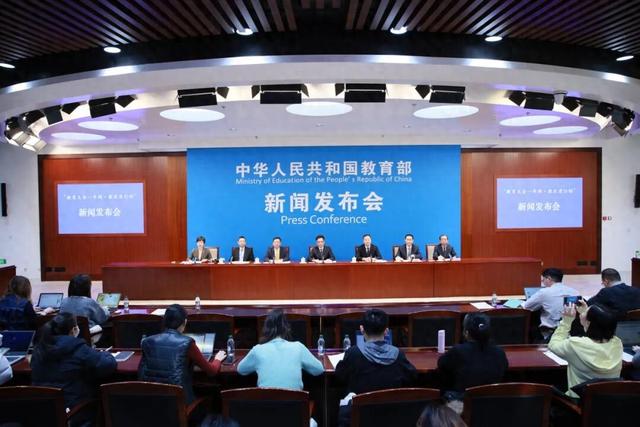
教育数字化亮出“成绩单”!去教育部发布会现场看看
Bei Jing Ri Bao Ke Hu Duan· 2025-12-30 08:21
Core Viewpoint - The "14th Five-Year Plan" marks a significant year for educational digitalization in China, which is seen as a crucial breakthrough for developing new educational advantages and opportunities [1][3]. Group 1: Implementation of the Digital Education Strategy - The digital education strategy is essential for building a strong educational nation, as emphasized by President Xi Jinping, and is included in the Party's 20th National Congress report [3][4]. - The Ministry of Education has initiated the national digital education strategy, focusing on integration, intelligence, and internationalization, which has led to a qualitative leap in digital education [4][26]. Group 2: Achievements of the National Education Digitalization Strategy - The National Smart Education Public Service Platform has over 178 million users, covering more than 200 countries and regions, with a daily access volume of 52 million [5][6]. - The platform has gathered over 130,000 quality resources for primary and secondary education, 12,500 vocational education courses, and 145,000 higher education courses, covering all educational stages [6][27]. - Various applications like dual-teacher classrooms and famous teacher classrooms are widely implemented, promoting equitable access to quality educational resources [7][8]. Group 3: Enhancements in Teaching Quality and Teacher Development - The platform integrates over 60 application tools to support various educational scenarios, enhancing teaching quality through innovative teaching methods [8][9]. - More than 64 million teachers have utilized the platform for lesson preparation, and over 90 million teachers have received training, significantly improving their digital literacy and professional skills [9][10]. Group 4: Lifelong Learning and Community Engagement - The national lifelong education platform offers over 8,000 courses from 38 institutions, catering to various learning needs, including job skills and personal enrichment [10][11]. - Initiatives like the "Silver Age Learning" program provide resources for elderly learners, enhancing their quality of life through education [11][12]. Group 5: Data-Driven Educational Governance - The establishment of the National Education Big Data Center facilitates data sharing and analysis across educational institutions, improving governance and resource allocation [18][19][30]. - The integration of data-driven decision-making enhances the precision and efficiency of educational management, moving towards a more modern governance model [30][21]. Group 6: International Collaboration and Influence - China has hosted the World Digital Education Conference for three consecutive years, attracting participants from 84 countries, showcasing its international influence in digital education [22][25]. - The release of the "China Smart Education White Paper" provides a framework for global digital education development, promoting cultural exchange and collaboration [23][24]. Group 7: Future Directions - The Ministry of Education plans to advance the national digital education strategy 2.0, focusing on enhancing public service levels and governance capabilities in education [26].

我国教育数字化发展成效显著:“双平台”涵盖教育教育全过程,服务全龄段学习者
Huan Qiu Wang· 2025-12-30 08:21
Core Insights - The Ministry of Education has reported significant advancements in educational digitalization during the "14th Five-Year Plan" period, particularly since the launch of the National Education Digitalization Strategic Action, emphasizing a shift from quantity to quality in digital education [3][4] Group 1: Digital Education Development - The National Smart Education Public Service Platform has become the world's largest and highest-quality educational resource center, aggregating over 130,000 primary and secondary school resources, 12,500 vocational education courses, and 145,000 higher education courses, with a total user base exceeding 178 million and daily visits reaching 52 million [3][4] - The platform supports various educational applications, including dual-teacher courses and specialized classrooms, promoting equitable access to quality resources across regions [3][4] Group 2: Lifelong Learning Center - A lifelong learning center has been established, offering over 8,000 courses from 38 institutions, focusing on skill enhancement for graduates and social learners, including over 2,600 micro-credentials and 1,400 vocational training courses [5] - The platform has also introduced initiatives for elderly learners, such as health courses that gained over 12 million views shortly after launch, enhancing knowledge accessibility for all age groups [5] Group 3: Public Service Center - The National Platform's public service center has integrated 51 educational services, serving 140 million people, and has improved efficiency through a one-stop service model, significantly reducing the administrative burden on parents [6][7] - The platform has implemented a national student financial aid management system, streamlining access to scholarship information and other support services [6] Group 4: Education Data Center - The National Education Big Data Center has established connections with 32 provincial education departments and over 1,300 universities, facilitating data sharing and enhancing educational governance through precise resource allocation [7] - The data-driven approach has enabled the development of models for identifying economically disadvantaged students, ensuring targeted financial support [7] Group 5: International Influence - The first Smart Education White Paper was released, showcasing China's digital education model and attracting participation from over 400 international guests at the World Digital Education Conference [8] - The establishment of the World Digital Education Alliance and the launch of multilingual courses have enhanced China's global educational influence, with initiatives reaching 31 countries [8] Future Directions - The Ministry of Education plans to advance the National Education Digitalization Strategic Action 2.0, focusing on improving public service levels and governance capabilities in digital education [9]

各地多措并举推动数字赋能学习型社会建设
Xin Hua She· 2025-06-27 14:34
Group 1 - The event focused on building a digitally empowered learning society, with representatives sharing successful cases of digital education initiatives [1] - The National Open University aims to create a lifelong education network that connects urban and rural areas, serving as a foundation for a learning-oriented society [1] - The university's digital education platform has served 9.63 million learners in just six months, showcasing the effectiveness of digital technology in enhancing learning resources [1] Group 2 - Wuhan is leveraging its red education resources to create a "virtual three-dimensional digital memorial hall," expecting 7.26 million visitors in 2024 [2] - Changsha Civil Affairs Vocational College is digitizing practical teaching scenarios by developing virtual nursing homes and a digital museum of Chinese elderly culture, integrating 48 virtual simulation training systems [2] - Zhejiang Province is implementing a "five-level connection" framework to build the "Zhejiang Learning Pass" core platform, ensuring educational resources are accessible at the community level [2] Group 3 - The Ministry of Education plans to strengthen the national lifelong education platform to gather diverse learning resources and promote collaboration among school, family, and social education [2]