坚果年货礼盒

Search documents
沃尔玛年货,把简单配料坚持到底
半佛仙人· 2026-02-04 09:07
Core Viewpoint - The article emphasizes that Walmart has redefined the concept of "New Year goods" by introducing over 300 innovative products that evoke excitement and anticipation, contrasting with other retailers that merely repackage old inventory [4][5][7]. Group 1: Walmart's Strategy - Walmart has introduced a wide range of unique products for the New Year, including unexpected combinations like avocado in mung bean cake and shrimp in sausage, showcasing creativity and novelty [4][5]. - The company aims to restore the original meaning of New Year goods as a reward for hard work throughout the year, rather than a mere inventory clearance [7][8]. - Walmart's supply chain efficiency allows it to offer high-quality products at competitive prices, ensuring customer trust and satisfaction [11][12][15]. Group 2: Consumer Experience - The article highlights that consumers are tired of traditional, stale products and are looking for fresh, exciting options during the New Year, which Walmart successfully provides [8][10]. - Walmart's approach eliminates the need for consumers to engage in complex decision-making, allowing them to enjoy a straightforward shopping experience [15][16]. - The introduction of new products not only meets consumer expectations but also enhances the overall festive experience, making it feel rewarding rather than burdensome [8][16].



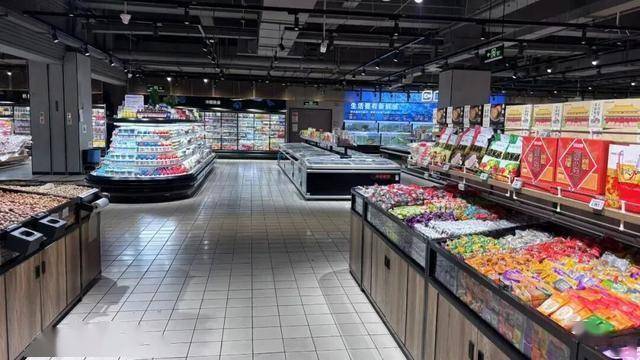
探店北京区域“胖改”店
Sou Hu Cai Jing· 2026-01-26 16:36
Core Viewpoint - The transformation of traditional supermarkets is not just about store renovation but involves deeper challenges such as supply chain restructuring, organizational culture change, and sustainable profitability [1]. Group 1: Consumer Behavior and Store Experience - Consumers have decreased in number at renovated stores, with some expressing dissatisfaction over higher prices and a lack of everyday items like fresh produce [3][6][8]. - Renovated stores have adopted a more boutique supermarket style, which some consumers find appealing, but others feel it lacks the "liveliness" and affordability of previous offerings [6][10][11]. - Observations indicate that foot traffic has significantly declined post-renovation, with stores that were once crowded now appearing empty, especially during peak shopping times [8][10]. Group 2: Pricing and Competition - The price increases following renovations have led consumers to seek alternatives, with many opting for online shopping where prices are often lower [14][16]. - Comparisons show that some products in renovated stores are priced significantly higher than similar items available on e-commerce platforms, leading to a perception of poor value [16][18]. - The competition from membership-based warehouse stores like Sam's Club adds pressure on traditional supermarkets to justify their pricing strategies [31]. Group 3: Operational Challenges and Employee Dynamics - The transformation efforts have resulted in a substantial increase in labor costs, with employee numbers and salaries rising significantly, which poses challenges to profitability [35][37]. - The need for consistent service quality across different locations and store sizes remains a critical challenge as companies scale their renovation efforts [37]. - The unique cultural and operational strengths of successful models like "胖东来" are difficult to replicate, creating a gap in execution for other supermarkets [35][37]. Group 4: Future Outlook and Strategic Considerations - The ongoing transformation of traditional supermarkets is seen as a necessary evolution in response to changing consumer preferences and competitive pressures [29][33]. - The ability of companies to navigate deeper operational challenges will determine whether they can establish themselves as sustainable "quality supermarkets" rather than fleeting trends [37][38].