
基于RTX Pro的联想企业级AI系统

Search documents
大模型开启架构革命之年,AI全产业链酝酿新变局
Sou Hu Cai Jing· 2026-01-06 10:27
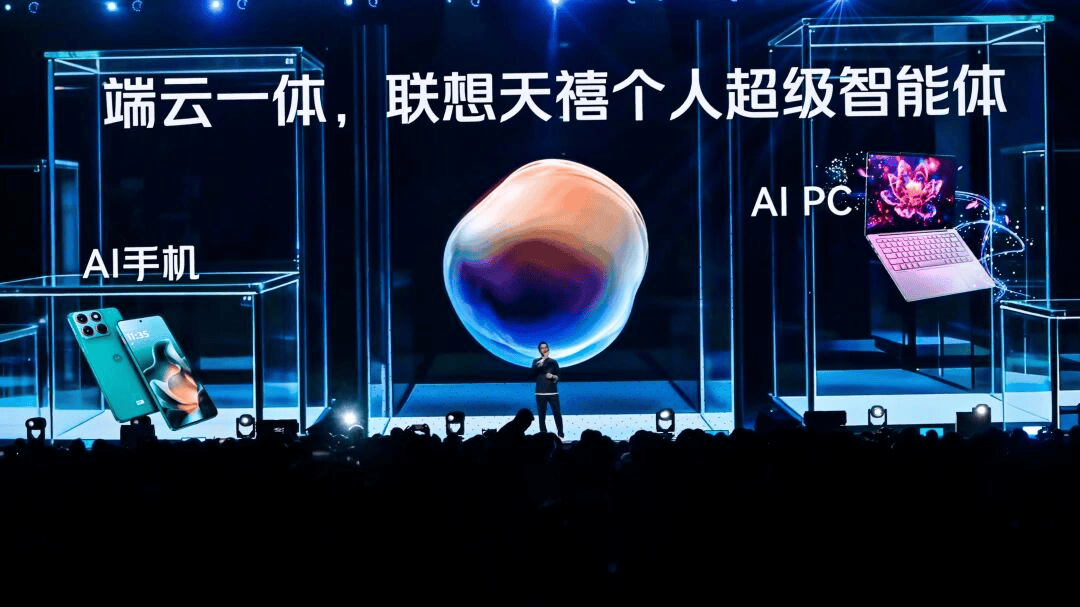
Core Insights - The AI industry is experiencing a wave of architectural innovations, with significant developments from DeepSeek and collaborations between Princeton and UCLA, as well as a new model architecture from Yann LeCun expected within 12 months [1] - The emergence of new model architectures is seen as a crucial driver to overcome the diminishing returns associated with existing models, particularly as companies like OpenAI face limitations in performance improvements [1] - The integration of different architectural innovations will lead to a new phase of application acceleration in the AI sector, emphasizing the importance of user experience and model capability enhancement [1] Group 1: Architectural Innovations - DeepSeek introduced the mHC framework, which enhances stability and scalability while reducing computational and energy demands, making it valuable for industrial applications [6] - The DDL architecture allows neural networks to dynamically manage their internal memory states, catering to complex information processing needs in government, research, and commercial sectors [6] - Yann LeCun's JEPA architecture breaks the reliance on text, enabling understanding through video and spatial data, which is essential for applications like smart glasses and robotics [6][7] Group 2: Market Dynamics - The competition among AI model vendors is intensifying, with varying progress and strategies in implementing new architectures, leading to differentiation in capabilities across different fields [1][5] - Lenovo's multi-model integration strategy allows users to access various top-tier models, enhancing the "AI Twin" experience and addressing diverse application needs [6][9] - The rise of large-scale AI enterprises, such as Lenovo's Tianxi AI with over 280 million active users, poses challenges for smaller startups in selecting appropriate architectural paths [3][5] Group 3: Infrastructure and Hardware - The new model architectures necessitate upgrades in computational infrastructure, presenting opportunities for suppliers like Lenovo, which has shown proactive market responsiveness [2][10] - Lenovo's introduction of the WR5215 G5 server, featuring significant performance improvements and compatibility with domestic software ecosystems, highlights its strategic alignment with emerging architectural needs [10][12] - The collaboration between Lenovo and NVIDIA to develop a revolutionary server indicates a strong focus on integrating advanced chip technology to support diverse AI applications [12][13] Group 4: Future Outlook - Anticipation surrounds potential major releases from DeepSeek, which could further stimulate practical applications and economic value in the AI sector [14] - The ability of companies to adapt to the evolving landscape of model architectures and effectively integrate them into their offerings will be critical for maintaining competitive advantages [9][14]


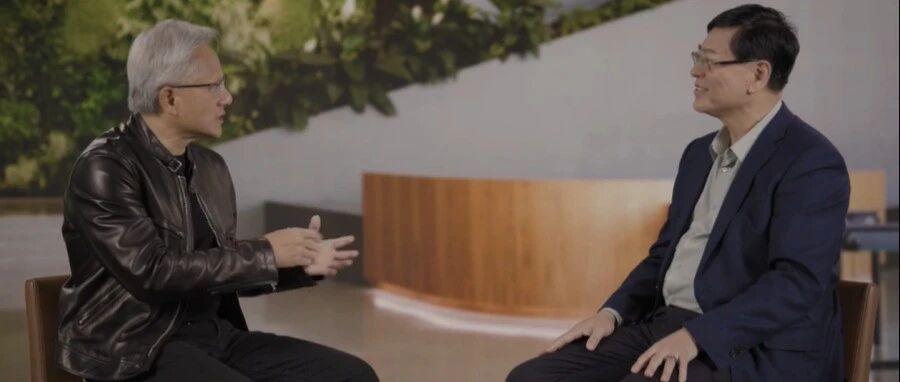
杨元庆重磅对谈黄仁勋,透露新合作、AI新风口
21世纪经济报道· 2026-01-03 23:50
Core Viewpoint - The next opportunity in artificial intelligence (AI) is identified as "hybrid AI," which is expected to be a key breakthrough in the enterprise-level AI market and will permeate various sectors of the real economy, creating significant market opportunities [2][3]. Group 1: Trends in AI Development - The evolution of AI is moving from "generative AI" to "agent-based AI," focusing on reasoning and problem-solving capabilities, which will enhance the applicability of AI in enterprises [3]. - The core trend in the next phase of AI development will center on the enterprise market, characterized by the deep integration of public cloud models and customized open-source models [3]. Group 2: Collaboration between Lenovo and NVIDIA - NVIDIA and Lenovo are collaborating to develop an enterprise-level AI system based on RTX Pro, with NVIDIA providing advanced chips for this revolutionary server [4]. - The scale of cooperation between NVIDIA and Lenovo has already increased fivefold in recent years, with expectations to grow another fivefold in the next two years [5][6]. Group 3: Market Potential and Future Outlook - Every company and industry is expected to adopt AI, and countries are building AI infrastructure, which provides vast opportunities for collaboration between Lenovo and NVIDIA [7]. - The integration of technological advantages in server development and factory construction will drive AI automation transformations in industries such as manufacturing and logistics [7].

黄仁勋对谈杨元庆:30年老友立下新目标
第一财经· 2026-01-03 14:58
Core Viewpoint - The dialogue between Huang Renxun, CEO of NVIDIA, and Yang Yuanqing, CEO of Lenovo, highlights their companies' collaborative vision for the future of computing and AI, emphasizing the significant growth potential in the AI sector, particularly through hybrid AI systems [3][4]. Group 1: AI Development Trends - The next phase of AI development will showcase two major trends: the integration of public cloud advanced models with private customized models, and the application of hybrid enterprise intelligence across various industries [5]. - Huang Renxun predicts that the collaboration between NVIDIA and Lenovo could expand fivefold in the next two years, driven by the increasing adoption of AI across all sectors and countries [6]. Group 2: Collaborative Innovations - NVIDIA and Lenovo are jointly developing an enterprise-level AI system based on RTX Pro, which is expected to be a revolutionary server aimed at scaling in the enterprise market [5]. - The upgraded system architecture by NVIDIA enhances token efficiency by 10 to 15 times, indicating a significant technological advancement that will benefit various fields such as industrial, logistics, and robotics [6].

黄仁勋称将与联想集团联合发布一款“革命性服务器”
Ge Long Hui A P P· 2026-01-03 14:05
Core Viewpoint - Lenovo Group is collaborating with NVIDIA to develop an enterprise-level AI system based on RTX Pro technology, with NVIDIA providing advanced chips for the project [1] Group 1: Collaboration Details - NVIDIA's CEO Jensen Huang described the upcoming server as revolutionary and expressed eagerness to launch the product for large-scale enterprise market promotion [1] - Lenovo is expected to reveal technical details of this project at the upcoming Lenovo Global Innovation Technology Conference [1] Group 2: Future Prospects - The scale of collaboration between NVIDIA and Lenovo is projected to increase fivefold over the next two years [1]
黄仁勋称将与联想集团联合发布一款"革命性服务器"
Ge Long Hui· 2026-01-03 13:02
Core Insights - The conversation between Lenovo's Chairman Yang Yuanqing and NVIDIA's CEO Jensen Huang highlighted two major trends in the future of AI: enterprise-level AI will become the core battlefield, and hybrid AI will be a key breakthrough point [1] - AI is evolving from "generative AI" to "agent-based AI," enhancing reasoning and problem-solving capabilities, which opens up more possibilities for AI applications [1] - The collaboration between Lenovo and NVIDIA is set to deepen, focusing on the integration of public cloud models with customized enterprise open-source models [1] Group 1 - NVIDIA and Lenovo are jointly developing an enterprise-level AI system based on RTX Pro, with NVIDIA providing advanced chips for this revolutionary server [2] - Lenovo is expected to unveil technical details of this project at the upcoming Lenovo Global Innovation Technology Conference [2] - The partnership between NVIDIA and Lenovo has lasted nearly 30 years, with significant synergy between Lenovo's liquid cooling technology and NVIDIA's architectural innovations [2] Group 2 - The scale of collaboration in the AI field between the two companies has increased fivefold over the past few years, with the potential to double again in the next two years [2] - Jensen Huang emphasized that every company and industry is adopting AI, creating vast opportunities for collaboration [2] - Lenovo plans to continue leveraging its strengths in server development and factory construction to drive AI automation transformations in industries such as manufacturing and logistics [2]