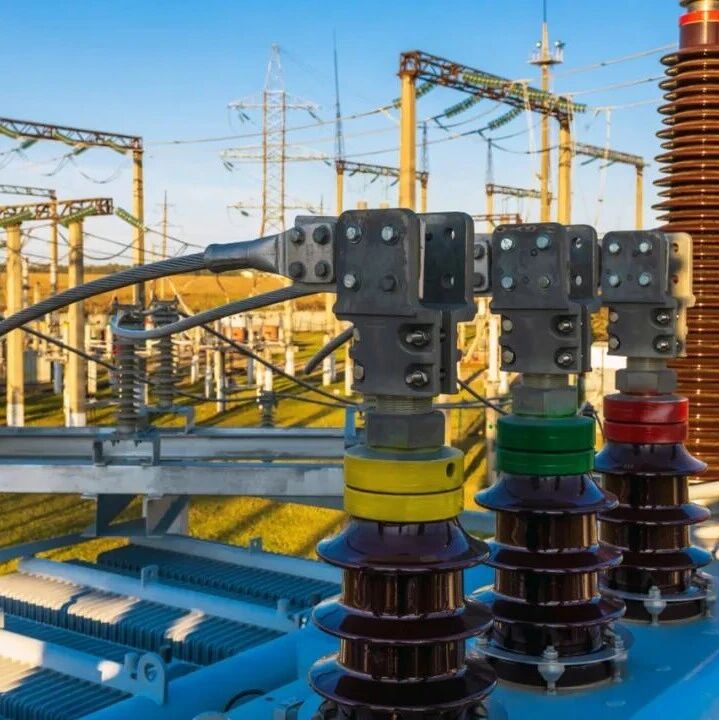
大型电力变压器

Search documents
心智观察所:AI狂奔,中国变压器成了最硬通货
Guan Cha Zhe Wang· 2026-01-27 00:43
Core Viewpoint - The article emphasizes that the real bottleneck for the future of artificial intelligence (AI) is not computational power but electrical power, specifically the availability of large power transformers (LPTs) which are critical for energy infrastructure [1][2]. Group 1: Current Situation in the U.S. - The U.S. is facing a significant shortage of large power transformers, which are essential for converting high-voltage electricity for long-distance transmission [2][3]. - The average delivery time for a standard large transformer has reached 128 weeks, while transformers for data centers can take up to 144 weeks, with some cases nearing four years [2]. - Over 80% of large power transformers in the U.S. are expected to be imported by 2025 due to the decline of domestic manufacturing capabilities [3]. Group 2: Policy and Economic Implications - The U.S. government has imposed high tariffs on Chinese transformers, yet American companies are still compelled to purchase them due to a lack of alternatives [3][9]. - The high costs associated with tariffs are ultimately borne by U.S. electricity companies and consumers, revealing the limitations of "decoupling" strategies in critical infrastructure [9]. Group 3: European Context - Europe is also experiencing a transformer shortage, which hampers the integration of renewable energy projects into the grid [4][5]. - The European Union aims to increase renewable energy to 45% by 2030, but many projects are stalled due to insufficient transformer supply [4]. - European countries are beginning to source transformers from China, despite political pressures, to avoid project delays [5]. Group 4: China's Manufacturing Advantage - China has developed a complete and efficient transformer manufacturing supply chain, from raw materials to assembly, making it a key player in the global market [6][8]. - The typical delivery time for a large transformer in China is 10 to 14 months, significantly shorter than in the U.S. and Europe [8]. - Chinese manufacturers are not only meeting domestic demands but are also exporting transformers globally, establishing themselves as a reliable supplier [6][8]. Group 5: Strategic Insights - The article highlights the importance of stable energy supply for technological advancements, asserting that without reliable electricity, ambitious AI projects remain unfeasible [9][10]. - China's sustained investment in its manufacturing base has positioned it as a strategic player in the global supply chain for critical infrastructure [10].


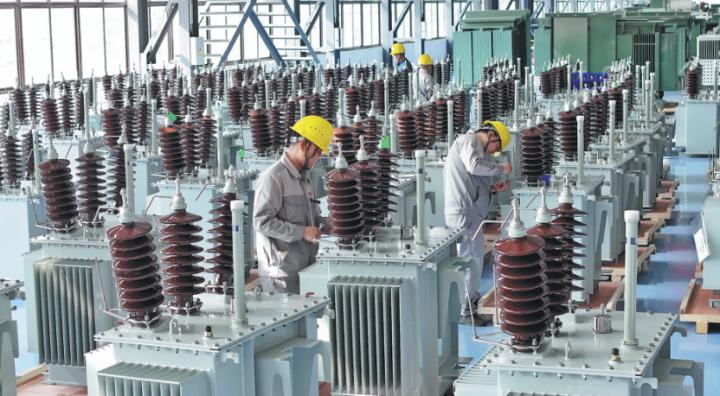
AI狂奔,中国变压器成了最硬通货
虎嗅APP· 2026-01-26 13:22
Core Viewpoint - The article emphasizes that the real bottleneck for the future of artificial intelligence (AI) is not computational power but electrical power, particularly the availability of large power transformers, which are crucial for the operation of AI data centers and energy infrastructure [4][6]. Group 1: Current Challenges in the U.S. and Europe - In the U.S., there is a significant shortage of large power transformers (LPTs), with an average delivery time of 128 weeks for standard transformers and 144 weeks for generator step-up transformers (GSUs) [6][8]. - The decline of U.S. manufacturing capabilities since the 1980s has led to over 80% of large power transformers being imported, primarily from China [7]. - European countries face similar issues, with many renewable energy projects unable to connect to the grid due to a lack of suitable transformers, highlighting a critical lag in the upgrade of transmission systems [10][11]. Group 2: The Role of China in Transformer Manufacturing - China has developed a complete and efficient transformer manufacturing supply chain, from raw materials to assembly, making it a key player in the global market [12][13]. - Chinese manufacturers can deliver large transformers in 10 to 14 months, significantly faster than their U.S. and European counterparts, which can take up to three years [13]. - The demand for Chinese transformers is increasing globally, as countries like the U.S. and those in Europe are forced to rely on Chinese imports despite political tensions and tariffs [15][18]. Group 3: Strategic Implications - The reliance on Chinese transformers reveals the limitations of "decoupling" strategies in critical infrastructure sectors, as the need for reliable electrical supply outweighs political considerations [15][18]. - The article suggests that the ability to produce essential infrastructure equipment domestically is a form of strategic deterrence in a world marked by supply chain vulnerabilities and geopolitical conflicts [18].
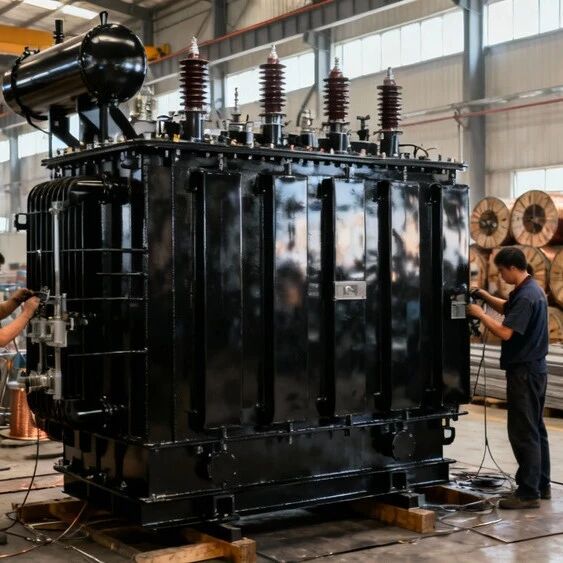
电力设备牛市“尚处于早期至中期”,摩根大通:美国电网升级尚未启动,中国企业有突破美国市场潜力
美股IPO· 2025-11-19 10:21
Core Insights - The growth of AI-driven electricity consumption is accelerating, with extreme supply-side constraints and structural demand surges leading to a backlog of orders for leading power equipment companies, which is 2.5 to 2.8 times their revenue, ensuring high visibility of profits until 2027-2028 [1][3][19] - The global power equipment industry is still in its early to mid-stage, with a supercycle not yet concluded, and data center electricity demand will be a key bottleneck, particularly benefiting Asian companies, especially those from South Korea and China [3][4] Supply and Demand Dynamics - In the U.S., data center installed capacity is expected to grow at a compound annual growth rate (CAGR) of over 15%, from 42 GW in 2024 to 100 GW by 2030 [4][6] - The U.S. utility companies are projected to invest $1.1 trillion from 2025 to 2029 for generation and grid upgrades, with capital expenditures expected to reach approximately $208 billion in 2025, a 17% year-on-year increase [4] - Despite surging demand, supply-side capacity expansion remains "disciplined," with delivery times for large power transformers (LPT) extending to 2-3 years, switchgear to over 1-2 years, and gas turbines requiring 3-4 years [4][14][15] Market Opportunities - The structural supply-demand imbalance supports strong pricing power for equipment manufacturers, with product prices having risen over 60% since 2021 without signs of slowing [4][15] - The global installed capacity for data centers is projected to increase from 117 GW in 2023 to approximately 242 GW by 2028, with a CAGR of 27% [7][19] - The U.S. will need approximately 100 GW of new generation capacity by 2028 to support data center electricity demand [6][19] Infrastructure Challenges - The U.S. grid is described as "extremely fragile," with interconnection queue times reaching up to 7 years in Virginia and potentially 11 years in certain areas of Texas [11][12] - The average annual construction of high-voltage transmission lines in the U.S. is currently less than 700 miles, a significant drop from 4,000 miles per year in 2013, with a need to build 5,000 miles annually to meet reliability goals [13] Long-term Profitability - The current backlog of orders is sufficient to support leading companies' revenues for the next 2.5 to 2.8 years, indicating high profit visibility [19] - The market has not fully priced in the potential of Chinese companies, such as Siyi Electric, to penetrate the U.S. market, which could lead to significant profit increases due to cost advantages and delivery capabilities [19]