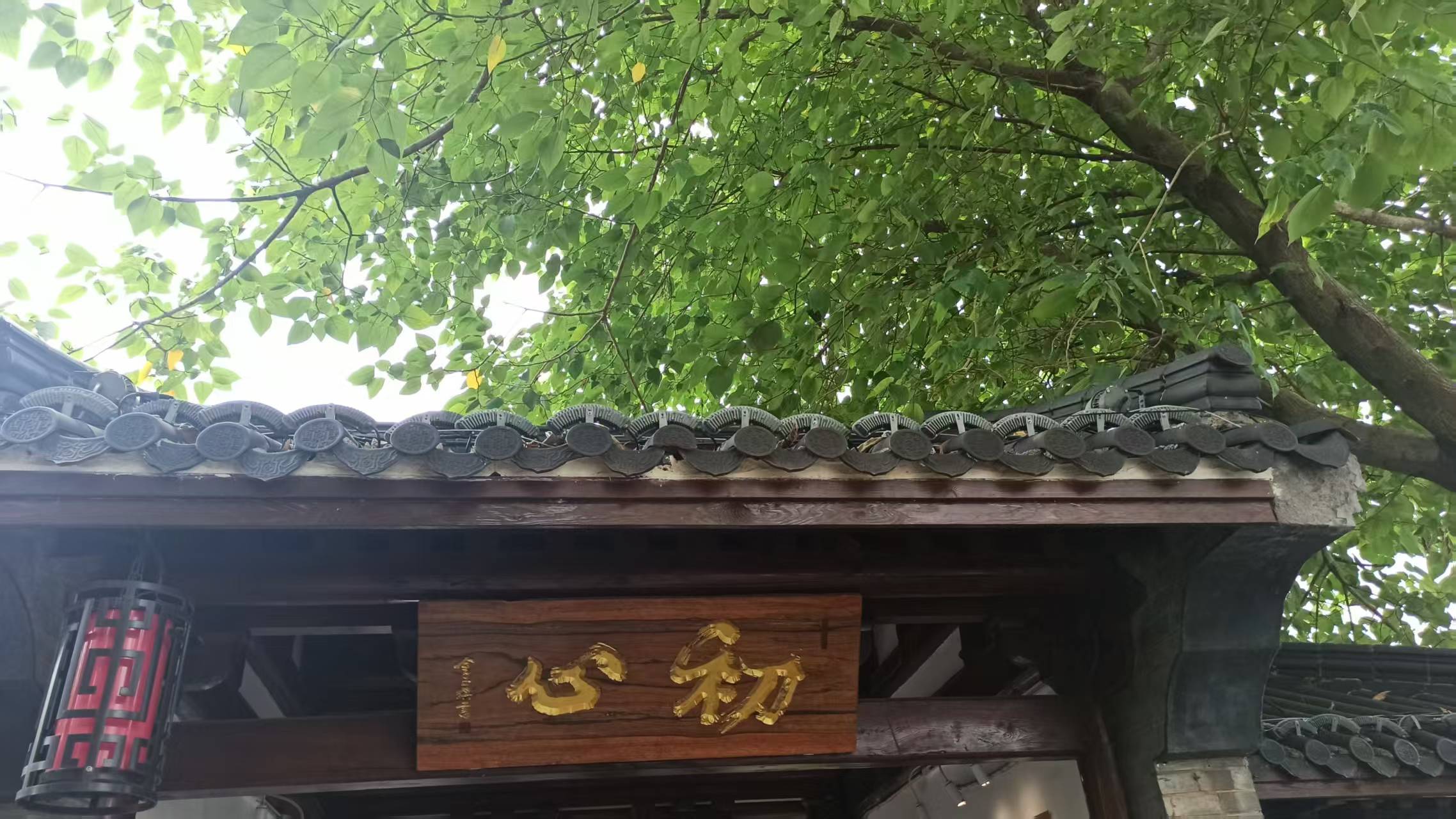
大锅菜

Search documents
谁的春节除了吃,还是吃?
Xin Lang Cai Jing· 2026-02-22 14:48
Group 1 - The significance of the Spring Festival is a blend of family reunion and the warmth of human connections, represented through familiar dishes and festive gatherings [1] - Traditional dishes such as duck soup and large rice balls are essential for the reunion dinner, highlighting the importance of family traditions [1][6] - The preparation of various foods, including radish oil tofu and red sugar rice cakes, reflects the busy and joyful atmosphere leading up to the festival [4][6] Group 2 - The custom of steaming buns and breads before the festival showcases local traditions and the communal spirit of sharing food with relatives [8][9] - The concept of "big pot dishes" during the New Year emphasizes abundance and the practice of enjoying meals over an extended period [12] - The act of making fried rice and other snacks signifies the anticipation of the New Year and the importance of homemade food in celebrating the occasion [13][16]

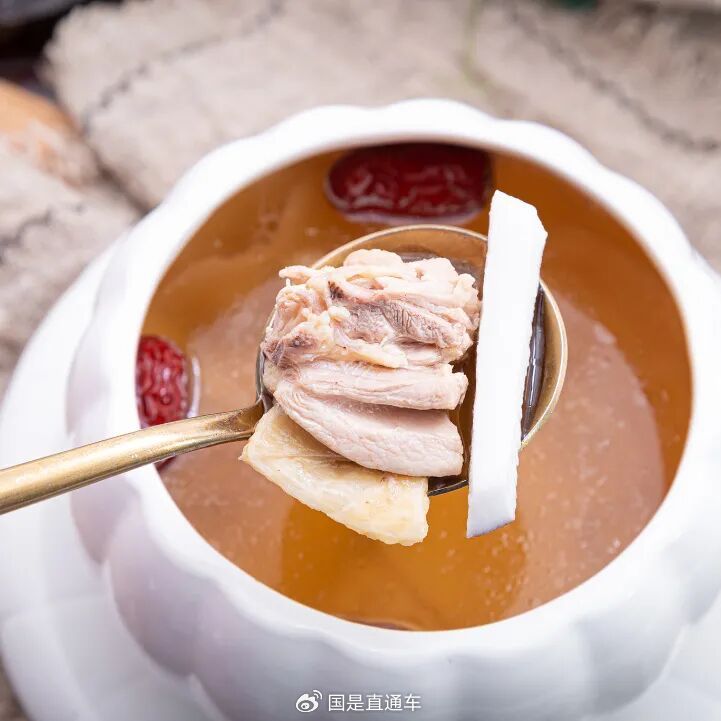
人间至味是团圆,一碗烟火过大年
Yang Shi Xin Wen· 2026-02-21 15:12
Group 1 - The significance of the Spring Festival is a blend of family reunion and the warmth of human connections, represented through familiar dishes and festive gatherings [1] - The essence of the festival is captured in the flavors of traditional foods, which evoke nostalgia and joy among family and friends [1][11] Group 2 - Traditional dishes such as duck soup and "big round dumplings" are essential for the reunion dinner, highlighting the importance of family gatherings during the festival [3] - Vegetarian dishes like shredded radish with tofu are also significant, reflecting personal family preferences and the nostalgia associated with childhood flavors [5] - The preparation of various meats and sweets, such as marinated pork and red sugar rice cakes, showcases the busy atmosphere leading up to the festival [6] - The custom of steaming buns and breads before the festival emphasizes the communal aspect of food preparation and sharing among families [6] - The concept of "big pot dishes" during the New Year celebrations illustrates the abundance and variety of food that characterizes the festive season [8]

以多元形式点燃乡村年味,第二届德胜乡村振兴大集启幕
Xin Lang Cai Jing· 2026-02-14 15:36
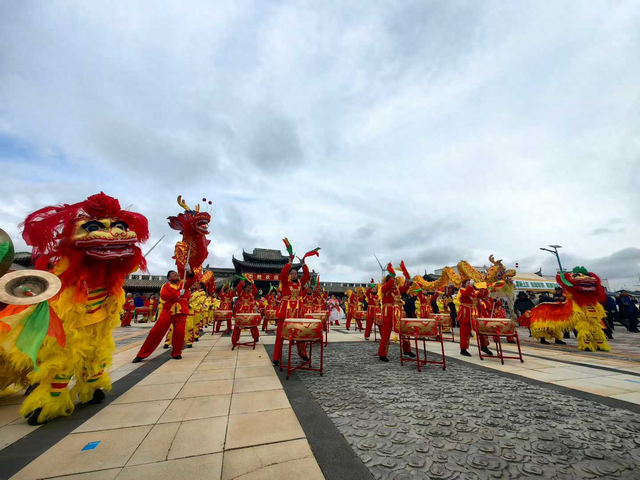
Core Viewpoint - The event "Happy Opening Smile, Prosperous Desheng Year" showcased the achievements of rural revitalization in Desheng Village, combining folk performances, public welfare, and cultural tourism to celebrate the New Year and foster community spirit [1][3]. Group 1: Event Highlights - The event featured vibrant folk performances, including a grand parade of folk dances, dragon and lion dances, and street performances, creating a lively atmosphere that attracted attendees [1][3]. - A special area for local cuisine was set up, offering traditional dishes that reflect the village's culture, while public welfare activities distributed "Fu" characters to convey New Year blessings [3]. - The night concluded with a dazzling lantern display and a bonfire gathering, where villagers and visitors celebrated together, enhancing the cultural experience [3]. Group 2: Economic Development - Desheng Village has developed three key industries: potatoes, photovoltaics, and homestays, with annual potato production exceeding 10 million yuan, stable income from photovoltaics over 600,000 yuan, and over 50,000 tourists hosted in homestays [5]. - The village's average annual income per capita is projected to reach 25,800 yuan by 2025, with collective annual income reaching 3.5 million yuan, marking a significant transformation from a poor village to a prosperous one [5]. - Efforts to strengthen cultural teams and improve cultural facilities have integrated traditional culture with modern civilization, enriching the village's cultural atmosphere [5].
这年头,摆摊的比开公司的挣得多!
Sou Hu Cai Jing· 2025-11-13 16:41
Core Insights - The article discusses the potential profitability of small businesses, particularly food stalls, highlighting that they can generate significant income compared to traditional corporate jobs [1][10]. Group 1: Business Viability - A food stall can sell several hundred bowls of soup daily, with a profit margin of approximately 7 yuan per bowl, leading to a daily profit of around 700 yuan, translating to an annual income of 70,000 to 80,000 yuan [1]. - The importance of location is emphasized, as many businesses fail due to poor site selection, similar to real estate [3]. - The article suggests that small businesses, such as food stalls, can be more profitable than gig economy jobs like ride-sharing [8]. Group 2: Entrepreneurial Challenges - Running a food stall requires hard work and long hours, often leading to physical exhaustion if operating multiple meal services [5]. - The article notes that many entrepreneurs struggle with the demands of small business operations, especially when transitioning from easier online business models to more labor-intensive ones [5][10]. - It highlights the need for adaptability and understanding of market dynamics, as opportunities shift over time, with new trends emerging in technology and consumer preferences [5][10]. Group 3: Business Strategy - Success in small business relies on finding the right position and rhythm, as well as understanding the nuances of the trade [6]. - The article points out that even small ventures can be lucrative if managed well, with examples of successful local businesses that thrive despite high turnover among owners [9]. - It stresses the importance of calculating input-output ratios and customer demand to optimize profitability [11]. Group 4: Personal Aspirations - The article acknowledges that not everyone is inclined or capable of running a small business, suggesting that some may prefer traditional employment or other opportunities [13]. - It concludes that the scale of business is relative, and with the right management, small businesses can grow into larger enterprises [13].