天龙系列

Search documents
20万颗卫星锁位,火箭从海上“回家”!争夺太空资源,中国选择“双道”出击
Sou Hu Cai Jing· 2026-01-21 10:32
Core Viewpoint - The commercial space industry is experiencing significant investment and competition, with China planning to launch 250,000 satellites over the next 14 years, which is five times the scale of SpaceX's Starlink project [1][2]. Group 1: Investment and Scale - The cost of launching a single rocket ranges from 110 million to 180 million yuan [1]. - China's satellite launch plan includes 20.3 million satellites from the government and 51,300 from various companies, totaling 250,000 satellites [2][4]. - This initiative is seen as a strategic move to secure communication sovereignty and space resources [5]. Group 2: Rocket Launch and Cost Efficiency - The high cost of traditional rocket launches, with 60% of expenses attributed to the first stage, necessitates the development of reusable rockets [6]. - SpaceX has successfully reduced launch costs from 50 million USD to 15 million USD through rocket recovery technology [6]. - China is rapidly advancing in rocket launch capabilities, with a growth rate of 30%, positioning itself as the second-largest player globally by 2025 [7]. Group 3: Technological Innovations - Multiple Chinese companies are developing reusable rocket technologies, with significant advancements in recovery methods [8]. - Two distinct recovery methods have been developed: a "sea net capture" system and a "precision landing" system for rockets [9]. - The establishment of a domestic production base for reusable rockets indicates a complete industrial chain from production to recovery [9][10]. Group 4: Future Prospects - The rapid development in China's commercial space sector, supported by policy and technological advancements, is expected to significantly reduce launch costs in the near future [11].
商业航天4日涨逾10% 5家火箭公司上市冲刺孰会胜出
2 1 Shi Ji Jing Ji Bao Dao· 2025-12-30 05:41
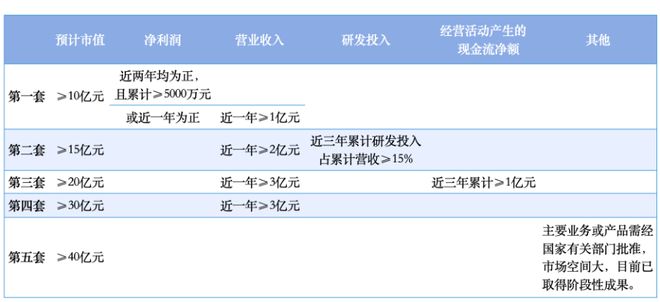
Core Viewpoint - The commercial aerospace sector is experiencing significant momentum, driven by SpaceX's planned IPO and new listing guidelines from the Shanghai Stock Exchange, which are expected to facilitate the entry of several commercial rocket companies into the market [1][5]. Group 1: Market Performance - The Aerospace ETF Tianhong (159241) rose by 1.24%, while the Commercial Aerospace index (BK0963) has increased by 10.8% over four consecutive trading days, both reaching historical highs [1]. - SpaceX has confirmed plans for an IPO in mid-2026, targeting a valuation of approximately $1.5 trillion (about 10.6 trillion RMB) and aiming to raise over $30 billion, potentially becoming the largest IPO in history [1]. Group 2: Regulatory Developments - The Shanghai Stock Exchange released the "Guidelines for Issuance and Listing Review Applicable to Commercial Rocket Enterprises," providing a clear path for listing conditions for commercial rockets [1]. - The new guidelines refine the existing five-tier listing standards of the Sci-Tech Innovation Board, which focus on market capitalization, revenue, R&D investment, cash flow, and technological achievements rather than solely on profitability [2][3]. Group 3: Industry Dynamics - The demand for large-capacity rockets is driven by the need to launch over 30,000 low-orbit satellites, with an estimated launch requirement exceeding 1,000 tons in the next five years [5]. - The successful reuse of rockets, exemplified by SpaceX's Falcon 9, has lowered industry launch costs and increased expectations for similar technologies in China [5]. Group 4: Company Developments - Several leading commercial rocket companies are in the IPO preparation phase, with five companies already valued at over 85.5 billion RMB [5]. - Among these, Blue Arrow Aerospace has successfully achieved orbit and is considered a frontrunner for the first IPO, while the other four companies plan to conduct their first launches in 2026 [7]. Group 5: Technological Innovations - The guidelines emphasize the importance of using reusable technology for medium to large rockets, marking a significant threshold for companies seeking to list under the new standards [6][9]. - The application of 3D printing technology in rocket engine manufacturing is becoming increasingly prevalent, enhancing production efficiency and reducing costs [10].