谷神星系列

Search documents
在中国,一个普通人上太空要花多少钱?
Xin Lang Cai Jing· 2026-01-27 12:25
Core Viewpoint - The Chinese commercial space industry is experiencing a significant surge, with substantial capital inflow and a collective push towards IPOs among various companies, marking a new era for the sector [20][25]. Group 1: Industry Developments - The successful launch of the reusable Zhuque-3 rocket by private company Blue Arrow Aerospace has garnered widespread attention, marking a milestone in China's commercial space endeavors [21][25]. - Numerous commercial space companies are preparing for their inaugural flights, showcasing a vibrant ecosystem in the industry [21][25]. - The public's growing interest in space exploration is being fueled by policy support and capital market openings, allowing private companies to finally step onto the IPO starting line [7][25]. Group 2: IPO Landscape - At least ten commercial space enterprises have initiated the IPO process, with five leading companies—Blue Arrow Aerospace, Star Glory, China Aerospace Science and Technology Corporation, Star River Power, and Tianbing Technology—forming a competitive landscape [8][26]. - Blue Arrow Aerospace is ahead in the IPO race, having its application accepted by the Shanghai Stock Exchange, aiming to raise up to 7.5 billion yuan, with significant investments planned for reusable rocket technology [8][26]. - Other companies like China Aerospace Science and Technology Corporation and Star Glory are also in various stages of the IPO process, focusing on developing reusable rocket technologies [10][28]. Group 3: Historical Context - The journey of leading companies in the commercial space sector has been challenging, with initial financing struggles and skepticism from investors [29][31]. - A turning point for Blue Arrow Aerospace came with significant investments from industry players, leading to breakthroughs in technology and favorable policy changes that opened the door for IPOs [31][32]. Group 4: Challenges Ahead - The transition from successful trials to large-scale services in commercial space requires overcoming challenges related to cost control, the maturity of reusable technology, and the establishment of a commercial ecosystem [14][32]. - Current launch costs in China range from 50,000 to 100,000 yuan per kilogram, significantly higher than the estimated costs of SpaceX, highlighting the need for advancements in reusable technology to reduce costs [15][33]. - Achieving cost-effective reusable technology is critical for the industry, with predictions suggesting that costs could drop significantly with further technological advancements [34][36]. Group 5: Financial and Ecosystem Support - A robust financial support system is being established, with major banks offering tailored financing solutions for the commercial space sector [35]. - The formation of a comprehensive industrial ecosystem, particularly in regions like Beijing, is facilitating collaboration and reducing costs, which is essential for the industry's growth [34][35]. - The industry is exploring innovative business models to enhance market penetration and profitability, moving beyond traditional launch services to integrated solutions [36].


人气爆表!现场直击!北京商业航天展来了
中国基金报· 2026-01-25 14:52
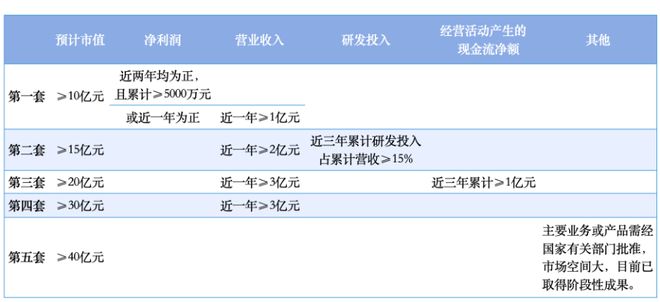
Core Viewpoint - The article highlights the significant advancements and developments in China's commercial space industry, particularly focusing on the participation of leading private companies at the Beijing International Commercial Space Exhibition, showcasing their innovative technologies and upcoming IPOs [2][13]. Group 1: Company Developments - Blue Arrow Aerospace showcased the world's first continuously successful liquid oxygen-methane rocket, the Zhuque-2, and the Zhuque-3 model, which has completed China's first reusable rocket orbital launch verification [4]. - Galaxy Aerospace presented its flexible solar wing technology and the Lingxi-03 satellite model, aiming to enhance mobile direct connection capabilities with low-orbit broadband satellites [6]. - Zhongke Aerospace displayed its reusable spacecraft, the Lihong-2, which is designed for space tourism, indicating advancements in safe travel between Earth and space [8]. - Star River Power exhibited its "Zhishenxing" series of medium-sized reusable liquid launch vehicles and "Gushenxing" series of small solid launch vehicle models [8]. Group 2: Market Trends and IPOs - The article notes that two U.S. commercial space companies are already listed, with Rocket Lab's market value at $47.4 billion (approximately 330 billion RMB) and SpaceX expected to go public in 2026 [2][12]. - In China, Blue Arrow Aerospace's IPO is in the "inquiry" stage, while Zhongke Aerospace has completed IPO counseling, and other companies like Tianbing Technology and Star River Power are also in the IPO counseling phase [13][15]. - The article emphasizes that the development of reusable technology and future market potential are critical factors influencing the growth of China's commercial space sector [15].
商业航天4日涨逾10% 5家火箭公司上市冲刺孰会胜出
2 1 Shi Ji Jing Ji Bao Dao· 2025-12-30 05:41
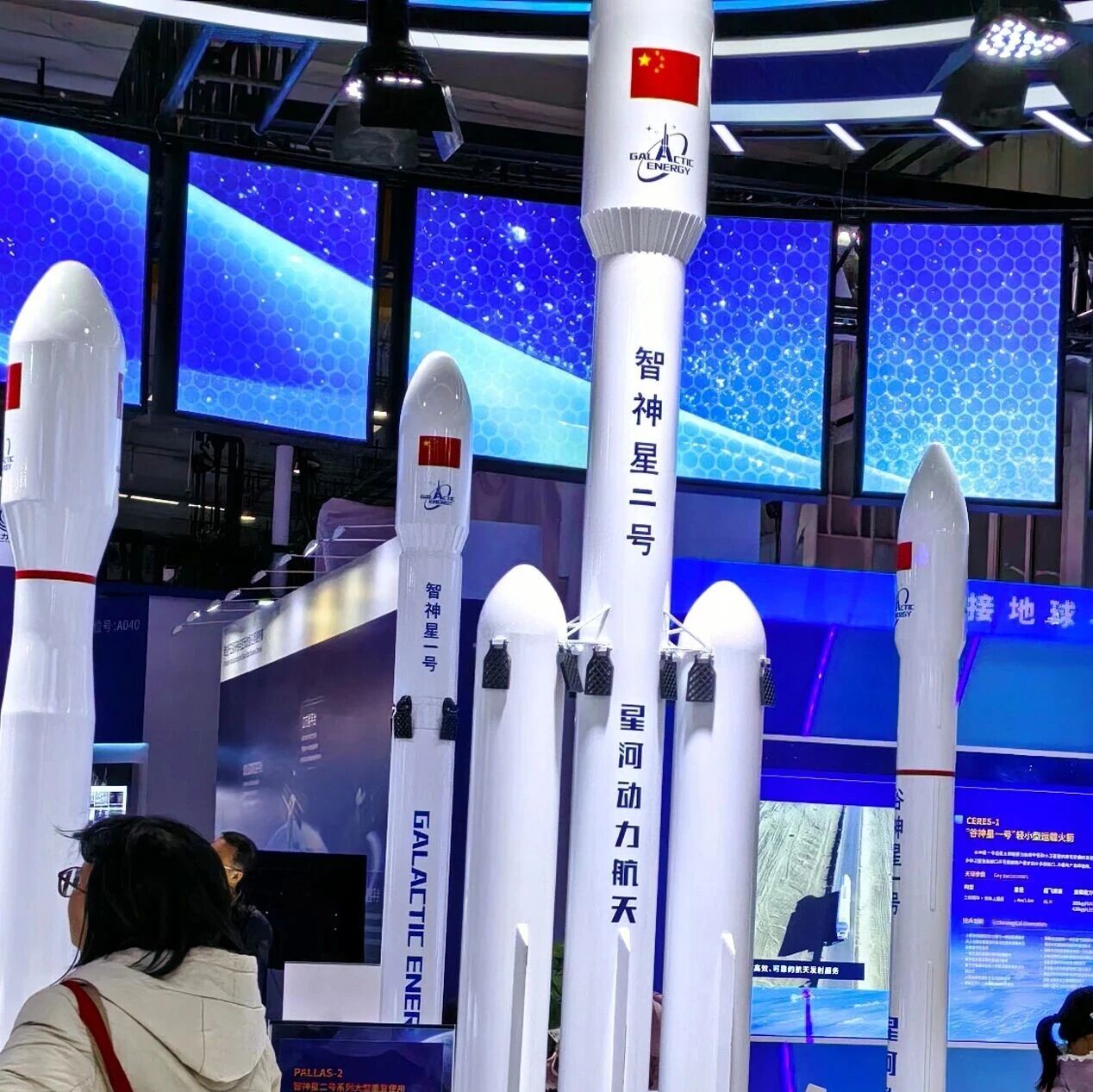
Core Viewpoint - The commercial aerospace sector is experiencing significant momentum, driven by SpaceX's planned IPO and new listing guidelines from the Shanghai Stock Exchange, which are expected to facilitate the entry of several commercial rocket companies into the market [1][5]. Group 1: Market Performance - The Aerospace ETF Tianhong (159241) rose by 1.24%, while the Commercial Aerospace index (BK0963) has increased by 10.8% over four consecutive trading days, both reaching historical highs [1]. - SpaceX has confirmed plans for an IPO in mid-2026, targeting a valuation of approximately $1.5 trillion (about 10.6 trillion RMB) and aiming to raise over $30 billion, potentially becoming the largest IPO in history [1]. Group 2: Regulatory Developments - The Shanghai Stock Exchange released the "Guidelines for Issuance and Listing Review Applicable to Commercial Rocket Enterprises," providing a clear path for listing conditions for commercial rockets [1]. - The new guidelines refine the existing five-tier listing standards of the Sci-Tech Innovation Board, which focus on market capitalization, revenue, R&D investment, cash flow, and technological achievements rather than solely on profitability [2][3]. Group 3: Industry Dynamics - The demand for large-capacity rockets is driven by the need to launch over 30,000 low-orbit satellites, with an estimated launch requirement exceeding 1,000 tons in the next five years [5]. - The successful reuse of rockets, exemplified by SpaceX's Falcon 9, has lowered industry launch costs and increased expectations for similar technologies in China [5]. Group 4: Company Developments - Several leading commercial rocket companies are in the IPO preparation phase, with five companies already valued at over 85.5 billion RMB [5]. - Among these, Blue Arrow Aerospace has successfully achieved orbit and is considered a frontrunner for the first IPO, while the other four companies plan to conduct their first launches in 2026 [7]. Group 5: Technological Innovations - The guidelines emphasize the importance of using reusable technology for medium to large rockets, marking a significant threshold for companies seeking to list under the new standards [6][9]. - The application of 3D printing technology in rocket engine manufacturing is becoming increasingly prevalent, enhancing production efficiency and reducing costs [10].