
夸克健康

Search documents
AI问诊,靠谱吗?
Huan Qiu Wang· 2026-02-10 02:00
Core Viewpoint - The rise of AI medical consultation in China is transforming healthcare access and efficiency, but concerns about reliability and data protection persist [4][11][14]. Group 1: AI Medical Consultation Overview - By the end of 2025, AI medical consultation advertisements are expected to be ubiquitous in Beijing, indicating a significant market presence [1]. - Users like Liu Yu are turning to AI for quick medical advice, completing processes that traditionally take hours in just minutes [3][4]. - Major companies such as JD Health, Ant Group, and Baidu are launching AI medical products, reflecting a competitive landscape in the sector [4]. Group 2: Functionality and Training of AI - AI medical products are categorized into two main types: those for general patients and those for healthcare professionals [7][10]. - The training of AI involves extensive input of medical knowledge and real patient interaction data to enhance diagnostic accuracy [7][12]. - Current AI models have shown a top-5 diagnostic accuracy rate of 97%, with the first suggestion accuracy at approximately 80% [12]. Group 3: Advantages and Limitations - AI consultation offers convenience, operating 24/7 without the need for appointments, which alleviates pressure on overburdened hospitals [10][11]. - AI is best suited for managing minor symptoms and chronic conditions, while complex cases still require in-person consultations [11][14]. - The technology's limitations include potential inaccuracies and the inability to replace physical examinations, which are crucial for accurate diagnosis [11][12]. Group 4: Legal and Ethical Considerations - The question of liability in cases of AI misdiagnosis remains unresolved, with current regulations not clearly defining responsibility [13][14]. - Experts suggest that AI should be viewed as a supportive tool rather than a replacement for human doctors, emphasizing the need for transparency in AI recommendations [12][14]. - The development of a regulatory framework is necessary to ensure the safe and effective use of AI in healthcare, with suggestions for a tiered system similar to that used in autonomous driving [16].


AI健康应用爆发,大模型“看病”是否靠谱?我们进行了实测
Bei Ke Cai Jing· 2026-01-23 12:29
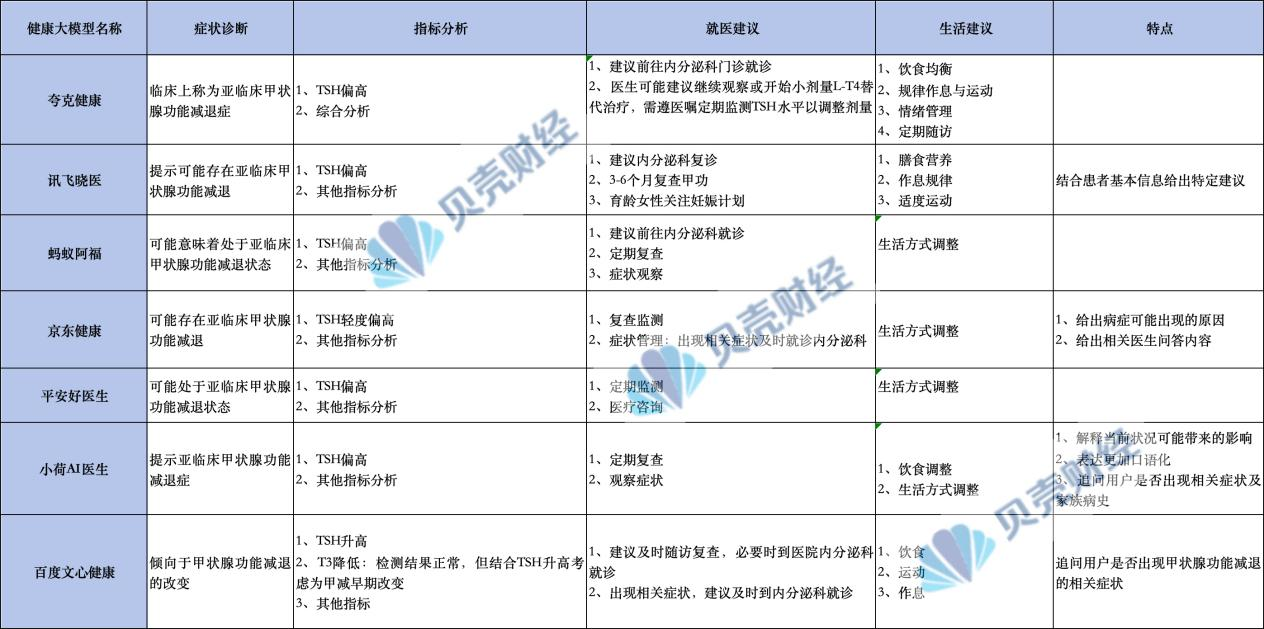
Core Insights - The article highlights the surge in AI health applications, with major companies like Ant Group, Baidu, OpenAI, and JD Health launching new products, indicating a growing trend in AI healthcare solutions [1][19][17] - Despite the advancements, the reliability of AI in interpreting medical reports is questioned, as some applications have made significant errors in diagnosis [8][6] - Regulatory bodies are beginning to establish guidelines for AI in healthcare, aiming to ensure safety and ethical standards [2][10] Group 1: AI Health Application Developments - Ant Group's AI health application "Ant Afu" gained significant traction, reaching the top two in the Apple App Store shortly after its launch [1] - Other notable AI health applications include Baidu's Wenxin Health, OpenAI's ChatGPT Health, and JD Health's evidence-based AI product "Zhi Yi" [1][19] - The competition among these applications is intensifying, with Ant Afu emerging as a strong contender despite being the newest [19][24] Group 2: Performance and Reliability of AI Applications - A test conducted by a news outlet on seven AI health applications revealed cautious interpretations of medical reports, with discrepancies in whether to recommend medical consultations [3][6] - The applications showed a tendency to use cautious language, indicating potential health issues without definitive conclusions [4][6] - Errors were noted, such as misinterpreting TSH (Thyroid-Stimulating Hormone) as HCG (Human Chorionic Gonadotropin), leading to inappropriate medical advice [8][9] Group 3: Regulatory Environment - The Beijing government's new policy on "AI + Healthcare" sets clear boundaries for the industry, while the National Internet Information Office has proposed interim measures for managing AI interactions in healthcare [2] - The regulatory framework aims to create a safe environment for AI healthcare development, emphasizing the need for collaboration between medical professionals and AI technologies [10][2] Group 4: User Interaction and Experience - Users have reported mixed experiences with AI health applications, with some finding the advice reasonable while others express caution [16][15] - Applications like Ant Afu and Baidu Health have integrated online consultation features, allowing users to connect with doctors after AI assessments [16][18] - The language style of some applications, such as Xiaohe AI Doctor, is more conversational, which may enhance user engagement [7][18] Group 5: Commercialization and Market Trends - AI health applications are evolving from simple tools to comprehensive platforms, aiming for a "Super App" model that integrates various functionalities [23][24] - Ant Afu has publicly stated that its health advice is free from commercial influences, focusing on user trust and engagement [23] - The trend indicates a shift towards creating interconnected ecosystems among different health applications, enhancing user retention and service offerings [24][22]
OpenAI上线健康助理,AI持续渗透个人健康管理领域
Jing Ji Guan Cha Wang· 2026-01-09 12:57
Group 1 - OpenAI has launched ChatGPT Health, a dedicated health assistant that allows users to connect personal medical records and health applications for tailored responses [1][2] - Over 230 million people globally consult ChatGPT for health-related inquiries each week, indicating strong demand for AI health tools [1][2] - ChatGPT Health features a separate storage mechanism to ensure health conversations and data are isolated from other chat records, emphasizing its role as an auxiliary tool rather than a diagnostic or treatment solution [1][2] Group 2 - Users can securely connect various data sources, including electronic health records and mainstream health apps, enabling personalized health insights based on individual health data [2] - The introduction of ChatGPT Health reflects the deepening penetration of AI into personal health management, potentially alleviating some pressure on healthcare systems [2] - The global AI healthcare market is projected to approach $40 billion by 2025 and exceed $500 billion by 2032, with a compound annual growth rate of over 40% [3] Group 3 - The launch of ChatGPT Health aligns with the trend of integrating fragmented health data into a single conversational interface, lowering the barrier to information access [3] - Major Chinese tech companies are rapidly entering the AI health sector, with various products competing for user attention [3] - The capital market reacted positively to the AI health sector, with significant stock price increases for companies involved in AI healthcare applications [4]