奕境首款全尺寸SUV

Search documents
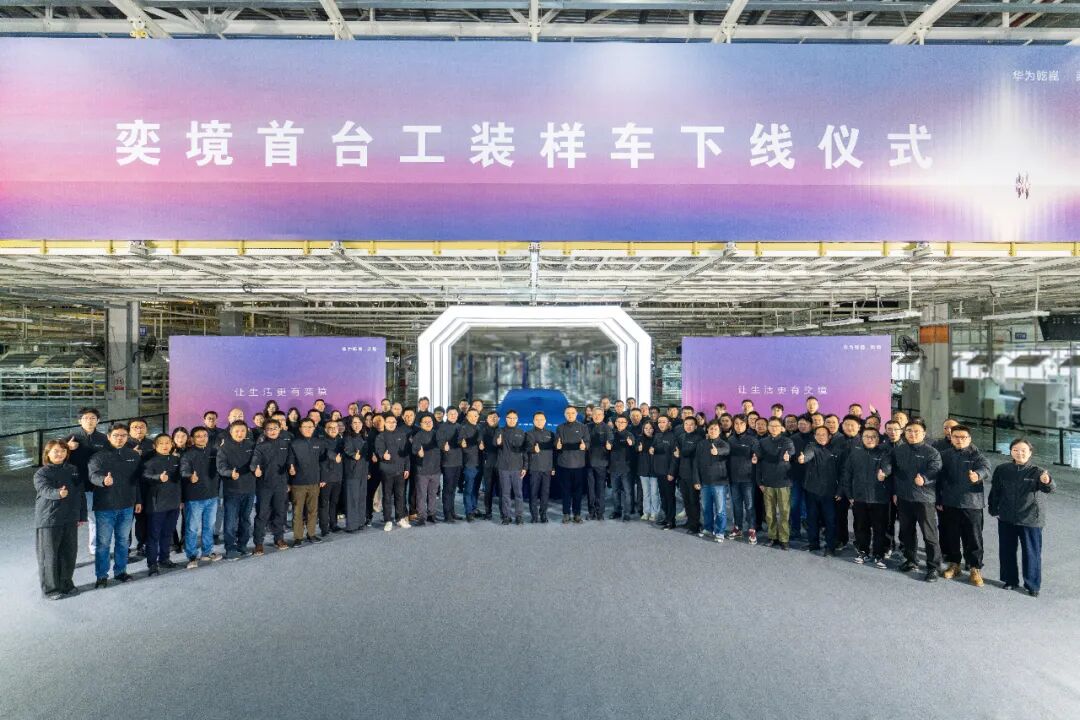
华为乾崑赋能奕境工装样车下线:全尺寸SUV的家庭出行新答卷
Feng Huang Wang· 2025-12-23 11:50
Core Insights - The first prototype of the Huawei-powered Yijing brand full-size SUV has officially rolled off the production line, marking a significant milestone in the vehicle's development and preparation for mass production [3][5] - The Yijing brand aims to redefine family travel by addressing the specific needs of Chinese families through innovative design and user participation [5][15] Group 1: Prototype Development - The prototype's launch signifies a critical transition from design to real-world testing, essential for validating the vehicle's performance under various conditions [6] - The development process includes five main stages: market research, concept design, engineering design, prototype testing, and mass production, with the prototype being a key step in this journey [6] - The rapid timeline from brand announcement to prototype completion, just one month, showcases the efficiency and maturity of the project [6] Group 2: User Co-Creation - The Yijing brand incorporates a unique user co-creation mechanism, allowing ordinary people to participate in the design process, which shifts the traditional model of "companies create, users buy" [7][9] - Users have contributed to hundreds of design optimizations, demonstrating a commitment to addressing real consumer needs [7] - Potential users are invited to act as "co-creation officers," ensuring that their feedback directly influences the development process [9] Group 3: Strategic Collaboration - The Yijing brand benefits from deep collaboration between a state-owned automotive enterprise and Huawei, leveraging advanced technology and manufacturing expertise [10][12] - Huawei provides comprehensive support, including cutting-edge intelligent automotive solutions and stringent quality standards, enhancing the brand's technological edge [10] - The automotive enterprise contributes decades of manufacturing experience, establishing a solid foundation for the Yijing brand's production capabilities [12] Group 4: Intelligent Technology - Huawei's intelligent automotive solutions are pivotal in transforming user needs into high-quality travel experiences, emphasizing safety and convenience [13][14] - As of November 2025, Huawei's intelligent driving system has accumulated 6.38 billion kilometers of assisted driving, significantly enhancing safety for family users [14] - The design of the Harmony cockpit aligns with family scenarios, facilitating seamless interaction for all passengers [14] Group 5: Market Positioning - The Yijing SUV is designed to cater to various family needs, from small families to multi-generational households, reflecting a comprehensive understanding of consumer requirements [15] - The brand's mission is to enhance family life through technology and user collaboration, aiming to exceed user expectations [15] - The official unveiling of the first model is scheduled for April 2026 at the Beijing Auto Show, where it will showcase its technological capabilities and commitment to understanding family travel needs [15]

纯电大三排SUV11月销量创历史新高;保时捷将关停所有自建充电站丨汽车交通日报
创业邦· 2025-12-22 10:11
Group 1 - The core viewpoint of the article highlights the significant growth in the sales of pure electric large three-row SUVs, which reached a historical high of 46,209 units in November 2025, marking a 16% month-on-month increase and maintaining the top position among all power types for three consecutive months [2] - Porsche has announced the shutdown of its self-built charging network, totaling approximately 200 stations, effective March 1, 2026, and will shift focus to deep collaborations with leading charging operators in the industry [2] - The first prototype of the new automotive brand "Yijing," co-created by Dongfeng Motor and Huawei, has officially rolled off the production line, with the first mass-produced model expected to debut at the Beijing Auto Show in April 2026 [2] - Uber is partnering with Baidu to conduct trial operations of autonomous taxis in London, with plans to launch a pilot project using Baidu's Apollo Go RT6 autonomous vehicles in the first half of 2026, aiming for official operations by the end of next year [2]