
委内瑞拉重油

Search documents
特朗普政府宣布,中同意购买委石油!美百般请求,向中国开了口子
Sou Hu Cai Jing· 2026-02-15 06:53
Group 1 - The visit of U.S. Energy Secretary Chris Wright to Venezuela marks the first time in nearly 30 years that a high-ranking U.S. energy official has visited the country, indicating a significant shift in U.S. policy towards Venezuela's oil industry [1] - The U.S. is now considering further oil transactions with China, which has already purchased some of the Venezuelan oil previously sold by the U.S. government [1][3] - The drastic change in U.S. attitude towards Chinese investment in Venezuela's oil sector contrasts sharply with its previous stance of blocking Chinese capital in Latin America [3][4] Group 2 - Venezuela possesses the largest proven oil reserves globally, exceeding 300 billion barrels, but its heavy crude oil is complex to refine, limiting the number of countries capable of processing it [5] - Historically, 80% of Venezuela's oil production was exported to China, which has advanced refining capabilities suitable for heavy crude [5] - The U.S. government's initial strategy to control Venezuelan oil exports included raising prices and imposing new payment regulations, but this approach failed as China halted its purchases [7][9] Group 3 - The U.S. faced challenges in finding alternative buyers for Venezuelan oil, as India lacks the refining capacity to process heavy crude, and U.S. refineries are also not equipped for such oil [9][10] - The U.S. has softened its stance, moving from strict pricing demands to a more flexible approach, recognizing the necessity of Chinese involvement in the Venezuelan oil market [11][12] - The recent passage of a reform law in Venezuela aimed at opening the oil industry to private and foreign investment reflects U.S. influence, but the need for substantial investment to restore production capacity remains a challenge [13][14]

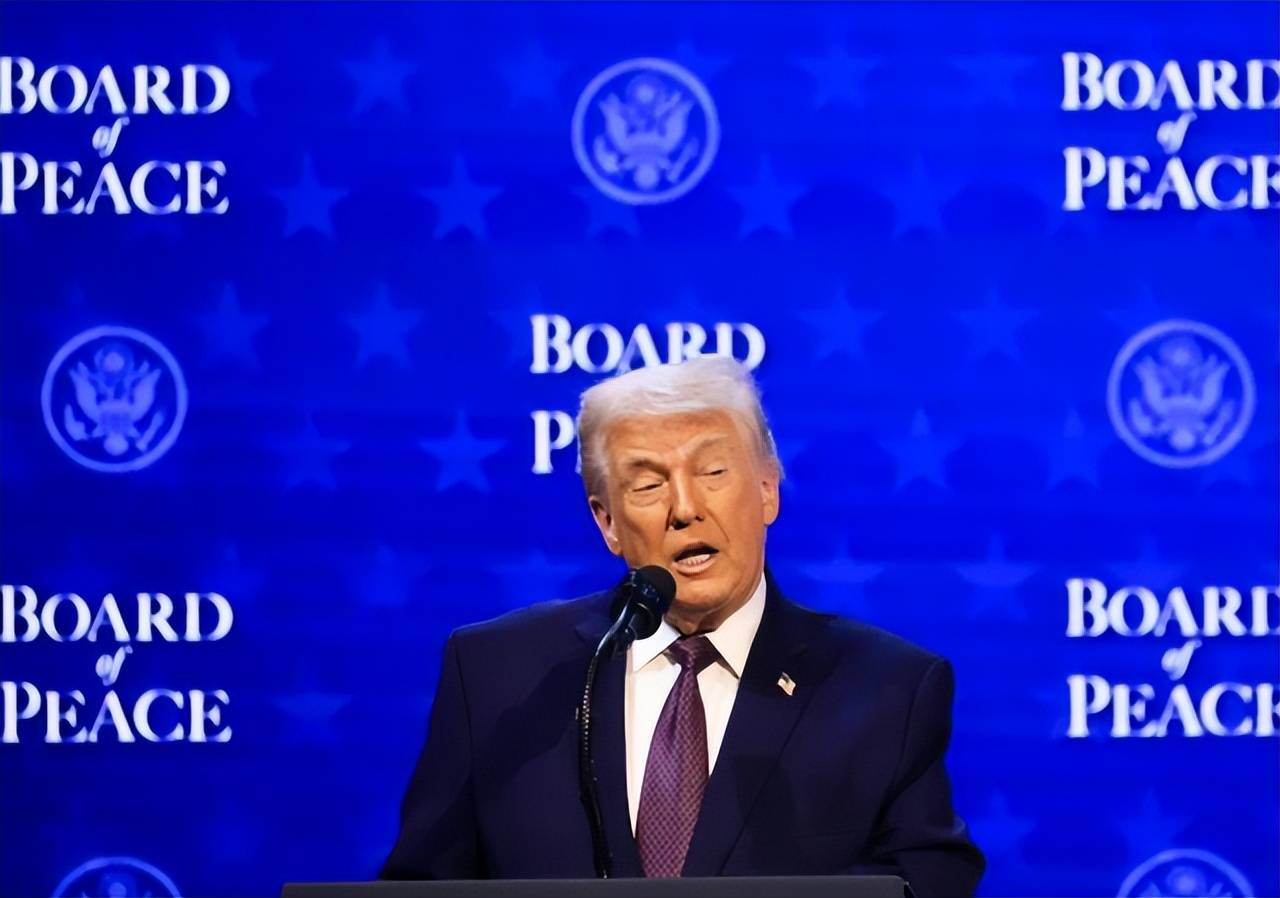
和欧洲闹掰后,特朗普调转方向,对华送出双重大礼,还有大事相求
Sou Hu Cai Jing· 2026-01-23 04:43
Group 1 - The article discusses the shift in Trump's approach towards China after tensions with Europe, indicating a need for partnership to address domestic issues and international challenges [1][11][34] - Trump has previously sought to acquire Greenland for its strategic importance but faced resistance from European nations, leading to threats of tariffs on imports from several countries [3][5] - The NATO summit highlighted disagreements over defense spending, with Trump demanding European countries increase military budgets, which they found unsustainable [7][9] Group 2 - Trump has recently softened his stance towards China, allowing the sale of high-end AI chips and equipment to Chinese companies, indicating a strategic pivot [16][19] - The U.S. is looking to stabilize its trade relationship with China, aiming to end the tariff war and seeking Chinese cooperation in various sectors, including rare earth elements [26][28] - The article emphasizes that Trump's actions are driven by self-interest, aiming to secure political gains and economic benefits through cooperation with China [34][39]
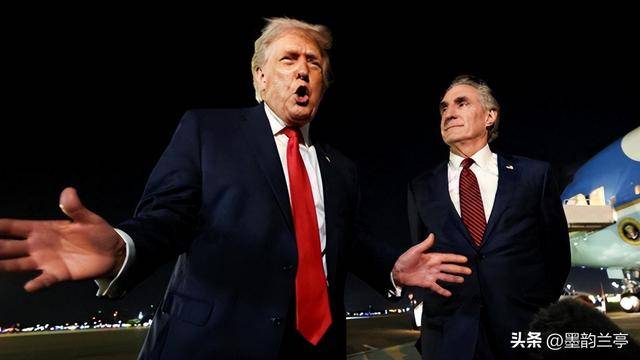
特朗普开口也不管用,中国不买了,委5000万桶石油恐烂在厂里
Sou Hu Cai Jing· 2026-01-22 05:58
Core Insights - The main issue faced by the Trump administration after taking control of Venezuelan oil is not technical or security-related, but rather the inability to sell the oil, leading to a situation where having oil does not equate to having an asset [1][3]. Group 1: Market Dynamics - Venezuela has approximately 50 million barrels of crude oil in inventory, which the U.S. believes can be quickly monetized; however, the market has not responded as expected, with Chinese buyers halting orders and other countries remaining inactive [1][3]. - The initial plan was to control Venezuela to access one of the largest oil reserves globally, which could fund military expenses and provide profits for the U.S. energy sector; however, the reality is that controlling oil fields does not guarantee market control [3][5]. Group 2: Buyer Behavior - China's cessation of oil purchases is a calculated decision based on U.S. demands that all oil revenue be directed to the U.S. Treasury, disrupting the previous "oil-for-debt" settlement method [5][11]. - The primary challenge is that Venezuelan oil is predominantly high-sulfur heavy oil, which constitutes over 90% of its production; this type of oil has higher extraction and processing costs compared to light oil, making it less attractive to buyers [5][7]. Group 3: Competitive Landscape - The demand for heavy oil is limited, and with alternatives like Russian Urals and Canadian oil sands available at lower prices, Venezuela's oil becomes less appealing [7][9]. - Russia has significantly reduced prices for Urals crude to maintain its market share, with some prices dropping to around $30 per barrel, further squeezing Venezuela's heavy oil market [9][11]. Group 4: Investment Challenges - Trump attempted to mobilize U.S. oil companies to invest $100 billion in Venezuela, but no companies responded due to unfavorable economics; the extraction costs for Venezuelan heavy oil range from $40 to $60 per barrel, which is not viable given current international oil prices [13][15]. - U.S. refineries prefer light oil, and processing heavy oil requires significant equipment modifications, making it a less attractive investment during low oil price periods [13][15]. Group 5: Future Outlook - The lack of buyers, combined with increasing inventory, means that the 50 million barrels of oil are unlikely to find a market soon; if not monetized quickly, initial investments may turn into long-term maintenance costs [15][16]. - The ongoing military actions and blockades in the Caribbean have incurred significant costs, and without economic returns, domestic political pressures and local living conditions may worsen [15][16].
美国,强行扣押中国石油!
Sou Hu Cai Jing· 2025-12-22 08:17
Core Viewpoint - The U.S. has seized the "Century" super tanker, carrying approximately 1.8 million barrels of Venezuelan heavy oil, valued at around $144 million, which belongs to Chinese traders, under the pretext of combating drug trafficking and terrorism funding, thereby undermining China's legitimate energy cooperation with Venezuela [2][3]. Group 1: U.S. Actions and Justifications - The U.S. claims the seizure is part of efforts to combat drug trafficking and terrorism linked to the Venezuelan regime, but this is viewed as an attempt to disrupt Venezuela's oil exports and harm China's legitimate business interests [2][3]. - This incident marks the second seizure of a vessel linked to Chinese assets within a month, following the earlier detention of the "Skipper" tanker, which was also justified by claims of sanction evasion related to the Iranian Revolutionary Guard [2]. Group 2: International Reactions and Implications - The U.S. actions have sparked widespread controversy regarding the legality of its domestic laws overriding international law, with countries like Russia expressing dissatisfaction and calling for respect for international law and the rights of businesses [2][3]. - The seizure is seen as a disruption to international shipping and energy trade, raising concerns about the protection of legitimate business rights and the potential consequences of U.S. hegemony in global trade [3].

