
高端人工智能芯片

Search documents
和欧洲闹掰后,特朗普调转方向,对华送出双重大礼,还有大事相求
Sou Hu Cai Jing· 2026-01-23 04:43
Group 1 - The article discusses the shift in Trump's approach towards China after tensions with Europe, indicating a need for partnership to address domestic issues and international challenges [1][11][34] - Trump has previously sought to acquire Greenland for its strategic importance but faced resistance from European nations, leading to threats of tariffs on imports from several countries [3][5] - The NATO summit highlighted disagreements over defense spending, with Trump demanding European countries increase military budgets, which they found unsustainable [7][9] Group 2 - Trump has recently softened his stance towards China, allowing the sale of high-end AI chips and equipment to Chinese companies, indicating a strategic pivot [16][19] - The U.S. is looking to stabilize its trade relationship with China, aiming to end the tariff war and seeking Chinese cooperation in various sectors, including rare earth elements [26][28] - The article emphasizes that Trump's actions are driven by self-interest, aiming to secure political gains and economic benefits through cooperation with China [34][39]

刚拿到中国稀土,特朗普又变卦了,列出一份名单,下一步要加税?
Sou Hu Cai Jing· 2025-11-13 01:53
Core Viewpoint - The U.S. government's update of the "critical minerals list" raises concerns about future economic relations with China, especially following recent trade agreements and China's response to rare earth exports [1][4]. Group 1: Critical Minerals List - The updated list includes ten new elements such as copper, silver, metallurgical coal, uranium, and boron, aimed at reducing dependence on foreign adversaries and expanding domestic production [3]. - The inclusion of these minerals will subject them to national security investigations under Section 232 of the Trade Expansion Act, potentially leading to increased tariffs if supply risks are identified [4]. Group 2: Implications for U.S. Industry - Each newly added mineral corresponds directly to U.S. import dependence on China, indicating a strategic move by the Trump administration to create a "de-China" mineral supply chain [6]. - For instance, metallurgical coal, essential for steel production, has abundant domestic reserves but higher extraction costs compared to China, which could lead to increased production costs for U.S. steel companies if tariffs are imposed [7]. Group 3: Timing and Strategic Intent - The timing of the list's release coincides with the recent U.S.-China tariff truce and the gradual issuance of rare earth export licenses by China, suggesting a dual strategy to leverage both Chinese supplies and domestic production incentives [9]. - Despite the administration's optimistic outlook, challenges such as labor shortages, lengthy environmental approval processes, and outdated extraction technologies may hinder the effectiveness of these policies [9].

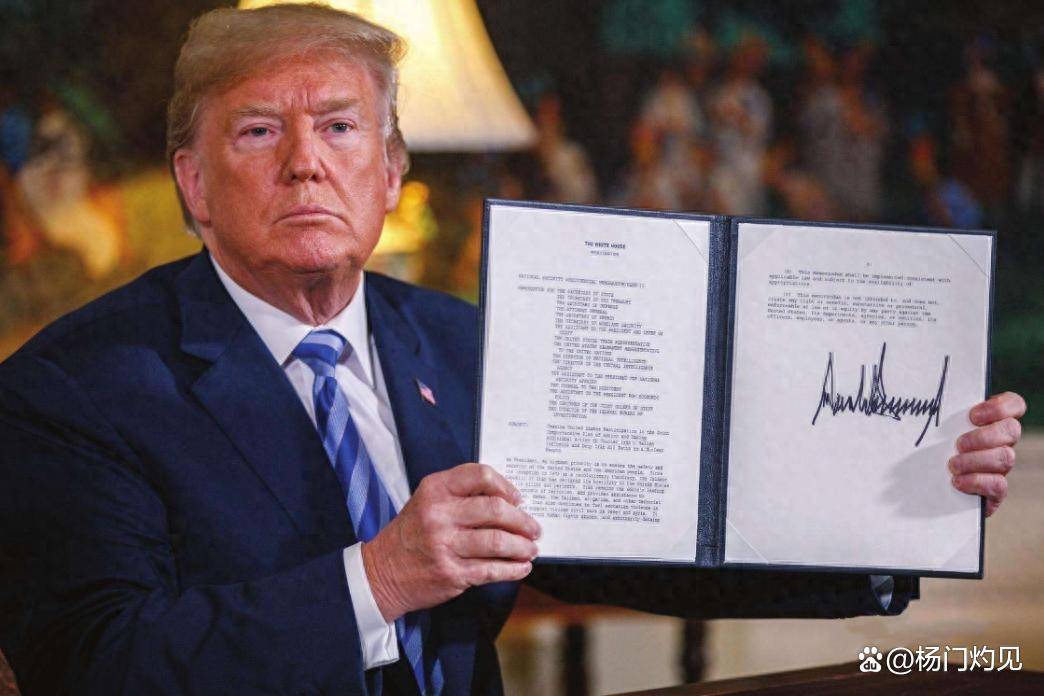
90天休战期延长:特朗普终于签字了,美国对华认输,英伟达被收割
Sou Hu Cai Jing· 2025-08-13 15:42
Group 1: Trade Dynamics - The U.S. is pressuring China to increase purchases of American soybeans, reflecting political pressure from agricultural states and a significant drop in soybean exports to China from a peak of 32.5 million tons in 2017 [1] - China's diversification of import sources has led to Brazil surpassing the U.S. as the largest soybean supplier to China in 2023, making U.S. soybeans a "optional" rather than a "necessary" commodity [3] Group 2: Impact on U.S. Tech Industry - The Trump administration's new policy requires U.S. chip companies like Nvidia to pay a 15% "export coordination fee" on sales to China, which is unprecedented in global trade history [5] - This additional cost will erode profit margins and weaken R&D capabilities for companies like Nvidia, which derives over 20% of its data center chip revenue from China [7][8] Group 3: Strategic Dilemmas - The U.S. government's actions reflect a deeper strategic dilemma, balancing the need to appease agricultural voters while maintaining a goal to curb China's technological advancements [7] - Historical context shows that U.S. trade bullying has not led to victory, as seen in the 1980s with Japan's semiconductor industry, which ultimately accelerated the rise of South Korea and Taiwan [10] Group 4: Consequences of Trade Restrictions - Current restrictions on chip exports to China may paradoxically accelerate China's self-reliance in technology, as evidenced by Applied Materials reporting that 27% of its sales in Q1 2024 were still to China [12] - Southeast Asian countries are seizing the opportunity to attract high-tech industries amid U.S.-China tensions, indicating that trade wars can be a double-edged sword [14] Group 5: Overall Trade War Outcomes - The trade war has shown three major failures: declining agricultural exports undermining voter bases, tech companies being forced to pay high fees that weaken competitiveness, and technology restrictions inadvertently boosting Chinese innovation [14] - The true losers of the trade war are the businesses and farmers caught in political crossfire, highlighting the absurdity of unilateral pressure tactics [18]

马来西亚加强对美国高端人工智能芯片的出口管制,将对美国高端人工智能芯片的贸易实行许可证制度。
news flash· 2025-07-14 03:09
Core Viewpoint - Malaysia is strengthening export controls on high-end artificial intelligence chips to the United States, implementing a licensing system for trade in these chips [1] Group 1 - Malaysia's new regulations will require licenses for the export of high-end AI chips to the U.S. [1]
英伟达势将成为史上市值最高的公司
news flash· 2025-07-03 14:33
Core Viewpoint - Nvidia is poised to become the highest-valued company in history, with a market capitalization reaching $3.915 trillion, driven by increasing optimism in artificial intelligence on Wall Street [1] Group 1: Company Performance - Nvidia's stock price rose by 2% during early trading, reaching $160.4 [1] - The company's market capitalization surpassed Apple's previous record of $3.915 trillion, set on December 26, 2024 [1]