娇兰复原蜜

Search documents
贾乃亮被曝售假?真相到底是什么?
凤凰网财经· 2025-12-24 05:08
Core Viewpoint - The incident involving "Jia Nailiang's live stream suspected of selling counterfeit goods" has raised significant public concern, primarily due to a consumer's claim that the product purchased from the live stream differed from the genuine product, supported by a third-party testing report indicating it was counterfeit [1][11]. Group 1: Incident Overview - The controversy began when a consumer reported discrepancies in the Guerlain product purchased from Jia Nailiang's live stream, claiming it was counterfeit based on a self-funded third-party testing report [3][11]. - Jia Nailiang's studio issued a statement asserting that all products sold in the live stream are sourced from official brand channels and that an investigation has been initiated [1][11]. - Independent investigations by media outlets such as Xinjingbao and The Paper found that the products from the live stream matched the official products with over 98% consistency in composition [12][11]. Group 2: Third-Party Testing Report - The third-party testing report that initially sparked the controversy was issued by Yuzhuangyi E-commerce Technology (Suzhou) Co., Ltd., which does not have a business scope that includes inspection and testing services [2][13]. - The company clarified that it only provides appearance testing and does not conduct chemical testing, and it is not listed in the national CMA certification [2][15]. - The report from Yuzhuangyi was labeled as "for reference only," raising questions about its credibility and the legitimacy of the claims made by the consumer [15][13]. Group 3: Consumer Rights and Verification - The incident highlights the challenges consumers face in verifying product authenticity, especially when testing institutions lack proper credentials [16][17]. - Consumers are advised to prioritize reports from institutions with CMA or CNAS certification and to verify these reports through official channels [16][17]. - The case emphasizes the importance of clear and credible testing reports, which should include specific details such as the testing institution's name, certification marks, and unique report numbers [17][18]. Group 4: Implications for Brands and Influencers - Trust is fundamental in the live commerce economy, necessitating brands and influencers to prioritize product quality and supply chain management [18]. - In the face of disputes, proactive responses and authoritative evidence are essential for maintaining credibility [18]. - Consumers are encouraged to enhance their ability to discern information and assert their rights effectively, ensuring they are not misled by partial information [18].


货不对板?李佳琦被指双11清库存,“所有女生”又失望了
新浪财经· 2025-11-08 07:44
Core Viewpoint - The article discusses the recent controversy surrounding Li Jiaqi's live-streaming sales, particularly regarding discrepancies in product information that have led to consumer dissatisfaction and trust issues [2][6][13]. Group 1: Product Discrepancies - Consumers have reported receiving products with different fiber content than advertised, specifically a discrepancy between 45% and 47% viscose in the same product line [5][7]. - The issue has raised suspicions of selling outdated inventory, as many consumers believe they received older versions of products instead of the new ones [7][9]. - Official responses from the brand have indicated that variations in product composition can occur based on batch differences, but consumers remain unconvinced and have filed complaints [7][13]. Group 2: Consumer Complaints - The number of complaints related to Li Jiaqi's live-streaming has surged, exceeding 20,000, which is significantly higher than other leading live-streamers [15]. - Complaints include issues with receiving expired or near-expiry products, as well as a lack of transparency regarding product freshness and production dates [9][11]. - The increase in complaints reflects a growing dissatisfaction among consumers who feel misled by the perceived quality and freshness of products sold during live streams [15][17]. Group 3: Trust and Brand Image - The trust that consumers had in Li Jiaqi as a "price killer" has been undermined, leading to a perception that the quality of products is no longer guaranteed [17]. - The article suggests that the decline in perceived value and trust could have long-term implications for the live-streaming sales model, particularly for top influencers like Li Jiaqi [17][13]. - Industry analysts note that the erosion of trust in Li Jiaqi's brand could signal broader challenges for live-streaming commerce, especially if transparency and consumer rights are not prioritized [13][17].

货不对板? 李佳琦被指双11清库存,“所有女生”又失望了
Xin Lang Ke Ji· 2025-11-08 07:37
Core Viewpoint - The recent controversy surrounding Li Jiaqi's live-streaming sales has led to consumer dissatisfaction due to discrepancies in product information, particularly regarding the fiber content of a thermal underwear product, raising questions about product authenticity and trustworthiness [2][4][12]. Group 1: Product Discrepancies - Consumers have reported receiving thermal underwear with different fiber content percentages than advertised, leading to accusations of selling outdated or incorrect products [4][7]. - The official product details indicate a fiber content of 45%, while some products sold in Li Jiaqi's live stream show a content of 47%, causing confusion and distrust among buyers [2][7]. - Industry insiders suggest that the discrepancies may stem from selling old stock rather than new products, which contradicts Li Jiaqi's image of providing fresh goods [7][12]. Group 2: Consumer Complaints - The number of complaints related to Li Jiaqi's live stream has surged, with over 20,000 complaints reported, significantly higher than other leading live-streamers [13][15]. - Consumers have expressed frustration over receiving expired or near-expiry products, which undermines the trust built by Li Jiaqi as a price leader in the market [8][15]. - The complaints highlight a growing concern among consumers regarding the transparency and reliability of live-stream sales, particularly in relation to product freshness and quality [12][15]. Group 3: Industry Implications - The situation reflects a broader issue in the live-streaming industry, where the promise of "lowest prices" is being challenged by rising operational costs and reduced bargaining power for top influencers [16]. - As consumer trust erodes, the potential for long-term damage to the live-streaming sales model increases, particularly if transparency and product quality are not prioritized [12][16]. - The incident serves as a cautionary tale for other influencers and brands in the industry, emphasizing the importance of maintaining consumer trust through accurate product representation and ethical sales practices [12][15].
秋招宣讲会,把大学生当猴耍?
虎嗅APP· 2025-10-10 13:43
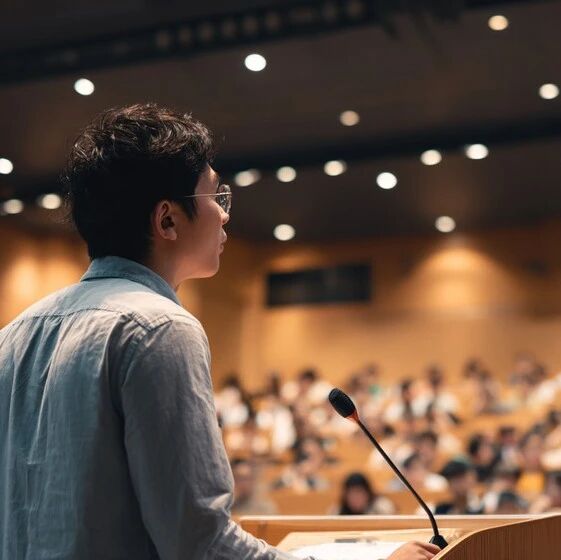
Core Viewpoint - The article discusses the challenges faced by university students during the autumn recruitment season, highlighting the disparity between expectations and reality in corporate recruitment presentations, particularly focusing on LVMH's recent event at Fudan University, which was criticized for lacking substance and practical recruitment information [5][12][20]. Group 1: Recruitment Events - The autumn recruitment season is characterized by a high volume of corporate presentations, with students attending to gather information and opportunities [7][32]. - LVMH's presentation at Fudan University was noted for its lack of tangible recruitment information and excessive focus on brand promotion, leading to student dissatisfaction [12][20]. - In contrast, other companies like Miniso and L'Oréal provided more engaging and informative sessions, including direct interactions with HR and clear details on job opportunities [19][21]. Group 2: Student Expectations - Students expect recruitment events to provide concrete information about job roles, salary, and career development paths, rather than vague statements about passion and beauty [38][42]. - The presence of promotional gifts at recruitment events has become a common expectation, with students often attending for the giveaways as much as for job opportunities [21][22]. - The article notes that students are increasingly viewing recruitment events as opportunities to "stock up" on promotional items, leading to a perception of these events as "shopping trips" rather than serious recruitment opportunities [22][30]. Group 3: Corporate Strategies - Companies are using recruitment events to enhance their brand image and attract talent, often incorporating promotional gifts to create a positive impression [21][25]. - The article highlights a trend where companies are adopting various strategies for distributing promotional items, including limited quantities and social media engagement to increase participation [25][30]. - The effectiveness of recruitment events is being scrutinized, with some students questioning their value compared to online application processes, especially when events fail to provide meaningful engagement [31][42].