子弹时间

Search documents
【冬奥漫笔】早春米兰吹起“中国风”
Xin Lang Cai Jing· 2026-02-11 20:51
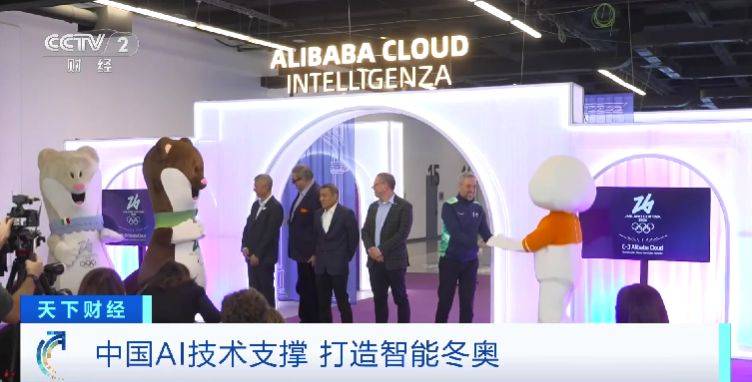
Core Viewpoint - The article highlights the significant presence and influence of Chinese culture at the Milan Winter Olympics, showcasing how cultural elements are being integrated into international events and public spaces, enhancing global engagement and understanding of Chinese heritage. Group 1: Cultural Representation - The opening ceremony featured a performance by Chinese pianist Lang Lang and Italian singer, which received positive feedback from the audience, indicating a successful cultural exchange [1] - Canadian figure skater Kaetlyn Osmond performed to the Chinese classical piece "Butterfly Lovers," demonstrating the appeal of Chinese music to international athletes and audiences [1][2] - The "China House" set up by the Chinese Olympic Committee attracted many foreign visitors, showcasing Chinese sports achievements and cultural experiences [3] Group 2: Cultural Integration in Public Spaces - Chinese cultural elements were visible in various public spaces during the Winter Olympics, including traditional sugar art and displays of ancient Chinese sports culture, which engaged local audiences [3] - The use of technology by Chinese companies, such as Alibaba Cloud's "bullet time" feature, enhanced the viewing experience of the events, showcasing China's innovation in sports technology [3] Group 3: Trendy Cultural Influence - The introduction of Chinese trendy culture, exemplified by the appearance of the LABUBU brand at the Olympics, signifies a shift towards a more youthful and approachable representation of Chinese culture in international sports [4] - The article emphasizes that culture transcends traditional forms and can manifest in music, products, and everyday experiences, making it relatable and accessible to a global audience [4]
中国AI助力冬奥会智能化:官方大模型、“子弹时间”提升赛事体验
Sou Hu Cai Jing· 2026-02-06 12:18
Core Insights - The 25th Winter Olympics opening ceremony is set to take place at 3 AM Beijing time on February 7, featuring the first official large model in Olympic history, enhancing the event's intelligence [1] Group 1: Technological Innovations - The International Olympic Committee (IOC) has introduced an official large model supported by Chinese technology, which is operational in both professional event management and public services [3] - The "National Olympic Committee AI Assistant" allows team members to ask questions in their native language, significantly improving collaboration efficiency during preparations [3] - The "Olympic AI Assistant" provides real-time, accurate answers to global audiences regarding event rules and Olympic history [3] Group 2: Enhanced Viewing Experience - AI technologies, including "bullet time," have been deployed in 10 core venues of the Milan Winter Olympics, covering over two-thirds of the competition events such as alpine skiing, snowboarding, and ski jumping, enhancing the viewing experience for global audiences [7] - The Chief Technology Officer of the Olympic Broadcasting Services emphasized the dynamic nature of winter sports and the importance of technology in capturing athletes' performances from various angles to help audiences better understand the sports [9] Group 3: Acknowledgment of Contributions - The IOC President expressed gratitude for the Chinese technology that has made the Milan Winter Olympics one of the most intelligent in history, opening new possibilities for the Olympic movement [5]

品牌出海2.0:海外Z世代为何“独爱”中国品牌?
2 1 Shi Ji Jing Ji Bao Dao· 2025-11-05 04:31
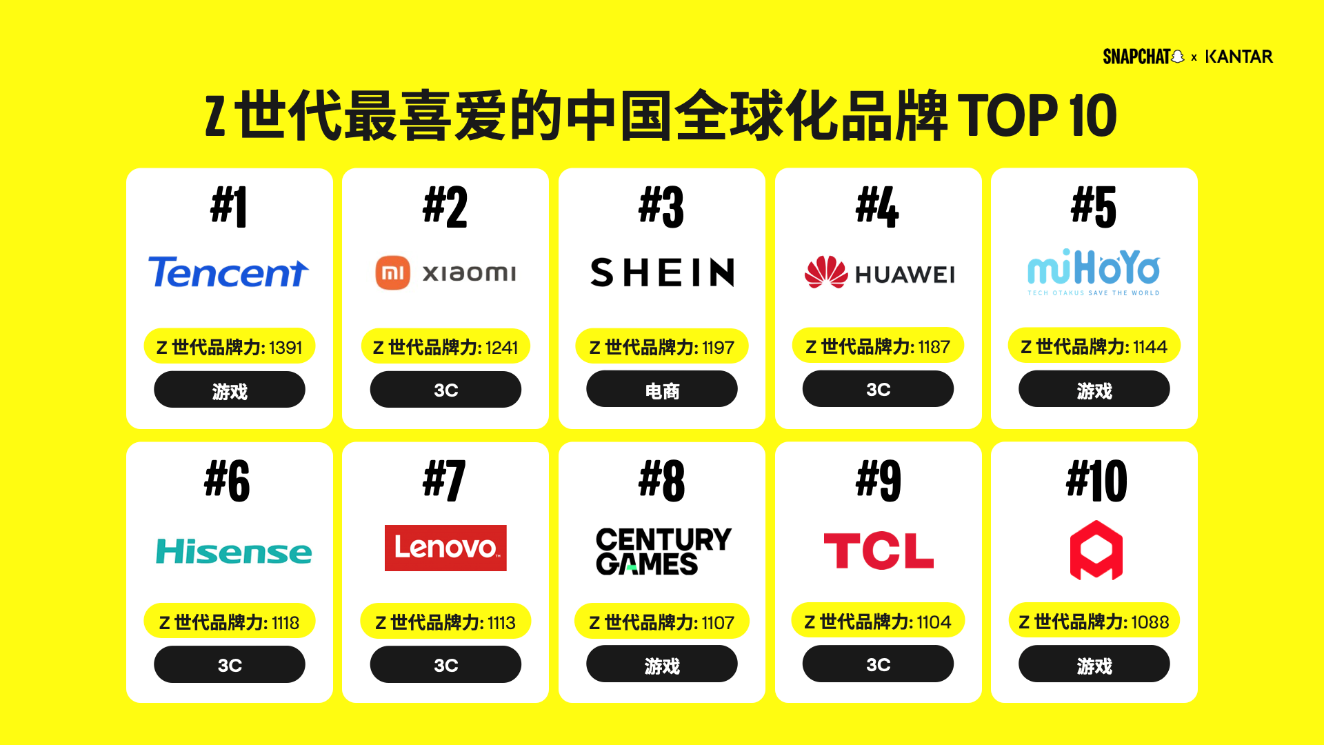
Core Insights - Chinese companies are undergoing a paradigm shift from "selling products" to "building brands," with the global Generation Z (born 1997-2012) being the key audience in this transformation [1][4]. Group 1: Generation Z and Consumer Trends - Generation Z currently accounts for approximately 25% of the global population, with disposable income projected to reach $9.8 trillion by 2025 and exceed $12.6 trillion by 2030 [2][5]. - This demographic is reshaping consumption rules and shows a unique openness towards Chinese brands, despite being generally cautious about cross-border brands [2][5]. - The preference for Chinese brands among Generation Z is a critical opportunity for Chinese companies to penetrate international markets [5][9]. Group 2: Brand Development and Social Media - Successful Chinese brands like SHEIN, Insta360, and Anker have established strong brand presence overseas, transitioning from being "seen" to being "loved" [3][10]. - Social media platforms such as Snapchat, TikTok, and Instagram are becoming the main battleground for brand recognition, with a high engagement rate among Generation Z [3][10]. - The rise of SHEIN is attributed to its effective use of social media and collaborations with influencers, which allowed it to gain traction at a low cost [10]. Group 3: Challenges and Strategies - Chinese companies face the challenge of moving beyond traditional sales channels and integrating into the brand narratives that resonate with younger consumers [4][12]. - The shift in advertising budget allocation from performance-driven to brand-building strategies indicates a growing recognition of the importance of emotional connections with consumers [14]. - Localization remains a significant challenge, as brands must adapt to cultural nuances and consumer preferences in different regions [11][12].