国家奥委会AI助手

Search documents
向新:科技创新展现硬核实力
Xin Lang Cai Jing· 2026-02-27 22:32
Group 1 - China's technological innovation achievements have been significant in 2023, showcasing the country's hard power and vitality, laying a solid foundation for the "14th Five-Year Plan" [1] - The implementation of the innovation-driven development strategy has been emphasized, with a focus on key core technology breakthroughs to seize the high ground in technological development [2] - Major technological milestones include the successful lunar sample return by "Chang'e 6," the launch of "Tianwen-2" for asteroid exploration, and the operational commencement of the world's first fourth-generation nuclear power plant [2][3] Group 2 - The national laboratory system and key laboratories have been established, enhancing research capabilities and forming a multi-layered strategic technology force matrix [3] - China ranks first globally in the number of R&D personnel and has entered the top ten in the global innovation index, with 24 clusters in the top 100 innovation clusters worldwide [3] - The "14th Five-Year Plan" period has seen an annual growth of 10% in R&D expenditure, with a target of 2.8% R&D intensity by 2025, surpassing the OECD average [2] Group 3 - The dual empowerment of technological innovation and industrial upgrading has been crucial for developing new productive forces, driving high-quality economic growth [4] - China is actively promoting the transformation of traditional industries towards high-end, intelligent, and green development, with significant advancements in various sectors [4] - The country has built approximately 4.8 million 5G base stations, leading the world in new energy installations, and maintaining the largest production and sales of new energy vehicles for 11 consecutive years [4][5] Group 4 - The "15th Five-Year Plan" period is critical for building a strong technological nation, focusing on enhancing the overall effectiveness of the national innovation system and promoting self-reliance in technology [6] - By 2025, the proportion of basic research funding is expected to reach 7.08%, with China leading in high-level international journal publications and patent applications [6] - The government encourages enterprises to increase investment in basic research and to form innovation consortia to tackle national technological challenges [7] Group 5 - Over 600,000 technology and innovation SMEs and 504,000 high-tech enterprises have been cultivated, providing essential support for the stability of the industrial supply chain [7] - The integration of technological innovation with industrial innovation is being promoted to enhance the conversion of scientific achievements into industrial upgrades and economic development [7] - The future of Chinese innovation is expected to continue advancing steadily, contributing to the modernization of the socialist nation [7]
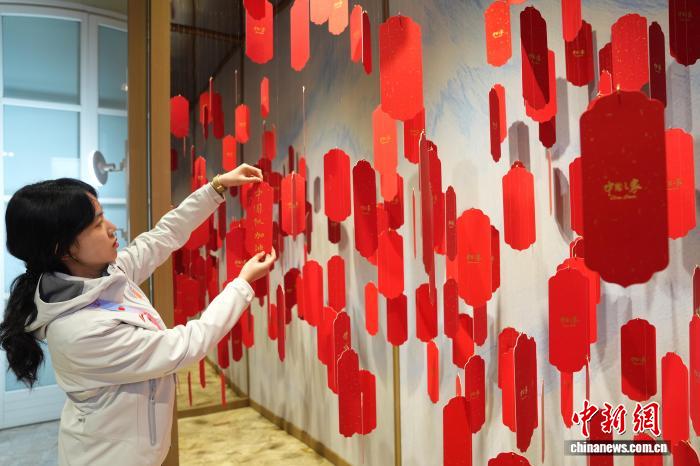
(米兰冬奥会)在米兰,看见多样中国
Zhong Guo Xin Wen Wang· 2026-02-13 08:19
Group 1 - The Milan Winter Olympics features the largest delegation from China, showcasing diverse participation in this global ice and snow event [1] - Chinese elements are prominently displayed both on and off the ice, with performances incorporating traditional Chinese music and aesthetics [1] - The "China House" at the Winter Olympics highlights Chinese culture through exhibitions of traditional artifacts and interactive experiences for international visitors [3] Group 2 - Technological innovation is a key highlight of the Winter Olympics, with Chinese companies providing AI assistance and advanced visual effects for enhanced viewer experience [4] - The event is noted as the most intelligent Winter Olympics to date, with Chinese technology playing a significant role in its execution [4] - The integration of sports, culture, and technology reflects a vibrant image of China on the global stage [4]

“中国制造”闪耀米兰冬奥
Xin Lang Cai Jing· 2026-02-10 20:03
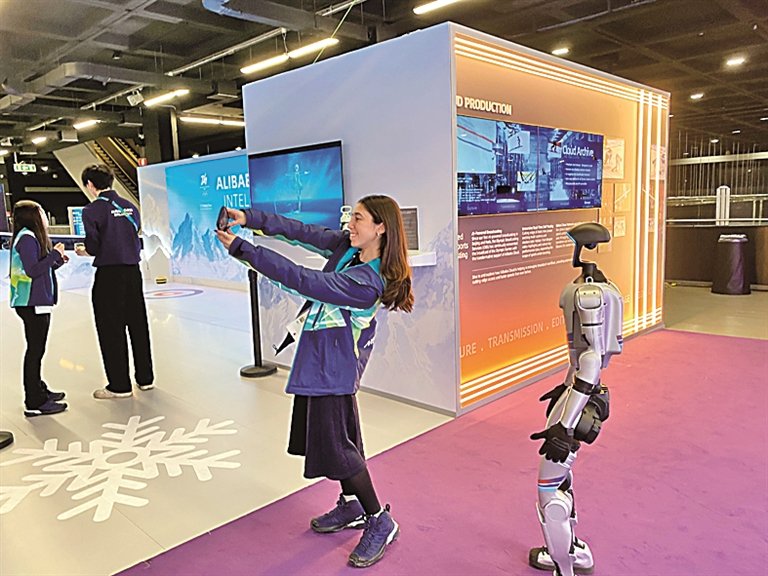
Group 1 - Chinese athlete Gu Ailing won a silver medal in women's freestyle skiing at the Milan Winter Olympics, utilizing equipment marked with "Made in China," showcasing the contribution of Chinese companies to the event [1] - The Olympic Broadcasting Services collaborated with Chinese enterprises to create the "Olympic Screen Universe," deploying hundreds of large-screen HD televisions, digital signage, and LED screens across various venues to enhance the viewing experience for athletes and spectators [1] - A "smart exhibition booth" from a Chinese company was prominently featured at the main media center of the Winter Olympics, where the International Olympic Committee (IOC) President announced the creation of the first official Olympic large model based on technology from a Chinese enterprise [3] Group 2 - The official large model developed by the Chinese company Qianwen provides AI assistance to national Olympic committees, allowing representatives to ask questions in their native languages, thus improving coordination efficiency among global teams [3] - Chinese companies have developed multi-model fusion algorithms to address broadcasting challenges, enhancing the visual experience for viewers with clearer "bullet time" freeze frames and new "time slice" effects during broadcasts [4] - The Milan Winter Olympics is noted for its geographical span, and Chinese companies supported the construction of a traffic management system using cloud computing to facilitate access from urban areas to mountainous regions [4]
“中国屏”“中国AI” 在米兰冬奥批量出圈,冰雪体育营销加码
Di Yi Cai Jing· 2026-02-08 13:15
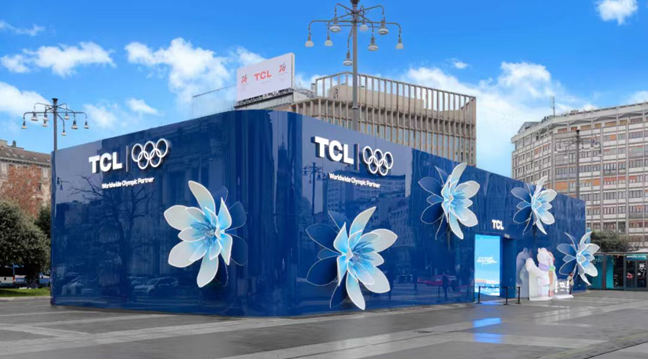
Core Insights - The 2026 Winter Olympics in Milan and Cortina is showcasing an increasing presence of Chinese technology products, positioning it as a "golden window" for Chinese manufacturing to demonstrate its technological strength globally [1] - Chinese brands, including TCL, Alibaba, and Anta, are actively participating as sponsors, reflecting their competitive strength and aggressive marketing strategies in the global market [1] Group 1: Chinese Technology Empowerment - TCL has joined the ranks of global partners for the Winter Olympics, integrating its technology and products into the event's operations and user experience [3] - The "Snow Velvet Wonderland" exhibition by TCL at Milan's central train station features innovative products like TVs, air conditioners, and AR/AI glasses, showcasing future technology [3][4] - TCL's "Olympic Screen Universe" initiative includes providing hundreds of large-screen TVs and digital signage for broadcasting, enhancing the viewing experience for athletes and spectators [4] Group 2: AI and Smart Solutions - The Winter Olympics is noted as the "smartest" in history, with Alibaba's AI model enhancing operational efficiency for national Olympic committees across 11 countries [5] - AI technology is also being utilized for high-precision reconstruction of snowy scenes during broadcasts, improving the clarity of fast-paced sports action [5] Group 3: Sports Marketing and Brand Promotion - TCL has signed Chinese freestyle skier Gu Ailing as its global brand ambassador and is sponsoring top athletes, leveraging the Olympics to promote its brand [6] - Other Chinese brands, such as Changhong and Midea, are also increasing their presence in winter sports marketing, with Changhong partnering with the International Ski Federation [7] - Chinese apparel brands are gaining visibility, with teams from various countries wearing outfits from brands like Li Ning and Anta during the opening ceremony [8] Group 4: Athlete Endorsements - Sports stars are becoming popular choices for brand endorsements, with Gu Ailing securing numerous deals post-2022 Beijing Olympics, highlighting the effectiveness of athlete endorsements over entertainment figures [9] - The marketing strategies of Chinese brands are evolving, with a need for more creativity and storytelling in their campaigns to enhance global appeal [9]

中国智慧点亮米兰冬奥
Xin Lang Cai Jing· 2026-02-07 09:27
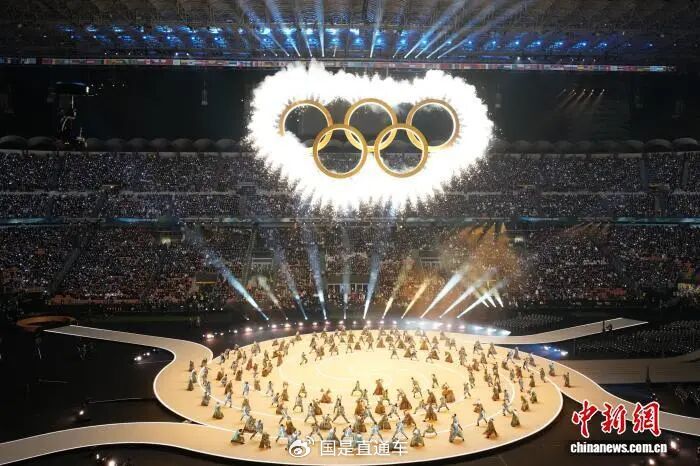
Core Viewpoint - The 2026 Milan-Cortina Winter Olympics is set to be significantly influenced by technology, particularly through the integration of Chinese AI innovations, enhancing the overall experience for athletes and spectators alike [1][3]. Group 1: Technological Innovations - The broadcasting experience of the Winter Olympics has been transformed by Chinese AI technology, with the International Olympic Committee (IOC) utilizing Alibaba's Qianwen model to create the first official Olympic large model, marking this event as the "smartest" Olympics in history [3]. - A multi-model fusion algorithm developed in China will address challenges in snow broadcasting, providing clearer visuals and real-time highlights through an "automatic media description system" [6]. - The "Olympic AI Assistant" offers multilingual support for various national delegations, enhancing communication and operational efficiency during the games [3][8]. Group 2: Athlete Experience - Athletes will benefit from customized competition gear developed using 3D scanning and AI technology, featuring lightweight, breathable materials and low-drag designs [6]. - The Olympic Village is equipped with smart living solutions, including air conditioning that monitors sleep patterns and AI glasses for navigation, ensuring athletes' comfort and efficiency [10]. Group 3: Audience Engagement - The event will feature advanced display technologies from China, creating a "screen universe" that enhances the viewing experience and allows athletes to connect with family and friends in real-time [8]. - Interactive elements, such as the "smart badge exchange station," will add a technological twist to traditional interactions, providing a unique experience for participants [8][10]. Group 4: Infrastructure and Logistics - A smart traffic management system powered by Chinese cloud technology will facilitate transportation in the challenging Alpine terrain, ensuring smooth access to venues [10].
(米兰冬奥会)中国智慧点亮米兰冬奥
Zhong Guo Xin Wen Wang· 2026-02-07 05:27
Core Viewpoint - The 2026 Milan-Cortina Winter Olympics is significantly enhanced by Chinese technology, particularly in AI and display systems, which are reshaping the experience of viewing, participating, and perceiving the Olympics [1][3][6] Group 1: Technological Innovations - The broadcasting experience of the Winter Olympics has been transformed by Chinese AI technology, with the International Olympic Committee utilizing Alibaba's Qianwen model to create the first official Olympic large model, making this the "smartest" Olympics in history [3] - A "National Olympic Committee AI Assistant" has been developed to provide multilingual event services, addressing various logistical and qualification inquiries, thereby improving global collaboration [3] - Chinese-developed multi-model fusion algorithms will enhance broadcast clarity, offering features like "bullet time" and "time slice" effects, while an "automatic media description system" will generate real-time highlights and analyses [3] Group 2: Athlete Experience - Chinese sports brands are leveraging 3D scanning and AI technology to customize competition apparel, using advanced materials to balance weight and breathability, and optimizing shoe performance with low-drag designs [3] - Athletes can connect with family and friends through high-definition screens in the Olympic Village, showcasing the emotional aspect of their victories, enabled by Chinese display technology [5] Group 3: Interactive and Supportive Technologies - The "Olympic AI Assistant" provides 24/7 multilingual support for athletes, officials, and spectators, demonstrating the human touch of technology [5] - The Olympic Village features smart living solutions, including air conditioning that senses sleep patterns and AI glasses for translation and navigation, enhancing athletes' daily lives [5] - A smart traffic management system, supported by Chinese cloud technology, operates effectively in the challenging Alpine conditions, ensuring smooth transportation to the venues [5][6]
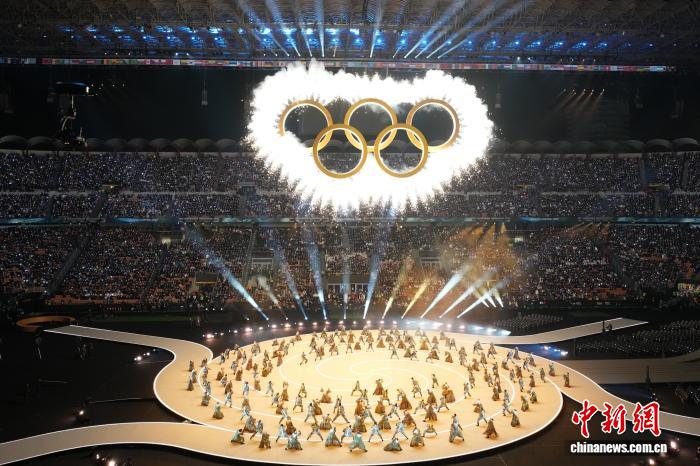
中国AI助力冬奥会智能化:官方大模型、“子弹时间”提升赛事体验
Sou Hu Cai Jing· 2026-02-06 12:18
Core Insights - The 25th Winter Olympics opening ceremony is set to take place at 3 AM Beijing time on February 7, featuring the first official large model in Olympic history, enhancing the event's intelligence [1] Group 1: Technological Innovations - The International Olympic Committee (IOC) has introduced an official large model supported by Chinese technology, which is operational in both professional event management and public services [3] - The "National Olympic Committee AI Assistant" allows team members to ask questions in their native language, significantly improving collaboration efficiency during preparations [3] - The "Olympic AI Assistant" provides real-time, accurate answers to global audiences regarding event rules and Olympic history [3] Group 2: Enhanced Viewing Experience - AI technologies, including "bullet time," have been deployed in 10 core venues of the Milan Winter Olympics, covering over two-thirds of the competition events such as alpine skiing, snowboarding, and ski jumping, enhancing the viewing experience for global audiences [7] - The Chief Technology Officer of the Olympic Broadcasting Services emphasized the dynamic nature of winter sports and the importance of technology in capturing athletes' performances from various angles to help audiences better understand the sports [9] Group 3: Acknowledgment of Contributions - The IOC President expressed gratitude for the Chinese technology that has made the Milan Winter Olympics one of the most intelligent in history, opening new possibilities for the Olympic movement [5]
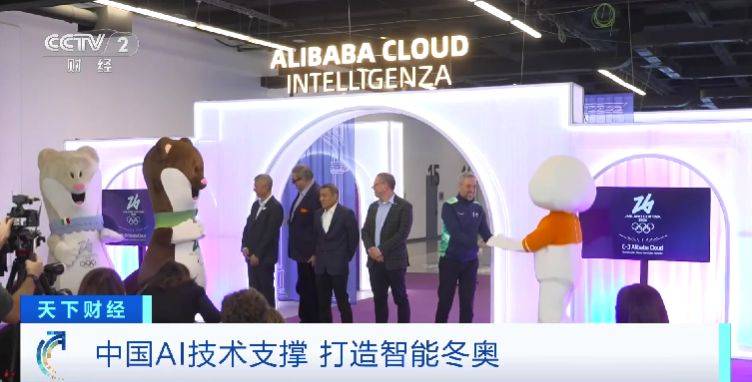
视频丨“智能”感十足的冬奥会背后 是中国AI技术在支撑→
Yang Shi Xin Wen Ke Hu Duan· 2026-02-05 23:55
Core Insights - The International Olympic Committee (IOC) has introduced the first official large model in Olympic history, enhancing the intelligence of the upcoming Winter Olympics [1][4] Group 1: Technology Implementation - The official large model, supported by Chinese technology, has been implemented in both professional event management and public services [3] - The "National Olympic Committee AI Assistant" allows team members to ask questions in their native language, significantly improving collaboration efficiency [3] - The "Olympic AI Assistant" provides real-time, accurate answers to global audiences regarding event rules and Olympic history [3] Group 2: Impact on Broadcasting and Viewer Experience - The IOC President, Thomas Bach, emphasized that the integration of Chinese technology makes the Milan Winter Olympics one of the most intelligent in history, opening new possibilities for the Olympic movement [4] - AI technologies, such as "bullet time," have been deployed in 10 core venues of the Milan Winter Olympics, covering over two-thirds of the competition events, enhancing the viewing experience for global audiences [4] - The Chief Technology Officer of Olympic Broadcasting Services highlighted the dynamic nature of winter sports, stating that technology helps capture athletes' performances from different angles, aiding audience understanding of their extraordinary achievements [6]
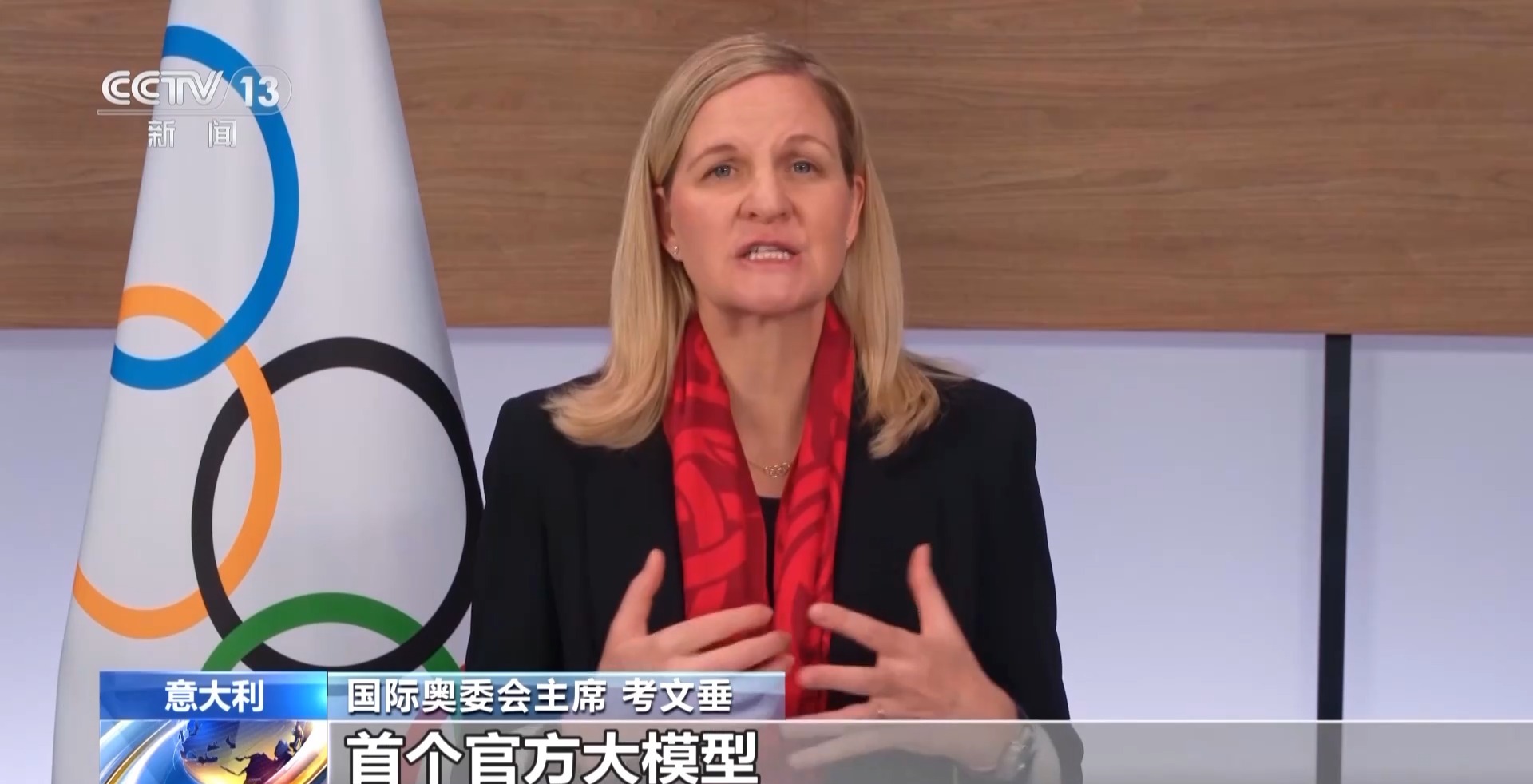
(米兰冬奥会)中国AI助力打造奥运史上首个官方大模型
Xin Lang Cai Jing· 2026-02-05 16:09
Core Insights - The 2026 Milan-Cortina Winter Olympics will be the first to utilize an official AI model developed by Alibaba, marking a significant step towards the intelligent future of the Olympic movement [1][2] - The event is expected to be the "smartest" Olympics in history, showcasing advanced AI applications in both operational and public service aspects [1] Group 1: AI Applications in Operations - The International Olympic Committee (IOC) has launched a "National Olympic Committee AI Assistant" on its website, which leverages the AI model's multilingual capabilities to assist national committees with various inquiries, enhancing collaboration efficiency among global teams [1] - An automatic media description system, based on the Qwen-VL model, has been implemented to provide real-time event descriptions during broadcasts, improving the viewer experience [2] Group 2: Enhancements in Broadcasting and Viewer Experience - A multi-model fusion algorithm developed in China addresses broadcasting challenges, enhancing visual clarity and introducing new effects like "bullet time" and "time slices" for a more immersive viewing experience [2] - The Milan Winter Olympics will feature the widest geographical span in Olympic history, with a traffic management system supported by Alibaba Cloud to facilitate access to mountainous areas during adverse weather conditions [2] Group 3: Legacy and Future Impact - The legacy of the Milan Winter Olympics is expected to be its intelligent capabilities, which the IOC believes will reshape the future of the Olympic Games [2]
国际奥委会联合阿里推出首个奥运官方大模型
Zhong Guo Jing Ying Bao· 2026-02-05 12:11
Core Insights - The International Olympic Committee (IOC) has launched the first official Olympic AI model based on Alibaba's Qianwen model, aimed at enhancing both professional operations and public services during the Milan Winter Olympics [1][2] Group 1: Professional Operations - The IOC has introduced a "National Olympic Committee AI Assistant" on its website for staff from various national Olympic committees, leveraging the Qianwen model's multilingual capabilities to provide precise answers to queries related to qualification and logistics [1] - This application significantly improves collaboration efficiency among global delegations by eliminating language and regional barriers [1] Group 2: Public Engagement - An "Olympic AI Assistant" will also be available on the IOC's official website (Olympics.com), designed to answer questions about event rules and Olympic history in real-time for global audiences [1] - The use of AI technology aims to bridge the gap between the public and the Olympic Games, enhancing overall engagement [1] Group 3: Future of the Olympics - IOC President Kirsty Coventry highlighted the transformative impact of AI technology on the Winter Olympics, suggesting that the 2026 Milan Games will be the "smartest" in history due to the support of the Qianwen model [1] - Coventry emphasized that each Olympic Games leaves a unique legacy, and the legacy of the Milan Winter Olympics will be characterized by AI-driven intelligence [2]