
奥运AI助手

Search documents
中国智慧点亮米兰冬奥
Xin Lang Cai Jing· 2026-02-07 09:27
Core Viewpoint - The 2026 Milan-Cortina Winter Olympics is set to be significantly influenced by technology, particularly through the integration of Chinese AI innovations, enhancing the overall experience for athletes and spectators alike [1][3]. Group 1: Technological Innovations - The broadcasting experience of the Winter Olympics has been transformed by Chinese AI technology, with the International Olympic Committee (IOC) utilizing Alibaba's Qianwen model to create the first official Olympic large model, marking this event as the "smartest" Olympics in history [3]. - A multi-model fusion algorithm developed in China will address challenges in snow broadcasting, providing clearer visuals and real-time highlights through an "automatic media description system" [6]. - The "Olympic AI Assistant" offers multilingual support for various national delegations, enhancing communication and operational efficiency during the games [3][8]. Group 2: Athlete Experience - Athletes will benefit from customized competition gear developed using 3D scanning and AI technology, featuring lightweight, breathable materials and low-drag designs [6]. - The Olympic Village is equipped with smart living solutions, including air conditioning that monitors sleep patterns and AI glasses for navigation, ensuring athletes' comfort and efficiency [10]. Group 3: Audience Engagement - The event will feature advanced display technologies from China, creating a "screen universe" that enhances the viewing experience and allows athletes to connect with family and friends in real-time [8]. - Interactive elements, such as the "smart badge exchange station," will add a technological twist to traditional interactions, providing a unique experience for participants [8][10]. Group 4: Infrastructure and Logistics - A smart traffic management system powered by Chinese cloud technology will facilitate transportation in the challenging Alpine terrain, ensuring smooth access to venues [10].

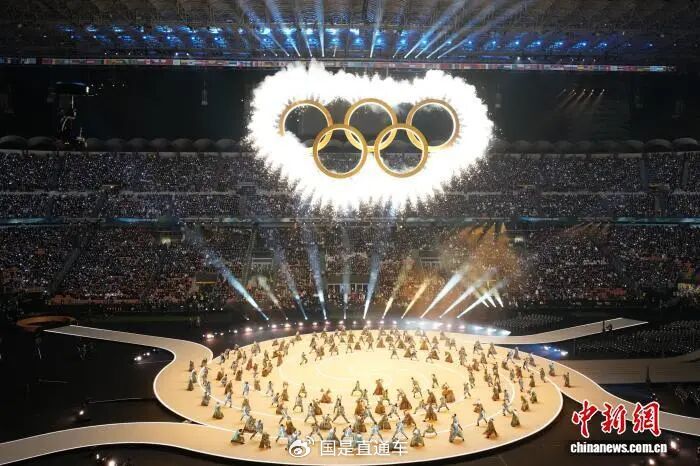
中国AI助力冬奥会智能化:官方大模型、“子弹时间”提升赛事体验
Sou Hu Cai Jing· 2026-02-06 12:18
Core Insights - The 25th Winter Olympics opening ceremony is set to take place at 3 AM Beijing time on February 7, featuring the first official large model in Olympic history, enhancing the event's intelligence [1] Group 1: Technological Innovations - The International Olympic Committee (IOC) has introduced an official large model supported by Chinese technology, which is operational in both professional event management and public services [3] - The "National Olympic Committee AI Assistant" allows team members to ask questions in their native language, significantly improving collaboration efficiency during preparations [3] - The "Olympic AI Assistant" provides real-time, accurate answers to global audiences regarding event rules and Olympic history [3] Group 2: Enhanced Viewing Experience - AI technologies, including "bullet time," have been deployed in 10 core venues of the Milan Winter Olympics, covering over two-thirds of the competition events such as alpine skiing, snowboarding, and ski jumping, enhancing the viewing experience for global audiences [7] - The Chief Technology Officer of the Olympic Broadcasting Services emphasized the dynamic nature of winter sports and the importance of technology in capturing athletes' performances from various angles to help audiences better understand the sports [9] Group 3: Acknowledgment of Contributions - The IOC President expressed gratitude for the Chinese technology that has made the Milan Winter Olympics one of the most intelligent in history, opening new possibilities for the Olympic movement [5]
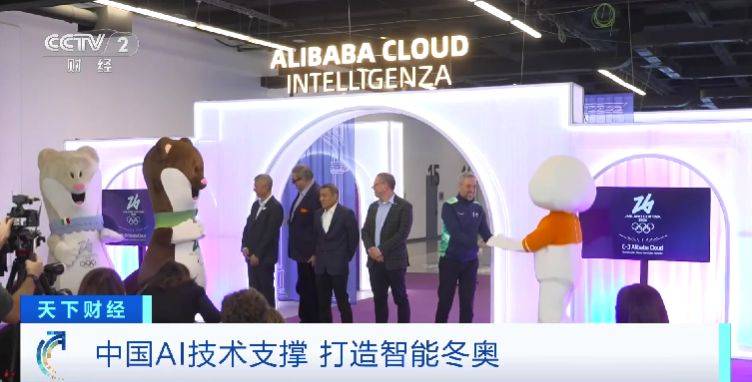
视频丨“智能”感十足的冬奥会背后 是中国AI技术在支撑→
Yang Shi Xin Wen Ke Hu Duan· 2026-02-05 23:55
Core Insights - The International Olympic Committee (IOC) has introduced the first official large model in Olympic history, enhancing the intelligence of the upcoming Winter Olympics [1][4] Group 1: Technology Implementation - The official large model, supported by Chinese technology, has been implemented in both professional event management and public services [3] - The "National Olympic Committee AI Assistant" allows team members to ask questions in their native language, significantly improving collaboration efficiency [3] - The "Olympic AI Assistant" provides real-time, accurate answers to global audiences regarding event rules and Olympic history [3] Group 2: Impact on Broadcasting and Viewer Experience - The IOC President, Thomas Bach, emphasized that the integration of Chinese technology makes the Milan Winter Olympics one of the most intelligent in history, opening new possibilities for the Olympic movement [4] - AI technologies, such as "bullet time," have been deployed in 10 core venues of the Milan Winter Olympics, covering over two-thirds of the competition events, enhancing the viewing experience for global audiences [4] - The Chief Technology Officer of Olympic Broadcasting Services highlighted the dynamic nature of winter sports, stating that technology helps capture athletes' performances from different angles, aiding audience understanding of their extraordinary achievements [6]
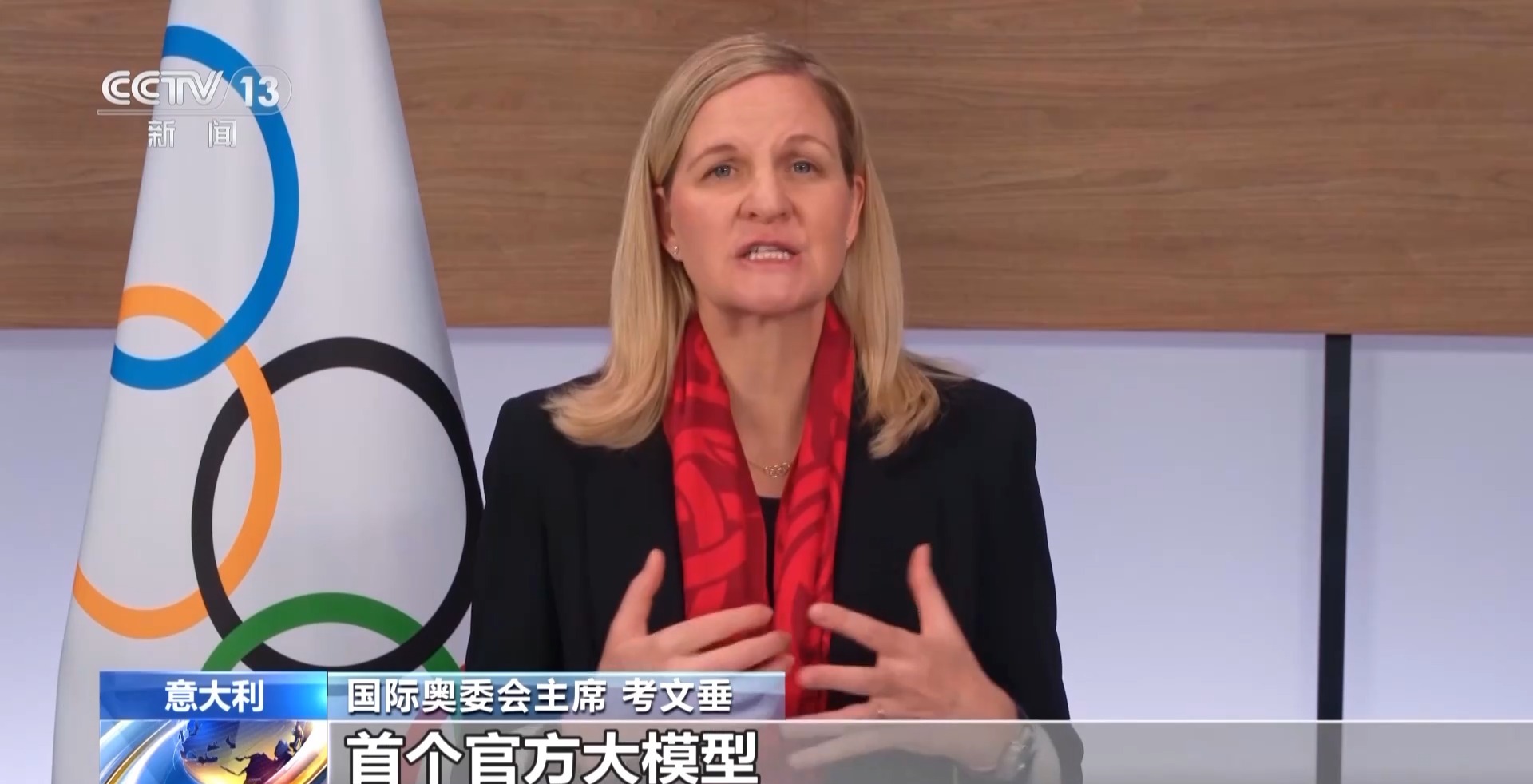
(米兰冬奥会)中国AI助力打造奥运史上首个官方大模型
Xin Lang Cai Jing· 2026-02-05 16:09
Core Insights - The 2026 Milan-Cortina Winter Olympics will be the first to utilize an official AI model developed by Alibaba, marking a significant step towards the intelligent future of the Olympic movement [1][2] - The event is expected to be the "smartest" Olympics in history, showcasing advanced AI applications in both operational and public service aspects [1] Group 1: AI Applications in Operations - The International Olympic Committee (IOC) has launched a "National Olympic Committee AI Assistant" on its website, which leverages the AI model's multilingual capabilities to assist national committees with various inquiries, enhancing collaboration efficiency among global teams [1] - An automatic media description system, based on the Qwen-VL model, has been implemented to provide real-time event descriptions during broadcasts, improving the viewer experience [2] Group 2: Enhancements in Broadcasting and Viewer Experience - A multi-model fusion algorithm developed in China addresses broadcasting challenges, enhancing visual clarity and introducing new effects like "bullet time" and "time slices" for a more immersive viewing experience [2] - The Milan Winter Olympics will feature the widest geographical span in Olympic history, with a traffic management system supported by Alibaba Cloud to facilitate access to mountainous areas during adverse weather conditions [2] Group 3: Legacy and Future Impact - The legacy of the Milan Winter Olympics is expected to be its intelligent capabilities, which the IOC believes will reshape the future of the Olympic Games [2]
国际奥委会联合阿里推出首个奥运官方大模型
Zhong Guo Jing Ying Bao· 2026-02-05 12:11
Core Insights - The International Olympic Committee (IOC) has launched the first official Olympic AI model based on Alibaba's Qianwen model, aimed at enhancing both professional operations and public services during the Milan Winter Olympics [1][2] Group 1: Professional Operations - The IOC has introduced a "National Olympic Committee AI Assistant" on its website for staff from various national Olympic committees, leveraging the Qianwen model's multilingual capabilities to provide precise answers to queries related to qualification and logistics [1] - This application significantly improves collaboration efficiency among global delegations by eliminating language and regional barriers [1] Group 2: Public Engagement - An "Olympic AI Assistant" will also be available on the IOC's official website (Olympics.com), designed to answer questions about event rules and Olympic history in real-time for global audiences [1] - The use of AI technology aims to bridge the gap between the public and the Olympic Games, enhancing overall engagement [1] Group 3: Future of the Olympics - IOC President Kirsty Coventry highlighted the transformative impact of AI technology on the Winter Olympics, suggesting that the 2026 Milan Games will be the "smartest" in history due to the support of the Qianwen model [1] - Coventry emphasized that each Olympic Games leaves a unique legacy, and the legacy of the Milan Winter Olympics will be characterized by AI-driven intelligence [2]


基于阿里千问打造 首个奥运官方大模型出炉
Zhong Guo Jing Ying Bao· 2026-02-05 09:49
Core Insights - The International Olympic Committee (IOC) has launched the first official AI model in Olympic history, developed using Alibaba's Qianwen model, aimed at enhancing both professional operations and public services during the Milan Winter Olympics [1][2]. Group 1: Professional Operations - The IOC has introduced a "National Olympic Committee AI Assistant" on its website for staff from various national Olympic committees, leveraging the Qianwen model's multilingual capabilities to provide precise answers to queries related to qualification and logistics [1]. - This application significantly improves collaboration efficiency among global delegations by eliminating language and regional barriers [1]. Group 2: Public Engagement - An "Olympic AI Assistant" will be available on the IOC's official website (Olympics.com) for global audiences, capable of answering questions about event rules and Olympic history in real-time [1]. - The use of AI technology aims to bridge the gap between the public and the Olympic Games, enhancing overall engagement [1]. Group 3: Strategic Partnership - The IOC recognizes Alibaba as a transformative partner in the Olympic movement, contributing to efficiency and sustainability from Tokyo to Paris [2]. - The legacy of the Milan Winter Olympics is expected to be characterized by intelligence, specifically through AI-driven innovations [2].
史上首次,米兰冬奥基于阿里千问打造奥运官方大模型
Huan Qiu Wang· 2026-02-05 07:57
Group 1 - The International Olympic Committee (IOC) has launched the first official AI model for the Olympics, developed in collaboration with Alibaba's Qianwen model, marking a transformative step for the Milan Winter Olympics [1][5] - The AI model will be implemented in both professional event management and public services, enhancing communication and efficiency for national Olympic committees and global audiences [3][5] - The AI assistant for national Olympic committees will provide multilingual support, allowing representatives to ask questions in their native languages, thus improving coordination and efficiency [3] Group 2 - An AI assistant for the public will be available on the Olympics website, capable of answering questions about event rules and Olympic history, thereby bridging the gap between the public and the Olympics [5] - The event will utilize an automatic media description system based on the Qwen-VL model to generate real-time descriptions of key events during broadcasts, enhancing viewer engagement [7] - Advanced AI technologies will be applied to improve broadcast quality, particularly in challenging snow-covered environments, ensuring clearer visuals and immersive viewing experiences [7][8] Group 3 - The Milan Winter Olympics is noted for its geographical span, with a traffic management system developed by Alibaba Cloud to facilitate access to mountainous areas, contributing to the event's sustainability goals [8] - The legacy of the Milan Winter Olympics is expected to be its focus on AI-driven intelligence, reshaping the future of the Olympic movement [10]
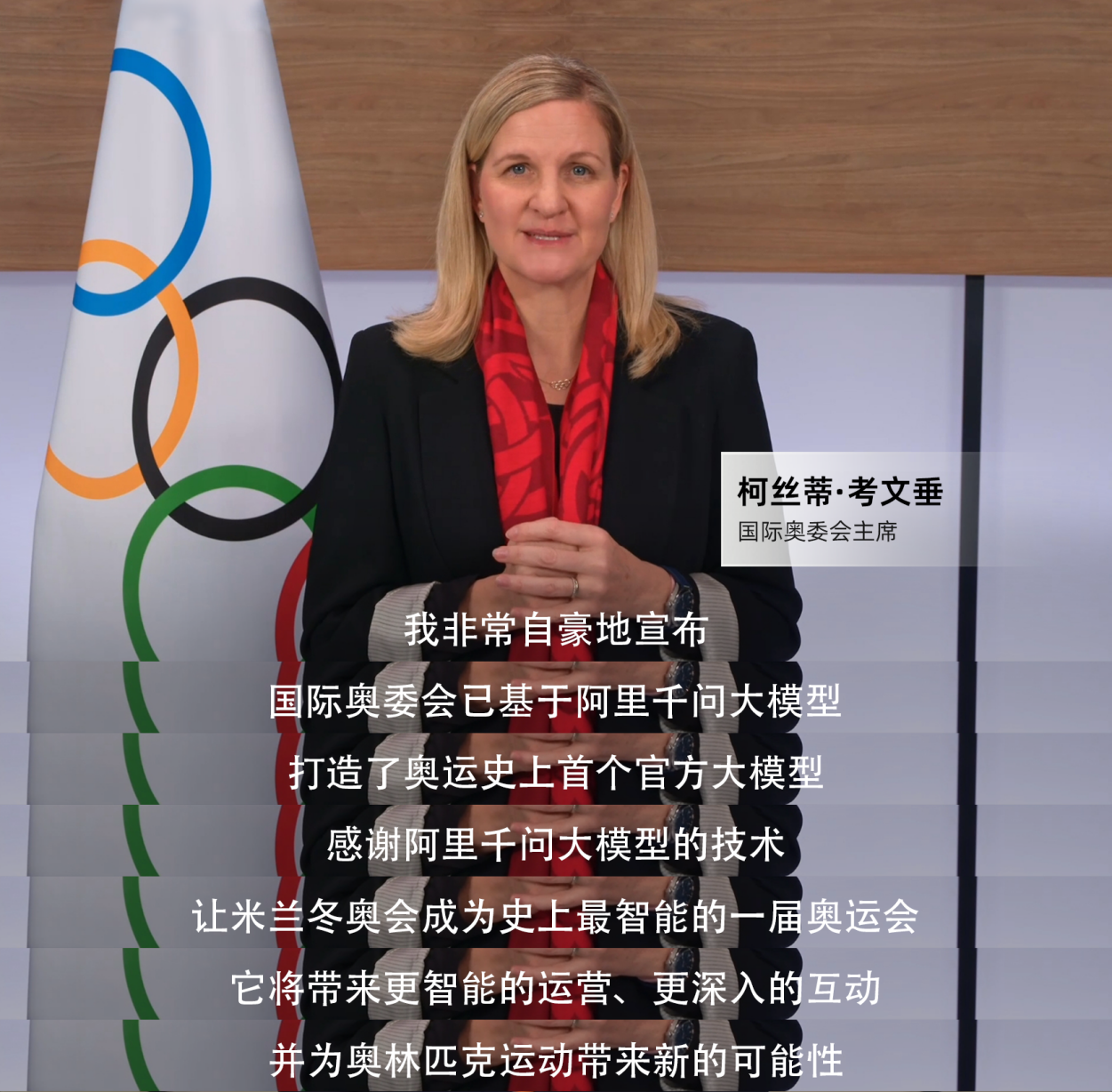
米兰冬奥会基于阿里千问打造奥运官方大模型
Zhong Guo Jin Rong Xin Xi Wang· 2026-02-05 07:21
Group 1 - The International Olympic Committee (IOC) has announced the launch of the first official Olympic large model based on Alibaba's Qianwen model, aimed at enhancing both professional event management and public services during the Milan Winter Olympics [1][2] - The "National Olympic Committee AI Assistant" will be available on the IOC's website, allowing representatives to ask questions in their native languages and receive precise answers on various topics, significantly improving collaboration efficiency among global delegations [2] - An "Olympic AI Assistant" will also be launched for the general public, providing real-time and accurate answers about event rules and Olympic history, thereby bridging the gap between the public and the Olympics [2] Group 2 - Alibaba Cloud's AI-enhanced broadcasting effects technology has achieved a record penetration rate at this Winter Olympics, addressing challenges related to the unique snow background and visual blind spots through multi-model fusion algorithms [3] - This technology has been deployed in 10 core competition venues, covering over two-thirds of the events, including alpine skiing, ski jumping, and ice hockey, allowing viewers to experience clearer "bullet time" freeze frames and new "time slice" effects [3]