宁德时代钠离子电池

Search documents
长安汽车首发量产钠电池车型,宁德时代提供电池系统
Xin Lang Cai Jing· 2026-02-06 05:33
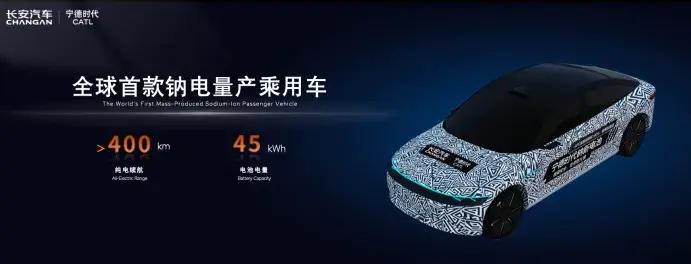
2月5日,长安汽车在内蒙古牙克石举行"天枢智能新安全成果发布暨钠电战略全球发布会",正式宣布其 钠离子电池(以下简称"钠电")发展战略,并首次公开亮相全球首款搭载钠离子电池的量产乘用车。 据发布会披露,该车型已通过牙克石地区冬季标定测试,在低温性能、续航表现、安全性和放电能力等 方面达到可量产标准。车辆所搭载的钠离子电池由宁德时代提供,采用其第三代CTP(CelltoPack)成 组技术,系统能量密度最高达175Wh/kg。在实际测试中,该车型纯电续航里程超过400公里;官方表 示,随着产业链成熟与技术迭代,未来有望实现500–600公里的纯电续航,并支持增程式混动系统实现 300–400公里的综合续航。 据发布会披露,该车型已通过牙克石地区冬季标定测试,在低温性能、续航表现、安全性和放电能力等 方面达到可量产标准。车辆所搭载的钠离子电池由宁德时代提供,采用其第三代CTP(CelltoPack)成 组技术,系统能量密度最高达175Wh/kg。在实际测试中,该车型纯电续航里程超过400公里;官方表 示,随着产业链成熟与技术迭代,未来有望实现500–600公里的纯电续航,并支持增程式混动系统实现 300–400公 ...



解码第二十三届广州车展:新能源主导,智能化重塑竞争格局|聚焦2025广州车展
Hua Xia Shi Bao· 2025-11-23 04:17
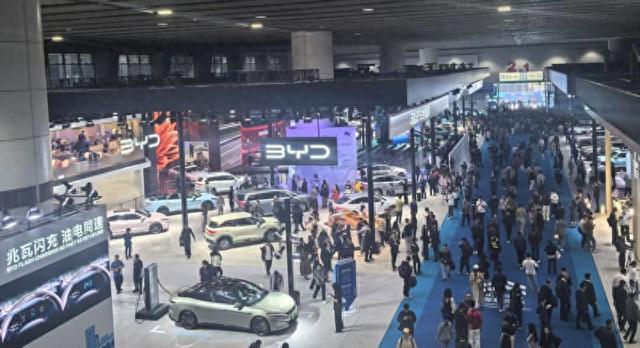
Core Insights - The 23rd Guangzhou International Auto Show showcases a significant shift towards electric and intelligent vehicles, with a penetration rate of nearly 60% for new energy vehicles [2][17] - The event reflects a deep industry restructuring, with major players like BYD and Huawei gaining traction while over 20 car manufacturers, including luxury brands, chose to abstain from participation [3][5] Industry Trends - The auto show featured 1,085 vehicles, including 629 new energy vehicles, indicating a structural transformation in the Chinese automotive market [2] - The penetration rate of new energy vehicles in China is projected to exceed 50% by mid-2025, with monthly sales surpassing 51.6% in October [2] - The market share of the top five brands in China's automotive sector increased from 42% to 51% over the past year, highlighting a trend towards greater industry concentration [3][5] Competitive Landscape - The atmosphere at the auto show was marked by a stark contrast between popular booths from leading brands and the absence of several struggling companies, indicating a "winner-takes-all" effect in the market [3][5] - Huawei emerged as a leader in the smart technology sector, showcasing its advanced ADS 4.0 system across multiple vehicles, while other brands struggled to attract attention [4][6] - The competition in intelligent driving technology is intensifying, with local suppliers like Huawei capturing significant market shares in key technology areas [8][9] Strategic Shifts - Traditional joint venture brands are pivoting towards localization and electrification, seeking to regain market influence through innovative product strategies [12][16] - The "sister car" strategy of foreign brands is losing effectiveness, prompting a shift towards product differentiation and independent development [13][14] - New collaborative models between traditional automakers and tech companies like Huawei are emerging, focusing on shared technology and market positioning [16][17] Future Outlook - The next two years are critical for many brands, with leading companies expected to expand their market share while smaller brands must adopt precise positioning and differentiation strategies to survive [5][17] - The auto show indicates a return to fundamentals, emphasizing the importance of core technology, market demand, and sustainable profit models for long-term success in the automotive industry [17]


9月17日财经简报|中美经贸会谈达成基本框架共识 扩大服务消费政策出台
Sou Hu Cai Jing· 2025-09-17 03:18
Group 1: Policy and Market Developments - The Ministry of Commerce and nine other departments released policies to expand service consumption, proposing 19 measures across five areas, including support for cross-industry cooperation in tourism, healthcare, and education [3] - The A-share market showed slight gains, with the Shanghai Composite Index up 0.04% to 3861.87 points and the ChiNext Index rising 0.68% [4] - The onshore RMB reached a 10-month high against the USD at 7.1163, while the foreign exchange bureau relaxed restrictions on overseas personal property purchases [4] Group 2: Economic Indicators and Global Trends - The Federal Reserve is expected to lower interest rates, with a 95.8% probability of a 25 basis point cut, leading to a decline in US stock markets [5] - The US-China economic talks in Madrid reached a basic framework consensus, addressing issues like TikTok and investment barriers [6] - Gold prices surged to a historical high of $3700 per ounce, while the US dollar index fell to a three-year low of 96.64 [8] Group 3: Sector-Specific Insights - The robotics sector saw a surge, driven by Tesla's accelerated humanoid robot production plans and recent stock purchases by Elon Musk [7] - The semiconductor industry faced warnings from companies like Cambricon regarding overvaluation risks [13] - The new sodium-ion battery from CATL received certification under new national standards, marking a significant development in the new energy sector [13]