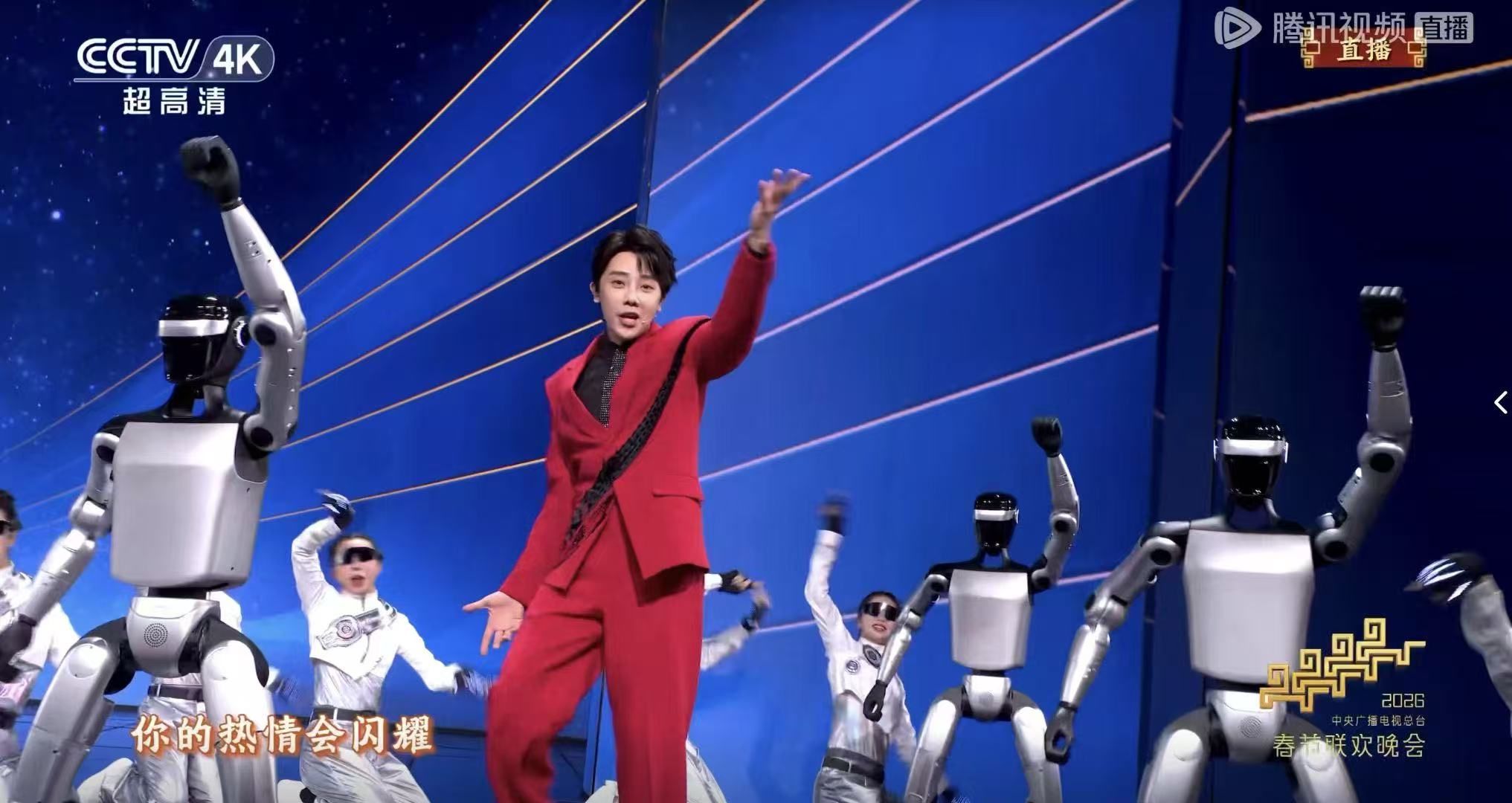
宇树H2

Search documents
机器人还能成为什么
Xin Lang Cai Jing· 2026-02-19 00:28
Core Insights - The evolution of humanoid robots has been showcased prominently during the Spring Festival Gala, with performances like "YingBOT" and "WuBOT" demonstrating significant advancements in their capabilities [1][2] - The rapid development of humanoid robots in China has led to their increased presence in various sectors, transforming them from mere performers to versatile partners in daily life [4][5] Group 1: Performance and Technological Advancements - The "WuBOT" performance featured robots executing complex movements and achieving global records in synchronization and dynamic actions, showcasing their enhanced physical control [1][2] - The transition from simple movements to sophisticated martial arts displays indicates a significant leap in the capabilities of humanoid robots within just one year [1][4] Group 2: Market Growth and Industry Dynamics - The humanoid robot market in China is booming, with over 150 companies and significant production milestones, such as Yushu's annual output exceeding 5,500 units [4][5] - Global humanoid robot shipments are projected to reach approximately 18,000 units by 2025, marking a 508% increase year-on-year, with China leading the market [5] Group 3: Societal Integration and Future Potential - Humanoid robots are increasingly being integrated into everyday life, serving roles from AI police officers to household assistants, indicating their growing utility beyond entertainment [5][9] - The potential for humanoid robots to create new job opportunities while also replacing certain roles highlights the dual nature of their impact on the workforce [9][10] Group 4: Ethical Considerations and Future Outlook - As humanoid robots approach human-like capabilities, there is a need for ethical frameworks to ensure they serve as assistants rather than threats, reflecting on historical technological adaptations [11][12] - The future of humanoid robots will depend on societal acceptance and the development of reliable, understanding companions, rather than just advanced technology [11][12]


加速进化机器人参与春晚节目传统非遗醒狮
Xin Lang Cai Jing· 2026-02-18 10:15
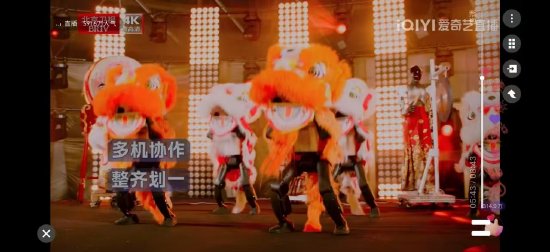
Core Viewpoint - Multiple robotics companies showcased their technological advancements during the 2026 CCTV Spring Festival Gala, highlighting the growing integration of robotics in entertainment and cultural presentations [2][8]. Group 1: Company Highlights - Yushutech, Songyan Power, Magic Atom, and Galaxy General presented humanoid robots through various performances, including martial arts and comedy skits, demonstrating significant technological breakthroughs [4][10]. - The program "Wu BOT" featured Yushutech's G1 and H2 humanoid robots performing complex martial arts routines, showcasing their dynamic coordination and precision [4][10]. - Songyan Power's humanoid robots N2, E1, and Bumi made their debut in a skit, marking the first appearance of humanoid robots in a language program during the Spring Festival Gala [4][10]. Group 2: Technological Innovations - The humanoid robot created by Songyan Power, which closely mimicked the expressions of actress Cai Ming, was completed in just 30 days, overcoming challenges such as resizing the head for optimal on-screen appearance [5][11]. - Magic Atom's MagicBot Z1 executed a 360° stunt, a first for humanoid robots of its size, achieved through optimized joint response speed for stability and fluidity during motion [5][11]. - Galaxy General's robot demonstrated practical skills like folding clothes and grasping objects, marking its first public appearance following a new funding round exceeding $300 million [5][11]. Group 3: Cultural Integration - The Booster K1 humanoid robot from Accelerated Evolution participated in the Beijing Spring Festival Gala, performing traditional lion dance, thus promoting cultural heritage through technology [6][12]. - The Booster K1 has also embarked on a global tour, showcasing Chinese traditional culture in cities worldwide, including Milan and Los Angeles, embodying the concept of "using technology to inherit culture" [12].
春晚机器人,卖爆了
虎嗅APP· 2026-02-18 09:47
Core Viewpoint - The 2026 Spring Festival Gala showcased a record number of humanoid robot brands, highlighting the rapid development and commercialization of the robotics industry in China, which is projected to become a trillion-dollar market [4][10]. Group 1: Robotics Showcase at the Spring Festival Gala - Four humanoid robot companies, Yuzhu Technology, Galaxy General, Magic Atom, and Songyan Power, made a collective appearance, marking a significant milestone in the gala's history [4][6]. - The performances included various programs featuring humanoid robots, demonstrating their advanced motion control and interactive capabilities [6][8]. - The robots showcased in the gala included high-performance models capable of complex movements and interactions, emphasizing their potential applications in family assistance and elder care [6][7]. Group 2: Marketing and Commercialization - The high costs associated with participating in the Spring Festival Gala, ranging from 16.99 million to 59.99 million yuan, reflect the competitive nature of brand positioning in the robotics market [11]. - The exposure from the gala has proven beneficial for companies, with significant increases in search and order volumes for robots shortly after the event [14]. - The gala serves as a critical platform for companies to establish brand recognition and trust among potential customers, particularly for startups [9][14]. Group 3: Industry Trends and Future Outlook - The humanoid robotics industry is at a pivotal point, transitioning from technology validation to large-scale production, with projections indicating a market size of nearly $1.3 billion by 2026 [16]. - The supply chain's maturity and cost reductions in key components are driving down production costs, making robots more accessible [16][18]. - The industry faces challenges such as technological bottlenecks and ethical concerns, but the establishment of standards and international collaboration is underway to address these issues [18].
62万款被秒抢,订单量狂涨150%,春晚后机器人卖爆了
DT新材料· 2026-02-17 16:17
Core Viewpoint - The article highlights the significant impact of the Spring Festival Gala on the visibility and sales of humanoid robots, showcasing the technological advancements and market potential in the robotics industry [2][4]. Group 1: Event Impact - Four robotics companies, including Songyan Power and Yushu Technology, showcased their products during the Spring Festival Gala, leading to a surge in interest and sales [2]. - Within two hours of the gala's broadcast, JD.com reported a more than 300% increase in robot search volume, a 460% increase in customer inquiries, and a 150% increase in order volume [2]. - Notably, two GALBOT G1 robots, valued at nearly 630,000 yuan, were sold out almost immediately after being listed on JD.com [2]. Group 2: Technological Advancements - Songyan Power presented four humanoid robot models, including Bumi, N2, and E1, along with a specially developed bionic robot for the gala [2]. - The team optimized motion control algorithms, proposing over 300 strategies to enhance the precision of robot movements, and adjusted the robot's structural design to improve balance and agility [2]. Group 3: Industry Trends - The humanoid robot sector is entering a phase of competition based on brand influence and revenue scale, with the Spring Festival Gala serving as a critical platform for exposure and product reliability testing [4]. - Investment and financing in the humanoid robot industry are expected to heat up in the second half of 2024, with potential bubbles emerging by 2025 [4]. - By 2026, companies must deliver technological or commercial results to avoid risks of market exit, as the industry may revert to a more rational state post-2026 [4].

629999元一台,秒没,“春晚同款”火了
Xin Lang Cai Jing· 2026-02-17 13:15
Core Viewpoint - The Spring Festival Gala showcased multiple robot performances, highlighting the rapid growth and commercialization of the robotics industry, with significant increases in search and order volumes for robots following the event [2][3][4]. Group 1: Industry Performance - The search volume for robots increased by over 300% and customer inquiries rose by 460% within two hours of the Spring Festival Gala [2]. - The order volume for robots surged by 150%, with high-value models like the GALBOT G1 being sold out almost immediately [2]. - The presence of four robotics companies at the gala marks a critical commercial milestone for the industry, indicating a shift towards brand recognition and revenue competition [3][4]. Group 2: Technological Advancements - The robots showcased included advanced humanoid models capable of complex movements, demonstrating significant improvements in technology and production consistency [3][4]. - Companies like Songyan Power successfully developed and iterated their humanoid robots within two months, overcoming various technical challenges [4]. - Innovations included enhancements in materials for lifelike facial features and compact motor designs, showcasing the industry's focus on both functionality and aesthetics [4]. Group 3: Market Impact - The Spring Festival Gala serves as a major platform for brand exposure, potentially allowing companies to capture significant market recognition among consumers [3][4]. - The event's wide reach among the Chinese population emphasizes the importance of visibility for companies targeting end consumers [3].

“机器人春晚”的B面:我们在欢笑中,接受了新型的人机关系
3 6 Ke· 2026-02-17 08:28
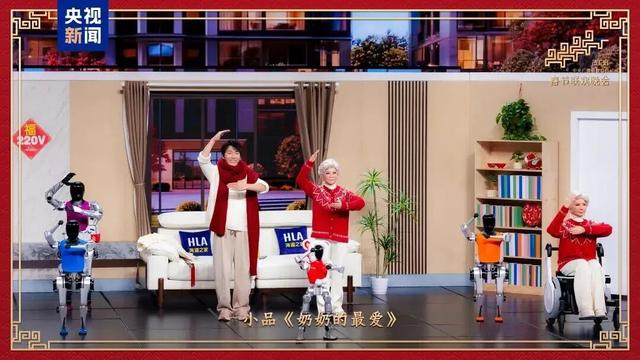
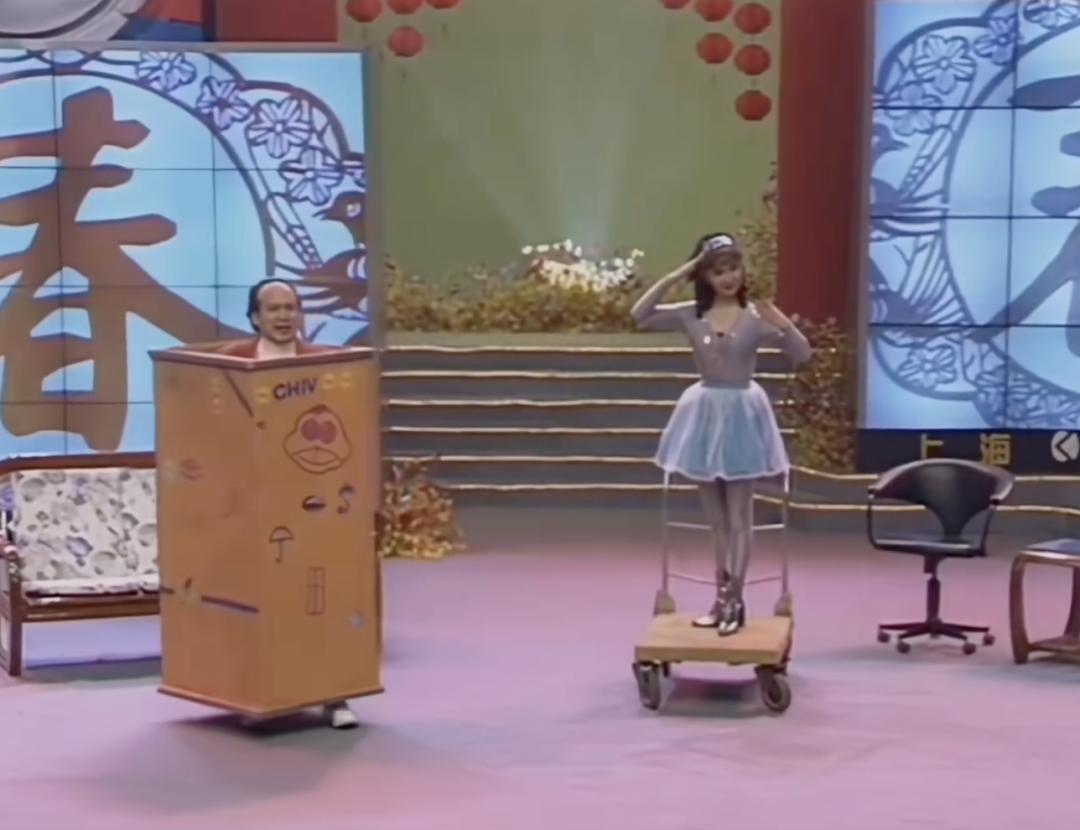
Group 1 - The core theme of the article revolves around the evolution of robots from being mere comedic elements in performances to becoming integral parts of entertainment, showcasing advanced capabilities in emotional interaction and physical performance [6][29]. - The transition from "humans acting as robots" to "robots acting as humans" is highlighted, with a specific example of a skit where a robot provides emotional support and performs tasks better than a human grandchild [6][8]. - The article emphasizes the technological advancements in robotics, particularly in areas such as emotional recognition, semantic understanding, and physical capabilities, which have significantly improved over the past three decades [9][12][19]. Group 2 - The performance of robots in martial arts showcases a leap in their dynamic capabilities, moving from simple synchronized movements to complex, high-speed actions that require real-time balance adjustments [16][19]. - The integration of robots into various segments of the Spring Festival Gala indicates a shift in public perception, where robots are no longer seen as mere novelties but as practical tools in everyday life [24][26]. - The article notes the significant reduction in the cost of robots, making them accessible to middle-class families, and highlights the combination of hardware and software advancements that enhance their functionality [26][27]. Group 3 - The narrative reflects a broader societal shift in the relationship between humans and robots, moving from skepticism and humor to acceptance and curiosity about the potential for coexistence [29][30]. - The article concludes with a contemplation of the ethical implications of human-robot interactions, questioning who ultimately holds control in this evolving dynamic [30][31].
沈腾只能当配角!宇树科技、松延动力、魔法原子、银河通用四家机器人谁赢了?
新浪财经· 2026-02-17 05:14
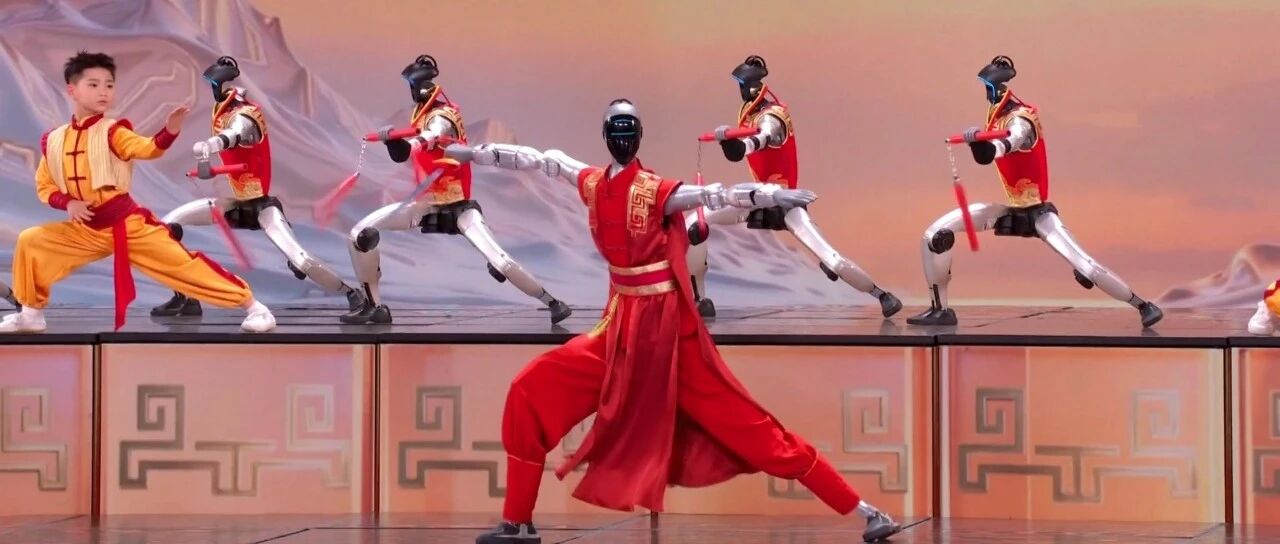
Core Viewpoint - The 2026 Spring Festival Gala showcased a high density of robotics and AI technologies, marking a significant transformation in the integration of these technologies into mainstream entertainment and their potential commercial applications [2][4][25]. Robotics Showcase - The Spring Festival Gala featured a record number of robotics performances, with companies like Yushutech, Songyan Power, Magic Atom, and Galaxy General demonstrating significant advancements in humanoid robotics through various forms of entertainment [3][12]. - Yushutech's performance included high-difficulty martial arts routines with their humanoid robots G1 and H2, showcasing unprecedented dynamic coordination and cluster control technology [5][7]. - Songyan Power's humanoid robots performed in a skit, achieving a high level of realism in facial expressions and movements, which was a result of intensive development over 30 days [12][14]. - Magic Atom and Galaxy General also contributed to the gala with innovative performances, including a unique stunt by Magic Atom's robot and practical tasks by Galaxy General's robot [15]. AI Integration - The AI presence at the gala reached an all-time high, with ByteDance's Seedance 2.0 model being a key technological component, enabling real-time generation of visuals during performances [18][21]. - The Ant Group's AI health application, Aifu, gained significant attention, reflecting a growing trend of integrating health management technology into everyday life [21]. Broader Technological Landscape - The gala highlighted advancements in various technological sectors, including embodied intelligence, renewable energy, and low-altitude economy, presenting a comprehensive view of China's technological progress [24]. - Companies like Chasing Technology and Huawei showcased their innovations, with Huawei's Mate 80 Pro Max being the first mobile device to integrate with a broadcast-level transmission system for the gala [24]. Market Implications - The visibility of robotics companies like Yushutech and Songyan Power at the gala has sparked interest in their respective stocks and the broader market, focusing on their IPO progress and production capabilities [25]. - Analysts noted that the gala served as a "super roadshow" for Chinese tech companies, emphasizing the importance of translating stage technology into practical products for sustained competitive advantage [25].
机器人浓度最高的一届春晚 四家机器人厂商舞台上PK
Di Yi Cai Jing· 2026-02-17 00:25
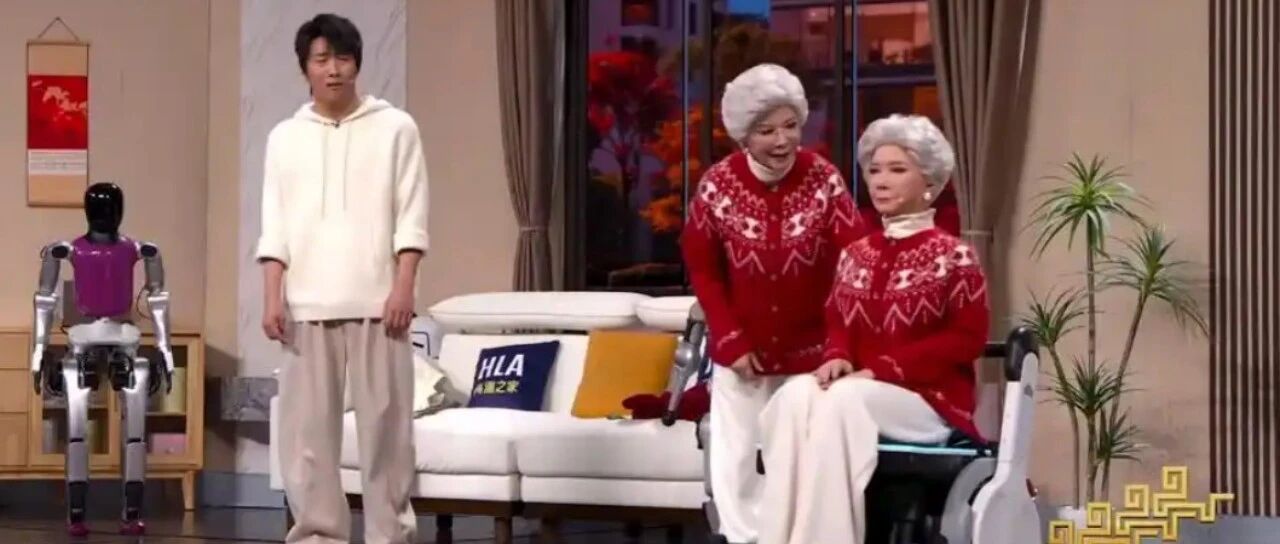
Core Viewpoint - The 2026 CCTV Spring Festival Gala featured the highest density of robot appearances, showcasing various forms of entertainment including skits, martial arts, songs, and micro-movies [1] Group 1: Robot Participation - Six MagicBot Z1 humanoid robots and two MagicBot Gen1 robots performed alongside artists such as Yi Yang Qian Xi and Yan Cheng Xu at the main venue [2] - Over a hundred four-legged MagicDog robots, designed in the shape of the national treasure panda, presented a large-scale coordinated performance at the Yibin sub-venue [2] - The skit "Grandma's Favorite" marked the first appearance of humanoid robots in a language program during the Spring Festival Gala, featuring products like N2, E1, and Bumi [2] Group 2: Technical Challenges - The unique format of skits limited the movement space for robots, necessitating precise performance in high-performance motion displays [5] - The program included many anthropomorphic actions and human-robot interactions, requiring extensive data training with children of similar height for accurate movement replication [5] - Achieving precise lip-syncing for the robots posed a technical challenge, necessitating the integration of multiple actuators in a confined space, which was accomplished through a custom expression driving algorithm [5] Group 3: Collaborative Development - The core joint supplier, Quan Zhi Bo, participated in five formal rehearsals, collaborating with the robot company from the design phase to ensure stability and performance consistency during the live broadcast [5] - The integration of customized joint reducers and high-dynamic motor drivers allowed the robot team to focus on upper-level action choreography [5] Group 4: Industry Insights - This year marked the third appearance of Yushu Technology at the Spring Festival Gala, where their G1 and H2 humanoid robots performed complex martial arts routines [6] - The founder of Yushu Technology highlighted the global debut of high-dynamic, high-coordination cluster control technology during the performance [6] - The participation of multiple robot manufacturers in the gala is seen as a strategic move to enhance brand visibility and trust among potential customers [8] - The year 2026 is viewed as a pivotal year for the commercialization of robots, focusing on mass production and establishing commercial channels for effective delivery [8]
机器人浓度最高的一届春晚,四家机器人厂商舞台上PK
Di Yi Cai Jing· 2026-02-16 23:35
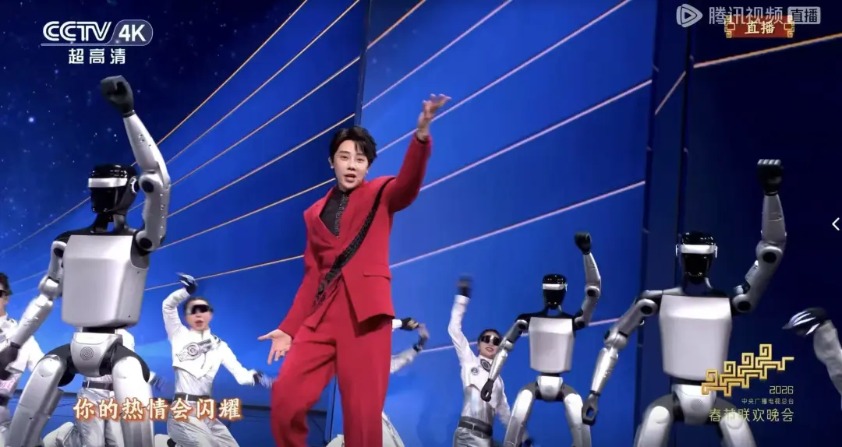
Core Insights - The Spring Festival Gala showcased various robotic performances, highlighting advancements in humanoid and bionic robots, with companies like Songyan Power and Yushu Technology participating prominently [1][6][8] Group 1: Company Performances - Songyan Power featured humanoid robots in a skit, marking the first appearance of humanoid robots in a language program during the gala [1] - Yushu Technology presented their G1 and H2 humanoid robots performing martial arts and character roles, demonstrating high dynamic and collaborative control technology [6] - MagicBot Z1 performed complex stunts, showcasing the capabilities of robotic motion control and coordination [6] Group 2: Technical Challenges - The performance required precise movement and human-like interactions, necessitating advanced training data and technical solutions for lip synchronization [4] - The collaboration with core joint suppliers ensured the stability and reliability of robotic joints during live performances, which is critical for maintaining performance consistency [4] Group 3: Market Implications - Participation in the Spring Festival Gala serves as a significant platform for companies to showcase their technological prowess and enhance brand visibility [8] - The year 2025 is seen as crucial for technological breakthroughs and production capabilities, while 2026 is anticipated to be pivotal for commercializing robots in real-world applications [8]
机器人浓度最高的一届春晚 它们上台表演
Di Yi Cai Jing· 2026-02-16 16:11
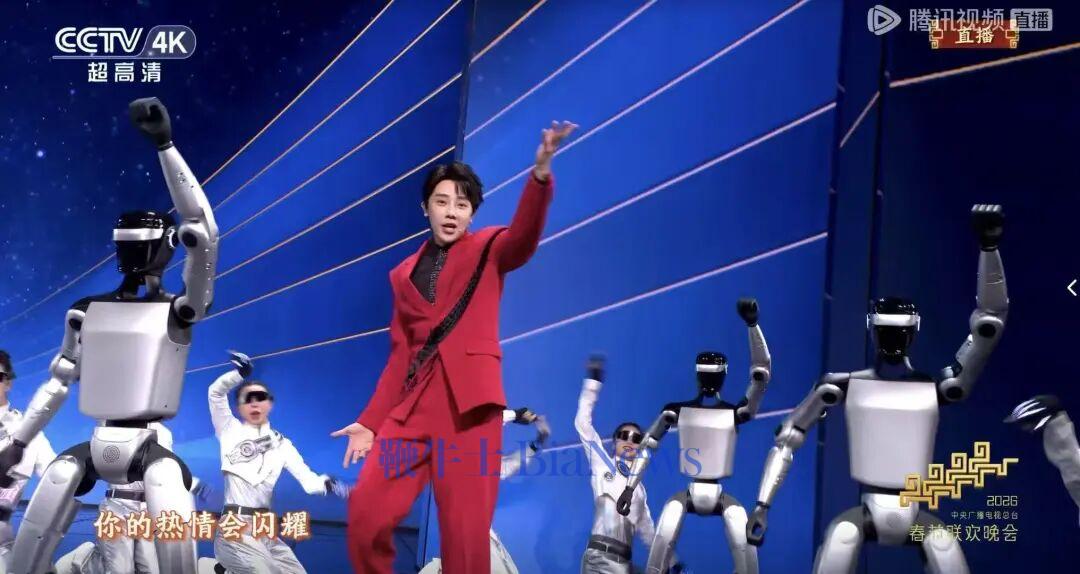
Core Insights - The 2026 CCTV Spring Festival Gala featured the highest density of robots, showcasing various performances including skits, martial arts, songs, and micro-movies [2] - Multiple robotics companies participated, highlighting their technological capabilities and enhancing brand visibility through this national platform [8] Group 1: Robotics Performance - Six MagicBot Z1 humanoid robots and two MagicBot Gen1 robots performed alongside celebrities like Yi Yangqianxi and Yan Chengxu at the main venue [2] - Hundreds of four-legged MagicDog robots performed in the shape of "national treasure panda" at the Yibin sub-venue [2] - The skit "Grandma's Favorite" featured humanoid robots for the first time in a language program, showcasing products like N2, E1, and Bumi [2] Group 2: Technical Challenges - The limited space in skit formats required precise performance from robots, including human-like movements and interactions [4] - Achieving accurate lip synchronization for dialogue involved complex engineering, with 12 degrees of freedom in the lip area and a custom expression driving algorithm [4] - The collaboration with core joint supplier Quan Zhibo involved extensive rehearsals to ensure joint module stability during live performances [4] Group 3: Innovation and Future Outlook - Yushutech's G1 and H2 humanoid robots performed martial arts and showcased high dynamic, coordinated control technology for the first time globally [6] - The MagicBot robots demonstrated advanced stunts, including single-handed handstands and 360-degree kicks, requiring high levels of coordination and power management [6] - The participation of multiple robotics companies in the gala reflects a strategic move to break down barriers with potential clients and build brand trust [8] - The year 2026 is seen as pivotal for the commercialization of robotics, focusing on mass production and establishing commercial channels for effective delivery [8]