宇称不守恒理论

Search documents
改变国人“自觉不如人”心理,杨振宁已在星河恒久闪耀
第一财经· 2025-10-19 14:33
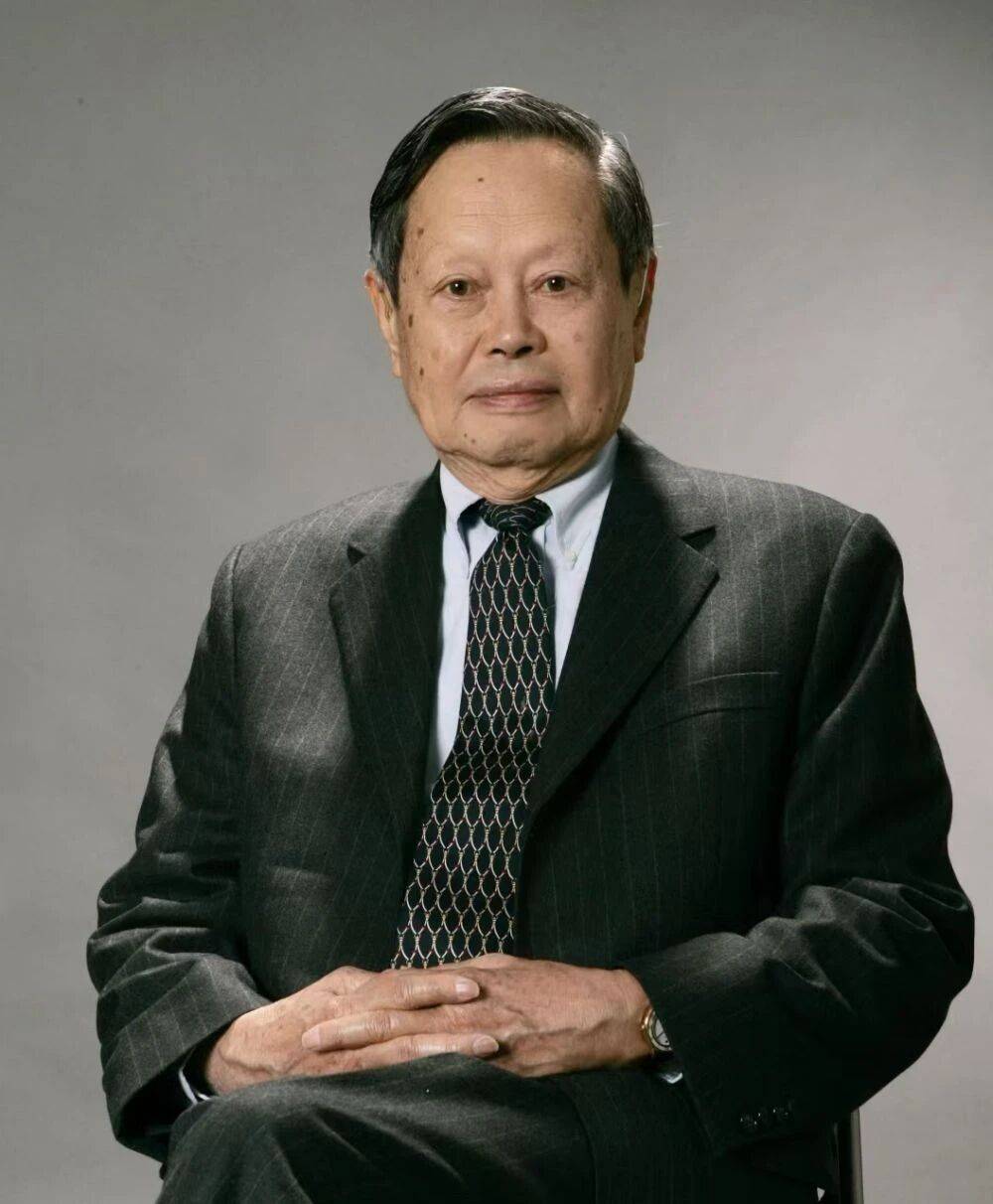
Core Viewpoint - The article commemorates the life and contributions of Yang Zhenning, a prominent physicist and Nobel laureate, who passed away at the age of 103, highlighting his impact on Chinese science and the global scientific community [3][6]. Group 1: Personal Background and Education - Yang Zhenning was born in 1922 in Anhui and graduated from Southwest Associated University in 1942. He pursued further studies in the United States, where he was mentored by notable physicists such as Edward Teller and Enrico Fermi [6][7]. - He completed his PhD at the University of Chicago in 1948 and later worked at the Institute for Advanced Study in Princeton, where he interacted with renowned physicists like Albert Einstein [7][8]. Group 2: Scientific Contributions - Yang Zhenning, along with Li Zhengdao, was awarded the Nobel Prize in Physics in 1957 for the theory of "parity violation," which was experimentally confirmed [8]. - He is recognized as one of the most influential theoretical physicists of the mid-20th century, with contributions that extend beyond the Nobel Prize, including the Yang-Mills theory, a cornerstone of particle physics [9][12]. Group 3: Influence on Chinese Science - After returning to China in 2003, Yang dedicated himself to advancing basic scientific research and nurturing young talent at Tsinghua University, where he founded the Institute for Advanced Study [12][14]. - His efforts significantly contributed to the development of quantum information science in China, encouraging many scientists to return and engage in research [14][15]. Group 4: Legacy and Recognition - Yang Zhenning's passing has been met with widespread mourning in the scientific community, with tributes highlighting his role as a mentor and his influence on generations of scientists [14][15]. - His thoughts on education emphasized the importance of allowing young students to explore their interests freely and the need for collaboration among academic institutions [15][16].

杨振宁走了,物理学的黄金时代落幕了
Hu Xiu· 2025-10-19 02:11
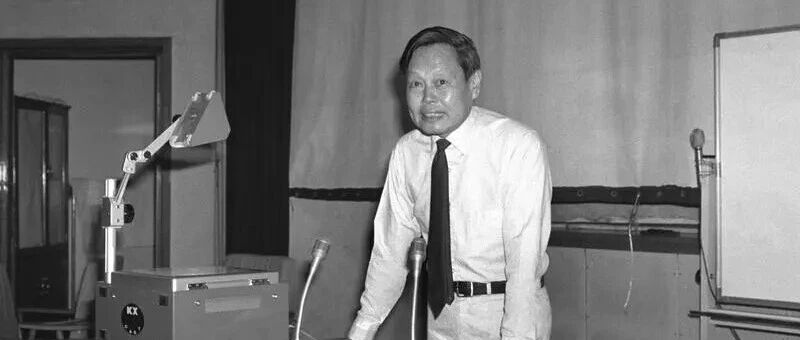
Core Points - The article highlights the significant contributions of Yang Chen-Ning to physics and his role in reshaping the perception of Chinese scientists in the global scientific community [4][5][55] - It emphasizes Yang's groundbreaking work in theoretical physics, particularly the Yang-Mills theory, which laid the foundation for modern particle physics [18][32][40] Group 1: Contributions to Physics - Yang Chen-Ning was the first to challenge the notion that Chinese scientists could not make top-tier scientific discoveries, proving that they could significantly impact global physics [5][55] - His work on parity violation in particle physics, alongside Li Zhengdao, led to a paradigm shift in understanding fundamental symmetries in nature, earning him the Nobel Prize at the age of 35 [16][15] - The Yang-Mills theory, proposed in 1954, became a cornerstone of the Standard Model of particle physics, unifying three of the four fundamental forces [18][32][40] Group 2: Influence on Chinese Science - Yang played a crucial role in fostering scientific exchange between China and the West, especially after the normalization of Sino-American relations in the 1970s [46][47] - He contributed to the establishment of numerous research institutions in China and supported the education of many Chinese scholars, significantly impacting the development of physics in the country [50][51][52] - Yang's return to China in his later years marked a commitment to nurturing the next generation of scientists, demonstrating his dedication to his homeland [53][54]
杨振宁:如何用“圆”式经济学,撬动万亿科技未来?
Sou Hu Cai Jing· 2025-10-18 13:59
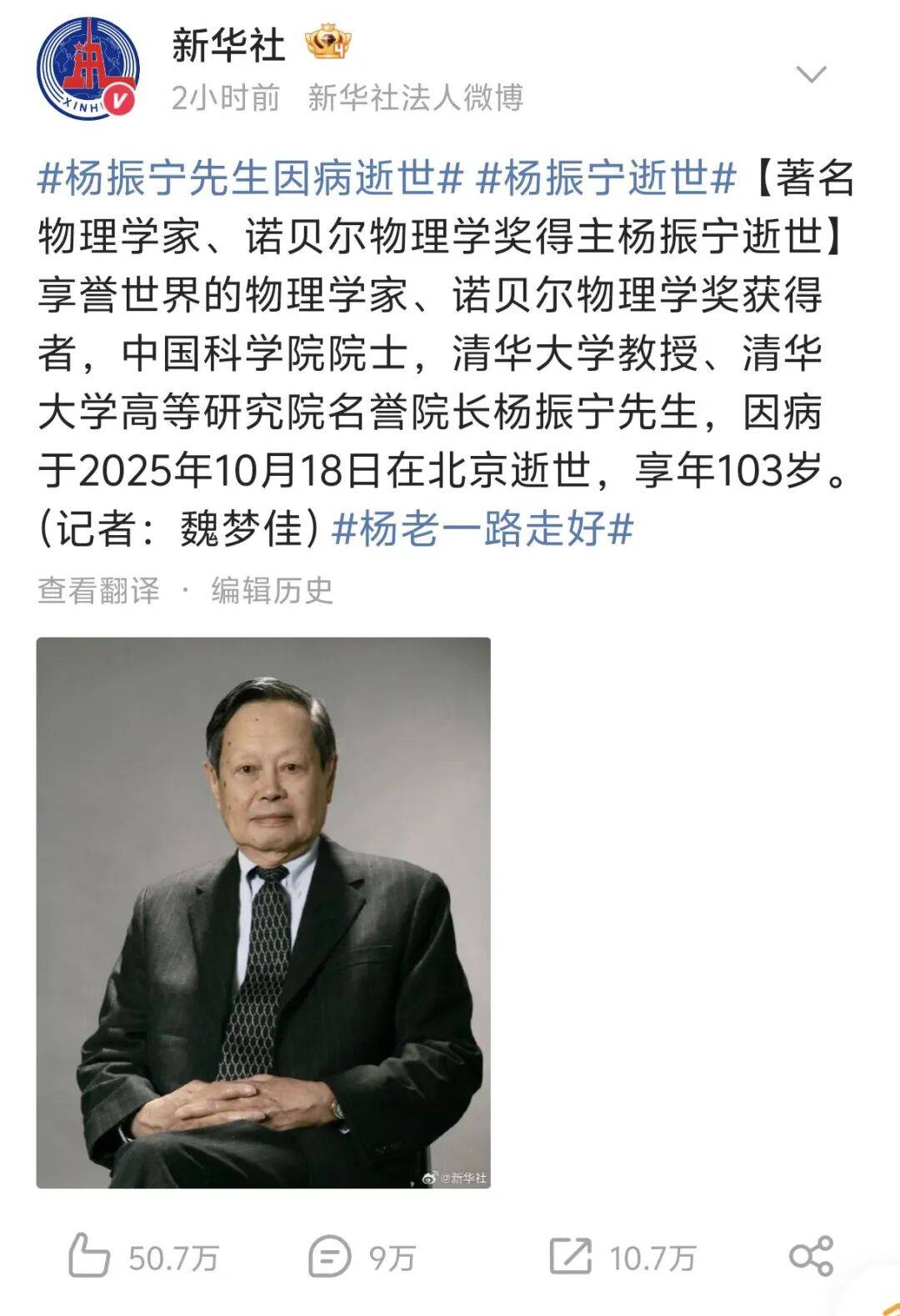
Core Insights - The article presents Yang Zhenning as a strategic investor in human civilization, emphasizing his long-term investment in knowledge, culture, and belief rather than financial assets [3][22]. - Yang's life choices reflect the principles of value investing and long-termism, making him a model for investors [3][26]. Group 1: Early Life and Education - Yang Zhenning's upbringing in Tsinghua University provided him with a strong educational foundation, which can be seen as an investment in high-quality educational assets [5][6]. - His ability to adapt and thrive during turbulent times, such as completing his studies during wartime, showcases his strategic foresight [7]. Group 2: Global Integration and Scientific Contributions - Yang's decision to study in the U.S. in 1945 marked a significant step in his career, akin to an "overseas IPO," allowing him to engage with leading physicists [8][9]. - He made groundbreaking contributions to physics, including the Yang-Mills theory, which laid the groundwork for particle physics, demonstrating the concept of delayed returns on investment in knowledge [10][12]. Group 3: Return to China and Strategic Investments - Yang's return to China in 1971 was not merely a visit but a strategic move to assess and invest in China's scientific potential [19]. - His various initiatives, such as advocating for basic research and establishing educational networks, reflect a long-term vision for China's scientific development [19][20]. Group 4: Legacy and Influence - Yang Zhenning's approach to wealth and influence emphasizes the importance of connecting people and knowledge, rather than merely accumulating financial assets [22][25]. - His actions have significantly raised the profile of Chinese science on the global stage, demonstrating the impact of strategic investments in human capital [25]. Group 5: Lessons for the Future - The article suggests that individuals can adopt a long-term investment mindset, focusing on substance over speed, which is increasingly relevant in today's fast-paced environment [26][28]. - Yang's principles of patience, collective progress, and a focus on enduring value serve as a guide for future generations [26].