安睡裤

Search documents
2025年卫生巾品类知行数据观察报告
Sou Hu Cai Jing· 2026-01-30 02:36
Core Insights - The sanitary napkin market is undergoing significant structural changes, with a shift in consumer demand from basic absorption to health care, and a transformation in channel dynamics [1][2][3] Group 1: Consumer Demand Trends - Consumers are increasingly focused on health care benefits, with demand for functions like odor removal (+63%), sterilization (+39%), and itch relief (+26%) growing rapidly, while basic absorption needs are declining [2][14] - The market is moving towards a focus on private ecological balance, comfort, and long-term health care, indicating a clear upgrade in consumer needs [2][14] Group 2: Market Growth Dynamics - The Chinese female sanitary products market has transitioned from a "volume-driven" growth model to a "price-driven" model, with market growth stabilizing at 3.2% as urban penetration approaches saturation [3][16] - The growth is primarily driven by product premiumization and functional upgrades, with high-end products seeing significant price increases [3][16] Group 3: Online Channel Evolution - The online sales landscape is changing dramatically, with traditional platforms like Taobao experiencing declines, while Douyin is seeing explosive growth, with sales increasing over 170% in three years [4][5] - Douyin's content-driven e-commerce model is enhancing average transaction values, while Taobao's average prices are declining due to intensified competition [4][5] Group 4: Brand Competition Landscape - The shift in channels is reshaping brand competition, with domestic brands leveraging new platforms to achieve growth, while international brands face pressure on Taobao [5][6] - Douyin's platform allows smaller brands to quickly establish market presence through effective content marketing, leading to significant sales increases for brands like Duowei and Mianmian's Sheep [5][6] Group 5: Case Studies of Brand Growth - The rapid rise of the Duowei brand on Douyin exemplifies successful strategies, including leveraging celebrity endorsements and transitioning from influencer-driven traffic to self-operated private traffic [6] - The brand's evolution from low-cost trial products to mid-to-high-end bulk purchases illustrates a healthy revenue model, emphasizing the importance of trust and effective marketing strategies [6] Group 6: Pricing and Consumer Behavior - The average price of sanitary napkins has risen significantly, with high-end products increasing from 0.7 yuan in 1980 to 3 yuan by 2025, indicating a market segmentation between cost-sensitive consumers and those willing to pay for quality [18][19] - Despite the price increases, 67.5% of women report that the price of sanitary napkins has a minor impact on their lives, suggesting that the market can sustain higher prices without significant consumer pushback [18][19] Group 7: Product Quality and Consumer Preferences - Quality issues remain a concern, with 76.5% of women experiencing 1-2 quality problems annually, highlighting the need for improved product stability [20][21] - Key selling points for consumers include good absorption and comfort, with 49% prioritizing these features, indicating that basic functionality remains critical in market competition [20][21]

品牌破圈:“双标”是张好牌
3 6 Ke· 2025-09-01 03:57
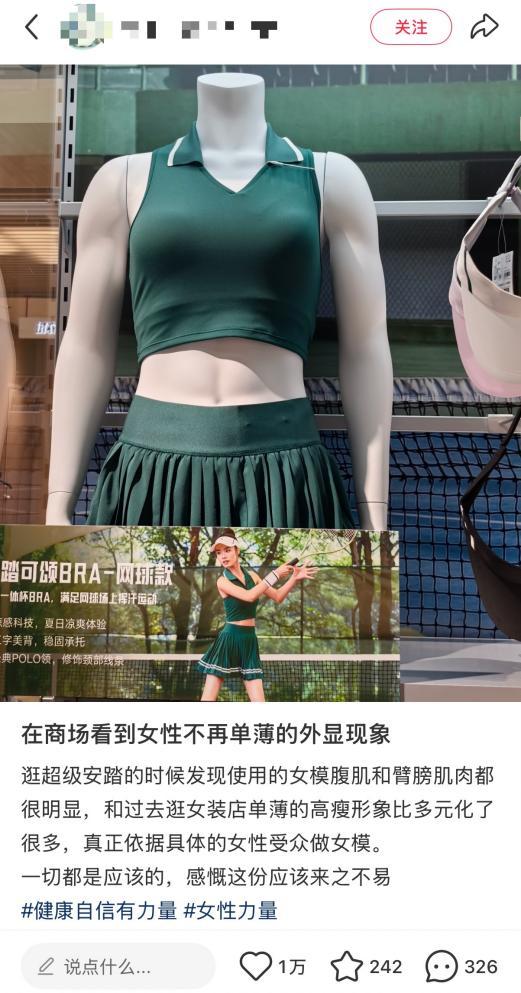
Core Viewpoint - The article discusses the rise of "non-standard" marketing strategies that challenge traditional beauty standards and consumer expectations, particularly in the context of female representation in branding and advertising [7][20]. Group 1: Non-Standard Marketing - "Non-standard" marketing effectively addresses unmet deep-seated consumer needs by proposing unique value propositions that resonate with loyal users [7][8]. - Brands are increasingly moving away from mere product selling to focus on cultural and social issues, particularly those related to women's empowerment and breaking stereotypes [8][10]. Group 2: Case Studies - The skincare brand PMPM launched the "偏偏女孩在闪烁" initiative, showcasing diverse women's stories to challenge conventional definitions of femininity and success [9][10]. - Jissbon, a sexual health brand, has successfully targeted female consumers by focusing on their health needs and desires, breaking away from male-centric marketing [11]. - Muji's use of male models in domestic settings has resonated with consumers, promoting a more inclusive view of gender roles in household responsibilities [11]. Group 3: Challenges and Missteps - Brands must avoid the pitfall of "self-indulgent" marketing that fails to resonate with consumers, as seen in the case of SK-II's campaign that was criticized for being inauthentic [14][15]. - Misunderstanding consumer needs can lead to backlash, as demonstrated by ABC's poorly received product innovation that ignored the core requirements of its target audience [15][17]. Group 4: Strategies for Success - Successful "non-standard" marketing requires a deep understanding of consumer pain points and the ability to articulate these through relatable narratives [21][22]. - Brands should focus on authentic storytelling that features ordinary individuals, allowing consumers to see themselves reflected in the brand's message [22][23]. - Engaging consumers in the narrative can foster a sense of community and shared values, enhancing brand loyalty [22][23].
彩妆&香水行业用户趋势速递:夏妆焕彩,香引潮风
Xiao Hong Shu· 2025-06-03 08:40
Investment Rating - The report provides a positive investment rating for the beauty and personal care industry, highlighting significant growth potential in various segments [1]. Core Insights - The beauty and personal care industry is experiencing a surge in user engagement, particularly in makeup and fragrance categories, driven by trends such as emotional healing and cultural collaborations [3][8]. - The report emphasizes the importance of understanding consumer trends, such as the rise of mini makeup products and the integration of fragrance into personal care routines, which are reshaping market dynamics [10][90]. User Trends - Trend 01: The rise of "mini makeup" products, with searches for mini makeup increasing by 145% year-on-year, indicating a shift towards portable beauty solutions [15][17]. - Trend 02: The "island makeup" trend reflects a desire for quick, effective beauty solutions that cater to the vacation mindset, with related searches up by 350% [38][44]. - Trend 03: The "no foundation makeup" trend is gaining traction, with a 262% increase in searches, as consumers seek lightweight, breathable products for warmer months [76][78]. Fragrance Trends - Trend 01: The focus on "energy fragrances" is growing, with a 165% increase in related searches, as consumers seek scents that resonate with their emotional states [92][94]. - Trend 02: The "memory fragrance" trend utilizes scents to evoke memories, with significant engagement on platforms like Xiaohongshu, indicating a strong consumer interest in personalized fragrance experiences [100][102]. - Trend 03: The trend of "DIY fragrances" is emerging, with a 52% increase in searches for DIY scent combinations, reflecting a growing consumer interest in personalized fragrance solutions [180][182]. Category Trends - The report identifies a significant expansion in the women's hygiene products sector, with trends such as "therapeutic sleepwear" and "private care" gaining traction due to increased consumer awareness and demand [188][194]. - The "absorbent pads" trend highlights a growing need for incontinence products, with a staggering 813% increase in related searches, indicating a previously underserved market [217][223]. - The "facial cleansing wipes" trend is also on the rise, with a focus on convenience and user experience, particularly for travel and outdoor activities, as evidenced by a 134% increase in related discussions [238][250].
“无手女孩换卫生巾”视频已超200万次观看!有商家改进设计,称下月面市——
新京报· 2025-04-24 10:52
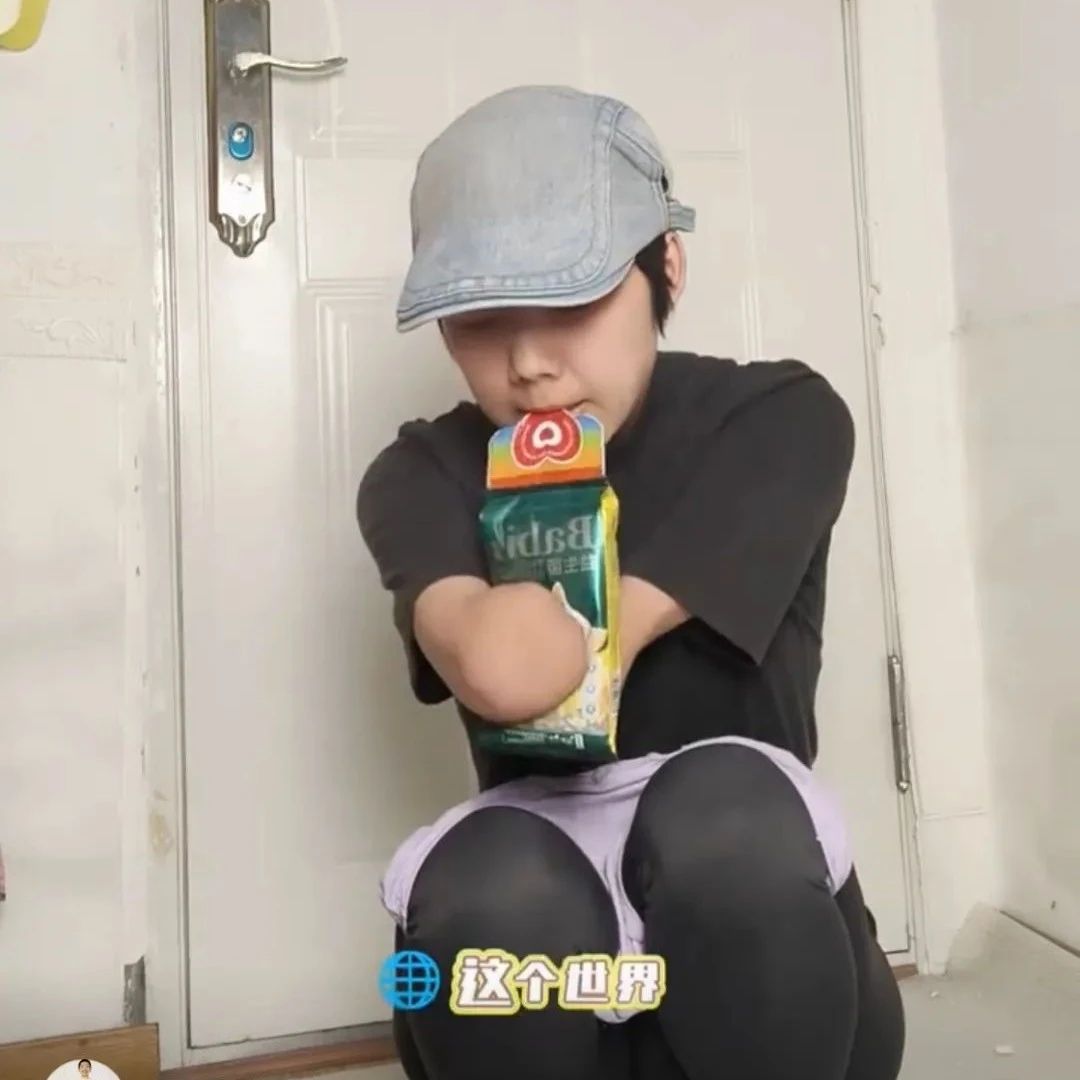
Core Viewpoint - The video by Xu Fangyan, a woman without hands, highlights the challenges faced by disabled women in using sanitary products, prompting brands to reconsider their designs and improve accessibility for this demographic [1][6][9]. Group 1: Background and Context - Xu Fangyan, who lost her hands in an accident at the age of 7, has worked hard to become independent and is now employed [5]. - The video demonstrating how she changes sanitary pads has garnered significant attention, with over 2.29 million views and numerous supportive comments from viewers [13]. Group 2: Industry Response - Following the video, several sanitary pad brands reached out to Xu for feedback on their products, indicating a willingness to adapt their designs based on her insights [1][12]. - One brand has already developed a new packaging design that features perforated lines for easier opening, which is set to enter mass production in May [16]. Group 3: Market Gap - Currently, 99% of sanitary products are designed for standard bodies, leaving a significant gap in the market for products tailored to the needs of disabled women [4][6]. - There are only a few brands that offer products with braille packaging for visually impaired users, but none specifically cater to upper-limb disabled individuals [8][9]. Group 4: Future Initiatives - A new "Barrier-Free Women's Care Group" has been established, led by Xu, to involve more disabled women in the product development process [16]. - The initiative aims to create more inclusive products that address the specific needs of women with disabilities, ensuring they are not overlooked in product design [9][16].
对话“无手女孩换卫生巾”当事人:最初不熟练时甚至要花十几分钟
新京报· 2025-04-23 23:54
Core Viewpoint - The article highlights the challenges faced by women with disabilities, particularly those with upper limb disabilities, in using sanitary pads, emphasizing the need for more accessible and user-friendly products [1][2]. Group 1: Challenges in Using Sanitary Pads - A video by Xu Fangyan, a woman without hands, illustrates the difficulties in changing sanitary pads, which can take her over two minutes compared to the seconds it takes most women [1]. - Xu Fangyan's experience includes significant time spent on tasks that are typically quick, leading to potential embarrassment and frustration during menstruation [6][7]. - The packaging of sanitary pads is particularly problematic, as it is difficult to open, and the pads can stick together, complicating the process for those without full use of their arms [6][8]. Group 2: Suggestions for Product Improvement - Xu Fangyan proposes design ideas for sanitary products, such as a pop-open design for one-armed users and menstrual pants with pull tabs for those without arms [2][12]. - She emphasizes the importance of gathering feedback from other disabled women to create systematic suggestions for product improvements [2][12]. - The article mentions that some brands have shown interest in improving their products based on Xu's feedback, indicating a potential shift towards more inclusive designs [12][11]. Group 3: Social Awareness and Support - The video shared by Xu has garnered significant attention, with many supporting her call for better products, although some negative comments suggest skepticism about the feasibility of such changes [11][12]. - Xu's initiative to share her experiences aims to raise awareness about the challenges faced by disabled women, potentially encouraging more discussions and solutions in the industry [18][20]. - The article notes that societal acceptance of discussions around menstruation is improving, as evidenced by positive reactions to Xu's video [9][11].