
宠物烘干箱

Search documents
AI让“理想养宠”变为可能:2025年中国家用宠物家电行业发展报告
Xi Niu Cai Jing· 2026-02-11 07:46
Industry Trends - The pet appliance industry in China is expected to maintain high growth, driven by the trends of "refined pet care" and "technological pet care," with sales projected to reach 2.73 million units and revenue of 1.07 billion yuan by 2025, representing a year-on-year growth of 65% and 31% respectively [1] - The automatic pet feeder is evolving from "automation" to "intelligence," with projected sales of 2.05 million units and revenue of 410 million yuan in 2025, reflecting a year-on-year increase of 64.2% and 33.1% [1] - The smart cat litter box is experiencing steady growth in the high-end market, with sales expected to reach 330,000 units and revenue of 410 million yuan, showing a year-on-year growth of 24.3% and 5.5% [2] - The pet dryer box is emerging as the biggest "dark horse" of the year, with sales projected to reach 340,000 units and revenue of 260 million yuan, marking a year-on-year increase of 149.5% and 103.5% [2] Technological Trends - The integration of IoT and AI is driving the evolution of pet appliances from isolated functionalities to scenario-based intelligence, with connectivity becoming standard and enhanced sensing accuracy [3] - AI algorithms are shifting from "replacing human labor" to "creating value," enabling deep analysis of pet behavior data for health management [3] - Leading brands are promoting interconnectivity among devices to build a "pet health data center," integrating various health metrics for comprehensive pet health profiles [3] Brand Competition - The competitive landscape in the pet appliance market is characterized by "professional brands deepening their expertise, cross-industry brands positioning themselves, and long-tail brands competing fiercely" [4] - Professional brands like Xiaopei and Homan are building strong trust through deep understanding of pet behaviors and continuous product iteration [4] - Ecological brands like Mijia leverage their extensive smart home ecosystems to offer integrated experiences, appealing to tech-savvy consumers [4] Future Outlook - The future of the pet appliance industry will focus on "hardware + data + services" ecosystem competition, emphasizing the need to break down data silos and create unified pet health data platforms [6] - AI technology will advance from "perception" to "cognition and decision-making," enhancing capabilities such as emotion recognition and early disease risk prediction [6] - There is a growing consumer focus on environmental and health indicators, driving brands to incorporate green design principles while also tapping into the market potential of lower-tier cities [6] Overall Summary - The year 2025 is poised to be a year of high-quality development for the pet appliance industry, with three core categories showing differentiated growth, ongoing technological advancements, and intensified brand competition [7] - The development of technology is enabling consumers to envision "ideal pet care," while market competition is pushing companies to focus on core user needs [7] - Future winners will be those brands that effectively address user pain points with solid technological capabilities and enhance human-animal emotional connections through personalized services [7]
宠物撑起3000亿消费市场,新老入局者目标有何不同?
Di Yi Cai Jing· 2025-08-21 12:57
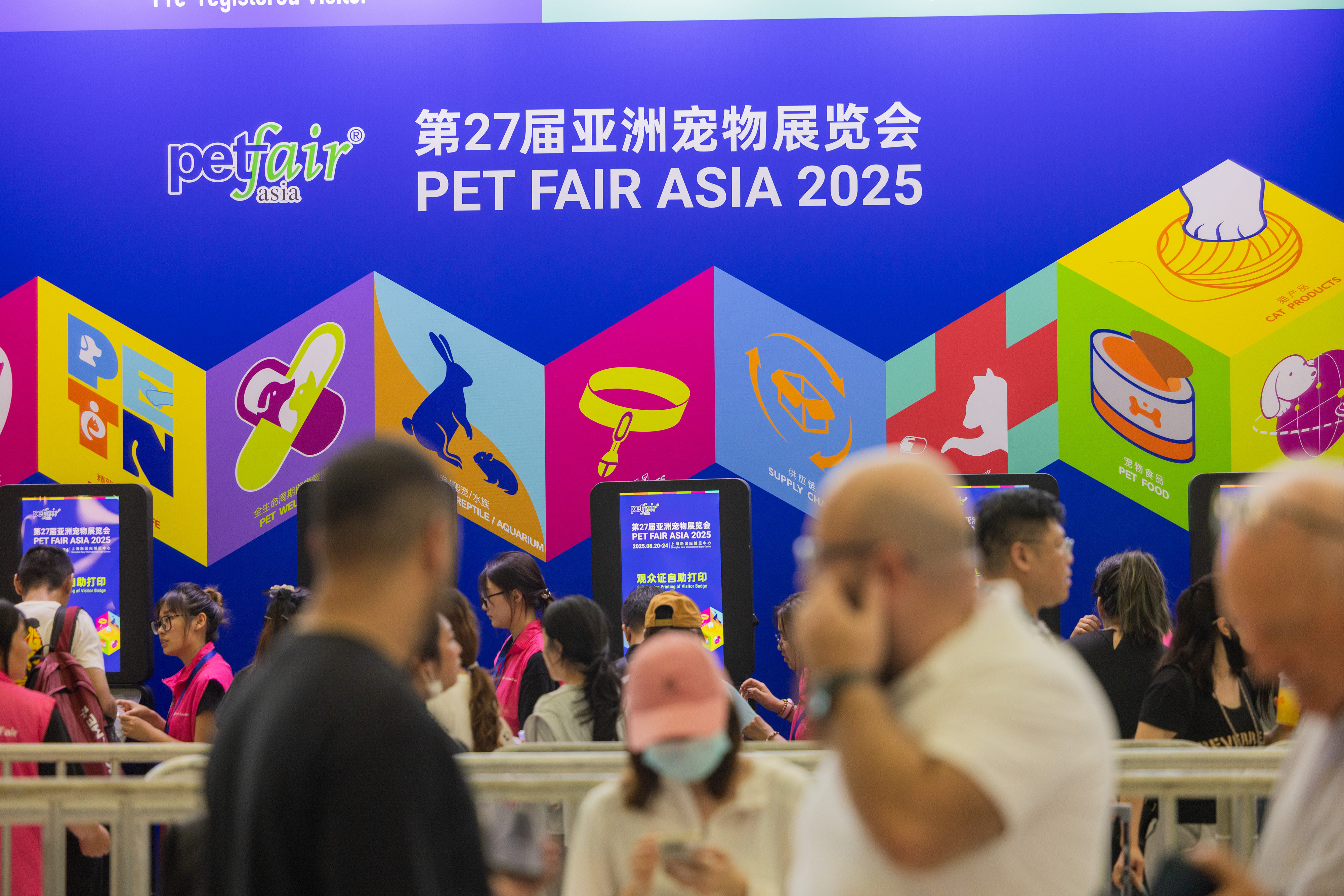
Industry Overview - The pet economy is experiencing robust growth despite the global economic downturn, indicating a strong demand for pet-related products and services [1] - The Asia Pet Expo has reached a new scale with over 2,600 exhibitors and an expected attendance of over 510,000, showcasing the industry's expanding boundaries [1] Market Trends - New entrants in the pet industry are focusing on differentiated consumer demands, with a notable increase in the market share of smart pet products, such as the smart pet cabin, which saw a 35% increase in sales year-over-year [3] - The trend of urban living space constraints and heightened safety concerns is driving the popularity of small pets, with over 17 million people in China owning exotic pets as of 2020, accounting for 25% of the total pet ownership [4] Consumer Behavior - Young consumers now represent over 70% of the pet ownership demographic, shifting the focus from merely feeding pets to enhancing their emotional well-being, with 61.5% willing to pay for their pets' emotional health [10] - The emergence of mobile pet grooming services reflects a shift in consumer preferences towards convenience and tailored services [7] Traditional Manufacturers - Established manufacturers are facing increased competition but are leveraging their expertise and scale to maintain market presence, focusing on cost-effectiveness and quality [12] - Companies like Qingdao Maierchi, which specializes in cat litter, have maintained stable revenue and profit through diversified market strategies despite challenges [12] - The pet care tools supplier, Pairif, is adapting to market changes by exploring new markets and adjusting product designs based on local demands [13] Market Projections - The urban pet consumption market is projected to exceed 300 billion yuan in 2024, with a year-on-year growth of 7.5%, indicating strong consumer purchasing power and a preference for high-quality products [15]

“习惯赚快钱”的中国企业,怎么做好日本市场?
3 6 Ke· 2025-08-20 08:53
Group 1: Market Dynamics - The increase in Chinese exports to Japan reached $157.52 billion in 2023, accounting for nearly 25% of Japan's total imports, making Japan China's second-largest export market [1] - The aging population in Japan, with 29.1% of the population aged 65 and above in 2023, creates significant demand for products catering to older adults, including eyewear and home medical facilities [2][3] - The rise of e-commerce in Japan, accelerated by the pandemic, has led to a projected online shopping penetration rate of 89% by 2025, providing opportunities for Chinese cross-border e-commerce platforms [3][4] Group 2: Consumer Behavior - Japanese consumers are known for their high standards and loyalty, which can lead to long-term profitability for brands that successfully build trust [6][7] - The demand for affordable products has surged as Japan emerges from a prolonged economic stagnation, with rising prices further amplifying this need [4][5] - Chinese brands are leveraging supply chain advantages to offer competitive pricing, with some products priced at half that of leading Japanese brands [5] Group 3: Challenges and Strategies - Entering the Japanese market requires patience and a long-term commitment, as quick returns are often unrealistic due to the unique consumer expectations [6][7] - Establishing trust and local relationships is crucial for success, as Japanese business culture emphasizes long-term partnerships [7][9] - The "three-person four-legged" model, which involves forming joint ventures with local companies, can enhance competitiveness and facilitate market entry for Chinese firms [9]