康养休闲

Search documents
第六埠村幸福院正式启用
Xin Lang Cai Jing· 2026-02-07 21:55
Core Points - The Sixth Bu Village Happiness Center has officially opened, serving as a comprehensive facility for elderly care, including day care, health and wellness, cultural entertainment, and meal services [1][2] - The project is supported by the central special lottery public welfare fund and is part of the rural revitalization initiative in the revolutionary old areas [1] - The center has a total construction area of 1161.11 square meters and is designed to serve over 1,600 elderly individuals from the village and surrounding areas [1] Facility Features - The center includes a spacious dining area that will provide nutritious and easily digestible meals for the elderly [1] - A fitness and rehabilitation space is equipped with various devices such as moxibustion chairs and massage chairs, catering to the health needs of the elderly [1] - The second floor features a well-equipped cultural rehearsal room for activities like square dancing, folk arts, and choir, along with a comfortable resting area for seniors [2] Community Impact - The opening of the Happiness Center not only brings convenience and warmth to the elderly in the village but also sets a new benchmark for village-level elderly care services in the Xiqing District [2] - The Xiqing District plans to use this initiative as a catalyst to continuously optimize the layout of elderly care services, improve facilities, and enhance service quality, promoting a professional, refined, and diversified approach to rural elderly care [2]
埃及旅游局在华路演拓展合作空间
Xin Lang Cai Jing· 2026-01-17 07:28
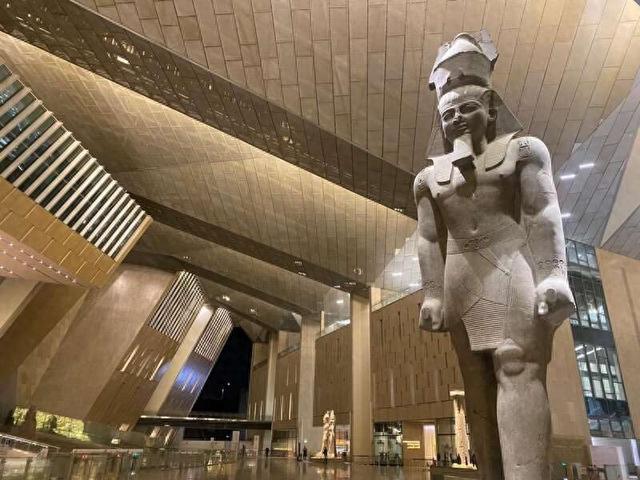
Group 1 - The Egyptian Tourism Authority held three roadshows in Beijing, Shanghai, and Guangzhou on January 12, 14, and 16, 2026, to deepen cooperation with the Chinese tourism market and showcase Egypt's latest tourism development vision [2][5] - Each city roadshow attracted around 50 travel agencies, resulting in over 1,000 industry discussions across the three cities [2] - The Grand Egyptian Museum, set to open on November 1, 2025, will be the largest museum dedicated to a single civilization, housing over 57,000 artifacts, including the complete burial collection of King Tutankhamun [2] Group 2 - Ahmed Youssef, CEO of the Egyptian Tourism Authority, emphasized the importance of China as a strategic market and expressed hopes for deeper communication and expanded cooperation with Chinese travel industry partners [2] - Egypt is enhancing its tourism product offerings, including Nile cultural tours, immersive museum experiences, high-end Red Sea resorts, desert adventures, ecological tourism, and wellness retreats, to cater to the diverse needs of contemporary Chinese travelers [2]

瞄准中国客源市场 埃及旅游局赴沪拓合作
Xin Lang Cai Jing· 2026-01-14 13:25
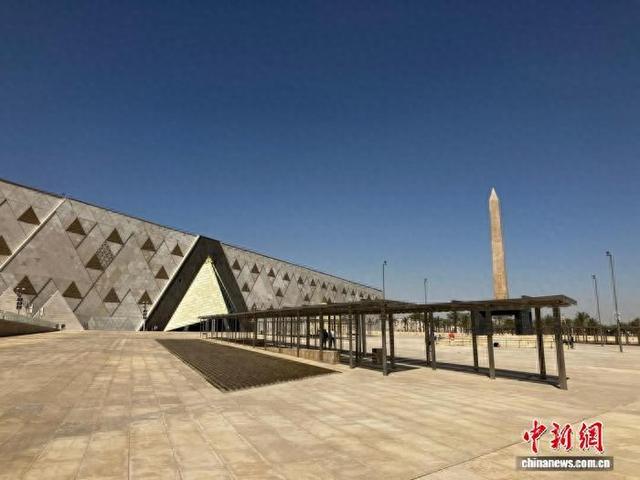
Core Insights - Egypt's tourism sector is actively engaging with Chinese partners to explore market trends, product innovation, and customized travel experiences, highlighting the importance of China as a strategic market for Egypt [1][3] - The Egyptian Tourism Authority plans to hold a roadshow in China in January 2026, covering major cities like Beijing, Shanghai, and Guangzhou, to foster direct communication with Chinese tourism partners [1] - The Grand Egyptian Museum, set to open on November 1, 2025, is positioned as a key attraction for high-end cultural tourism, catering to the growing demand for in-depth travel experiences among Chinese tourists [3] Industry Developments - Egypt is diversifying its tourism offerings, which now include Nile cultural tours, immersive museum experiences, high-end Red Sea resorts, desert adventures, eco-tourism, wellness retreats, and spiritual-themed routes, aiming to meet the expectations of contemporary Chinese travelers [3] - Investments are being made to enhance airport facilities, transportation accessibility, hotel reception capacity, and digital services, improving overall visitor experience and destination accessibility [3] - The ongoing series of roadshows in China is expected to strengthen partnerships with the Chinese tourism industry, leading to more collaborative projects and innovative products [3]
以农文旅深度融合助力乡村振兴
Xin Lang Cai Jing· 2025-12-27 17:39
Core Viewpoint - The integration of agriculture, culture, and tourism (Agri-Culture-Tourism) is essential for revitalizing rural areas and promoting agricultural modernization, enhancing income for farmers, preserving local culture, and improving living environments [1][2][3] Group 1: Agricultural Modernization - The foundation of rural revitalization lies in agricultural modernization, which can be achieved by introducing advanced technologies and management practices to improve product quality and yield [1] - Promotion of modern agricultural technologies such as smart greenhouses and precision irrigation is crucial for enhancing resource utilization efficiency and competitiveness of agricultural products [1] - Development of themed agricultural projects that cater to tourism, such as experience farms and educational activities, can attract visitors and showcase modern agricultural practices [1] Group 2: Cultural Heritage - Rural culture is the soul of Agri-Culture-Tourism integration and is vital for creating unique attractions [2] - Systematic protection and promotion of rural cultural heritage, including historical buildings, folk arts, and traditional customs, are necessary for sustaining cultural vitality [2] - Creative integration of cultural elements into tourism experiences, such as folk workshops and local cuisine, can enhance visitor engagement and facilitate cultural preservation [2] Group 3: Rural Tourism Development - Rural tourism serves as a key vehicle for Agri-Culture-Tourism integration, necessitating improvements in infrastructure and service quality [2] - Enhancements in facilities like roads, parking, and restrooms are essential for improving accessibility and comfort for tourists [2] - Development of differentiated and refined tourism products, such as eco-tourism and wellness retreats, can meet diverse consumer demands and boost related industries [2] Group 4: Sustainable Development - The integration of agriculture, culture, and tourism must prioritize sustainable development and ecological protection to ensure long-term benefits [3] - Emphasis on ecological conservation through restoration, environmental management, and pollution control is critical for maintaining rural landscapes [3] - Adoption of resource-saving and recycling practices, along with the promotion of low-carbon tourism, is essential for sustainable project operations [3] Group 5: Innovation and Collaboration - Innovation and collaboration are key drivers for enhancing Agri-Culture-Tourism integration and competitiveness [3] - The application of technologies such as big data and IoT can empower smart agriculture and tourism [3] - Establishing cross-regional cooperation mechanisms can facilitate resource sharing, joint marketing, and brand development, enhancing overall impact and scale [3]
让假日经济成为激活消费的新引擎
Sou Hu Cai Jing· 2025-12-18 23:45
Core Viewpoint - The introduction of flexible holidays such as "spring and autumn breaks" and "snow days" is reshaping the connection between education and life, activating the "holiday economy" and providing sustained momentum for high-quality development [3] Group 1: Holiday Policy and Economic Impact - The discussion around "spring and autumn breaks" and "snow days" reflects a broader examination of holiday arrangements in the context of economic growth and consumer demand [3] - These new holiday formats are seen as a way to alleviate the concentration of consumer spending during traditional long holidays, thus improving the rhythm and structure of service consumption [4][6] Group 2: Consumer Behavior Changes - During "spring and autumn breaks," there has been a noticeable increase in short-distance travel and family-oriented activities, indicating a shift towards more experiential and comfortable holiday experiences [4] - Families are increasingly prioritizing the quality of their holiday experiences over the quantity of destinations visited, aligning with the current trend of valuing quality and experience in service consumption [4] Group 3: Structural Adjustments Needed - For the holiday economy to thrive, there needs to be a better alignment between holiday schedules and family realities, ensuring that parents can also take time off to participate in holiday activities [6][7] - The supply side must adapt to changing consumer expectations, focusing on creating unique and seasonally relevant experiences rather than merely offering discounts [7] Group 4: Public Services and Infrastructure - Effective public services are crucial for supporting holiday consumption, including transportation, venue accessibility, and service quality, which directly influence consumer choices [7][8] - The implementation of new holiday policies will test public service capabilities, necessitating proactive planning in areas such as traffic management and safety measures [8] Group 5: Caution Against Over-commercialization - There is a need to avoid excessive commercialization and product homogenization in holiday offerings, which can burden consumers and diminish enthusiasm [8] - The optimization of holiday systems should focus on creating meaningful and anticipated timeframes for consumers, allowing for a more natural and steady consumption pattern [8]