开心农场

Search documents
小游戏照见日常
Xin Lang Cai Jing· 2025-12-20 22:07
Core Insights - The article discusses the psychological mechanisms behind the popularity of casual games, highlighting how they engage players through simple rules and immediate feedback [1][2][3] Group 1: Behavioral Economics - The concept of "near-miss effect" is explained, where players overestimate their chances of success after a near success, leading to repeated attempts [1] - "Time preference" or "time discounting" is introduced, indicating that people have a natural inclination towards immediate rewards, which casual games provide through timely and frequent feedback [2] Group 2: Real-Life Applications - The article draws parallels between gaming experiences and real-life scenarios, such as the urgency felt in limited-time offers or the pressure of deadlines, emphasizing the competition against time [3] - It illustrates how games like "2048" reflect decision-making processes in real life, where seemingly minor choices can lead to significant long-term consequences [3]
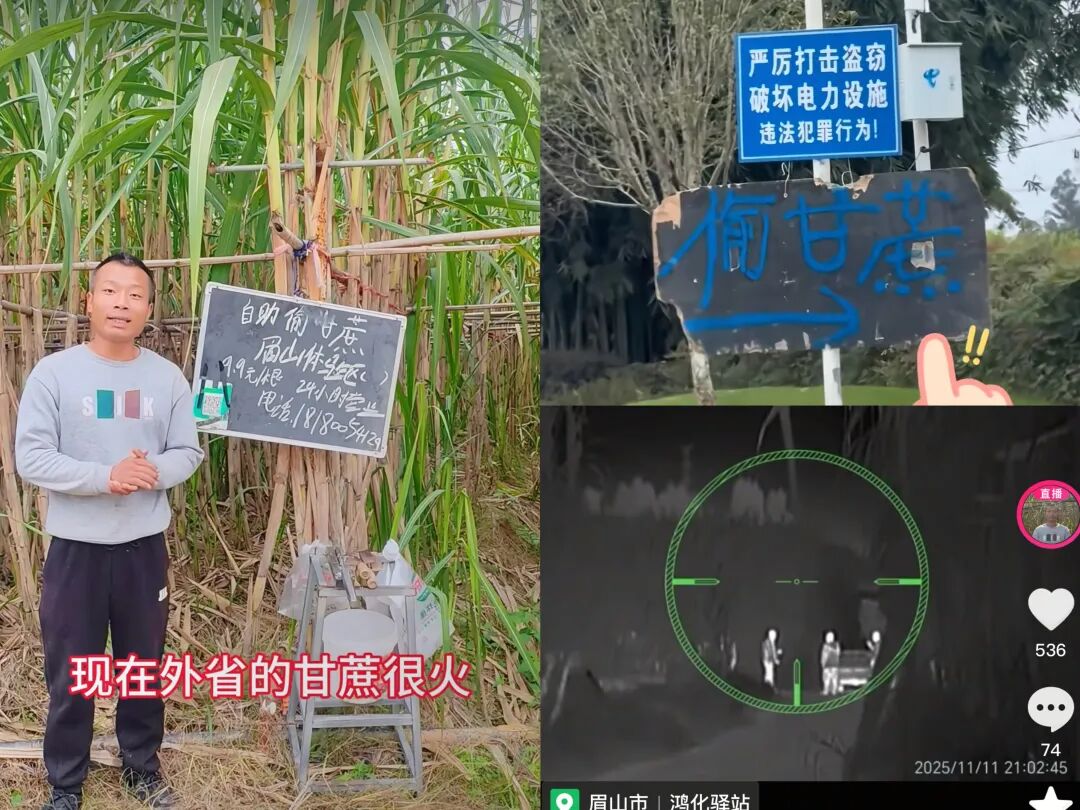
自助“偷甘蔗”爆火,偷菜游戏永不落幕
创业邦· 2025-12-02 03:14
Core Viewpoint - The article discusses the viral "stealing sugarcane" activity in Sichuan, which has attracted significant attention and participation, blending nostalgia with a unique marketing strategy that engages visitors in a playful, simulated theft experience [5][21][29]. Group 1: Activity Overview - The "stealing sugarcane" event allows visitors to pay a small entrance fee to experience a playful theft scenario in a sugarcane field, where they can cut down sugarcane while avoiding capture by staff acting as NPCs [5][6][13]. - The event became a popular attraction, drawing over a thousand visitors daily during its peak, generating nearly 10,000 yuan in sales each day [6][21]. - Similar activities have emerged across the country, with other farms adopting the concept of "stealing" fruits like oranges and apples, indicating a trend in experiential marketing [7][21]. Group 2: Marketing Strategy - The event was initiated by a local sugarcane farmer, who creatively leveraged social media to promote the activity, inviting visitors to relive childhood memories of "stealing" sugarcane [13][14]. - The farmer's innovative approach included live streaming the capture of "thieves," enhancing engagement and creating a community around the event [14][16]. - The activity not only helped sell surplus sugarcane but also reduced labor costs associated with harvesting, showcasing an effective model for rural tourism and agricultural marketing [21][29]. Group 3: Cultural and Psychological Aspects - The "stealing" experience taps into a collective nostalgia for childhood games, providing a safe environment for participants to engage in playful rebellion against societal norms [33][34]. - This phenomenon reflects a broader trend where individuals seek to escape the monotony of daily life through unconventional experiences, highlighting a desire for freedom and adventure in modern society [30][34]. - The event's success illustrates how gamification and experiential marketing can create unique consumer experiences that resonate on emotional and psychological levels [29][34].


自助“偷甘蔗”爆火,偷菜游戏永不落幕
3 6 Ke· 2025-12-02 00:11
Core Idea - The "stealing sugarcane" activity in Meishan, Sichuan, has gained popularity online, allowing visitors to pay a small fee to experience the thrill of "stealing" sugarcane while evading NPCs [1][3][5] Group 1: Activity Overview - The event charges an entrance fee of 2.99 yuan, and participants can take home sugarcane for 9.9 yuan after "stealing" it [1][3] - The activity attracted over a thousand visitors daily during its peak, generating nearly 10,000 yuan in daily sales [3] - Similar activities have emerged in other regions, such as "stealing oranges" in Deyang and "stealing apples" in Shijiazhuang [3] Group 2: Marketing Strategy - The event was initiated by sugarcane farmer Tong Pengfei, who aimed to attract attention to his sugarcane harvest [5][11] - The concept of "stealing" sugarcane taps into nostalgic childhood experiences, appealing to both young and middle-aged participants [5][19] - The activity has been promoted through social media, with participants sharing their experiences and creating a viral marketing effect [7][11] Group 3: Participant Experience - Participants engage in a playful "cat and mouse" game, where they attempt to evade capture while harvesting sugarcane [5][11] - The event includes humorous elements, such as captured participants being required to shout apologies, enhancing the entertainment value [7][11] - The experience provides a sense of thrill and rebellion without real consequences, allowing participants to enjoy a "controlled transgression" [19][20] Group 4: Economic Impact - The activity effectively reduces labor costs for the farmer while clearing out unsold sugarcane inventory [11][20] - The influx of visitors has revitalized local tourism and agricultural engagement, showcasing a novel intersection of rural resources and entertainment [11][20] - The event's success has led to discussions about similar concepts being applied to other agricultural products and locations [11][20]
他,地下室创业,“偷菜”起家,干出百亿帝国
创业家· 2025-06-26 09:52
Core Viewpoint - The article highlights the remarkable journey of Tang Binsen, the founder of Yuanqi Forest, who disrupted the beverage industry in China with innovative products like zero-sugar sparkling water, leading to a valuation of 71 billion yuan and a global presence in over 40 countries [4][5][6]. Group 1: Background and Early Ventures - Tang Binsen was born in 1982 in Hefei and showed an early interest in business, even writing about economic development in his school essays [8]. - He started his entrepreneurial journey by reselling pirated tapes during high school, which deepened his interest in business [9]. - After winning a gold medal at an international programming competition, he used the prize money as seed capital for his entrepreneurial ventures, although his initial projects failed [10][12][13]. Group 2: Transition to Beverage Industry - In 2014, Tang Binsen founded Challenger Capital and began investing in various projects, eventually leading to the establishment of Yuanqi Forest in 2015 [20][21]. - The beverage industry was identified as inefficient, with a lack of innovation and slow approval processes, prompting Tang to challenge established giants like Coca-Cola and Nongfu Spring [21][22]. - Initial product development faced challenges, leading to a decision to destroy unsatisfactory inventory, emphasizing a commitment to quality [26][29]. Group 3: Market Disruption and Growth - Yuanqi Forest launched its first successful product, "Burning Tea," in late 2016, which quickly became a top seller in the sugar-free tea market [29]. - In 2018, the company entered the sparkling water market, a relatively untapped segment in China, using natural sweeteners to appeal to health-conscious consumers [36][38]. - Sales skyrocketed from 180 million yuan in 2018 to 7 billion yuan in 2021, with a brand valuation reaching 15 billion USD [38]. Group 4: Challenges and Strategic Responses - The entry of major competitors into the sparkling water market and rising raw material costs posed significant challenges starting in 2020 [41][42]. - Despite a 170% revenue growth in 2021, the growth rate dropped to 30% in 2022, prompting a strategic shift to diversify product offerings [47][48]. - The introduction of new products like "Ice Tea" and "Yuanqi Zizai Water" targeted price-sensitive consumers, leading to rapid sales growth [52][54]. Group 5: International Expansion and Future Outlook - Yuanqi Forest established an international division in 2020, successfully entering markets in the US, Singapore, and Australia [56]. - The company became the only Chinese brand to rank in the top 10 and top 100 of Amazon's beverage sales charts [56]. - By 2025, Yuanqi Forest aims to leverage technology to reshape consumer experiences, with plans for smart vending machines to enhance product accessibility [58][59].