微控制器(MCU)芯片

Search documents
沁恒微科创板IPO撤回:自研故事难掩毛利率下滑与研发弱化隐忧
Sou Hu Cai Jing· 2026-01-30 10:02
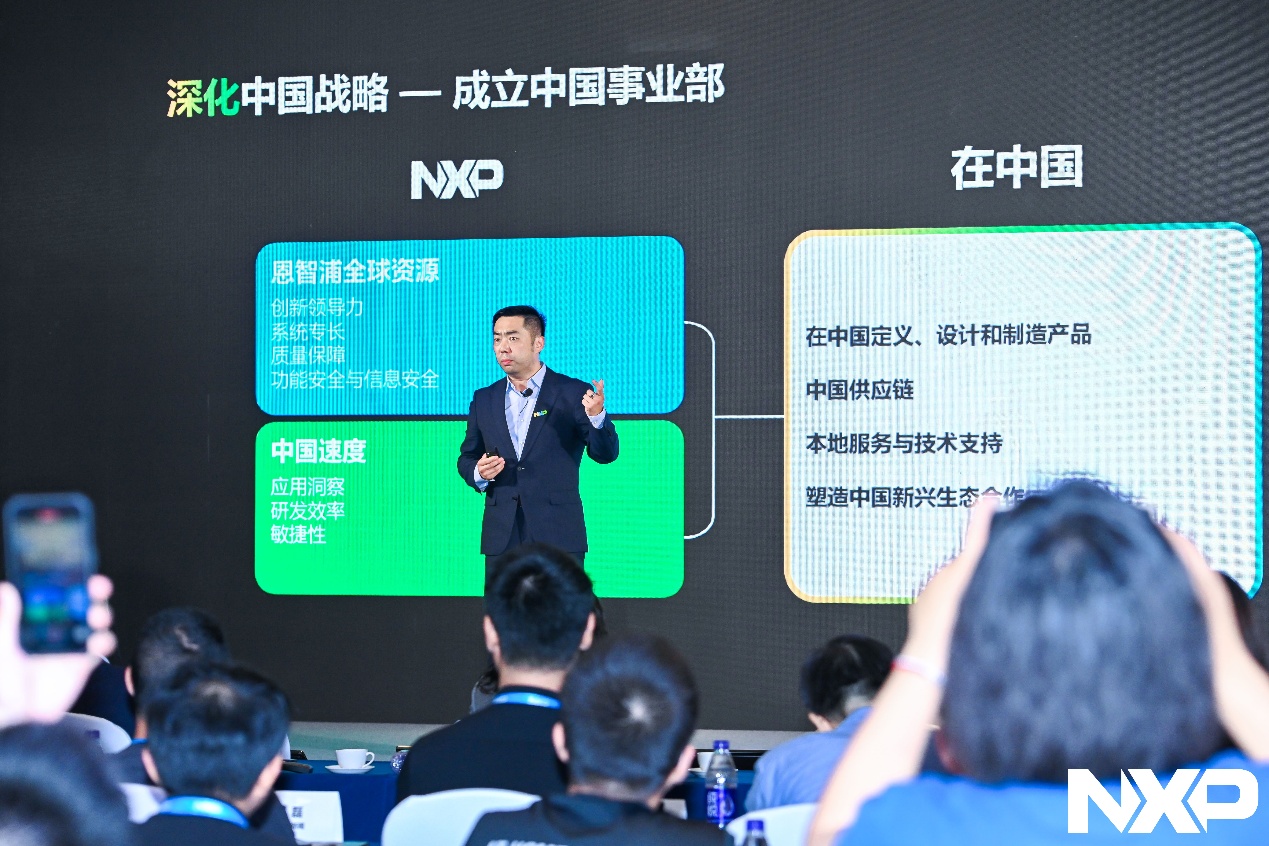
Core Viewpoint - The recent withdrawal of IPO applications by companies like Nanjing Qinheng Microelectronics highlights challenges in the domestic semiconductor industry, particularly regarding profitability and sustainable growth [1][6]. Financial Performance - Qinheng's gross margin has shown a declining trend, dropping from 63.32% in 2022 to 57.51% in 2024, with a slight recovery to 60.46% in the first half of 2025, indicating potential issues with profitability [3][4]. - The average selling price of Qinheng's chip products decreased from 1.79 yuan in 2022 to 1.36 yuan in 2024, with significant price drops in key products such as USB chips and microcontrollers, reflecting a shift to a "price for volume" strategy due to intense market competition [3][4]. R&D Investment - Despite an increase in absolute R&D spending, the R&D expense ratio fell from 25.54% in 2022 to 15.46% in the first half of 2025, raising concerns about the company's ability to sustain high levels of technological innovation [4][6]. - Qinheng's self-research model, which emphasizes independence from external licensing, requires substantial long-term investment, and the acceptance of its self-developed ecosystem remains uncertain in a market dominated by established players [4][6]. Customer and Supplier Dynamics - The company's customer base is highly fragmented, with sales to the top five customers accounting for only 10%-15% of total sales, which limits bargaining power and increases market development costs [5]. - Conversely, the supplier base is highly concentrated, with over 75% of purchases coming from the top five suppliers, creating a "two-sided mismatch" in the supply chain [5]. Regulatory Environment - The scrutiny of companies seeking to list on the Sci-Tech Innovation Board has intensified, focusing on sustainable operational capabilities, profitability quality, and financial stability [5][6]. - Qinheng's inability to provide satisfactory responses to regulatory inquiries regarding its declining gross margin and R&D expense ratio may have contributed to its decision to withdraw its IPO application [5][6].

恩智浦:从前端到后端布局中国本土市场
Zhong Guo Qi Che Bao Wang· 2025-07-09 09:21
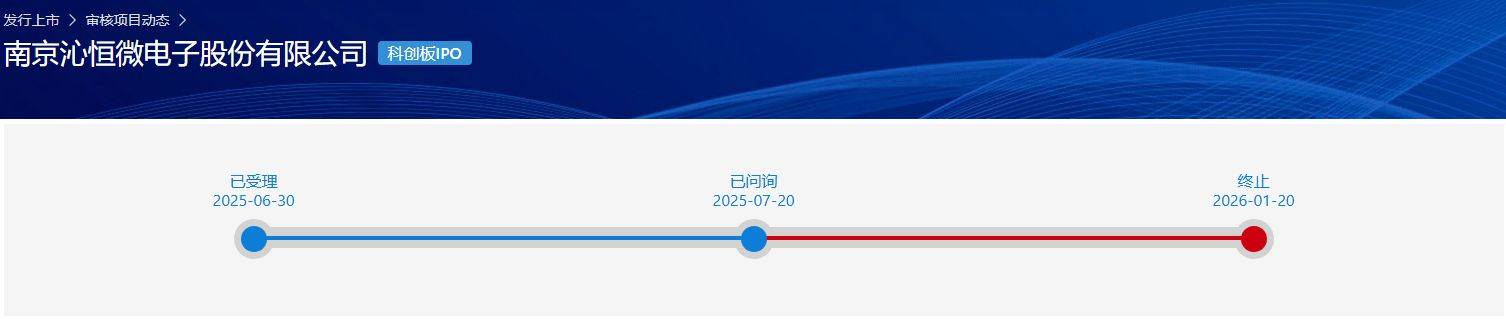
Core Insights - NXP Semiconductors, one of the largest automotive chip suppliers globally, has demonstrated its commitment and achievements in the Chinese market during its 2025 Automotive Leadership Media Day event [2][3]. Group 1: Company Overview - NXP was originally part of Philips Semiconductor, established in 1953, and became an independent entity in 2006, going public in 2010 [1]. - The company is known for producing microcontroller (MCU) chips and various sensor chips, primarily used in automotive, industrial, and IoT applications [1]. Group 2: Financial Performance - In 2024, NXP's global revenue reached $12.614 billion, with the Chinese market contributing 36% of total sales, significantly higher than the Americas (14%), Europe, Middle East, and Africa (22%), and other Asian regions (28%) [3]. Group 3: Local Operations and Workforce - NXP has been operating in China since 1986, employing over 6,000 people across 14 cities, with 6 R&D centers and more than 1,600 engineers [5]. - The establishment of the China Division in January 2025 aims to integrate sales, R&D, operations, quality, and technical support to better meet the evolving needs of Chinese customers [5]. Group 4: Product Development - NXP has launched new products tailored for the Chinese market, including the S32K5 series automotive MCUs and the S32R47 radar processor, which supports L2+ to L4 level autonomous driving [5]. - The company introduced the BMx7318/7518 series IC products designed for high-voltage battery management systems in electric vehicles and industrial energy storage systems, developed in response to local customer needs [6]. Group 5: Supply Chain and Partnerships - NXP is enhancing its local supply chain by strengthening partnerships with local manufacturers, including a significant packaging and testing facility in Tianjin and collaborations with TSMC and SMIC [9]. - The company announced new collaborations with Chinese automakers such as Geely, Leap Motor, Changan Deep Blue, and Great Wall, focusing on joint innovation labs and projects in areas like ADAS and electric vehicle architecture [9][10].