
愈美片

Search documents
21岁,他已经学会不再想“以后”
3 6 Ke· 2026-01-21 08:32
Core Viewpoint - The article explores the life of a young man named Shaoyong, who has been struggling with drug overdose (OD) as a means to escape his emotional turmoil stemming from depression and a challenging family background. It highlights the normalization of OD among youth and the societal indifference towards mental health issues. Group 1: Background and Personal Struggles - Shaoyong, at 21, began experiencing OD at 17, driven by depression, family issues, and peer influence, viewing it as a way to escape his problems [2][5][10] - He describes his family dynamics, particularly the lack of communication with his single father, which contributed to his feelings of isolation and misunderstanding regarding mental health [5][19] - Shaoyong's initial curiosity about OD was influenced by his social circle, where discussions about drug use were common, leading him to experiment with substances like dextromethorphan [6][10] Group 2: The Impact of OD on Daily Life - Over three years, Shaoyong has consumed dozens of different drugs, with his usage escalating to taking hundreds of pills at once, indicating a growing dependency [9][10] - He acknowledges that OD has become a habitual response to his emotional distress, with the initial thrill giving way to a cycle of dependency and withdrawal symptoms [8][10] - Shaoyong's financial situation worsened as he dropped out of school and struggled to maintain a stable income, leading to a reliance on live streaming for income, which is often interrupted by platform regulations [11][25][26] Group 3: Social Perception and Isolation - The article illustrates the stigma surrounding OD, with Shaoyong feeling judged by others while simultaneously normalizing his behavior as a coping mechanism [13][29] - He expresses a sense of detachment from societal expectations and the pressures of familial relationships, often feeling misunderstood by those around him [19][29] - Despite his struggles, Shaoyong finds temporary solace in relationships, such as with his girlfriend, yet these connections are fraught with challenges related to his drug use [23][25]


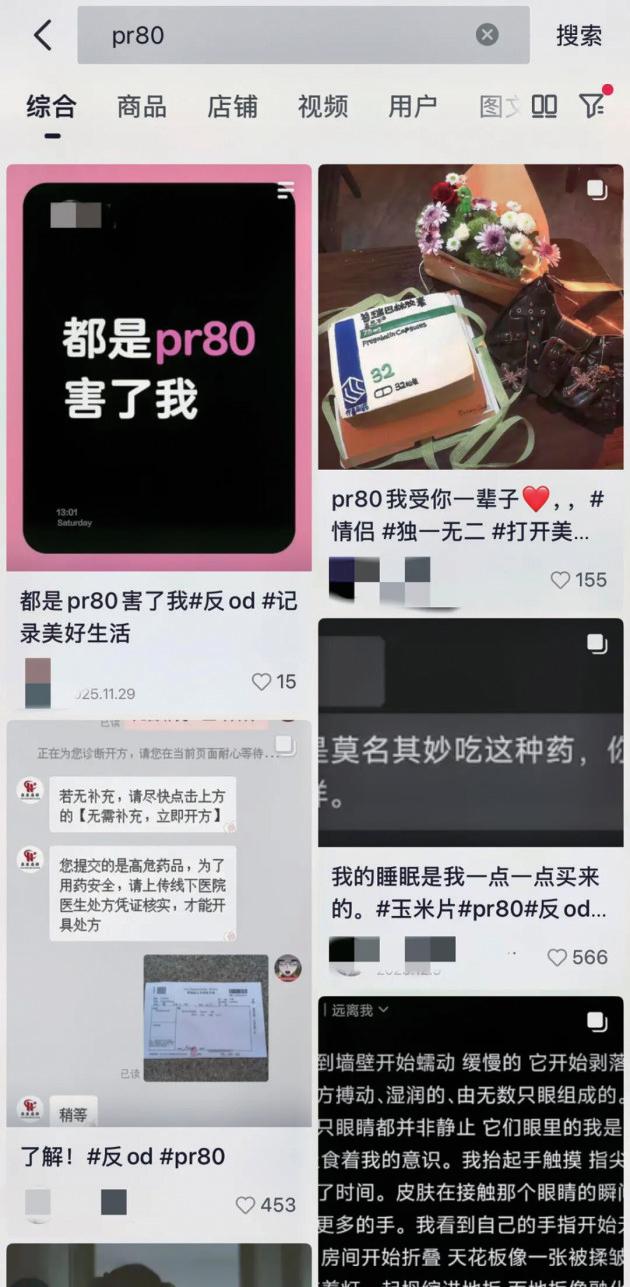
右美沙芬被禁后 他们开始滥用普瑞巴林
Xin Lang Cai Jing· 2025-12-25 17:24
Core Viewpoint - The article highlights the rising trend of pregabalin abuse in China, particularly among youth, as a substitute for previously abused substances like dextromethorphan, raising concerns about its potential for addiction and the need for monitoring [1][2][10]. Group 1: Case Reports and Trends - Recent reports indicate a significant increase in cases of pregabalin abuse, with a notable rise in patients seeking treatment for dependency [1][2][18]. - A case study published in March 2025 documented the first reported instance of pregabalin dependency in China, where a patient escalated their dosage from 16-32 capsules daily to 80 capsules within a month [18]. - The Shandong Drug Adverse Reaction Monitoring Center reported a minor patient who switched to pregabalin after dextromethorphan was regulated, with doses reaching up to 30 capsules per use [2][18]. Group 2: Mechanism and Effects - Pregabalin is primarily used to treat neuropathic pain and anxiety disorders, but its mechanism of action, which lowers neuronal excitability, is being misused for anxiety relief and emotional escape [9][10]. - Users report initial euphoric effects, but prolonged use leads to negative side effects, including paranoia and cognitive decline, as seen in the experiences of individuals like Wang Long [8][9]. Group 3: Accessibility and Regulation - Pregabalin is easily accessible online, often without the need for a legitimate prescription, making it a popular choice among those seeking to abuse substances [16][25]. - The article discusses the potential need for stricter regulations on pregabalin, similar to those imposed on dextromethorphan, due to the increasing number of abuse cases [17][22]. Group 4: Social Dynamics and Influence - Social media and peer influence play significant roles in the spread of drug abuse, with users sharing experiences and recommendations that encourage others to try pregabalin [10][14]. - The normalization of drug use within certain social circles contributes to the ongoing cycle of addiction, as individuals seek to escape negative emotions and social pressures [26][27]. Group 5: Treatment and Prevention Challenges - The article emphasizes the challenges in addressing drug abuse, noting that many individuals do not seek help until their addiction has severely impacted their lives [26][28]. - There is a call for a multi-tiered prevention approach that includes education for at-risk populations, early intervention for those exhibiting risky behaviors, and comprehensive treatment for those already dependent [27].
省药品监督管理局负责人回应群众关切规范角膜塑形镜验配 落实中药饮片保质期
Xin Hua Ri Bao· 2025-09-02 23:07
Group 1 - The article highlights concerns regarding the improper fitting and sale of orthokeratology lenses for myopia correction among teenagers, emphasizing the safety risks associated with unqualified practices [1] - The provincial drug supervision administration has announced plans for thorough inspections and corrective actions against non-compliant practices in the fitting and sale of orthokeratology lenses [1] - Parents are advised to ensure that the fitting of orthokeratology lenses is conducted at qualified medical institutions with the necessary certifications to protect their children's eye health [1] Group 2 - A case is reported where a teenager overdosed on a cough medicine containing dextromethorphan, raising concerns about the regulation of such medications, especially regarding sales to minors [2] - The provincial drug administration clarified that dextromethorphan is classified as a controlled substance, with strict regulations prohibiting its sale to minors and online sales [2] - Ongoing inspections will focus on retail enterprises selling special drug formulations to ensure that minors are protected from potential drug abuse [2] Group 3 - New regulations for labeling traditional Chinese medicine pieces have been introduced, requiring clear labeling of product attributes, including expiration dates, effective from August 1, 2025 [3] - The provincial drug administration has initiated self-inspections among traditional Chinese medicine producers to comply with the new labeling requirements and ensure product quality [3] - The administration aims to address issues raised by the public and improve the regulatory framework to support the high-quality development of the pharmaceutical industry [3]