指数基金定投

Search documents
家庭存款的真实层次:你在哪个阶段?不同阶段有不同的过法
Sou Hu Cai Jing· 2025-12-11 18:49
Core Insights - The article discusses the varying levels of household savings and their implications for financial planning and security [1] Stage Summaries - **Stage One: Initial Accumulation Phase** In this phase, households have limited savings, barely covering a few months of expenses. The primary goal is to establish a financial safety net, focusing on stability and accumulation. Emergency funds should be prioritized, with savings kept in liquid forms like bank accounts or money market funds [2] - **Stage Two: Increased Risk Resilience** Once savings can cover six months to a year of expenses, households experience enhanced financial resilience. This allows for better management of unexpected costs, such as medical emergencies or job transitions. At this stage, families can begin to explore safe investment options like government bonds or low-risk bank products while planning for medium-term goals like education funds [4] - **Stage Three: Financial Flexibility and Choices** As savings grow beyond daily risk management, families gain more options in life decisions, such as education and housing improvements. Investment strategies shift towards asset allocation and balance, maintaining liquidity while pursuing moderate growth through diversified investments [5] - **Stage Four: High Financial Comfort** When savings cover several years of expected expenses and generate passive income, families can focus more on lifestyle choices rather than just earning money. The investment approach becomes extremely conservative, emphasizing wealth preservation, tax planning, and intergenerational wealth transfer [7] Financial Context - The article emphasizes that a household's financial status should be evaluated not just by savings figures but also in relation to living costs and future goals. The same amount of savings can have different implications based on geographic location and personal circumstances, highlighting the importance of tailored financial planning [9]


家庭存款100万元是什么水平?很多人还不知道,真的有点可惜了!
Sou Hu Cai Jing· 2025-11-05 18:07
Group 1 - The article discusses the perception of having 1 million yuan in savings in China, highlighting that it places individuals in the top 10% of households in terms of financial assets [3][12] - It emphasizes that the majority of families have their wealth tied up in real estate, making liquid assets of 1 million yuan a significant achievement [3][12] - The article contrasts the psychological impact of having 1 million yuan based on the living conditions in different cities, noting that it can represent financial security in lower-tier cities but may feel inadequate in first-tier cities [6][9][12] Group 2 - The article warns against complacency with static savings, stating that money left in low-interest accounts is effectively losing value due to inflation [13] - It suggests a tiered approach to managing 1 million yuan, advocating for a mix of conservative and aggressive investment strategies to optimize returns [14][15] - The article concludes that having 1 million yuan is not an endpoint but a starting point for better financial management and investment in personal growth [17]
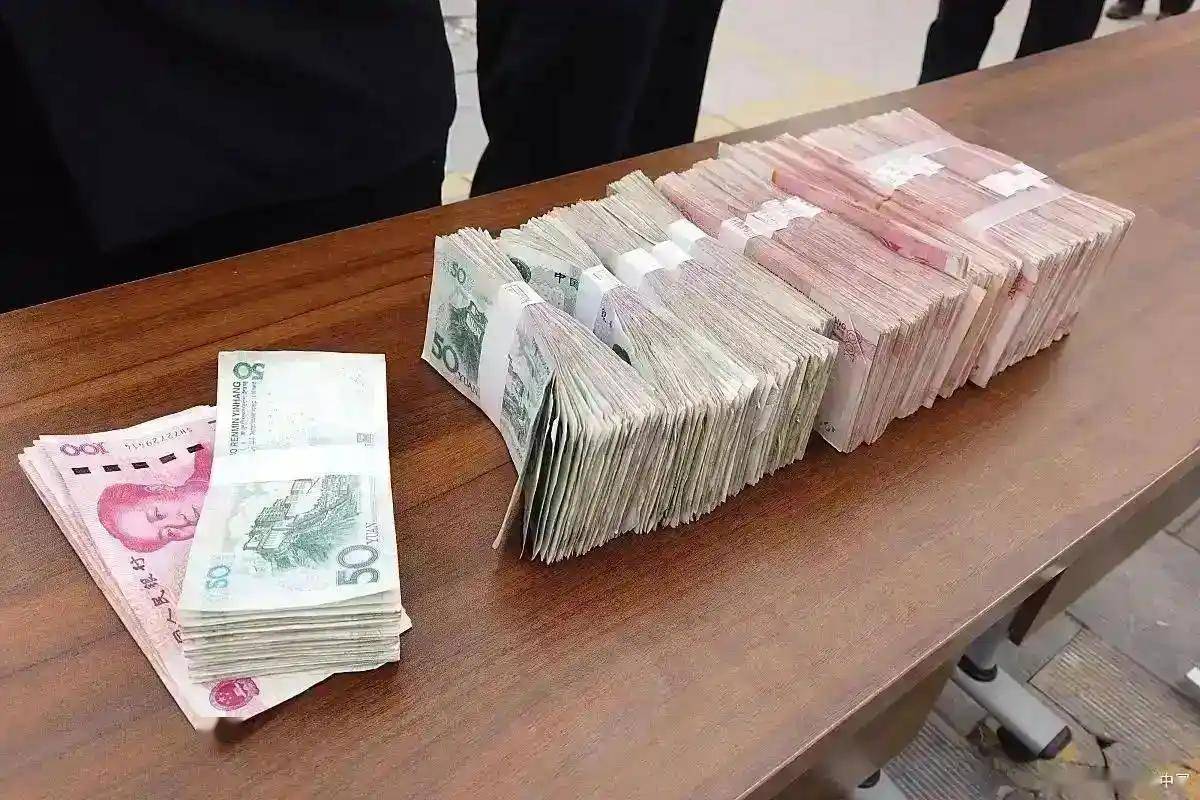
手里有“20万元现金”,选择存“定期”划算吗?银行经理给出答案
Sou Hu Cai Jing· 2025-08-21 21:02
Core Viewpoint - In a rapidly changing economic environment, individuals with 200,000 yuan in cash face a crucial financial decision regarding whether to deposit it in a bank or explore alternative investment options. Financial professionals emphasize the importance of considering safety, liquidity, and yield when making this decision, tailored to individual financial situations and risk tolerance [1]. Investment Strategies - Traditional fixed deposits may not be the only option; a diversified investment strategy is recommended. A pyramid asset allocation model is suggested, distributing funds across different risk levels to balance returns and risks [1]. Conservative Base (40-60% of funds) - Large Time Deposits: Starting from 200,000 yuan, rates typically exceed regular fixed deposits by 30-50 basis points. For instance, a three-year large time deposit from a joint-stock bank can yield up to 3.25% [3]. - Savings Bonds: Backed by national credit, these are highly secure. The three-year savings bond for 2025 has a coupon rate of 3.12%, while the five-year bond offers 3.32%, making them ideal for conservative investors [3]. Balanced Middle (30-40% of funds) - Cash Management Products: These offer high liquidity, often allowing T+0 redemption, with annual yields ranging from 2.3% to 2.8%. For example, the "Zhaozhao Bao" from China Merchants Bank is flexible and accessible [4]. - Pure Bond Funds: Primarily investing in the bond market, these have relatively low risk, with a three-year annualized return of approximately 4.5% to 5.2% and volatility below 1.5% [4]. Aggressive Top (10-20% of funds) - Index Fund Regular Investment: Taking the CSI 300 index as an example, the annualized return over the past decade has reached 6.8%, indicating substantial long-term investment returns [6]. - Gold ETFs: With inflation-resistant properties, these saw a 9.2% increase in the first half of 2025, serving as an effective tool against currency depreciation [8]. Innovative Deposit Products - In response to market competition, banks are launching innovative deposit products to balance yield and liquidity [9]. - Tiered Interest Products: For example, the "Tianjin Jinbao" from Bohai Bank offers a rate of 3.0% to 3.2% for 1-3 years, allowing for tiered interest even with early withdrawals [9]. - Special Savings: The "Happiness Savings" from Citic Bank supports monthly interest payments, with a five-year rate of up to 3.85%, providing stable cash flow [9]. - Structured Deposits: These capital-protected products typically linked to foreign exchange or indices have expected returns between 1.5% and 2.0% [11]. Personalized Investment Strategies - Different asset allocation strategies should be adopted based on individual risk tolerance and financial goals [11]. - Conservative Investors (55+ years): Recommended to allocate 70% to large time deposits, 20% to bonds, and 10% to money market funds for capital safety [13]. - Steady Investors: Suggested allocation includes 50% in smart deposits, 30% in pure bond funds, 15% in gold ETFs, and 5% in equity funds for stable growth [13]. - Aggressive Investors (under 35 years): Recommended to invest 40% in index fund regular investments, 30% in mixed products from bank wealth management subsidiaries, 20% in structured deposits, and 10% in QDII funds for higher returns [13]. Key Operational Reminders - Interest Rate Cycle Assessment: When the central bank is in a rate-cutting phase, longer-term deposit products are advisable; conversely, short-term products should be chosen during rate hikes for flexibility [14]. - Fund Planning Techniques: The "12 Time Deposit Method" involves depositing 16,000 yuan monthly in fixed deposits to maintain liquidity while enjoying higher rates [14]. - Tax Optimization: Interest income from bonds is exempt from personal income tax, while large time deposit interest must be reported as part of comprehensive income, necessitating tax planning [14]. - Bank Selection: City commercial banks typically offer deposit rates 30-50 basis points higher than state-owned banks, warranting investor attention [15]. Market Trends - The proportion of clients opting for pure fixed deposits has decreased to 38% in 2025, down 23 percentage points from 2020, indicating a shift towards a "core-satellite" strategy, where stable products form the core, supplemented by a small portion of high-risk, high-reward products for diversified asset growth [15].
一生必知的10大财务法则,让钱主动来找你!
天天基金网· 2025-05-31 23:36
Core Viewpoint - The article emphasizes the importance of financial management strategies to achieve financial freedom, highlighting that financial freedom is defined as passive income exceeding living expenses rather than merely accumulating wealth [16]. Short-term Strategies - Control spending and eliminate high-interest debt [16]. - Analyze spending habits through budgeting and cut down on 30% of unnecessary expenses [11]. Mid-term Strategies - Establish an emergency fund by opening a separate account for savings, preferably in money market funds or short-term deposits for easy access [4]. - Learn about passive income models such as index fund investments and rental income from real estate to gradually accumulate assets [7]. Long-term Strategies - Utilize the power of compound interest by starting monthly investments early; for instance, investing 2,000 yuan monthly from age 25 at an annual return of 8% could lead to approximately 7 million yuan by age 60 [9]. - Diversify investments without over-diversifying, allocating stock investments based on age (e.g., "100 - age" = percentage in stocks) and the remainder in bonds or cash [12]. Insurance and Risk Management - Allocate funds for consumer-oriented critical illness insurance, medical insurance, and term life insurance, keeping premiums within 5%-10% of annual income [13].