插电混动皮卡

Search documents
“去中国化”与“在中国化”共舞
Zhong Guo Qi Che Bao Wang· 2025-12-05 09:39
Group 1: Core Perspectives - The automotive industry is experiencing a dual phenomenon of "localization in China" and "de-Chinaization," driven by geopolitical factors, market dynamics, and industrial upgrades, reflecting a dynamic balance in globalization and regionalization [2][8] - Major automotive companies are increasingly adopting a "China for China" strategy, moving beyond simple localization to deeper integration in response to the rapid transformation towards new energy and intelligent vehicles in the Chinese market [3][6] Group 2: Actions by Automotive Companies - Volkswagen Group has accelerated innovation in China, investing approximately 7.5 billion yuan to establish a major R&D center in Hefei, which has shortened new product development cycles by 30% [6] - Toyota has appointed a Chinese national as the general manager of Toyota China and implemented a "Chief Engineer in China" system, shifting product development leadership to local engineers [6] - Ford has unified its sales channels by establishing a wholly-owned sales service company to enhance brand experience, while General Motors has achieved over 99% localization in its supply chain in China [7] Group 3: De-Chinaization Trends - Some foreign automakers, influenced by geopolitical tensions and supply chain security concerns, are attempting to reduce reliance on Chinese suppliers, with reports of European companies seeking to replace Chinese-made semiconductors [8][9] - The U.S. has imposed tariffs and trade restrictions on China, prompting some companies to consider "de-Chinaization" strategies to maintain competitiveness in the face of rising costs [9][10] Group 4: Resilience of Chinese Supply Chain - Despite external pressures, the attractiveness of the Chinese market continues to drive companies to maintain close ties with Chinese supply chains, particularly in the automotive sector [13][17] - China's supply chain has shown significant resilience and competitiveness, with many companies establishing a robust multinational supply system since 2018 [14][18] - The transition of supply chains may incur initial costs of 30% to 50%, but the efficiency of integrating with existing Chinese supply chains remains advantageous [14][15] Group 5: Future Outlook - The Chinese automotive market is expected to continue its rapid growth, with a shift in how vehicles are perceived, moving from mere transportation to mobile living spaces [17] - The integration of AI and smart technologies is enhancing the potential of vehicles, prompting multinational companies to localize R&D and decision-making processes in China [17][18] - The ongoing transformation from "localization in China" to "de-Chinaization" and ultimately to a new global balance reflects the evolving landscape of the global automotive industry, with China playing an increasingly pivotal role [18]


新能源皮卡销量猛增 车企开启插混皮卡争夺战
Mei Ri Jing Ji Xin Wen· 2025-05-14 07:40
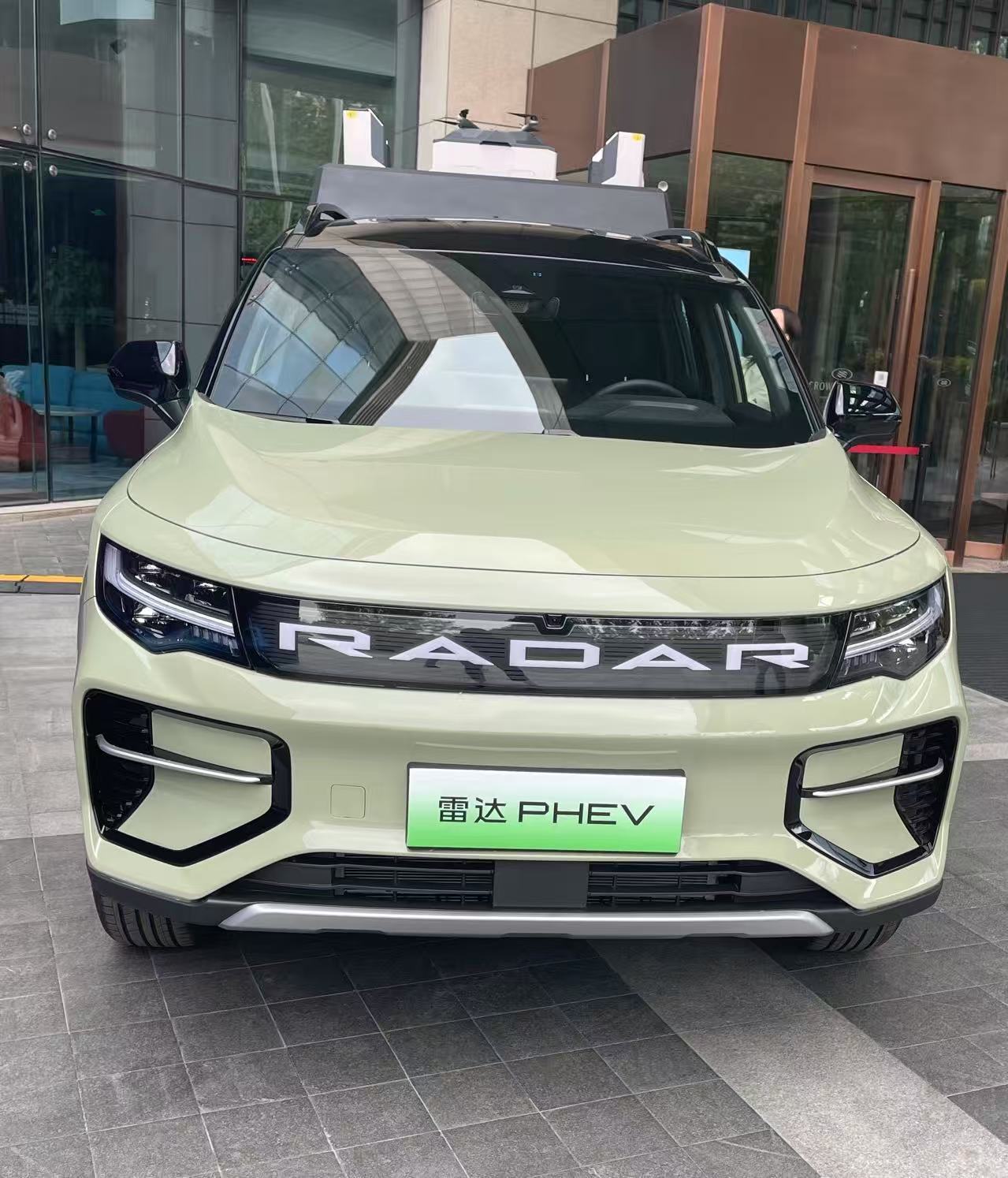
Group 1 - The core viewpoint is that the new energy pickup truck market is rapidly growing, with a significant increase in sales driven by plug-in hybrid technology [1][3] - In the first quarter of this year, the sales of new energy pickup trucks in China increased by 180% year-on-year, with March sales up by 220% [1] - The trend indicates that plug-in hybrid pickup trucks are expected to replace 30% of the fuel pickup market share in the next three years [1] Group 2 - The introduction of plug-in hybrid pickup trucks is closely related to upcoming regulatory requirements, which will impose a 10% reduction in fuel consumption for pickups starting January 1, 2026 [3] - The demand for plug-in hybrid technology is driven by the practical usage scenarios of pickup trucks, which need to be versatile in terms of load capacity and maintenance convenience [4] - Companies are developing plug-in hybrid pickups to meet specific market needs, with examples including the launch of various models at the Shanghai Auto Show [1][4] Group 3 - The market for new energy pickups is also influenced by the integration of technology, such as the development of smart platforms for drones and energy management [4] - In March, the sales volume of Geely Radar's new energy pickup exceeded 1,228 units, marking a 122.5% month-on-month increase and a 280.2% year-on-year increase, achieving a 63.2% market share [4] - Geely Radar plans to invest 5 billion yuan in R&D for "super electric hybrid technology" and aims to launch a hybrid pickup with L4-level autonomous driving by 2026 [6]