
搪胶挂件

Search documents
新消费强势崛起,Z世代和千禧一代重构高奢商场逻辑
第一财经· 2025-09-29 10:23
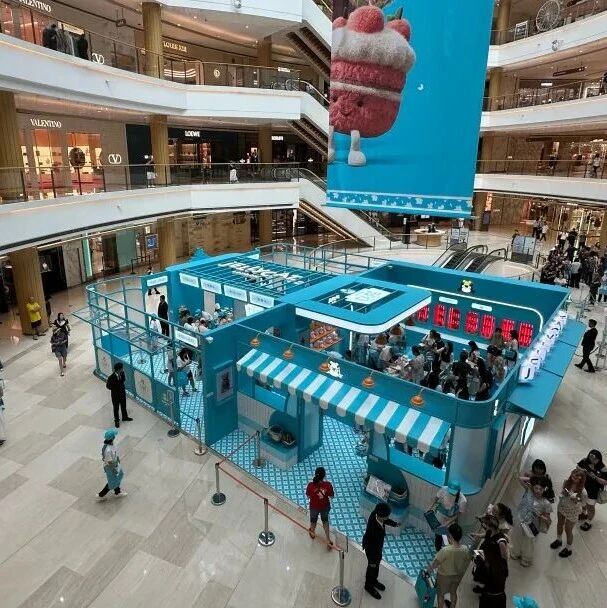
Core Viewpoint - The article discusses the shift in consumer behavior among the Z generation and millennials, emphasizing the importance of emotional value in purchasing decisions, which has led to a transformation in retail experiences and brand strategies [3][4][6]. Group 1: Changing Consumer Behavior - The Z generation and millennials are becoming the main consumer force, focusing on emotional value rather than just the practical utility of products [3][6]. - Nearly 30% of young consumers are willing to spend for emotional satisfaction, indicating a significant shift in consumption patterns [6][7]. - The traditional classification of high-end and mid-range brands is becoming less relevant, as consumers prioritize brands that offer emotional connection and unique experiences [7][9]. Group 2: Retail Experience Evolution - Retail spaces are evolving from mere transaction venues to platforms that provide unique experiences and emotional connections [4][8]. - Brands are increasingly integrating diverse activities and experiences to enhance consumer engagement, such as pop-up events and cultural exhibitions [9][10]. - The "Louis Number" project exemplifies the trend of combining retail, dining, and exhibitions to create a compelling consumer experience, significantly increasing visitor dwell time [9][10]. Group 3: Return to Physical Stores - The trend of emotional value is driving consumers back to physical stores, with brands like Pop Mart and Jellycat relying heavily on brick-and-mortar locations [10][11]. - Many online brands are recognizing the importance of physical presence, leading to a surge in new store openings across various cities [11][12]. - The expansion of brand stores is revitalizing offline commercial activity, with a focus on experiential retail that fosters deeper connections with consumers [11].


新消费强势崛起,Z世代和千禧一代重构高奢商场逻辑
Di Yi Cai Jing· 2025-09-29 03:21
Core Insights - The traditional classification of high-end and mid-range consumer goods is becoming blurred due to changing consumer trends, particularly among Gen Z and Millennials, who prioritize emotional value over mere practicality in their purchasing decisions [1][2][3] Consumer Behavior Trends - The rise of "emotional value" in consumer spending is evident, with nearly 30% of young respondents indicating they make purchases for emotional healing [2] - Consumers are increasingly seeking unique experiences and emotional satisfaction rather than just material ownership, leading to a shift towards more diverse and experiential consumption [2][4] Retail Space Evolution - Future retail spaces are expected to transform from mere transaction venues to platforms that offer unique experiences and emotional connections, necessitating a multi-dimensional approach from market participants [1][3] - Brands are focusing on creating engaging environments that encourage longer consumer visits, as seen with the "Louis Number" project, which significantly increased visitor dwell time compared to traditional retail [5][6] Brand Strategy Adjustments - Brands are moving away from strict high-end classifications and are instead focusing on content, relevance, and emotional value to attract consumers [3][4] - The trend of emotional value-driven brands is becoming a new traffic engine, with brands like Pop Mart and Jellycat successfully entering high-end retail spaces [3][4] Shift Back to Physical Retail - The emphasis on experiential consumption is driving a resurgence in physical retail, with many brands recognizing the importance of in-person experiences to foster deeper connections with consumers [5][6] - A notable trend is the expansion of physical stores by previously online-only brands, indicating a recognition of the value of tangible consumer interactions [6]