新能源汽车混动系统

Search documents
中国“玩腻”的技术,在欧洲一夜翻红
Sou Hu Cai Jing· 2025-12-18 04:53
Core Viewpoint - The EU has proposed to relax the ban on fuel vehicles, reducing the 100% zero-emission target for new cars by 2035 to a 90% reduction target, allowing plug-in hybrid vehicles and fuel-extended electric vehicles to continue sales post-2035 [2] Group 1: EU Policy Changes - The EU's decision marks a significant concession in its green policy, prompting a reevaluation of future development paths in the global automotive industry [2] - The new framework allows for the continued sale of certain plug-in hybrid and fuel-extended electric vehicles in the EU after 2035 [2] Group 2: China's Hybrid Market Dynamics - China's hybrid market is experiencing a slowdown in growth, with the penetration rate of new energy hybrid vehicles rising from 1.68% in 2018 to 23.07% in 2024, but facing challenges in 2025 [4] - The overall retail growth rate for new energy passenger vehicles is 21.9%, while the growth for fuel-extended vehicles is only 5%-6%, significantly lower than the 12.2% growth for plug-in hybrids [4] Group 3: Long-term Outlook for Hybrid Systems - Experts agree that the current slowdown in hybrid vehicle growth is a temporary adjustment rather than a long-term trend, with future growth expected to rely on technological upgrades and international expansion [7] - The long-term demand for hybrid systems in China is projected to remain strong, with a significant development window until 2040 [7][14] Group 4: Technological Breakthroughs - Key areas for technological breakthroughs in hybrid systems include NVH optimization, fuel consumption reduction, and thermal management upgrades [23][24] - The integration of AI in hybrid systems is seen as a crucial factor for enhancing efficiency and user experience [35][39] Group 5: Global Expansion and Standardization - The hybrid vehicle market is expected to expand internationally, with challenges related to local compliance, varying regulations, and brand recognition in foreign markets [40][41] - Experts emphasize the importance of establishing international standards and participating in local standard-setting processes to enhance competitiveness in global markets [47][49]

2025新汽车技术合作生态会:短期聚焦核心,长期创新引领
2 1 Shi Ji Jing Ji Bao Dao· 2025-12-10 12:09
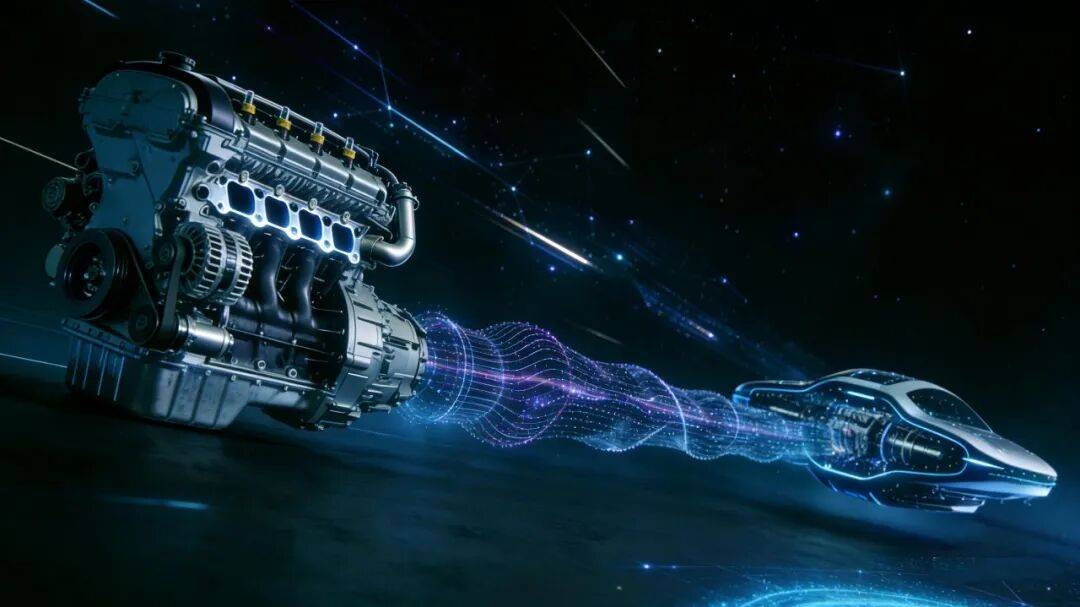
Core Insights - The WNAT-CES2025 New Automotive Technology Cooperation Ecological Exchange Conference and the 10th Lingxuan Award ceremony took place in Suzhou, focusing on the theme of "long-term vs. short-term" in the automotive industry [1][3] Group 1: Event Overview - The event gathered 100 speakers, 42 executives from automotive companies, and 1,000 attendees, including representatives from 12 vehicle groups and 300 supply chain companies [1] - Two main forums were held on "Current Status of New Automotive Technology Cooperation and Supply Chain Development" and "New Dynamics of Main-Zero Relationships in Chinese Automotive Industry," along with eight specialized sub-forums and three unique segments including a new technology exhibition [3] Group 2: Industry Trends and Challenges - The conference addressed the long-term trend of hybrid systems in new energy vehicles and the development of intelligent chassis, emphasizing the need for deep collaboration between main and zero suppliers for high-quality industry development [4] - The introduction of the "60-day account period" policy has become a significant topic for improving main-zero relationships, marking a starting point for discussions at the forum [4] Group 3: Company Strategies and Innovations - Companies like Deep Blue Automotive and Great Wall Motors are adjusting their account periods to 60 days, fostering mutual trust and collaboration within the supply chain [6] - The focus on supply chain resilience and value competition is emphasized as a short-term strategy, while long-term strategies revolve around technological innovation and globalization [7][9] - The "three hand-in-hand" approach proposed by China FAW's Hongqi brand includes innovation collaboration, expanding overseas markets, and risk management [9] Group 4: Future Directions - The automotive industry is predicted to evolve from a "third space" to an "emotional partner," with a focus on full-domain intelligence and multi-domain integration as future directions [9] - Globalization is viewed as essential for the Chinese automotive industry's transition from being large to strong, with plans for significant export capabilities in the upcoming years [9]
短期焦虑、长期乐观,新汽车技术合作生态交流会启幕
Zhong Guo Jing Ji Wang· 2025-12-09 03:29
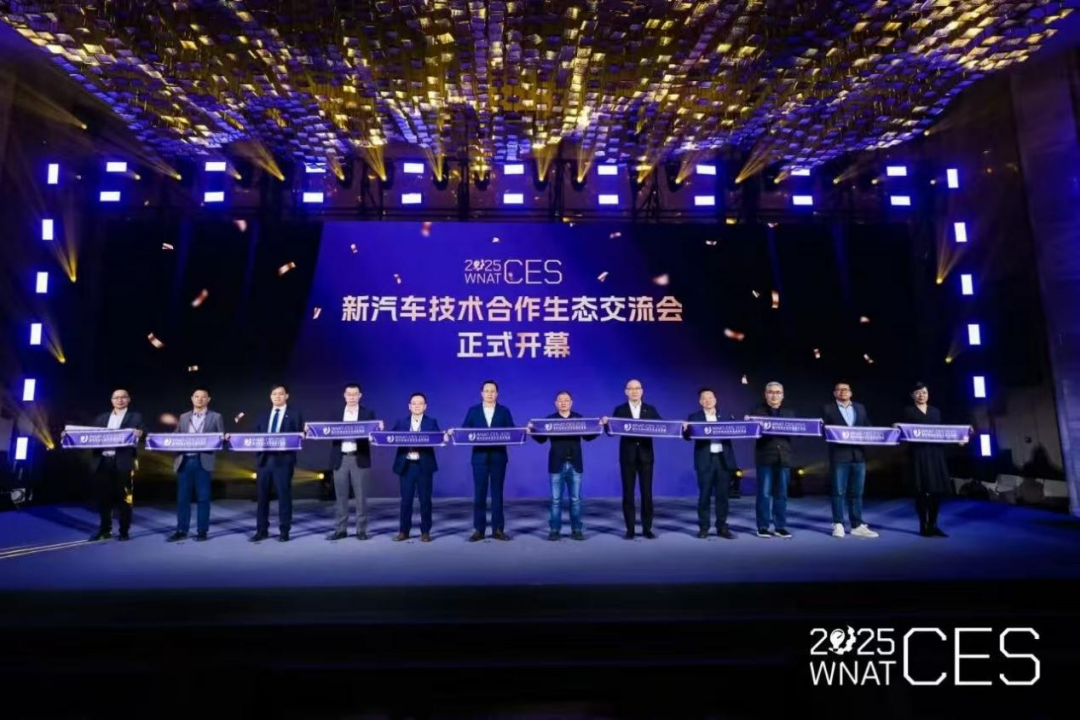
Core Insights - The automotive industry in China is expected to see the emergence of around 10 major automotive giants in the next decade, as stated by Dr. Jia Ke, the chairman of the World New Automotive Ecology Association [1] - The industry is currently in a state of flux, with a shift from cost leadership in electrification to experience leadership in intelligence, presenting significant opportunities for the Chinese automotive sector [5] Group 1: Industry Trends - The conference focused on the long-term and short-term dynamics within the automotive industry, featuring 100 speakers, 42 executives from car companies, and 1,000 attendees, covering 12 vehicle groups and 300 supply chain enterprises [3] - The integration of AI and automotive industries is seen as a key area for innovation, with potential breakthroughs in cockpit experience, safety, and service innovation [7] Group 2: Supply Chain Dynamics - The "60-day account period" policy has been a significant topic of discussion, aimed at improving relationships between manufacturers and suppliers, with companies like Changan adjusting their account periods accordingly [7] - Great Wall Motors emphasizes the importance of viewing suppliers as partners, highlighting a symbiotic relationship where the success of suppliers directly impacts the manufacturers [9] Group 3: Short-term and Long-term Strategies - Companies are focusing on short-term resilience and long-term innovation, with strategies such as collaboration for innovation, expanding overseas markets, and risk management being proposed [11] - Differentiation in electric and intelligent vehicle markets is crucial, with companies encouraged to find unique ecological positions to build irreplaceable advantages [11] Group 4: Globalization and Future Outlook - Globalization is viewed as essential for the Chinese automotive industry's transition from large to strong, with plans for significant export capabilities being outlined [15] - The long-term success of the industry will depend on technological accumulation and ecosystem building, with a call for open collaboration to reshape relationships within the supply chain [15]