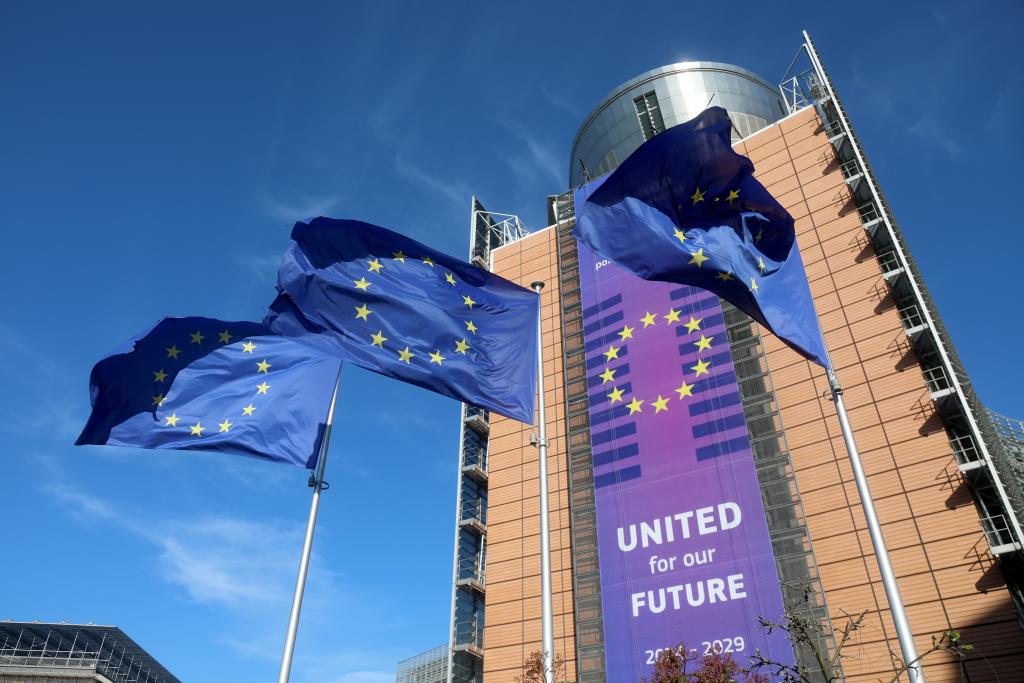
无人机墙

Search documents
默茨放话:欧洲手握最强筹码,正逼俄罗斯重回谈判桌
Sou Hu Cai Jing· 2025-12-03 23:11
Core Viewpoint - Europe is at the center of an unprecedented geopolitical storm, originating from Ukraine but affecting all EU member states and beyond, highlighting the struggle between war, memory, and strategic autonomy [1][2][3] Group 1: Political Consensus and Historical Context - The statement by German Chancellor Friedrich Merz emphasizes that peace cannot be imposed on Ukraine, marking a significant political stance within Europe [2][3] - This reflects a core consensus within the EU since 2022 that Ukraine's fate must be determined by Ukrainians themselves, evolving from emotional support to a formal diplomatic position [5][6] - The historical context of appeasement, particularly the Munich Agreement, serves as a cautionary tale for European leaders, reinforcing the need for Ukraine's involvement in any negotiations regarding its future [6][10] Group 2: Symbolic Actions and Historical Reconciliation - Germany's announcement of a new monument in Berlin to commemorate Polish victims of Nazi oppression is a significant symbolic gesture aimed at reinforcing European unity [7][10] - The return of historical artifacts, including documents related to the Teutonic Knights, serves as a material anchor for political trust between Germany and Poland, emphasizing the importance of historical acknowledgment [11][12][43] - The timing of these actions amidst rising fatigue over support for Ukraine and increasing strategic divisions within Europe indicates a deliberate effort to strengthen moral foundations for unity [9][10][48] Group 3: Military and Defense Dynamics - NATO's recent summit revealed a compromise among member states, with a notable omission of a commitment to Ukraine's eventual membership, reflecting internal divisions on security concerns [19][20] - The EU's defense strategy is evolving, with plans for a "drone wall" along the borders with Ukraine and Russia to counter increasing drone attacks, showcasing a shift towards technological solutions for military shortcomings [30][35] - The EU's defense investment of €150 billion over five years, while substantial, translates to an average annual investment of less than €30 billion per member state, highlighting the symbolic nature of these commitments compared to the U.S. defense budget [56][57] Group 4: Strategic Autonomy and Future Challenges - The EU is accelerating its "strategic autonomy" process, aiming to establish independent defense capabilities by 2030, reducing reliance on U.S. military support [35][36] - However, differing national security priorities among member states complicate the implementation of a cohesive defense strategy, revealing the challenges of sovereignty in defense matters [39][83] - The ongoing geopolitical tensions and the need for a unified European voice in support of Ukraine underscore the delicate balance between moral imperatives and practical military capabilities [45][60] Group 5: Future Outlook and Political Dynamics - The joint declaration by Germany and Poland aims to solidify core positions ahead of critical upcoming events, reflecting a strategic response to increasing uncertainties in transatlantic relations [58][90] - The ambiguity surrounding peace negotiations and the lack of a widely accepted framework highlight Europe's struggle to present a unified strategic vision [42][61] - The upcoming return of historical artifacts and the establishment of memorials are seen as steps towards acknowledging past responsibilities while navigating current geopolitical complexities [43][96]

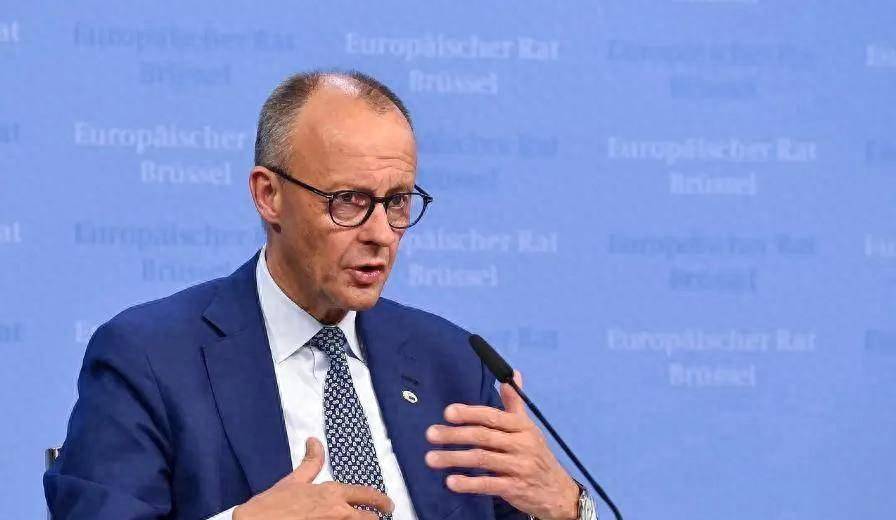
北约秘书长:北约和欧盟正协同打造“无人机墙”
Xin Hua Wang· 2025-10-16 07:10
Core Viewpoint - NATO and the EU are collaborating to create a "drone wall" to protect member states' airspace from drone incursions and to maintain European security [1] Group 1: NATO and EU Collaboration - NATO is responsible for providing military capabilities, while the EU will leverage its market soft power and ensure funding for the "drone wall" project [1] - NATO plans to implement more anti-drone measures to enhance defense capabilities [1] Group 2: EU's Defense System Plans - The EU aims to establish a fully functional anti-drone defense system by the end of 2027 [1] Group 3: National Contributions - Germany announced the deployment of "European fighters" at the Malbork Air Base in Poland to assist in the defense of NATO's eastern flank and will invest €10 billion in drone technology research [1] - Several European countries, including Germany, Denmark, Norway, and Poland, have reported unidentified drones in their airspace, prompting the agreement to develop a "drone wall" with reconnaissance, tracking, and interception capabilities [1]
围绕“无人机墙”欧盟各国分歧显著 暴露欧洲安全焦虑
Yang Shi Xin Wen· 2025-10-04 06:18
Core Points - The proposal to establish a "drone wall" in the EU has become a focal point of discussion among EU leaders, with significant divisions emerging among member states regarding its implementation [1] - The "drone wall" is envisioned as a networked and layered defense system, initially proposed by European Commission President Ursula von der Leyen during her "State of the Union" address on September 10 [1] - There is a growing political and defense strategy debate surrounding the "drone wall," with calls for member states to maintain control over large defense projects rather than the EU as a whole [1] Group 1 - The "drone wall" project is designed to allocate two-thirds of its funding to Eastern European countries, which has led to dissatisfaction among Western and Southern European nations [2] - Eastern European countries have expressed long-standing grievances towards the dominance of France and Germany in defense matters, often preferring to rely on the United States for security [2] - Leaders from Southern European countries emphasize the need for any joint defense project to consider the security of the entire EU, not just the Eastern borders [1][2]
又一欧洲机场突发!全面暂停运营,近3000名乘客受影响
证券时报· 2025-10-03 04:25
Core Points - Munich Airport temporarily closed due to multiple drone sightings, affecting 17 flights and nearly 3,000 passengers [2][3] - The airport had a passenger volume of nearly 20 million in the first half of the year [3] - Recent drone incidents have led to closures at several European airports, highlighting a growing concern over airspace security [4][5][6][7] Group 1: Incident Details - Munich Airport's operations were restricted starting from October 2 at 22:18 local time due to drone sightings [2] - 15 arriving flights were diverted to nearby airports, and some flights were still waiting to take off [3] - Similar incidents occurred at Copenhagen Airport and Oslo Airport in late September, with closures lasting several hours [4][5] Group 2: Response and Measures - The European Commission is advancing the construction of a "drone wall" to enhance security against drone threats, collaborating closely with NATO [8] - The initiative aims to quickly detect and intercept suspicious drones, drawing on experiences from Ukraine [8][9] - Russian officials have denied allegations related to drone incidents and warned that the "drone wall" plan could escalate regional tensions [10]

欧洲头条丨一堵“看不见的墙”为何让欧盟吵成一团?
Yang Shi Xin Wen· 2025-10-03 02:56
Core Viewpoint - The EU leaders' summit in Copenhagen on October 1 focused on defense issues, particularly the controversial proposal for a "drone wall" to enhance European defense against threats, especially in light of the ongoing Russia-Ukraine conflict [1][2]. Group 1: Proposal and Discussions - The meeting, originally scheduled for two hours, extended to four hours due to intense discussions, particularly regarding the "drone wall" project, highlighting internal disagreements among EU member states [2]. - The proposal for the "drone wall" aims to create a networked defense system capable of detecting, tracking, and intercepting drones using various technologies [9][12]. - EU defense officials consider the "drone wall" a priority, responding to perceived threats from Russia, as recent drone incidents in Northern and Eastern Europe have raised alarms [5][19]. Group 2: Internal Disagreements - Significant opposition emerged from Germany and France, with leaders expressing concerns that such defense projects should be controlled by member states rather than the EU [13][16]. - The proposal has sparked debate over budget allocation, with Eastern European countries expected to receive a majority of the funding, causing dissatisfaction among Western and Southern European nations [18]. - The complexity of the "drone wall" project has been emphasized, with calls for a more comprehensive defense strategy that includes both short-range and long-range systems [16][18]. Group 3: Political Context and Implications - The backdrop of increasing drone incidents in Europe, including accusations of airspace violations, has intensified the urgency for a defensive response [19][20]. - Observers suggest that the push for the "drone wall" may be more of a political gesture rather than a practical solution to security concerns, reflecting deeper divisions within the EU regarding defense strategies [24]. - The project raises questions about the EU's strategic autonomy and its ability to effectively address security threats, with skepticism about the actual security benefits it may provide [24].
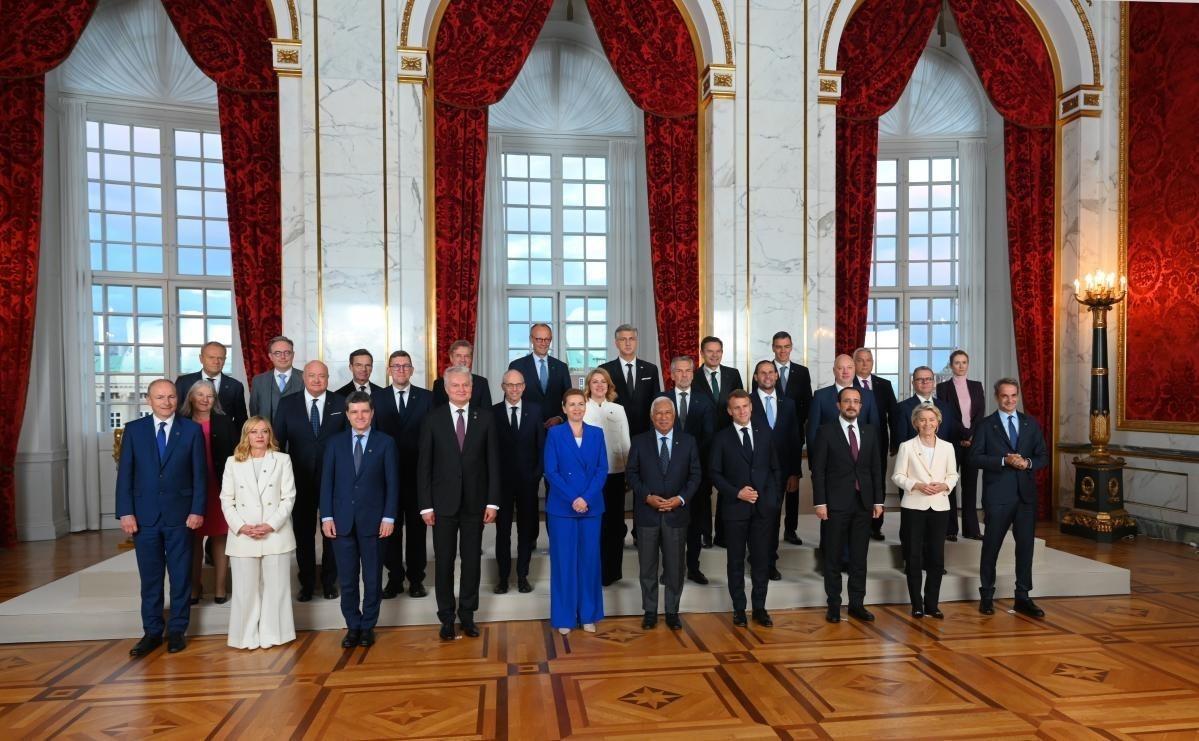
欧盟称“无人机墙”项目获成员国广泛支持
Zhong Guo Xin Wen Wang· 2025-10-02 13:45
Core Points - EU member states' leaders expressed broad support for key defense flagship projects, including the "drone wall" initiative, during an informal meeting in Copenhagen on October 1 [1] - The "drone wall" aims to quickly detect, intercept, and, if necessary, shoot down incoming drones, addressing threats along the EU's eastern border [1] - The EU plans to collaborate closely with Ukraine and NATO to advance the "drone wall" project, particularly in light of recent drone incursions into the airspace of Poland, Denmark, and Norway [1] Summary by Sections Defense Initiatives - EU leaders agreed to prioritize defense areas such as air defense, artillery, drones, anti-drone systems, military mobility, and cyber defense [1] - The meeting marked a significant step towards achieving the EU's "common defense readiness" by 2030 [1] Collaboration and Security Concerns - The EU will work with Ukraine and NATO to implement the "drone wall" project, which is crucial for countering threats at the EU's eastern borders [1] - Recent drone incursions since September have heightened concerns regarding the security of the EU's eastern border [1] Upcoming Meetings - Following the informal meeting, a summit is scheduled for October 23-24, where EU leaders will make decisions regarding related defense issues [2]
国际观察|建“无人机墙” 北约与俄正面交锋?
Xin Hua Wang· 2025-09-29 00:30
Core Points - The European Union and NATO have agreed to construct a "drone wall" along the borders with Ukraine and Russia in response to increasing drone incursions [1][2] - NATO plans to enhance its military presence in the Baltic region as part of this initiative [1][2] - Russia has strongly condemned these actions, warning that Europe is closer than ever to a potential third world war and pledging to respond decisively to any perceived aggression [1][6] Group 1: Drone Wall Initiative - The "drone wall" will feature advanced reconnaissance, tracking, and interception capabilities, forming part of the EU's eastern monitoring mechanism [4] - The concept of the "drone wall" was initially proposed in 2024 but gained traction following a significant drone incursion in Poland [4] - Analysts have pointed out that the current European air defense systems are costly and inefficient against the low-cost, high-mobility drone warfare being seen in the Russia-Ukraine conflict [4] Group 2: Regional Tensions and Responses - Russia has denied accusations of planning attacks on NATO and EU countries, asserting that the drone incidents are being used by the EU and NATO to justify increased military spending and pressure on Russia [6][9] - Russian officials have warned that the "drone wall" will escalate military and political tensions in the region, potentially leading to direct confrontations [9][11] - The situation is further complicated by recent shifts in U.S. policy, particularly statements from former President Trump that have raised concerns about the future of U.S. involvement in the conflict [11][12]
建“无人机墙” 北约与俄正面交锋?
Xin Hua She· 2025-09-28 11:21
Core Viewpoint - The European Union and NATO have agreed to establish a "drone wall" along the borders with Ukraine and Russia, amid rising tensions and military presence in the Baltic region, with Russia warning of severe responses to perceived aggression [1][2][4]. Group 1: Drone Wall Initiative - The EU's defense officials, including those from Poland, Denmark, Bulgaria, and Lithuania, have agreed to create a "drone wall" equipped with advanced reconnaissance, tracking, and interception capabilities [2][3]. - The concept of the "drone wall" was initially proposed in 2024 but gained traction following a significant drone incursion in Poland [2]. - Experts express skepticism about the effectiveness of the "drone wall," suggesting that strategic coordination among European and NATO forces is more critical at this stage [3]. Group 2: Russian Response - Russia has denied allegations of drone incursions and warned that the "drone wall" plan will escalate regional tensions, asserting that it has no intention of attacking NATO or EU countries [4][5]. - Russian officials claim that the drone incidents are being used by the EU and NATO to justify increased military spending and to create a narrative of a Russian threat [4][5]. Group 3: U.S. Involvement and Implications - Recent shifts in U.S. policy, particularly statements from former President Trump, have raised concerns about the potential for increased conflict and miscalculations in the region [6][7]. - Analysts suggest that the U.S. may be attempting to shift the burden of the conflict onto European allies, which could lead to heightened security pressures on NATO countries [6].
无人机事件搅动欧洲 欧盟欲打造“无人机墙”
Xin Hua Wang· 2025-09-27 13:12
Group 1 - The European Union (EU) is prioritizing the construction of a "drone wall" along the borders with Ukraine and Russia, following recent drone incidents in Poland and Denmark [2][3] - The "drone wall" is expected to have advanced reconnaissance, tracking, and interception capabilities, with an estimated cost of several billion euros [2][3] - The initiative was discussed in a video conference involving defense ministers from several EU countries, including Poland, Denmark, and Bulgaria, as well as representatives from Ukraine and NATO [2][3] Group 2 - Recent drone incursions into Polish airspace have been attributed to Russia by Polish and NATO officials, which Russia has denied [3] - Tensions have escalated between Ukraine and Hungary, with Ukraine accusing Hungary of deploying reconnaissance drones over its territory, which Hungary has dismissed as baseless [4][6] - The ongoing drone incidents have further strained diplomatic relations between Ukraine and Hungary, with both sides exchanging accusations and imposing travel bans on military officials [4][6]