
智能快递柜

Search documents
新北洋:2025年全年归属于上市公司股东的净利润同比预增44.00%—65.00%
2 1 Shi Ji Jing Ji Bao Dao· 2026-01-26 10:23
Core Viewpoint - The company expects a significant increase in net profit for 2025, driven by growth in multiple business segments and improved operational management [1] Financial Projections - The company forecasts a net profit attributable to shareholders of 70 million to 80 million yuan for 2025, representing a year-on-year increase of 44% to 65% [1] - The projected net profit after deducting non-recurring gains and losses is estimated to be 63 million to 73 million yuan, with a year-on-year growth of 137% to 175% [1] - Expected operating revenue for 2025 is 2.78 billion yuan, reflecting a year-on-year growth of approximately 17% [1] Business Segment Performance - Revenue growth is notable across several business segments: - Intelligent logistics equipment shows significant revenue growth, with a strengthened market share in core products like single-piece separation equipment and linear sorting machines, highlighted by successful large-scale projects with China Post [1] - Revenue from specialized printing and scanning products is rapidly increasing, with deepening cooperation in overseas markets and expanding sales scale [1] - Intelligent self-service terminal products continue to grow, with successful bids for major domestic brands and increasing production and sales of refrigerated display cabinets and smart express cabinets in overseas markets [1] Market Strategy - The company maintains a strong "going global" momentum, with a relatively high proportion of revenue from overseas markets while accelerating cooperation with major domestic clients and key projects [1] - The sales scale of intelligent self-service terminals and logistics sorting automation equipment is continuously increasing [1] Operational Management - The company is focused on enhancing operational quality, adhering to the strategic direction of "unmanned and minimal manpower" [1] - The annual operational guidelines emphasize expanding the market, strengthening innovation, ensuring quality, and refining management to improve operational efficiency [1] - The orderly advancement of the "one body, two wings, eight major businesses" strategy is accelerating the achievement of quality growth targets set by the company [1]

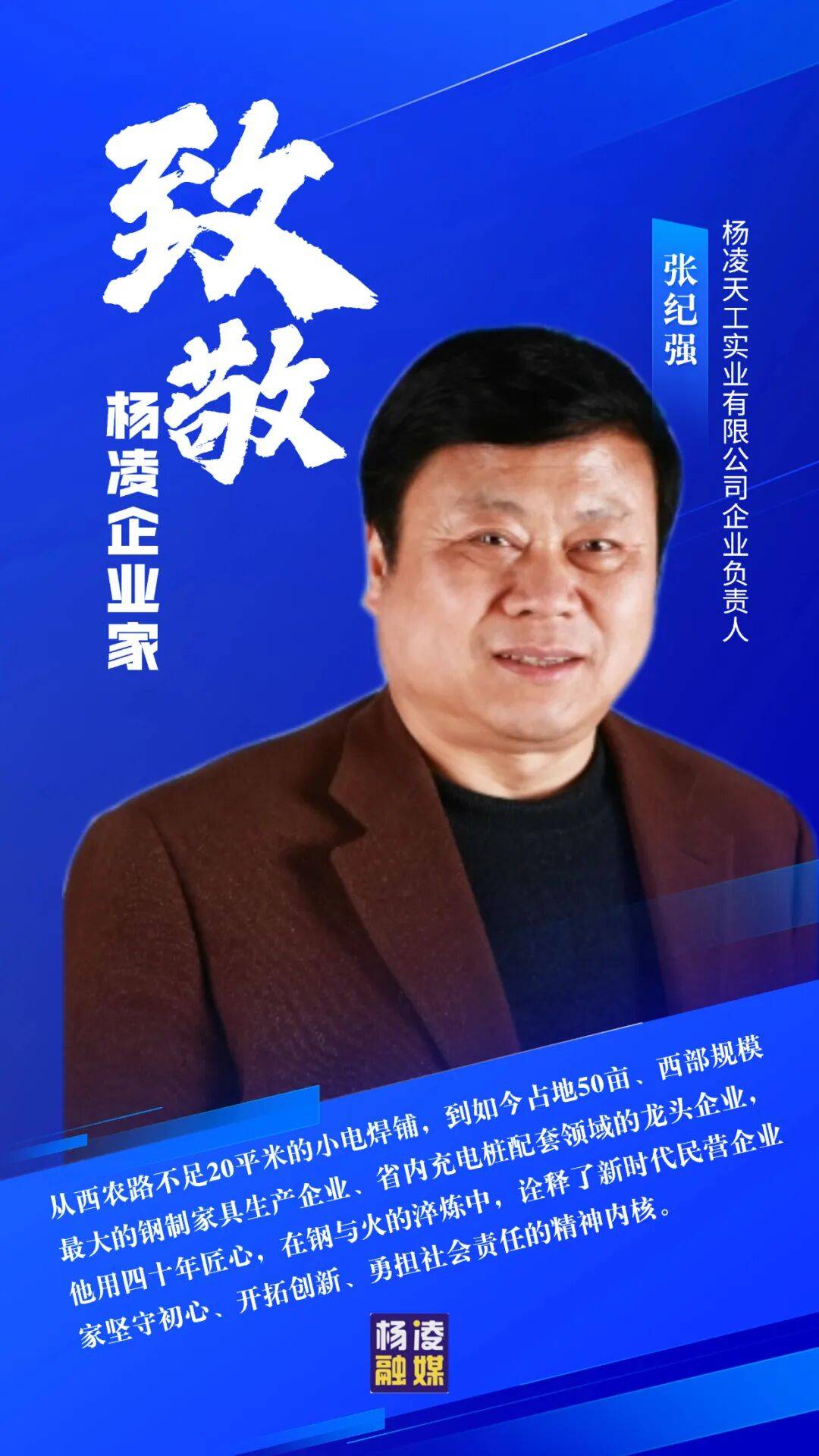
致敬杨凌企业家 | 张纪强:一片匠心铸“天工”
Sou Hu Cai Jing· 2025-12-24 09:57
Core Viewpoint - The article highlights the entrepreneurial journey of Zhang Jiqiang, the founder of Yangling Tiangong Industrial Co., Ltd., showcasing his dedication, innovation, and social responsibility in building a leading enterprise in the steel furniture and charging station sectors in Yangling. Company Development - Yangling Tiangong Industrial Co., Ltd. has evolved from a small welding shop of 20 square meters to the largest steel furniture manufacturer in Western China, occupying 50 acres and becoming a leader in the charging station accessory field in the province [5][11]. - The company was founded in 1985 with an initial capital of over 3,000 yuan, and it has grown significantly over the years, achieving annual sales exceeding 50 million yuan by the year 2000 [6][11]. Innovation and Product Development - The company has continuously invested in technology, introducing advanced equipment such as CNC shearing machines and laser cutting machines, and has expanded its product range to include laboratory furniture and smart medical beds [11][12]. - In 2022, the company was recognized as a national high-tech enterprise, and in 2023, it focused on the burgeoning new energy industry by optimizing production processes for charging station metal shells [16][18]. Financial Performance - The charging station metal processing business now accounts for two-thirds of the company's revenue, positioning it as a core growth engine [18]. - The company anticipates a 20% revenue growth by 2025, continuing its trajectory of success [18]. Social Responsibility - The company has contributed over 100 million yuan in taxes and has provided significant employment opportunities, with a peak workforce of over 300 employees [18]. - During the pandemic, the company maintained its workforce without layoffs or salary cuts, demonstrating a commitment to employee welfare [15]. Leadership and Vision - Zhang Jiqiang, now nearing seventy, remains actively involved in the company, emphasizing the importance of aligning with national industrial policies and enhancing competitiveness [19]. - His journey reflects the spirit of perseverance, integrity, and social responsibility, serving as an inspiration for future entrepreneurs [19].

【中国经济新看点】全社会物流成本有效降低
Jing Ji Ri Bao· 2025-11-29 11:46
Core Insights - The logistics sector is crucial for the real economy, with a total logistics cost of 14.2 trillion yuan in the first three quarters, representing 14% of GDP, marking the lowest level since records began [1][2][3] Group 1: Logistics Cost Reduction - The "linkage unloading" model implemented in the Yangtze River Delta has significantly reduced logistics costs, saving approximately 200 yuan for imports and 400 yuan for exports per container [2] - The ratio of social logistics costs to GDP has decreased from 18% in 2012 to 14% in 2024, with a current rate of 14% as of Q3 this year [2][3] - The reduction in logistics costs is attributed to the optimization and innovation within the logistics industry and its integration with supply chains [3] Group 2: Infrastructure and Technological Advancements - The logistics sector has seen significant improvements in service quality and efficiency, with the establishment of 181 national logistics hubs and 105 cold chain logistics bases [4] - The digitalization and automation of logistics operations have led to a high delivery success rate, with over 85% in key regions within 72 hours [4] - The application of advanced technologies such as big data, cloud computing, and AI in logistics is enhancing productivity and reducing costs [5][6] Group 3: Policy and Structural Reforms - The "Action Plan" aims to reduce the logistics cost-to-GDP ratio to around 13.5% by 2027, focusing on transportation, warehousing, and management costs [7][8] - The current composition of logistics costs includes approximately 57% for transportation, 31.6% for warehousing, and 11.4% for management [7] - Structural reforms are essential for reducing logistics costs, emphasizing the need for improved integration across different transport modes and logistics sectors [8]
快递进村:打通“最后一公里” 撬动乡村大市场
Zheng Quan Ri Bao· 2025-11-03 15:45
Core Insights - The "Express Delivery into Villages" initiative is significantly enhancing logistics in remote areas, integrating them into the national market and supporting rural revitalization [1][4][12] Logistics Network Development - The coverage rate of express delivery services in villages has reached 95.22%, indicating substantial progress in rural logistics [1][3] - In Gansu Province, the establishment of a comprehensive service station has led to an average of over 1,800 packages being processed daily [2] Policy and Support - The "Express Delivery into Villages" initiative has been supported by government policies since 2014, with a focus on optimizing resource allocation and enhancing service quality [2][3] - The strategic focus for 2023 includes improving service quality and optimizing logistics station layouts [3] Market Dynamics - The rural market is transitioning from a "potential zone" to a "main battlefield," with express delivery volume expected to reach 1,282 billion packages by mid-2025, a 17.8% increase year-on-year [4][11] - The integration of e-commerce and local products is crucial for unlocking rural market potential [10] Technological Innovations - Digital technologies are pivotal in solving the "last mile" delivery challenges, with innovations like smart delivery vehicles and centralized storage systems improving efficiency [6][7] - The introduction of unmanned delivery vehicles has reduced delivery costs by approximately 20% and improved delivery times by 2 hours [6][7] Challenges and Solutions - Despite advancements, challenges such as complex terrain and high operational costs persist, necessitating further investment in infrastructure and technology [7][8] - Addressing information silos and standardizing data formats is essential for enhancing logistics efficiency [8] Future Outlook - The rural logistics market is projected to reach 1,626 billion yuan in 2024, with a significant increase in cold chain logistics from 18% to 32% by 2025 [11] - Continued investment in logistics infrastructure is expected to drive robust growth in rural logistics, supporting economic development [11][12]
国家发展改革委:前三季度我国社会物流总费用占GDP14.0% 同比下降0.1个百分点
Xin Hua Cai Jing· 2025-10-31 04:34
Core Insights - China's logistics service supply, facilities, and business models are transforming towards cost reduction and efficiency improvement [1] - In the first three quarters of this year, China's total social logistics costs reached 14.2 trillion yuan, with a GDP ratio of 14.0%, a decrease of 0.1 percentage points compared to the same period last year, maintaining the lowest level since statistics began [1] Group 1 - The optimization of major logistics infrastructure networks continues, with 181 national logistics hubs and 105 national backbone cold chain logistics bases accelerating interconnectivity [1] - The digital and intelligent level of the logistics sector has significantly improved, with China leading the world in the number of automated container terminals and automated dry bulk terminals, and overall technology level ranking among the top globally [1] - The development of multimodal transport is accelerating, with a nearly 17% year-on-year increase in container volume for rail-water intermodal transport in the first three quarters, as reported by the China National Railway Group [1] Group 2 - Logistics companies are widely adopting unmanned delivery vehicles, automated sorting equipment, and smart express cabinets, innovating and promoting the "express+" service model to build a diversified end-service system [1] - According to the State Post Bureau, the on-time delivery rate within 72 hours in key areas exceeds 85%, allowing more remote communities to enjoy the conveniences of modern life through express delivery [1]
快递数智:重塑时代脉搏的双重引擎
Sou Hu Cai Jing· 2025-10-23 03:56
Group 1 - The development of China's express delivery industry is a modern economic miracle, evolving from letter delivery to a nationwide package network, achieving over 100 billion packages delivered, reflecting consumer trust and service capability [1] - The integration of technology is transforming the express delivery operations, with automated sorting systems, smart route planning, electronic waybills, and the use of drones and unmanned vehicles, enhancing operational efficiency and user experience [1] - The express delivery industry is transitioning from a labor-intensive sector to a technology-driven modern industry [1] Group 2 - The deep integration of express delivery and the internet has led to the emergence of new retail and cross-border e-commerce, enabling global buying and selling, enhancing market supply, and improving consumer experience [3] - Express delivery and the internet are significant symbols of the new era, driving social development and technological progress, with expectations for continued innovation and expanded application scenarios [3] - The express delivery industry is embracing opportunities and challenges in a rapidly changing environment, contributing to societal prosperity and progress [3] Group 3 - In response to industry changes, express delivery platforms are leveraging the internet for transformation, utilizing offline foundations and online channels, including mini-programs for shopping, public accounts for promotion, and community marketing for precise targeting [5]

快递小哥逆袭成富豪,突然辞职了?
Sou Hu Cai Jing· 2025-10-20 00:54
Core Viewpoint - The resignation of Xu Yubin, founder and CEO of Fengchao, marks a significant turning point for the company, which has faced challenges in its IPO process and overall business performance [1][10][15]. Company Background - Xu Yubin, born in 1981 in Guangdong, started as a courier for SF Express and rose through the ranks due to his exceptional performance [4][5]. - He identified inefficiencies in last-mile delivery and was inspired by international practices, leading to the establishment of Fengchao in 2015 to optimize delivery services through smart lockers [7][8]. Recent Developments - Xu Yubin and CFO Zhou Xiangdong exited the board in April, with Li Qiuyu from SF Express becoming a new director [3]. - Fengchao has expanded its smart locker network to 330,000 units, covering over 209,000 communities, and has diversified into services like laundry and home services [12]. IPO Challenges - Fengchao's IPO process has faced setbacks, with its prospectus becoming invalid due to failure to pass hearings within six months [11]. - The company has been valued at up to 25 billion RMB but struggles with a business model that lacks perceived growth potential, making it less attractive to investors [8][20][23]. Strategic Implications - The leadership change may signal a shift in strategy for Fengchao, potentially moving away from reliance solely on smart lockers [15][16]. - There is speculation that SF Express may integrate Fengchao's resources into its operations, exploring new service offerings such as local deliveries [19][20][23].

丰巢还没上市,创始人先离场了
Sou Hu Cai Jing· 2025-10-16 12:23
Core Viewpoint - The resignation of Xu Yubin, the founder and CEO of Fengchao, due to health reasons raises concerns about the company's future, especially as it approaches its IPO in Hong Kong [2][4]. Company Overview - Fengchao was founded in 2015, focusing on providing smart delivery solutions through intelligent lockers, addressing the time mismatch between delivery and user pickup [4]. - Xu Yubin, with a 2.21% stake, is a key figure in Fengchao's development, although he is not the majority shareholder [4][6]. - Wang Wei, the chairman and CEO of SF Express, holds approximately 36.54% of the shares, providing some stability to Fengchao despite Xu's departure [6]. Financial Performance - Fengchao's revenue from 2021 to 2024 shows a gradual increase, with figures of 25.26 billion, 28.91 billion, 38.12 billion, and 19.04 billion respectively, while it reported net losses of 20.71 billion, 11.66 billion, and 5.41 billion over the same period [11]. - The company only turned profitable in the first five months of 2024, with a net profit of 71.6 million [11]. Business Model and Revenue Streams - Fengchao charges a storage fee for packages left in lockers beyond 12 hours, generating significant revenue. The fees collected from 2021 to 2024 amounted to approximately 808 million [10]. - The company has diversified its services, including interactive media and laundry services, contributing about 25% of its revenue, while last-mile delivery remains the primary source, accounting for around 50% [13]. IPO and Market Challenges - Fengchao submitted its IPO application to the Hong Kong Stock Exchange on August 30, 2024, aiming to become the first publicly listed smart locker company [6]. - The IPO process has faced challenges, including inquiries from the regulatory body regarding its business practices and the controversial storage fees [6][10].
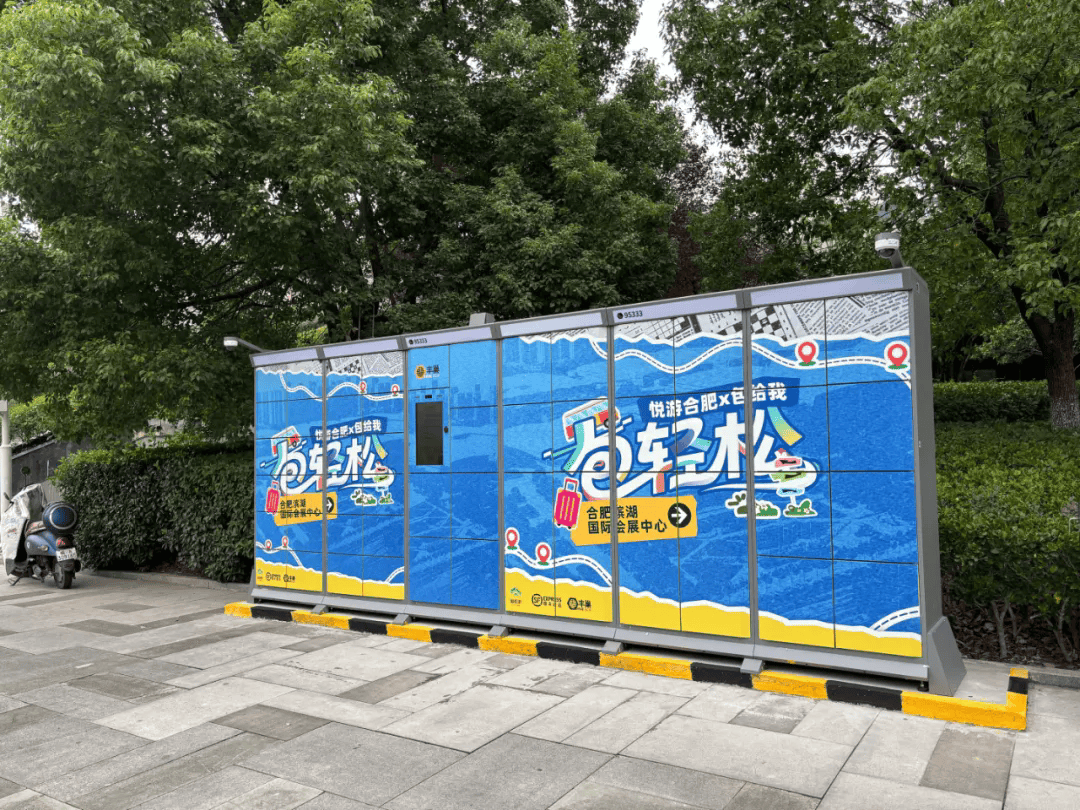
丰巢创始人兼CEO被曝辞职,赴港上市难产
Xin Lang Cai Jing· 2025-10-16 08:06
Core Insights - Xu Yubin, the founder and CEO of Fengchao, has officially resigned due to health reasons after serving since April 2015 [1] - Fengchao was established in 2015 to optimize last-mile delivery services through smart express cabinets, with significant backing from major logistics companies and investors [2] - The company faced challenges in its Hong Kong IPO process, with its prospectus becoming invalid due to failure to meet regulatory requirements [2] Company Overview - Xu Yubin has a rich background in logistics, having worked his way up from a courier at SF Express to various key operational roles before founding Fengchao [1] - Fengchao's valuation reached as high as 25 billion RMB, and it has attracted investments from top institutions like China Post and Sequoia China [2] - As of May 2024, Fengchao operates 330,000 smart express cabinets, covering over 209,000 communities, and is expanding into additional services like home services and laundry [2] Financial Performance - Fengchao's revenue from 2021 to 2023 was reported as 2.526 billion, 2.891 billion, and 3.812 billion RMB, respectively, with net losses of 2.071 billion, 1.166 billion, and 541 million RMB during the same period [2] - The company turned a profit in the first five months of 2024, reporting a net profit of 71.6 million RMB [2] - In 2023, the revenue from value-added services, including laundry and storage, amounted to 960 million RMB, accounting for a quarter of Fengchao's total revenue [3]
山东新北洋信息技术股份有限公司 2025年前三季度业绩预增公告
Zhong Guo Zheng Quan Bao - Zhong Zheng Wang· 2025-10-15 15:50
Core Viewpoint - The company anticipates a positive net profit for the period from January 1, 2025, to September 30, 2025, indicating a trend of growth in its financial performance [1]. Financial Performance Forecast - The performance forecast period is set from January 1, 2025, to September 30, 2025 [1]. - The company expects a positive net profit, which is projected to show an upward trend [1]. Communication with Auditors - The financial data related to this performance forecast has not been pre-audited by the accounting firm [1]. Reasons for Performance Changes - The company continues to experience rapid growth in operating revenue and net profit attributable to shareholders for the first three quarters of 2025 [1]. - Sales of intelligent logistics equipment related to automated sorting are continuing to increase significantly [1]. - Sales of smart self-service terminal products, including smart express cabinets and smart vending machines, are expanding in both scale and region [1]. - The growth in the number of points in the new retail comprehensive operation business is driving steady growth in product sales and innovative value-added services [1]. - The management team and all employees are committed to the annual operational guidelines of "expanding the market, strengthening innovation, ensuring quality, and refining management" [1]. - The company remains steadfast in its strategic direction of "one body, two wings, and eight major businesses," continuously building the "three strategic growth curves" to support future development and achieve quality growth [1].