
自动分拣设备

Search documents
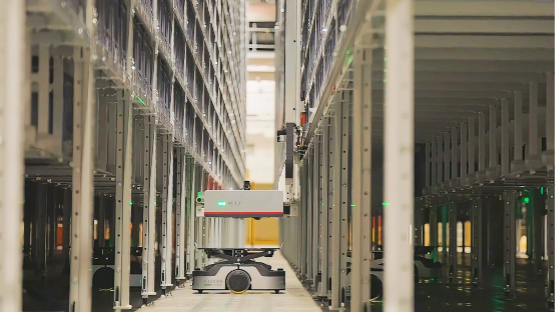
自动分拣设备一小时可分拣10万大件
Bei Jing Wan Bao· 2026-02-14 06:10
Core Insights - The article highlights the efficiency and automation in the logistics operations of SF Express, particularly during the peak season for holiday deliveries [1][2] Group 1: Automation and Efficiency - The Shunhang Intelligent Transfer Center, operational since 2022, spans 80,000 square meters and utilizes automated sorting equipment to enhance efficiency [1] - The center's small parcel sorting equipment can process 40,000 packages per hour per unit, with two units operating simultaneously reaching 80,000 packages, while large parcel sorting can handle up to 100,000 packages per hour across 12 main lines [2] - The average time for packages to be sorted and dispatched from the transfer center is just one hour, significantly improving transfer efficiency [2] Group 2: Operational Preparedness - The transfer center operates on a 24-hour basis with a five-shift rotation system to ensure continuous package flow during peak demand [2] - Real-time data synchronization allows for precise forecasting of package volume changes, enabling the center to optimize vehicle allocation and personnel deployment accordingly [2]

【中国经济新看点】全社会物流成本有效降低
Jing Ji Ri Bao· 2025-11-29 11:46
Core Insights - The logistics sector is crucial for the real economy, with a total logistics cost of 14.2 trillion yuan in the first three quarters, representing 14% of GDP, marking the lowest level since records began [1][2][3] Group 1: Logistics Cost Reduction - The "linkage unloading" model implemented in the Yangtze River Delta has significantly reduced logistics costs, saving approximately 200 yuan for imports and 400 yuan for exports per container [2] - The ratio of social logistics costs to GDP has decreased from 18% in 2012 to 14% in 2024, with a current rate of 14% as of Q3 this year [2][3] - The reduction in logistics costs is attributed to the optimization and innovation within the logistics industry and its integration with supply chains [3] Group 2: Infrastructure and Technological Advancements - The logistics sector has seen significant improvements in service quality and efficiency, with the establishment of 181 national logistics hubs and 105 cold chain logistics bases [4] - The digitalization and automation of logistics operations have led to a high delivery success rate, with over 85% in key regions within 72 hours [4] - The application of advanced technologies such as big data, cloud computing, and AI in logistics is enhancing productivity and reducing costs [5][6] Group 3: Policy and Structural Reforms - The "Action Plan" aims to reduce the logistics cost-to-GDP ratio to around 13.5% by 2027, focusing on transportation, warehousing, and management costs [7][8] - The current composition of logistics costs includes approximately 57% for transportation, 31.6% for warehousing, and 11.4% for management [7] - Structural reforms are essential for reducing logistics costs, emphasizing the need for improved integration across different transport modes and logistics sectors [8]
技术加码 理念升级——透视“双十一”快递业务发展新变化
Xin Hua She· 2025-11-12 14:25
Core Viewpoint - The express delivery industry in China is experiencing significant growth and transformation during the "Double Eleven" shopping festival, driven by technological advancements, green initiatives, and operational upgrades [1][3][5]. Group 1: Technological Advancements - The application of smart sorting, AI routing systems, and autonomous vehicles is reshaping China's logistics framework, with companies like Yunda and JD Logistics implementing advanced technologies to enhance efficiency [1][3]. - JD Logistics reported a 50% year-on-year increase in inbound goods during "Double Eleven," with inventory turnover days reduced to 30.9 days, and over 95% of self-operated orders fulfilled within 24 hours [3][5]. - Yunda's hub center utilized automated sorting and AI routing optimization, resulting in a 25% improvement in average transport efficiency and a 30% increase in vehicle turnover rate during the festival [1][3]. Group 2: Green Initiatives - The express delivery sector is increasingly adopting green and low-carbon practices, such as solar energy utilization and electric vehicle deliveries, to reduce environmental impact [5][6]. - Yunda's hub center installed over 20,000 square meters of solar panels to support its operations, while JD Logistics' carbon management platform has helped reduce over 464 tons of carbon emissions [5][6]. - Companies are also implementing packaging recycling initiatives, with Yunda reporting a 50% increase in packaging recycling during "Double Eleven" compared to regular periods [5][6]. Group 3: Industry Transformation - The rapid development of logistics and express delivery services has created a high-speed freight network, with significant upgrades in technology and operational concepts leading to high-quality growth in the industry [6]. - The integration of AI and algorithm optimization is enhancing logistics efficiency and management, providing new value across the industry [5][6]. - Experts highlight that the express delivery industry's evolution is closely linked to the rapid growth of e-commerce, necessitating continuous innovation and improvement [6].

今年“双11”,快递员收入明显增长
Di Yi Cai Jing· 2025-11-10 14:58
Core Insights - The logistics industry is experiencing a new trend during this year's "Double 11" shopping festival, with an increase in the use of unmanned delivery vehicles leading to improved overall efficiency and stable operations despite a rise in order volume [2][3][4] Group 1: Operational Adjustments - The "Double 11" period has been extended, resulting in an earlier peak in order volume, with significant increases noted in various regions [3] - Middle and last-mile delivery operations have been adjusted, with some logistics centers starting work earlier and increasing delivery frequency during peak times [4] - The overall operation during "Double 11" is reported to be the most stable in years, indicating a shift from quantity-focused to quality-focused logistics [4][11] Group 2: Automation and Technology - The deployment of unmanned delivery vehicles has accelerated, with significant investments in automation and technology to enhance operational efficiency [5][7] - Unmanned vehicles are now responsible for approximately 55% of the branch transportation volume during "Double 11," significantly reducing costs and improving delivery times [7] - The number of unmanned vehicles in operation has increased dramatically, with over 2,000 units deployed across more than 200 cities [8] Group 3: Financial Implications for Couriers - There has been a noticeable increase in courier incomes during "Double 11," attributed to recent price hikes in delivery services [9][10] - Couriers are reporting income increases of over 20%, with daily delivery volumes rising significantly [10][11] - The shift towards a more stable operational model is seen as beneficial for both courier income and overall service quality [11]


史上最长“双11”有三波物流高峰,快递员收入涨了吗
Di Yi Cai Jing· 2025-11-10 13:21
Core Insights - This year's "Double 11" shopping festival is characterized by a longer duration and a more stable operation in the express delivery industry, attributed to the increased use of automated and unmanned delivery vehicles [2][3][8] - The overall order volume is expected to exceed last year's levels, with significant growth in specific regions such as Guangzhou, Tianjin, and Wuhan [2][4] Group 1: Operational Adjustments - Delivery points have adjusted their work schedules, with some starting as early as 5 AM to accommodate peak delivery times [3] - The introduction of unmanned delivery vehicles has significantly improved operational efficiency, with vehicles capable of carrying 600 packages and delivering 8,000 to 10,000 items daily [4][5] - The use of automated sorting equipment and increased delivery lockers has enhanced the efficiency of last-mile delivery [5] Group 2: Order Volume and Trends - The first peak of orders occurred earlier than usual, with a notable increase in order volume starting around October 18, peaking on October 22 with some warehouses experiencing a 400% increase [2] - The distribution of orders has become more spread out compared to previous years, leading to a more manageable workload for delivery personnel [2][8] Group 3: Financial Impact on Couriers - Couriers are experiencing a significant increase in income, with reports of earnings rising by over 20% during this year's "Double 11" due to price adjustments and increased order volumes [6][7][8] - The average daily delivery volume for couriers has increased from 500 to over 650 packages, potentially raising monthly earnings from approximately 10,000 yuan to over 15,000 yuan during peak periods [7][8] Group 4: Technological Advancements - The express delivery industry is witnessing a rapid adoption of unmanned vehicles, with over 2,000 units deployed across more than 200 cities, significantly enhancing last-mile delivery capabilities [5][6] - Companies are increasingly investing in technology to improve operational efficiency and service quality, indicating a shift towards a more sustainable growth model in the logistics sector [8]
国家发展改革委:前三季度我国社会物流总费用占GDP14.0% 同比下降0.1个百分点
Xin Hua Cai Jing· 2025-10-31 04:34
Core Insights - China's logistics service supply, facilities, and business models are transforming towards cost reduction and efficiency improvement [1] - In the first three quarters of this year, China's total social logistics costs reached 14.2 trillion yuan, with a GDP ratio of 14.0%, a decrease of 0.1 percentage points compared to the same period last year, maintaining the lowest level since statistics began [1] Group 1 - The optimization of major logistics infrastructure networks continues, with 181 national logistics hubs and 105 national backbone cold chain logistics bases accelerating interconnectivity [1] - The digital and intelligent level of the logistics sector has significantly improved, with China leading the world in the number of automated container terminals and automated dry bulk terminals, and overall technology level ranking among the top globally [1] - The development of multimodal transport is accelerating, with a nearly 17% year-on-year increase in container volume for rail-water intermodal transport in the first three quarters, as reported by the China National Railway Group [1] Group 2 - Logistics companies are widely adopting unmanned delivery vehicles, automated sorting equipment, and smart express cabinets, innovating and promoting the "express+" service model to build a diversified end-service system [1] - According to the State Post Bureau, the on-time delivery rate within 72 hours in key areas exceeds 85%, allowing more remote communities to enjoy the conveniences of modern life through express delivery [1]