智舱系统

Search documents
贾可:中国汽车淘汰赛至少还有十年
Xin Lang Cai Jing· 2025-12-05 11:18
Core Viewpoint - The Chinese automotive industry is not yet in a stable state and may take at least another 10 years to reach a comfortable equilibrium, with an expectation that around 10 major automotive giants will remain in the market [1][36][56]. Group 1: Industry Outlook - The WNATCES 2025 event aims to address the current challenges in the automotive industry, focusing on the collaboration between manufacturers and suppliers to create a sustainable ecosystem [7][39]. - The event features 100 speakers, including 42 automotive executives and 1,000 attendees from 12 automotive groups and 300 supply chain companies, highlighting the industry's collaborative efforts [7][38]. - The theme of the event, "Long-term and Short-term," emphasizes the need for balance between immediate concerns and future growth strategies [5][36]. Group 2: Historical Context - The evolution of the automotive industry in Europe and the U.S. shows a historical pattern of consolidation, with significant changes occurring over more than a century [13][44]. - The Chinese automotive industry has undergone rapid changes since 2009, with government initiatives aimed at creating a few large manufacturers, but the market has seen a shift towards electric and intelligent vehicles [14][45]. Group 3: Competitive Landscape - The competitive landscape is shifting, with the emergence of six major camps in the Chinese automotive market, including traditional manufacturers, state-owned enterprises, and new entrants [49][51]. - The core competitive advantages have transitioned from traditional components to new technologies such as electric powertrains and intelligent systems, which are now critical for success in the market [17][48]. Group 4: Future Predictions - Industry leaders predict a "淘汰赛" (elimination race) in the automotive sector, with varying timelines for consolidation, ranging from 3 to 10 years [11][42]. - The future of the industry is expected to involve significant technological advancements, particularly in areas like AI and smart vehicle systems, which will reshape the competitive dynamics [25][56]. Group 5: Collaboration and Ecosystem Building - The event aims to foster collaboration among industry players to build a robust ecosystem that can adapt to ongoing changes and challenges [27][61]. - The focus on creating a cooperative environment is seen as essential for navigating the complexities of the automotive market and ensuring long-term sustainability [58][61].

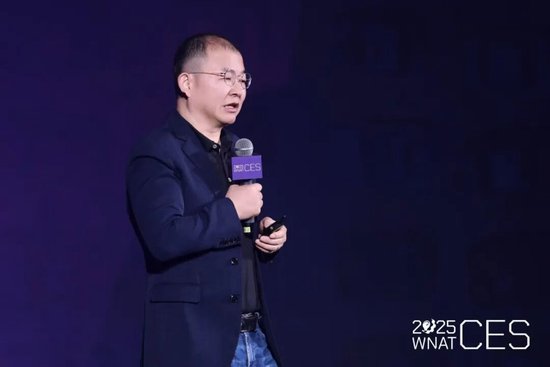
贾可:中国汽车淘汰赛至少还有十年
汽车商业评论· 2025-12-05 07:31
Core Viewpoint - The Chinese automotive industry has not yet reached a stable state, and it may take another 10 years for the market to stabilize, with approximately 10 major automotive giants expected to remain in the future [3][35]. Group 1: Industry Overview - The WNATCES 2025 event focused on the theme of "long-term vs. short-term," featuring various forums and exhibitions aimed at addressing current industry pain points and promoting sustainable development in the new automotive ecosystem [5][7]. - Historical context shows that the automotive industry has undergone significant changes over the past century, with periods of fragmentation followed by consolidation, particularly in Europe and the U.S. [12][15][17]. Group 2: Market Dynamics - Predictions from industry leaders suggest a competitive landscape where only a few manufacturers will survive in the coming years, with estimates ranging from 3 to 10 major players by 2030 [10][19]. - The transition from traditional fuel vehicles to electric and intelligent vehicles has created new opportunities and challenges, with core components like the "three electrics" (battery, motor, and electronic control) becoming critical for competitiveness [20][22]. Group 3: Competitive Landscape - The current automotive market is categorized into six major camps, including traditional private enterprises, state-owned groups, new car-making forces, and joint ventures, each with distinct strategies and market positions [26][29]. - The rise of new entrants in the automotive sector, particularly those leveraging technology and innovative business models, indicates a dynamic and evolving competitive environment [31][38]. Group 4: Future Outlook - The industry is expected to continue evolving, with a focus on both cost leadership and superior user experience as key competitive strategies [24][30]. - The integration of AI and other advanced technologies into the automotive sector presents significant potential for transformation and growth, suggesting that the industry is still in a phase of exploration and development [33][43].

晚点对话印奇:AI 1.0 的教训是,所有不能闭环的辉煌都是暂时的
晚点LatePost· 2025-05-12 12:20
Core Viewpoint - The article discusses the transformation of the company from Megvii to Qianli Technology, focusing on the strategic shift towards "AI + automotive" and the importance of establishing a sustainable business model to support technological advancements [4][22]. Group 1: Company Transformation - The chairman of Qianli Technology, Yin Qi, transitioned from founding Megvii to leading Qianli, aiming to create a closed-loop business model that integrates AI with hardware [4][5]. - Qianli Technology, previously known as Lifan Technology, has restructured its ownership and is now focusing on becoming a leading supplier in automotive intelligence [4][6]. - The company aims to leverage its existing capabilities in AI and robotics to create a more comprehensive solution for the automotive industry [4][22]. Group 2: Strategic Insights - Yin Qi emphasizes the necessity of a solid business model to sustain technological innovation, stating that without a viable commercial framework, the team's technical aspirations cannot be supported [4][18]. - The shift from a technology-first approach to a value-driven model reflects a deeper understanding of the relationship between technology and market needs [4][18]. - The company recognizes the importance of integrating AI with physical applications, particularly in the automotive sector, as a means to achieve a sustainable competitive advantage [8][22]. Group 3: Market Dynamics - The competitive landscape for AI and automotive integration is characterized by rapid technological advancements and the need for companies to adapt quickly to market demands [14][20]. - Yin Qi notes that the current AI landscape is a resource-intensive battleground, where companies must combine model development with practical applications to succeed [14][21]. - The article highlights the importance of forming strategic partnerships and alliances within the automotive ecosystem to enhance Qianli's market position [22][25]. Group 4: Future Directions - Qianli Technology plans to focus on developing intelligent driving and cockpit technologies, positioning itself as a key player in the automotive intelligence market [22][23]. - The company aims to establish an open and international approach, collaborating with top-tier partners in the industry to create comprehensive solutions [22][23]. - Yin Qi believes that the future of intelligent driving will rely on data-driven models, emphasizing the need for a robust data ecosystem to support AI applications in vehicles [38][39].