智驾系统

Search documents
在变局中追问奇瑞:一家中国车企如何理解“技术之治”
财富FORTUNE· 2026-03-16 13:05
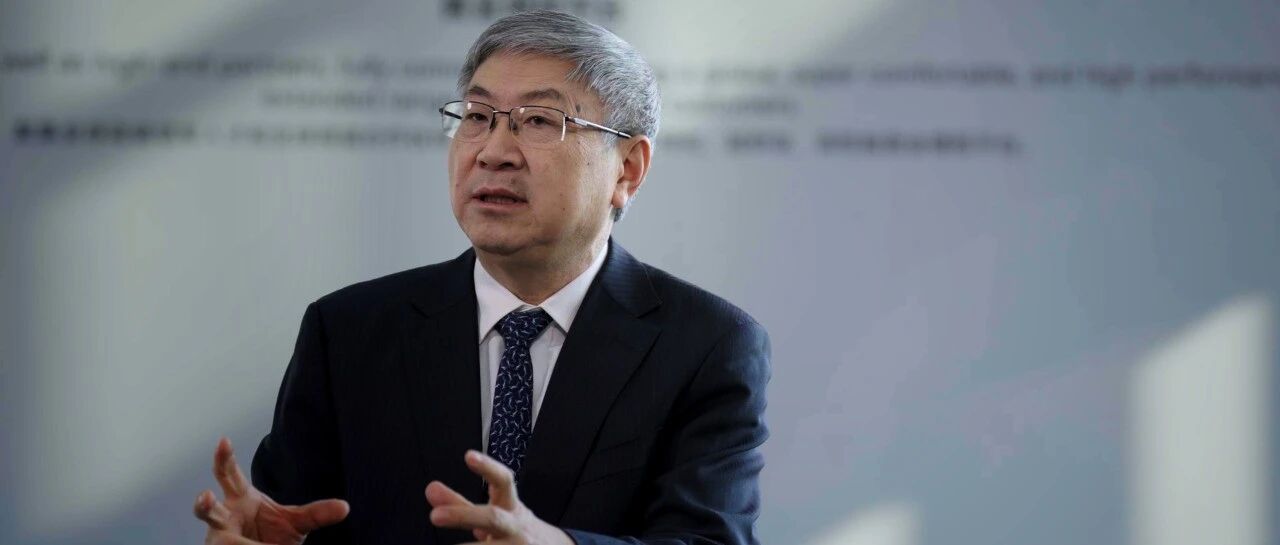
Core Insights - Chery achieved significant milestones in 2025, including its IPO and a leap in the Fortune Global 500 rankings from 385th to 233rd, marking it as the fastest-rising automotive company globally [1] - The automotive industry in China is facing two major uncertainties: the technological overhaul driven by AI and smart technologies, and the reshaping of market rules due to global trade protectionism and geopolitical tensions [1] Capital Market Perspective - Becoming a public company has led to a structural shift in Chery's operational logic, with increased scrutiny from shareholders and investors regarding stock price fluctuations and profitability metrics [3] - This external pressure compels the management to reassess resource allocation and emphasizes the need to create greater social value with fewer resources [5] Technological Challenges - AI and smart technology are central themes, with Chery's chairman actively testing autonomous driving systems to ensure competitive performance against industry leaders like Tesla and Waymo [5][6] - The introduction of end-to-end models in AI presents challenges due to their unpredictable nature, prompting Chery to isolate safety-related components while allowing more aggressive iterations for non-critical features [6] Organizational Evolution - Chery is undergoing a "fission" process to enhance organizational capabilities, breaking down its innovation system into multiple specialized directions to remain agile and responsive [7] - The company has established a framework with 17 L1, 79 L2, and approximately 500 L3 directions to ensure flexibility and continuous improvement [7] Globalization Strategy - As a leader in automotive exports, Chery recognizes the unsustainability of traditional vehicle exports and aims to contribute locally in global markets, reflecting a shift in its role from an exporter to a collaborator [11] - The company emphasizes a dual trade approach, aiming to not only sell globally but also to source globally, enhancing its position in international markets [11] Response to Geopolitical Uncertainty - Chery views current geopolitical tensions as temporary waves in the globalization process and advocates for a pragmatic approach focused on self-improvement and establishing rules to mitigate irregularities in the global landscape [11][13] - The company is committed to using technology to address global challenges, aiming to leverage Chinese cultural strengths to influence the world positively [13]

男子智驾双手离开方向盘被货车追尾男子高速上智驾竟双手离开方向盘 全责!
Xin Lang Cai Jing· 2026-02-08 02:03
Core Viewpoint - The incident highlights the risks associated with the use of "smart driving" systems, emphasizing that these systems are still in the "human-machine co-driving" phase and not fully autonomous [1] Group 1: Incident Details - On February 1, 2026, an accident occurred on the Jiangxi Zhangji Expressway involving a driver named Pei, who was using a "smart driving" feature and took both hands off the steering wheel [1] - The vehicle suddenly decelerated and stopped, leading to a rear-end collision with a truck, resulting in significant damage to Pei's vehicle but no injuries [1] - Pei had obtained his driver's license in August 2025 and was still in the probationary period, driving a vehicle borrowed from a friend that was only two months old [1] Group 2: Regulatory and Safety Insights - The accident was attributed to Pei's misuse of the "smart driving" feature, which triggered a safety mechanism due to the lack of detected grip on the steering wheel [1] - Authorities remind users that "smart driving" systems are not yet capable of fully autonomous driving and require the driver to remain attentive and ready to take control at any moment [1] - Drivers must be familiar with the activation conditions and prohibited scenarios of these systems and must adhere to legal requirements while using them [1]
一周一刻钟,大事快评(W140):长安汽车、千里科技、文远知行、阿尔特
Shenwan Hongyuan Securities· 2026-01-14 10:48
Investment Rating - The report rates the automotive industry as "Overweight," indicating an expectation for the industry to outperform the overall market [11]. Core Insights - Changan Automobile is highlighted for its focus on Avita, which is expected to become a valuable asset as it prepares for a Hong Kong IPO, supported by state-owned enterprise backing [2][3]. - Qianli Technology's partnership with Geely is anticipated to unlock significant growth potential in its intelligent driving systems, targeting the 150,000 to 500,000 yuan market segment, with expectations for improved profit margins [2][3]. - WeRide's overseas business is progressing better than expected, with annual revenue per vehicle in the Middle East projected to reach $90,000, potentially contributing 1 billion yuan in profits if it scales to 10,000 units by 2030 [4]. - Alter's AI tools are noted for their unique application in the automotive sector, with a projected revenue growth of around 40% in 2026, primarily driven by product enhancements [5]. Summary by Company Changan Automobile - Focus on Avita's IPO and brand positioning is crucial for sales growth, moving away from price competition [2][3]. Qianli Technology - Collaboration with Geely is expected to enhance the scalability of its intelligent driving systems, with a focus on achieving superior profit margins [2][3]. WeRide - The company is set to benefit from overseas market expansion, with significant profit potential from scaling operations in the Middle East [4]. Alter - The company is leveraging AI to enhance design efficiency, with expectations for a turnaround in profitability by 2027-2028 [5].

公司回购、董事长继续增持,佑驾创新真金白银传递长期信心
Ge Long Hui· 2026-01-06 13:22
Core Viewpoint - Youjia Innovation (2431.HK) is demonstrating confidence in its business outlook through a combination of share buybacks and increased shareholding by the chairman, signaling a commitment to long-term value creation [1][2]. Group 1: Company Actions - The company plans to repurchase up to HKD 200 million of its H-shares in the open market, reflecting confidence in its business prospects and financial health [1]. - Chairman Liu Guoqing has increased his stake by purchasing an additional 50,000 shares at an average price of approximately HKD 13.94 per share, totaling 100,000 shares over two days [1]. - Major shareholders have voluntarily extended the lock-up period for their shares, committing not to reduce their holdings in any manner [1]. Group 2: Financial Performance - In the first half of 2025, Youjia Innovation achieved revenue of CNY 346 million, a year-on-year increase of 46%, with gross profit rising 54.8% to CNY 52 million and gross margin improving to 15% [4]. - The company has established a strong competitive edge in the intelligent driving sector, successfully commercializing technologies across L1 to L4 levels, making it one of the few players in both L2 and L4 markets [4][5]. Group 3: Business Development - As of June 30, 2025, the company has mass-produced for 42 automotive manufacturers, including major brands like SAIC, Chery, and FAW, while also expanding its international presence [5]. - The L4 business is entering a phase of scale, with expected revenues in the tens of millions for 2025, driven by applications in various scenarios such as daily commuting and logistics [5]. - The company is well-positioned to benefit from industry policy shifts and the commercialization wave, with a focus on L3 development and the integration of driver state monitoring systems [5][6]. Group 4: Market Outlook - The combination of strong internal capabilities and favorable industry opportunities indicates a clear growth trajectory for Youjia Innovation, which aims to navigate market volatility through technological advancements and global expansion [6].
贾可:中国汽车淘汰赛至少还有十年
Xin Lang Cai Jing· 2025-12-05 11:18
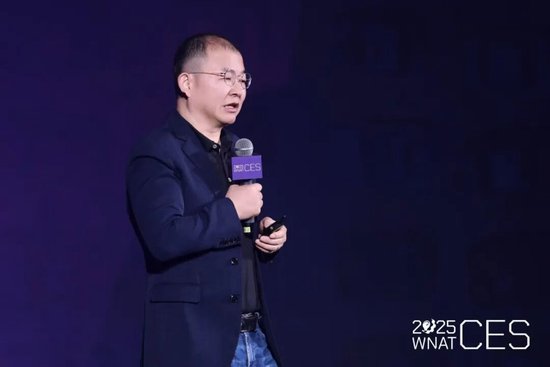
Core Viewpoint - The Chinese automotive industry is not yet in a stable state and may take at least another 10 years to reach a comfortable equilibrium, with an expectation that around 10 major automotive giants will remain in the market [1][36][56]. Group 1: Industry Outlook - The WNATCES 2025 event aims to address the current challenges in the automotive industry, focusing on the collaboration between manufacturers and suppliers to create a sustainable ecosystem [7][39]. - The event features 100 speakers, including 42 automotive executives and 1,000 attendees from 12 automotive groups and 300 supply chain companies, highlighting the industry's collaborative efforts [7][38]. - The theme of the event, "Long-term and Short-term," emphasizes the need for balance between immediate concerns and future growth strategies [5][36]. Group 2: Historical Context - The evolution of the automotive industry in Europe and the U.S. shows a historical pattern of consolidation, with significant changes occurring over more than a century [13][44]. - The Chinese automotive industry has undergone rapid changes since 2009, with government initiatives aimed at creating a few large manufacturers, but the market has seen a shift towards electric and intelligent vehicles [14][45]. Group 3: Competitive Landscape - The competitive landscape is shifting, with the emergence of six major camps in the Chinese automotive market, including traditional manufacturers, state-owned enterprises, and new entrants [49][51]. - The core competitive advantages have transitioned from traditional components to new technologies such as electric powertrains and intelligent systems, which are now critical for success in the market [17][48]. Group 4: Future Predictions - Industry leaders predict a "淘汰赛" (elimination race) in the automotive sector, with varying timelines for consolidation, ranging from 3 to 10 years [11][42]. - The future of the industry is expected to involve significant technological advancements, particularly in areas like AI and smart vehicle systems, which will reshape the competitive dynamics [25][56]. Group 5: Collaboration and Ecosystem Building - The event aims to foster collaboration among industry players to build a robust ecosystem that can adapt to ongoing changes and challenges [27][61]. - The focus on creating a cooperative environment is seen as essential for navigating the complexities of the automotive market and ensuring long-term sustainability [58][61].
贾可:中国汽车淘汰赛至少还有十年
汽车商业评论· 2025-12-05 07:31
Core Viewpoint - The Chinese automotive industry has not yet reached a stable state, and it may take another 10 years for the market to stabilize, with approximately 10 major automotive giants expected to remain in the future [3][35]. Group 1: Industry Overview - The WNATCES 2025 event focused on the theme of "long-term vs. short-term," featuring various forums and exhibitions aimed at addressing current industry pain points and promoting sustainable development in the new automotive ecosystem [5][7]. - Historical context shows that the automotive industry has undergone significant changes over the past century, with periods of fragmentation followed by consolidation, particularly in Europe and the U.S. [12][15][17]. Group 2: Market Dynamics - Predictions from industry leaders suggest a competitive landscape where only a few manufacturers will survive in the coming years, with estimates ranging from 3 to 10 major players by 2030 [10][19]. - The transition from traditional fuel vehicles to electric and intelligent vehicles has created new opportunities and challenges, with core components like the "three electrics" (battery, motor, and electronic control) becoming critical for competitiveness [20][22]. Group 3: Competitive Landscape - The current automotive market is categorized into six major camps, including traditional private enterprises, state-owned groups, new car-making forces, and joint ventures, each with distinct strategies and market positions [26][29]. - The rise of new entrants in the automotive sector, particularly those leveraging technology and innovative business models, indicates a dynamic and evolving competitive environment [31][38]. Group 4: Future Outlook - The industry is expected to continue evolving, with a focus on both cost leadership and superior user experience as key competitive strategies [24][30]. - The integration of AI and other advanced technologies into the automotive sector presents significant potential for transformation and growth, suggesting that the industry is still in a phase of exploration and development [33][43].

智能驾驶独角兽毫末智行宣布停工
Cai Jing Wang· 2025-11-26 01:56
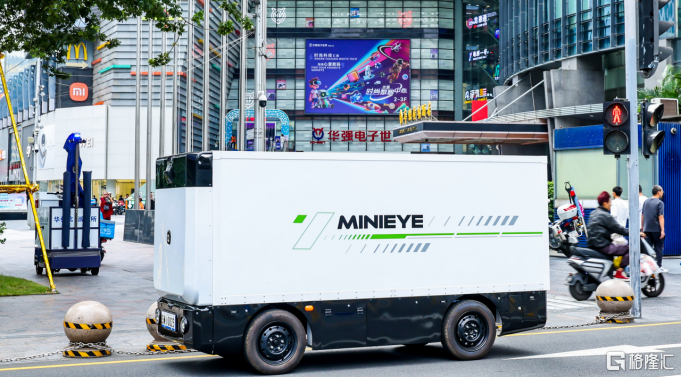
Core Viewpoint - The smart driving unicorn company, Haomo Zhixing, has announced a complete work stoppage for all employees starting November 24, 2025, due to its current operational status [1] Company Overview - Haomo Zhixing was founded in 2019 and was incubated by Great Wall Motors, initially becoming a market star [1] - The company raised nearly 1 billion yuan (approximately 0.14 billion USD) from investors such as Meituan and Hillhouse Capital in 2021, achieving unicorn status within three years [1] - As of now, Haomo Zhixing has completed five rounds of financing, with a total funding amount exceeding 2 billion yuan (approximately 0.28 billion USD) [1] - The actual controller of Haomo Zhixing is Wei Jianjun, the chairman of Great Wall Motors, who holds about 37% of the shares [1] - Great Wall Motors has nearly 20 vehicle models equipped with Haomo Zhixing's intelligent driving system [1] Market Position and Challenges - In July 2023, there were rumors about Haomo Zhixing's impending IPO in Hong Kong, but there has been no progress on this front since then [1] - A source close to Haomo Zhixing indicated that the core reason for the company's downfall is its choice of technology route, opting for a "high-precision map" solution, while competitors like Tesla have favored a "map-free" approach [1]

长沙发布国际采购需求订单 涉及智能制造新材料等领域
Zhong Guo Xin Wen Wang· 2025-11-10 14:00
Core Insights - The 2025 Changsha International Procurement and Industrial Collaborative Innovation Conference was held, releasing over 220 international procurement demand orders [1][2] - The event attracted nearly 800 representatives from domestic and international enterprises, including over 390 international buyers and suppliers from 30 countries and regions [1] - Key procurement areas include intelligent manufacturing, aerospace, inspection and testing, new materials, and energy storage equipment, featuring high-end manufacturing products and advanced components [1] Group 1 - The procurement information covers various sectors such as rail transit parts, industrial automation equipment, lightweight aerospace components, intelligent driving systems, and energy-efficient building engineering testing [1] - Changsha ranks 44th in the global technology cluster and 23rd among global research cities, indicating its growing significance in the tech landscape [1] - The focus for Changsha's development during the 14th Five-Year Plan includes digital transformation, AI, aerospace, low-altitude economy, and integrated services in inspection and testing [1] Group 2 - The conference reflects a broader consensus on "buying global, selling global," emphasizing the importance of industrial complementarity and collaborative innovation in global industrial development [2] - The event is a practical measure for Changsha to optimize its industrial ecosystem and deepen global and regional industrial cooperation and investment connections [2]
对话愉悦资本刘二海:现阶段AI投资更聚焦基础构建与典型应用 智驾有机会向具身智能演化
Mei Ri Jing Ji Xin Wen· 2025-10-20 14:25
Core Insights - The automotive industry is undergoing a transformation driven by AI, with smart driving systems entering a phase of large-scale deployment, creating a "flywheel effect" of data and intelligence [1][3] - Smart driving is recognized as a foundational application of AI, with significant investments in AI models and infrastructure, indicating a shift towards commercial deployment [2][3] - The investment logic is transitioning from traffic-driven to technology-driven, emphasizing the importance of technological capabilities and commercial deployment in the smart economy era [4] Industry Trends - The automotive sector has become the largest contributor to China's GDP, with rapid advancements in key components for electric vehicles such as lidar and smart glass [1] - The next decade will see AI's pervasive influence across all industries, with a focus on foundational investments in chips, computing power, and data [2] - The smart driving sector is poised to be one of the first to achieve large-scale commercialization within the realm of embodied intelligence [3] Investment Strategy - The investment approach is evolving to prioritize technology-driven enterprises, with a focus on both technological capabilities and innovative business models [4] - Chinese companies are leading a new phase of globalization, shifting from a model dominated by large multinational corporations to one that emphasizes local stakeholder interests and enhanced R&D capabilities [4] - Emerging markets are experiencing rapid growth in trade with China, despite a decline in trade with the U.S., supported by AI open-source technologies that facilitate global recognition and localized innovation [4]
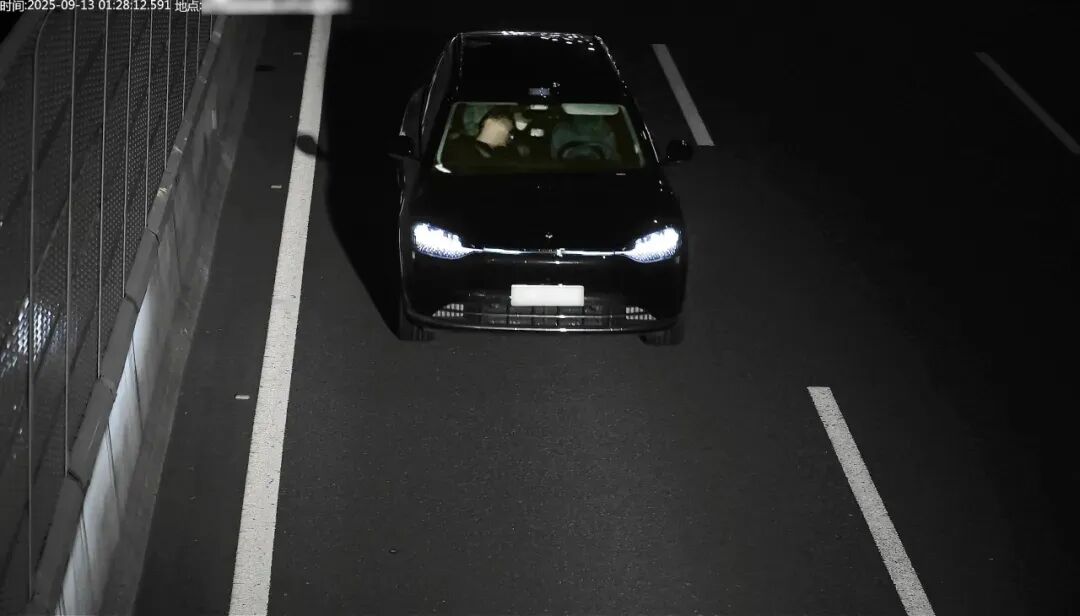
男子喝4两白酒后凌晨开“智驾”上高速,2小时行驶约200公里,被警方现场查获!“具有立功、坦白情节”,该男子被判缓刑
Mei Ri Jing Ji Xin Wen· 2025-10-15 00:38
Core Viewpoint - The article highlights recent legal cases in China involving individuals who drove under the influence of alcohol while using advanced driver-assistance systems, emphasizing the legal consequences and safety risks associated with such actions [1][2][4]. Group 1: Legal Cases - A case from Nanjing involved an individual, Wang, who drove for approximately two hours and covered about 200 kilometers while intoxicated, with a blood alcohol content of 151.2 mg/100ml, leading to a conviction for dangerous driving [1]. - Another case in Hunan involved a man who drove back to Changsha after drinking, with a blood alcohol level of 225 mg/100ml, resulting in severe penalties including the revocation of his driver's license for five years [2]. - A case in Hangzhou featured a man who used a so-called "smart driving device" while intoxicated, leading to a conviction for dangerous driving and a sentence of one month and fifteen days in detention, along with a fine of 4,000 yuan [2]. Group 2: Safety and Regulatory Insights - The Ministry of Public Security in China has stated that current automotive "smart driving" systems do not possess full autonomous driving capabilities and remain in the assisted driving phase, highlighting the risks of driver negligence, especially under the influence of alcohol [4]. - The use of driver-assistance systems while intoxicated is legally classified as dangerous driving, reinforcing the need for awareness regarding the limitations of such technologies [4].